
Devastating Floods in Southeast Asia Claim Over 1,100 Lives
In This Article
HIGHLIGHTS
- Over 1,100 people have died due to severe flooding across Indonesia, Sri Lanka, Thailand, and Malaysia, with Indonesia reporting at least 631 fatalities.
- The floods, exacerbated by rare tropical cyclones, have affected millions, leading to significant infrastructure damage and mass evacuations.
- Criticism mounts over the Indonesian government's response, with calls for a national emergency declaration amid bureaucratic delays in aid delivery.
- Thousands remain isolated without essential supplies, and humanitarian organizations warn of severe food shortages in affected areas like Aceh.
- The World Health Organization highlights the role of climate change in increasing the frequency and severity of such extreme weather events.
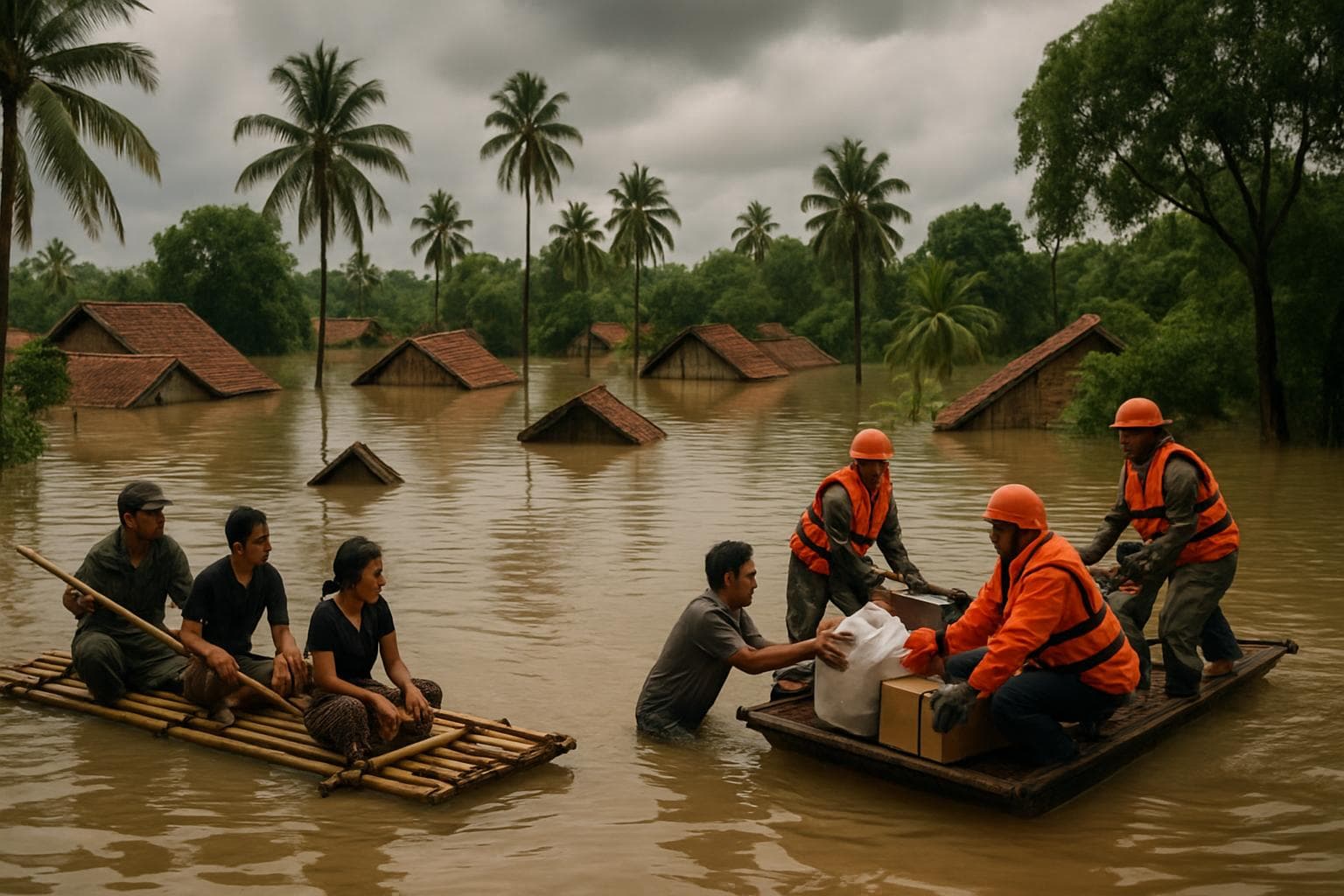
The death toll from catastrophic flooding across Southeast Asia has surpassed 1,100, with Indonesia bearing the brunt of the disaster. The Indonesian National Disaster Mitigation Agency confirmed that at least 631 people have died, and hundreds remain missing as rescue operations continue. The floods, triggered by a rare tropical cyclone over the Malacca Strait, have wreaked havoc across the provinces of Aceh, North Sumatra, and West Sumatra, affecting over 3.2 million people.
Impact and Response
The severe weather, a combination of monsoon rains and tropical cyclones, has led to widespread devastation across Indonesia, Sri Lanka, Thailand, and Malaysia. In Indonesia alone, more than one million people have been evacuated from high-risk areas. However, the response has been criticized for its sluggishness, with many communities still cut off from essential supplies. "Everything is gone; our food supplies are running out," said Maysanti, a resident of Central Tapanuli in North Sumatra.
Humanitarian Crisis
Aid organizations are racing against time to deliver food and medical supplies to isolated regions. Islamic Relief has reported that markets in Aceh are running out of essentials, with prices tripling. The World Health Organization is deploying rapid response teams to prevent disease outbreaks in the aftermath of the floods. "This is another reminder of how climate change is driving more frequent and extreme weather events," said WHO chief Tedros Adhanom Ghebreyesus.
Personal Accounts
Survivors have shared harrowing stories of escape and loss. Aminah Ali, a resident of Aceh, described how she and her son climbed onto their roof to escape the rising waters. "I saw many houses being swept away," she recounted. In Southern Thailand, Natchanun Insuwano and his family were stranded in their flooded home for days, surviving on minimal supplies.
WHAT THIS MIGHT MEAN
As rescue efforts continue, the Indonesian government faces mounting pressure to declare a national emergency, which could expedite international aid and resources. The situation underscores the urgent need for improved disaster preparedness and infrastructure resilience in the face of climate change. Experts warn that without significant policy changes, such extreme weather events will become increasingly common, posing severe risks to vulnerable communities across the region.
Related Articles
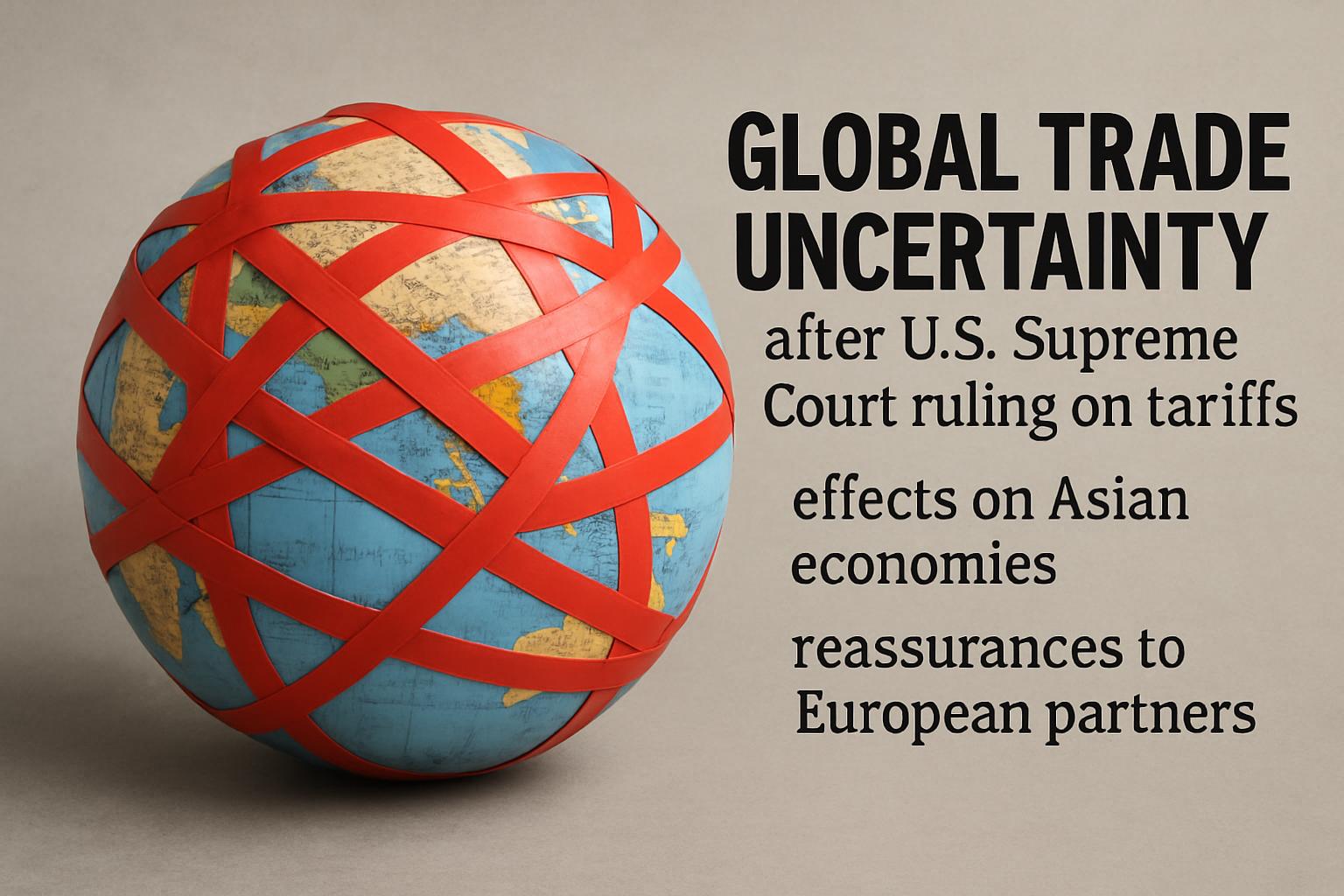
US Supreme Court Ruling Sparks Trade Uncertainty in Asia and Beyond

China Executes 11 Members of Myanmar Scam Mafia in Major Crackdown

Thailand's People's Party Leads Polls Amid Political Challenges

UK Faces Dilemmas Amid Iran Conflict and China Spying Allegations

Iran Postpones Khamenei Funeral Amid Escalating US-Israeli Strikes

Asos Co-Founder Quentin Griffiths Dies in Tragic Fall in Thailand
Devastating Floods in Southeast Asia Claim Over 1,100 Lives
In This Article
HIGHLIGHTS
- Over 1,100 people have died due to severe flooding across Indonesia, Sri Lanka, Thailand, and Malaysia, with Indonesia reporting at least 631 fatalities.
- The floods, exacerbated by rare tropical cyclones, have affected millions, leading to significant infrastructure damage and mass evacuations.
- Criticism mounts over the Indonesian government's response, with calls for a national emergency declaration amid bureaucratic delays in aid delivery.
- Thousands remain isolated without essential supplies, and humanitarian organizations warn of severe food shortages in affected areas like Aceh.
- The World Health Organization highlights the role of climate change in increasing the frequency and severity of such extreme weather events.
The death toll from catastrophic flooding across Southeast Asia has surpassed 1,100, with Indonesia bearing the brunt of the disaster. The Indonesian National Disaster Mitigation Agency confirmed that at least 631 people have died, and hundreds remain missing as rescue operations continue. The floods, triggered by a rare tropical cyclone over the Malacca Strait, have wreaked havoc across the provinces of Aceh, North Sumatra, and West Sumatra, affecting over 3.2 million people.
Impact and Response
The severe weather, a combination of monsoon rains and tropical cyclones, has led to widespread devastation across Indonesia, Sri Lanka, Thailand, and Malaysia. In Indonesia alone, more than one million people have been evacuated from high-risk areas. However, the response has been criticized for its sluggishness, with many communities still cut off from essential supplies. "Everything is gone; our food supplies are running out," said Maysanti, a resident of Central Tapanuli in North Sumatra.
Humanitarian Crisis
Aid organizations are racing against time to deliver food and medical supplies to isolated regions. Islamic Relief has reported that markets in Aceh are running out of essentials, with prices tripling. The World Health Organization is deploying rapid response teams to prevent disease outbreaks in the aftermath of the floods. "This is another reminder of how climate change is driving more frequent and extreme weather events," said WHO chief Tedros Adhanom Ghebreyesus.
Personal Accounts
Survivors have shared harrowing stories of escape and loss. Aminah Ali, a resident of Aceh, described how she and her son climbed onto their roof to escape the rising waters. "I saw many houses being swept away," she recounted. In Southern Thailand, Natchanun Insuwano and his family were stranded in their flooded home for days, surviving on minimal supplies.
WHAT THIS MIGHT MEAN
As rescue efforts continue, the Indonesian government faces mounting pressure to declare a national emergency, which could expedite international aid and resources. The situation underscores the urgent need for improved disaster preparedness and infrastructure resilience in the face of climate change. Experts warn that without significant policy changes, such extreme weather events will become increasingly common, posing severe risks to vulnerable communities across the region.
Related Articles
US Supreme Court Ruling Sparks Trade Uncertainty in Asia and Beyond
China Executes 11 Members of Myanmar Scam Mafia in Major Crackdown
Thailand's People's Party Leads Polls Amid Political Challenges
UK Faces Dilemmas Amid Iran Conflict and China Spying Allegations
Iran Postpones Khamenei Funeral Amid Escalating US-Israeli Strikes
Asos Co-Founder Quentin Griffiths Dies in Tragic Fall in Thailand