
Thailand's People's Party Leads Polls Amid Political Challenges

In This Article
HIGHLIGHTS
- The People's Party, led by Natthaphong Ruengpanyawut, is leading in opinion polls ahead of Thailand's upcoming election.
- Despite past electoral successes, the party faces significant challenges from the conservative establishment, including the constitutional court.
- The party's predecessor, Move Forward, was dissolved for attempting to reform the lese majeste law, highlighting ongoing legal battles.
- Thailand's political landscape is marked by economic stress, with high household debt and low GDP growth affecting rural communities.
- Supporters of the People's Party, particularly young voters, are calling for structural changes to Thailand's political system.
As Thailand approaches its next election, the People's Party, a pro-democracy movement, is capturing the public's attention with its reformist agenda. Led by 38-year-old Natthaphong Ruengpanyawut, the party is polling ahead of its rivals, buoyed by support from young and urban voters. However, the path to power is fraught with obstacles, as the party faces potential legal battles and opposition from the conservative establishment.
A Youthful Movement with a Reformist Agenda
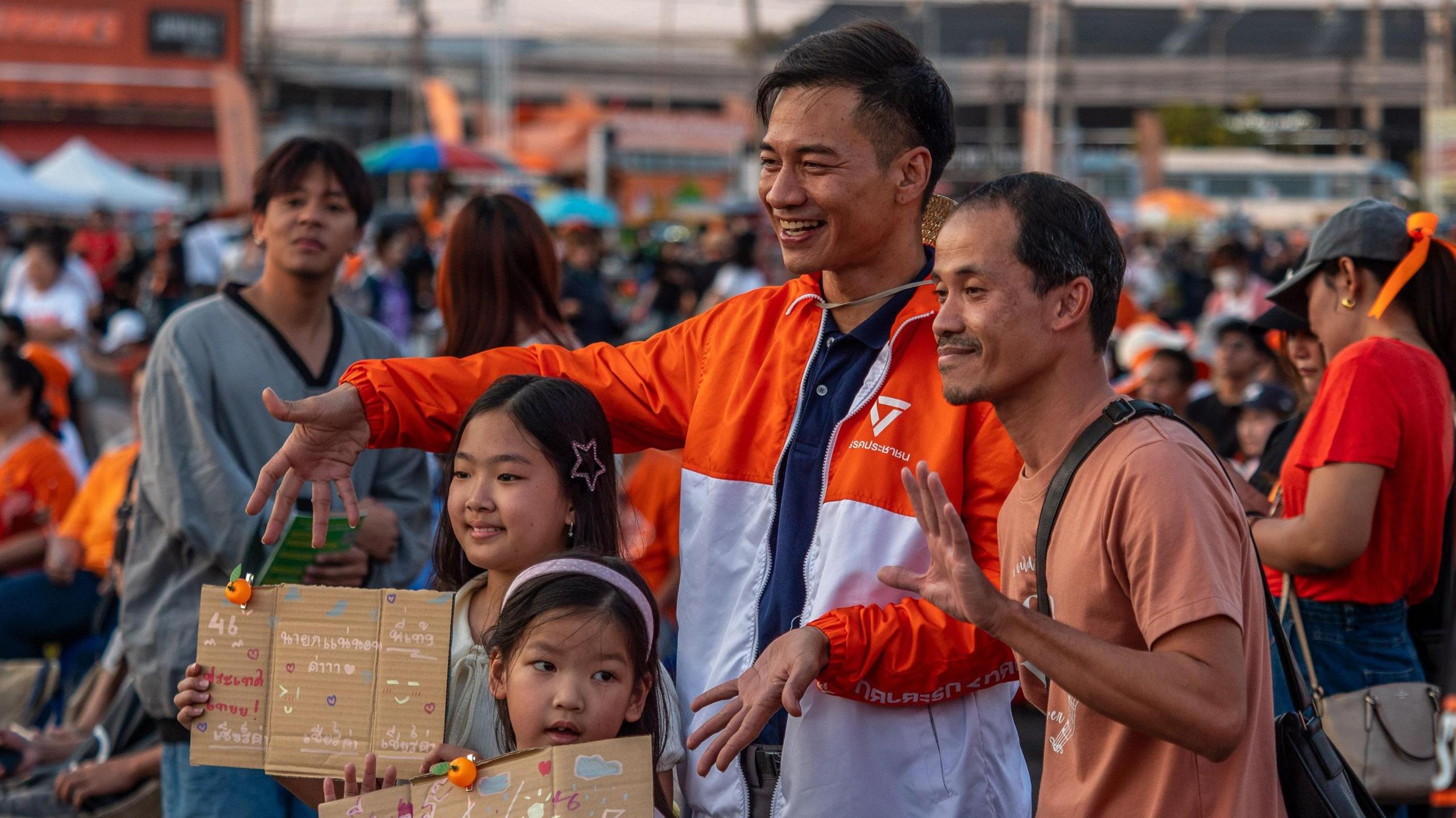
The People's Party, which emerged from the ashes of the dissolved Move Forward party, is campaigning on promises of political and economic reform. Natthaphong, a former software engineer, has become a charismatic figure, drawing large crowds eager for change. At rallies, supporters shower him with gifts, including the party's signature orange garlands, symbolizing their hope for a more democratic Thailand.
Legal Hurdles and Political Opposition
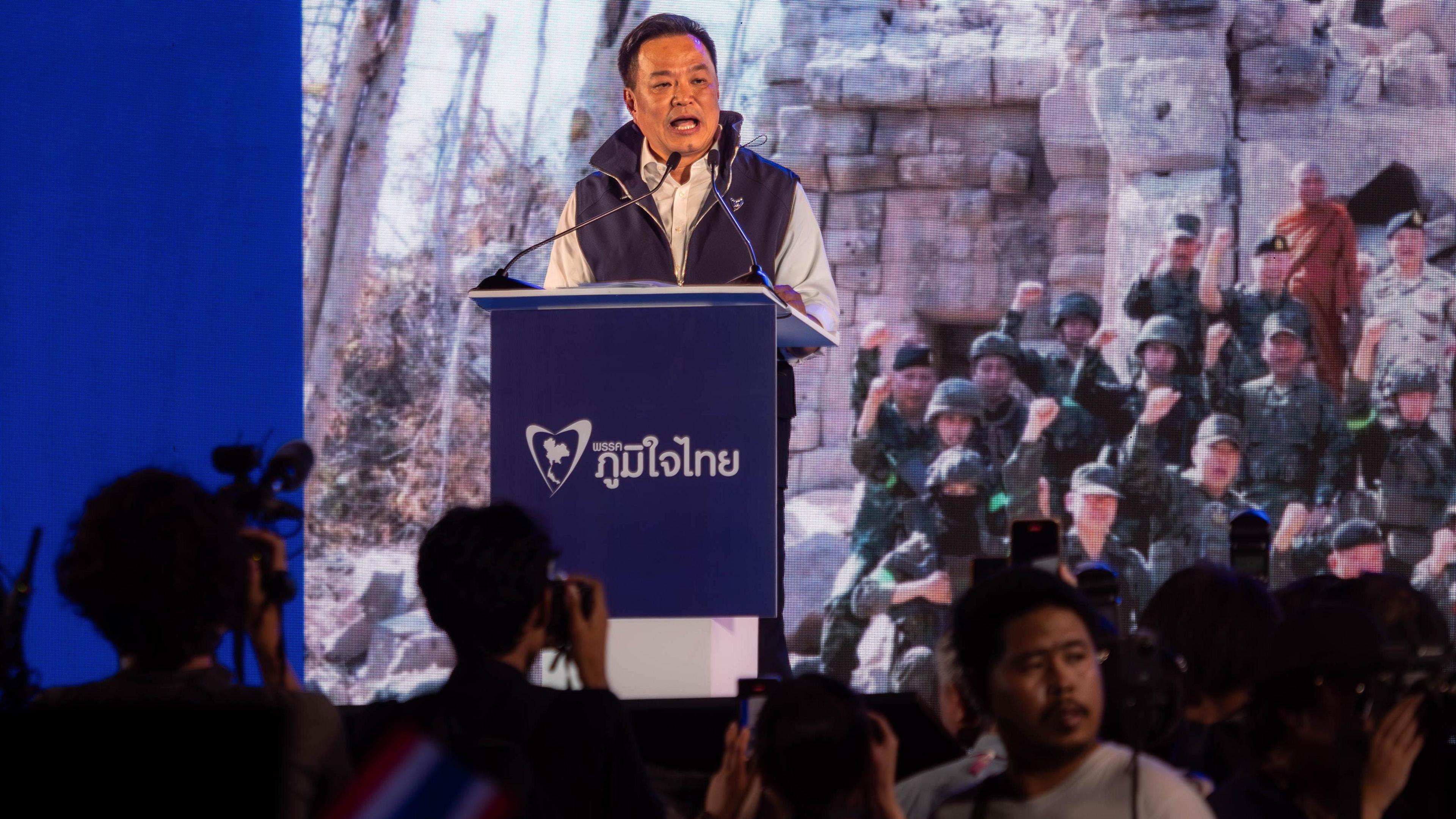
Despite its popularity, the People's Party is not expected to secure an outright majority. The party's predecessor, Move Forward, was blocked from forming a government by military-appointed senators and later dissolved by the constitutional court for proposing reforms to the lese majeste law. This law, which imposes severe penalties for criticizing the monarchy, remains a contentious issue. Natthaphong and other former lawmakers are under investigation for ethics breaches related to their attempts to amend this law.
Economic Challenges and Public Discontent
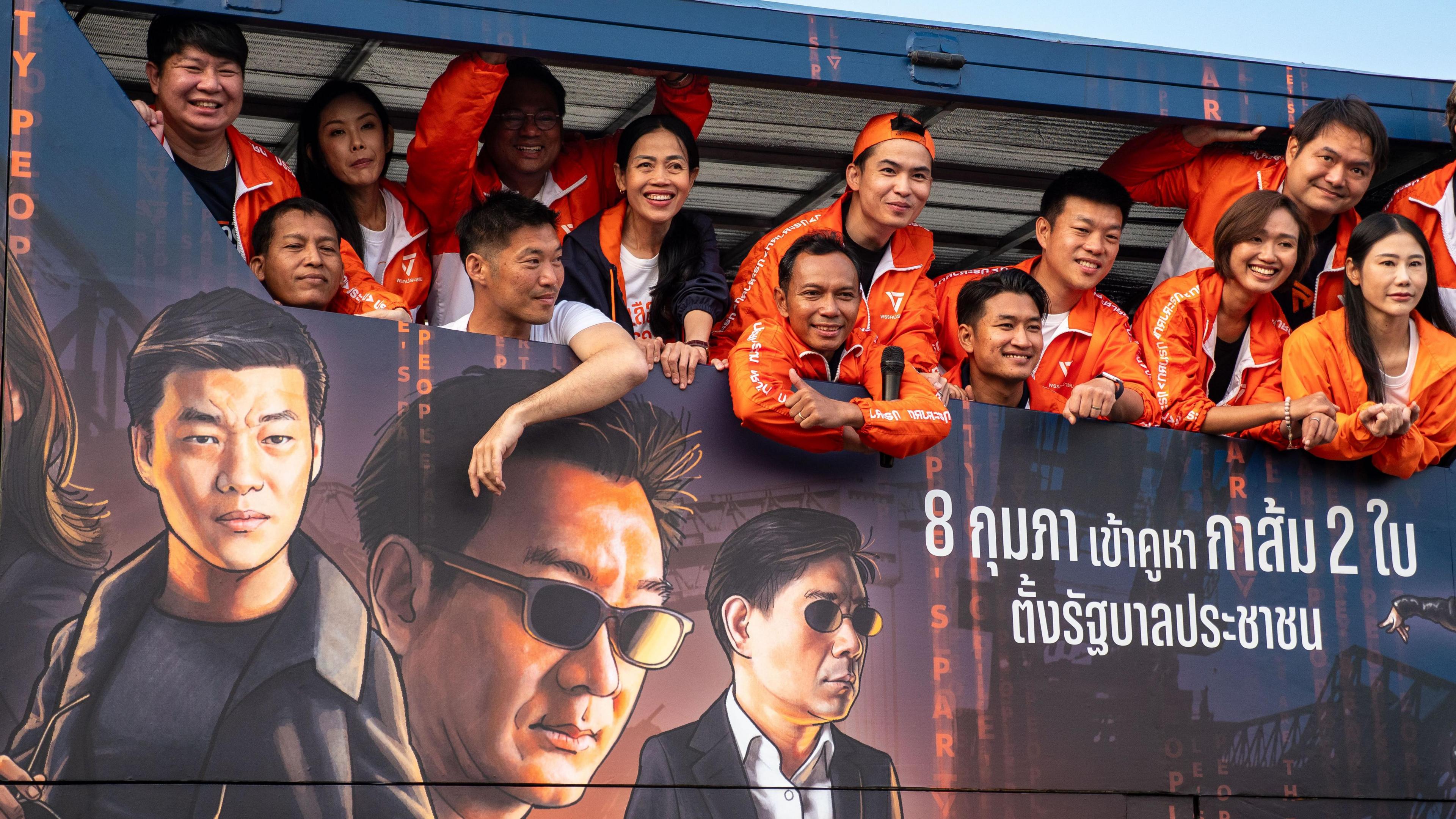
Thailand's economic landscape presents additional challenges. The country faces high household debt and sluggish GDP growth, particularly in rural areas. Candidates like Suttasitt "Macky" Pottasak are campaigning on platforms that address these economic issues, resonating with voters who feel left behind by traditional political forces. Macky's innovative approach, using social media and popular culture references, aims to engage a younger audience disillusioned with conventional politics.
WHAT THIS MIGHT MEAN
The upcoming election in Thailand could mark a pivotal moment for the People's Party and its supporters. If successful, the party may push for significant reforms, though it will likely face resistance from entrenched conservative forces. The ongoing legal scrutiny of its leaders could also impact its ability to govern effectively. Economically, addressing Thailand's high household debt and low growth rates will be crucial for any new administration. As the election draws near, the political landscape remains uncertain, with the potential for both transformative change and continued stalemate.
Images from the Web


Related Articles
Thailand's Pivotal Election: Reformists Challenge Conservative Stronghold
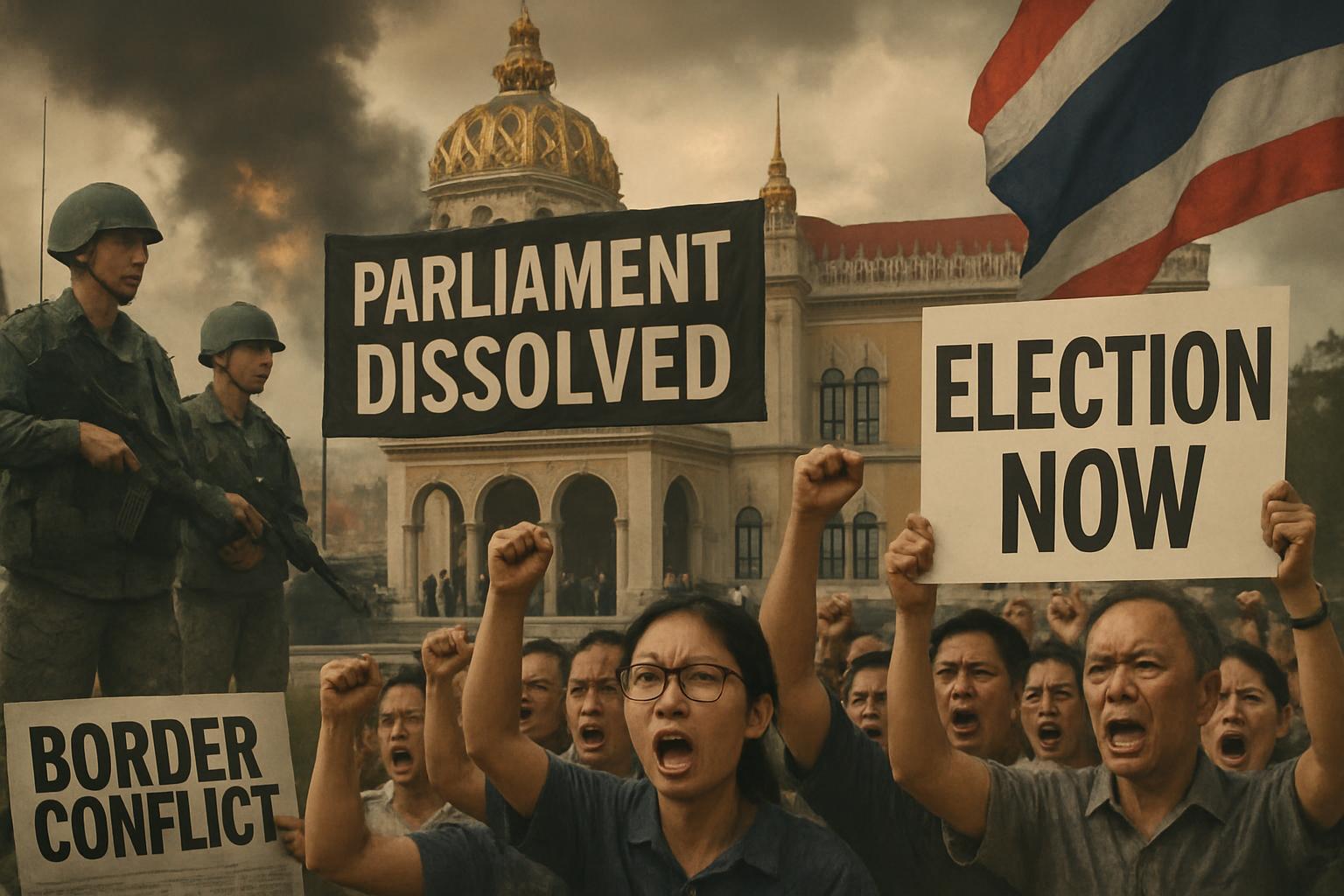
Thailand's Political Landscape Shifts as Parliament Dissolved Amid Border Tensions
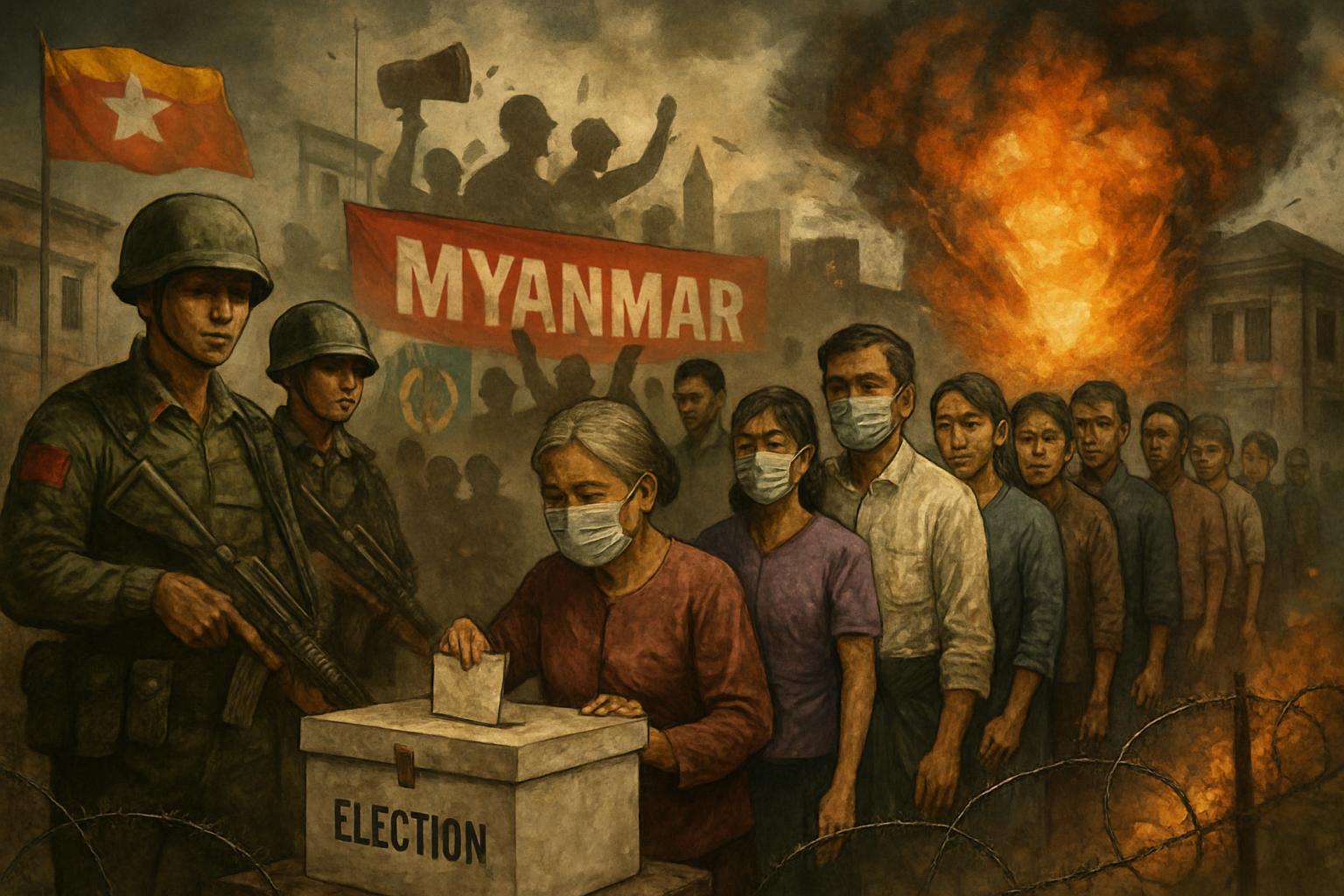
Myanmar's Controversial Elections Amidst Civil Unrest and International Criticism
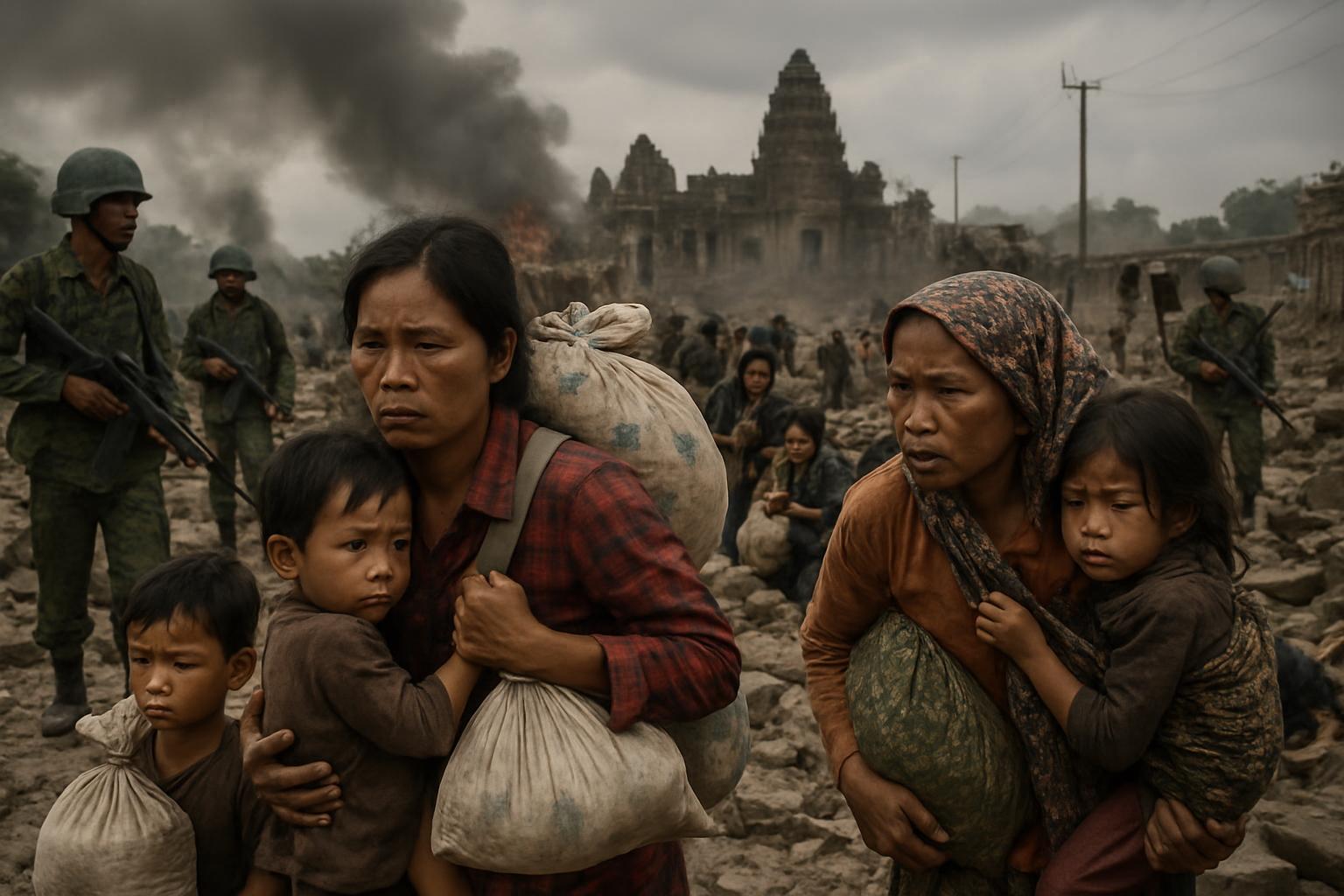
Renewed Clashes Erupt on Thailand-Cambodia Border Amid Calls for Peace

Asos Co-Founder Quentin Griffiths Dies in Tragic Fall in Thailand
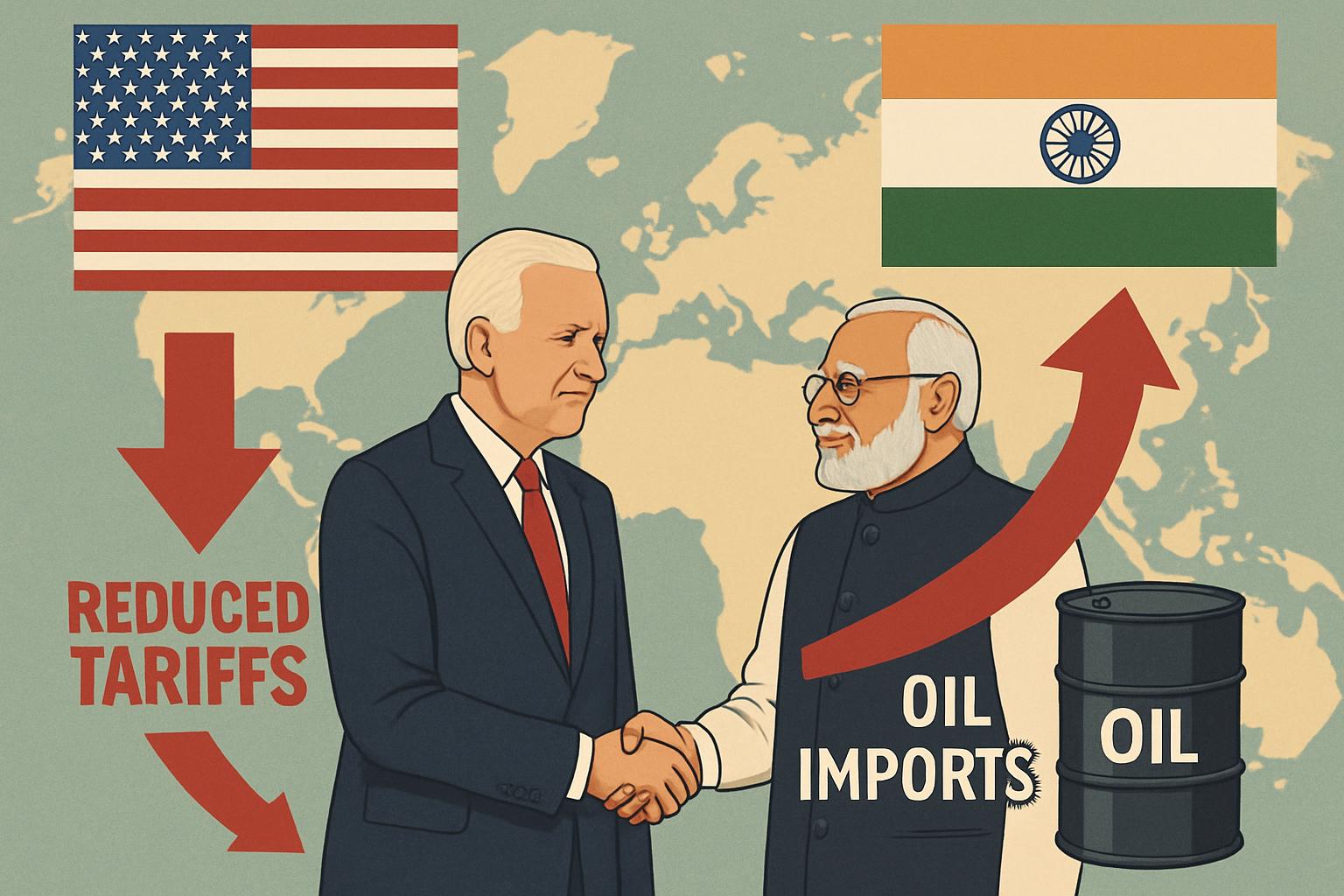
US-India Trade Deal: A New Chapter in Bilateral Relations
Thailand's People's Party Leads Polls Amid Political Challenges
In This Article
 Alex Carter| Published
 HIGHLIGHTS
- The People's Party, led by Natthaphong Ruengpanyawut, is leading in opinion polls ahead of Thailand's upcoming election.
- Despite past electoral successes, the party faces significant challenges from the conservative establishment, including the constitutional court.
- The party's predecessor, Move Forward, was dissolved for attempting to reform the lese majeste law, highlighting ongoing legal battles.
- Thailand's political landscape is marked by economic stress, with high household debt and low GDP growth affecting rural communities.
- Supporters of the People's Party, particularly young voters, are calling for structural changes to Thailand's political system.
As Thailand approaches its next election, the People's Party, a pro-democracy movement, is capturing the public's attention with its reformist agenda. Led by 38-year-old Natthaphong Ruengpanyawut, the party is polling ahead of its rivals, buoyed by support from young and urban voters. However, the path to power is fraught with obstacles, as the party faces potential legal battles and opposition from the conservative establishment.
A Youthful Movement with a Reformist Agenda
The People's Party, which emerged from the ashes of the dissolved Move Forward party, is campaigning on promises of political and economic reform. Natthaphong, a former software engineer, has become a charismatic figure, drawing large crowds eager for change. At rallies, supporters shower him with gifts, including the party's signature orange garlands, symbolizing their hope for a more democratic Thailand.
Legal Hurdles and Political Opposition
Despite its popularity, the People's Party is not expected to secure an outright majority. The party's predecessor, Move Forward, was blocked from forming a government by military-appointed senators and later dissolved by the constitutional court for proposing reforms to the lese majeste law. This law, which imposes severe penalties for criticizing the monarchy, remains a contentious issue. Natthaphong and other former lawmakers are under investigation for ethics breaches related to their attempts to amend this law.
Economic Challenges and Public Discontent
Thailand's economic landscape presents additional challenges. The country faces high household debt and sluggish GDP growth, particularly in rural areas. Candidates like Suttasitt "Macky" Pottasak are campaigning on platforms that address these economic issues, resonating with voters who feel left behind by traditional political forces. Macky's innovative approach, using social media and popular culture references, aims to engage a younger audience disillusioned with conventional politics.
WHAT THIS MIGHT MEAN
The upcoming election in Thailand could mark a pivotal moment for the People's Party and its supporters. If successful, the party may push for significant reforms, though it will likely face resistance from entrenched conservative forces. The ongoing legal scrutiny of its leaders could also impact its ability to govern effectively. Economically, addressing Thailand's high household debt and low growth rates will be crucial for any new administration. As the election draws near, the political landscape remains uncertain, with the potential for both transformative change and continued stalemate.
Images from the Web
Related Articles
Thailand's Pivotal Election: Reformists Challenge Conservative Stronghold
Thailand's Political Landscape Shifts as Parliament Dissolved Amid Border Tensions
Myanmar's Controversial Elections Amidst Civil Unrest and International Criticism
Renewed Clashes Erupt on Thailand-Cambodia Border Amid Calls for Peace
Asos Co-Founder Quentin Griffiths Dies in Tragic Fall in Thailand
US-India Trade Deal: A New Chapter in Bilateral Relations