
Myanmar's Controversial Elections Amidst Civil Unrest and International Criticism

In This Article
HIGHLIGHTS
- Myanmar's military junta is conducting elections amid widespread criticism and ongoing civil war, with major parties banned and leaders jailed.
- The election, supported by China, is seen as an attempt by the junta to legitimize its rule, despite international condemnation.
- Explosions and violence have marred the voting process, with reports of airstrikes and attacks in various regions.
- Aung San Suu Kyi's National League for Democracy is banned, and she remains detained since the 2021 coup.
- New laws impose severe penalties for disrupting the election, including the death penalty, with over 200 people charged.
Myanmar is currently holding elections under the shadow of its military junta, a move widely condemned as a ploy to entrench military power amidst ongoing civil conflict. The elections, which began on Sunday, are taking place nearly five years after the military seized control in a coup, leading to widespread opposition and a protracted civil war. The junta, backed by China, is seeking to legitimize its rule through these elections, despite significant international criticism.
Election Under Siege
The elections are marked by violence and unrest, with reports of explosions and airstrikes in several regions. In the Mandalay region, a rocket attack injured three people, one critically, while in Myawaddy, near the Thai border, a child was killed in a series of explosions. These incidents underscore the volatile environment in which the elections are being conducted.
Political Landscape and Voter Sentiment
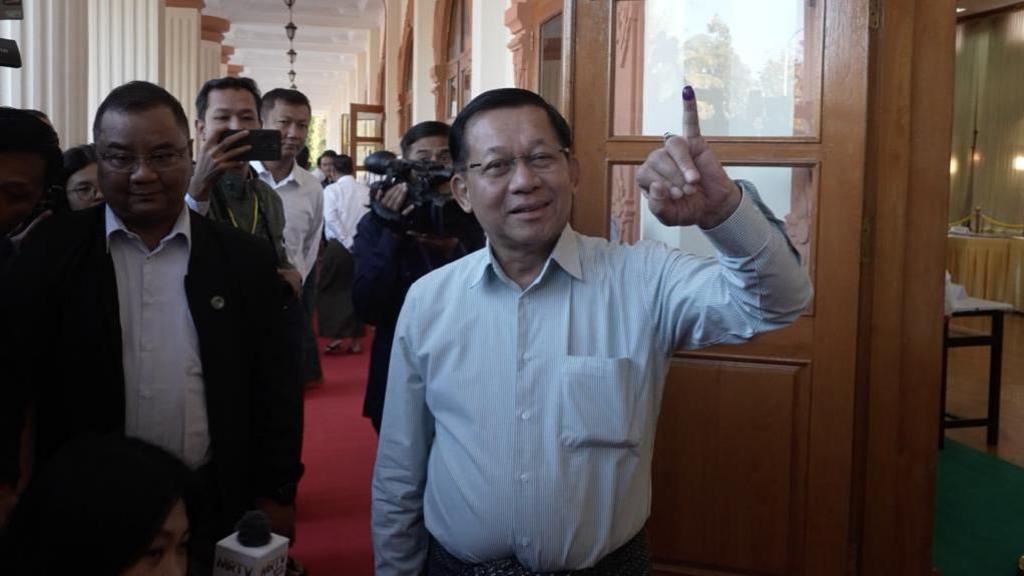
The political landscape in Myanmar is starkly different from previous elections. The National League for Democracy, led by Aung San Suu Kyi, is banned from participating, and she remains detained since the 2021 coup. Campaigning has been subdued, lacking the vibrant rallies of past elections. Despite this, some voters expressed a sense of duty and hope. "Voting is the responsibility of every citizen," said first-time voter Ei Pyay Phyo Maung, 22, emphasizing her desire for economic relief for the lower classes.
Legal and International Reactions
The junta has enacted strict laws against election disruption, with over 200 people charged under these regulations, facing severe penalties, including the death penalty. The military insists the election is for the people of Myanmar, not the international community, despite condemnation from the UN and Western governments. Observers from China, Russia, India, and Vietnam have been invited to monitor the process.
WHAT THIS MIGHT MEAN
The outcome of Myanmar's elections is likely to have significant implications for the country's political future. If the junta succeeds in consolidating power, it could further entrench military rule, potentially escalating the civil conflict. Internationally, the elections may strain Myanmar's relations with Western nations, while strengthening ties with allies like China and Russia. Experts suggest that continued unrest and international pressure could eventually force the junta to negotiate with opposition groups, although this remains uncertain. The situation in Myanmar remains fluid, with the potential for both increased violence and diplomatic efforts to resolve the ongoing crisis.
Images from the Web
Related Articles
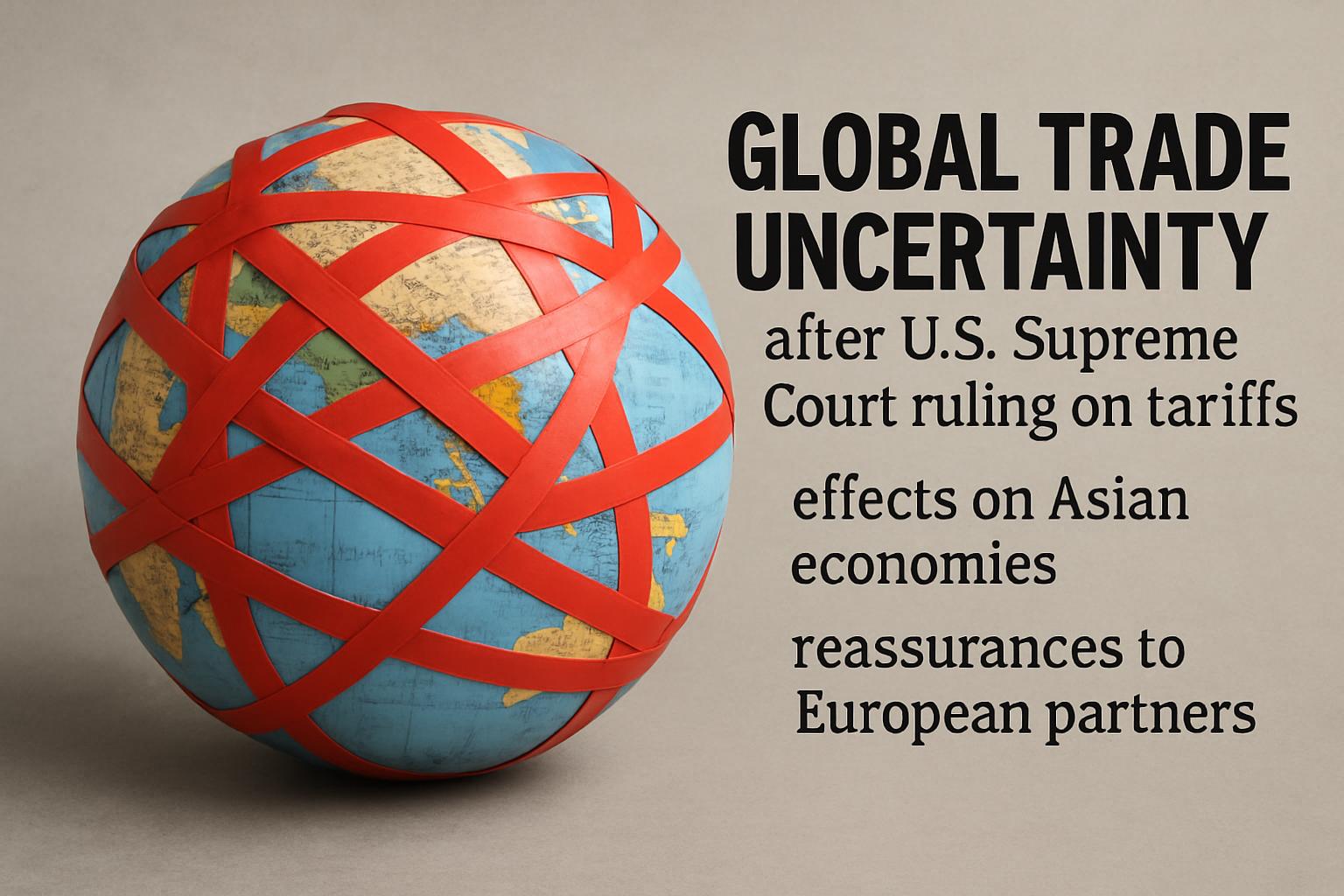
US Supreme Court Ruling Sparks Trade Uncertainty in Asia and Beyond
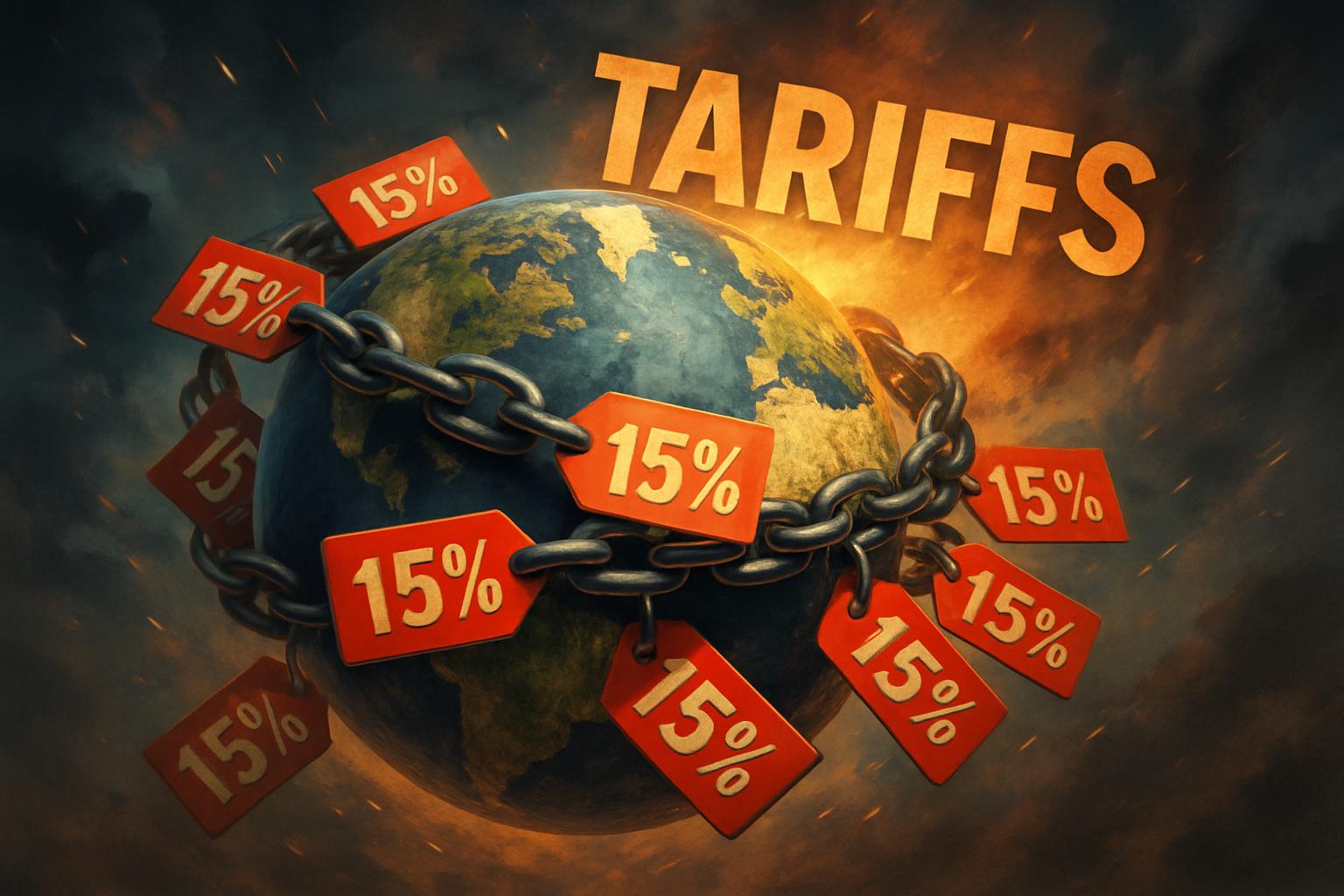
Trump's New Tariff Strategy Sparks Global Trade Uncertainty

Russia-Ukraine Conflict: Four Years of Unyielding Struggle and Human Resilience
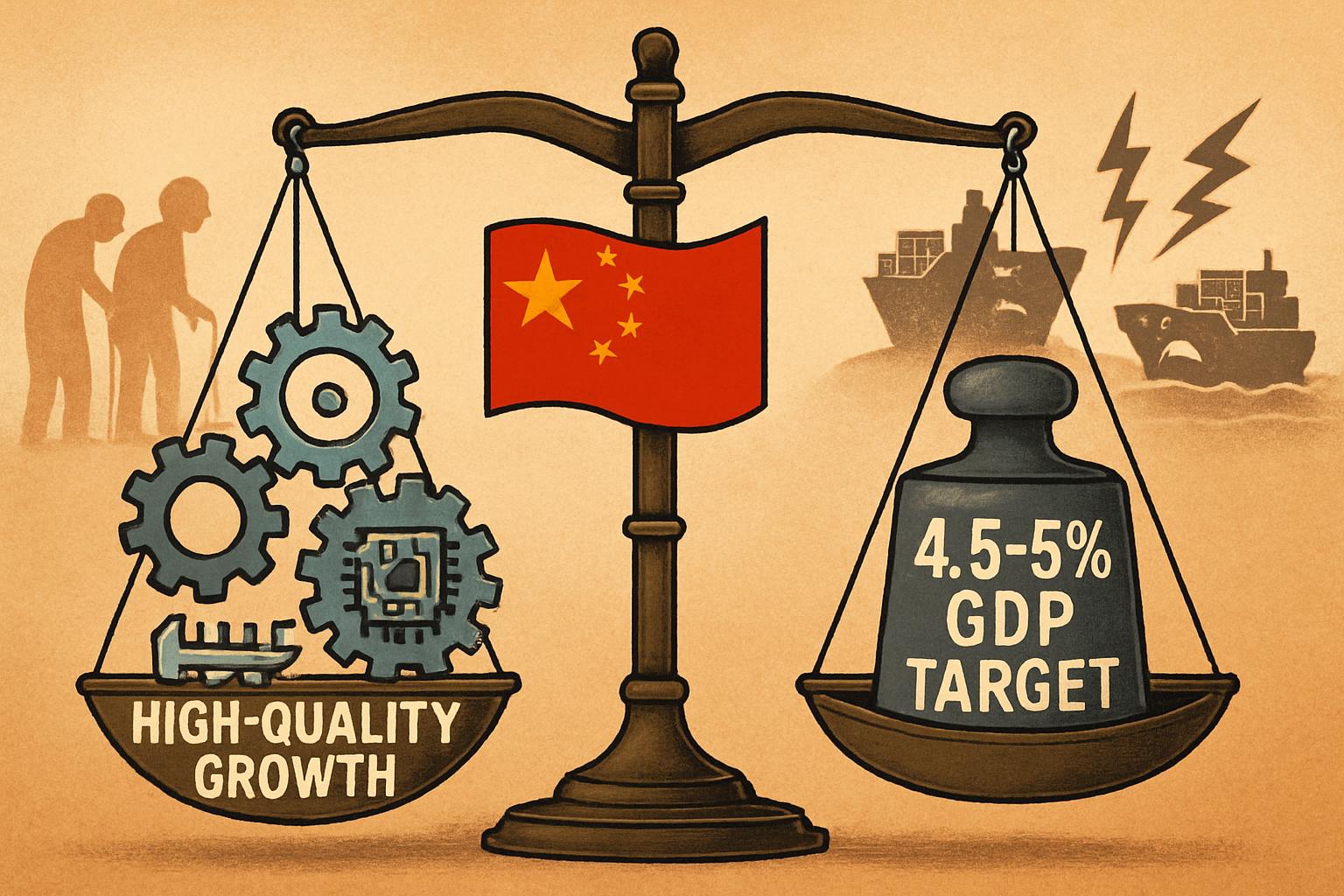
China Sets Lowest GDP Growth Target in Decades Amid Economic Challenges
Russian LNG Tanker Sinks in Mediterranean Amid Accusations of Ukrainian Drone Attack

UK Faces Dilemmas Amid Iran Conflict and China Spying Allegations
Myanmar's Controversial Elections Amidst Civil Unrest and International Criticism
In This Article
 Alex Carter| Published
 HIGHLIGHTS
- Myanmar's military junta is conducting elections amid widespread criticism and ongoing civil war, with major parties banned and leaders jailed.
- The election, supported by China, is seen as an attempt by the junta to legitimize its rule, despite international condemnation.
- Explosions and violence have marred the voting process, with reports of airstrikes and attacks in various regions.
- Aung San Suu Kyi's National League for Democracy is banned, and she remains detained since the 2021 coup.
- New laws impose severe penalties for disrupting the election, including the death penalty, with over 200 people charged.
Myanmar is currently holding elections under the shadow of its military junta, a move widely condemned as a ploy to entrench military power amidst ongoing civil conflict. The elections, which began on Sunday, are taking place nearly five years after the military seized control in a coup, leading to widespread opposition and a protracted civil war. The junta, backed by China, is seeking to legitimize its rule through these elections, despite significant international criticism.
Election Under Siege
The elections are marked by violence and unrest, with reports of explosions and airstrikes in several regions. In the Mandalay region, a rocket attack injured three people, one critically, while in Myawaddy, near the Thai border, a child was killed in a series of explosions. These incidents underscore the volatile environment in which the elections are being conducted.
Political Landscape and Voter Sentiment
The political landscape in Myanmar is starkly different from previous elections. The National League for Democracy, led by Aung San Suu Kyi, is banned from participating, and she remains detained since the 2021 coup. Campaigning has been subdued, lacking the vibrant rallies of past elections. Despite this, some voters expressed a sense of duty and hope. "Voting is the responsibility of every citizen," said first-time voter Ei Pyay Phyo Maung, 22, emphasizing her desire for economic relief for the lower classes.
Legal and International Reactions
The junta has enacted strict laws against election disruption, with over 200 people charged under these regulations, facing severe penalties, including the death penalty. The military insists the election is for the people of Myanmar, not the international community, despite condemnation from the UN and Western governments. Observers from China, Russia, India, and Vietnam have been invited to monitor the process.
WHAT THIS MIGHT MEAN
The outcome of Myanmar's elections is likely to have significant implications for the country's political future. If the junta succeeds in consolidating power, it could further entrench military rule, potentially escalating the civil conflict. Internationally, the elections may strain Myanmar's relations with Western nations, while strengthening ties with allies like China and Russia. Experts suggest that continued unrest and international pressure could eventually force the junta to negotiate with opposition groups, although this remains uncertain. The situation in Myanmar remains fluid, with the potential for both increased violence and diplomatic efforts to resolve the ongoing crisis.
Images from the Web
Related Articles
US Supreme Court Ruling Sparks Trade Uncertainty in Asia and Beyond
Trump's New Tariff Strategy Sparks Global Trade Uncertainty
Russia-Ukraine Conflict: Four Years of Unyielding Struggle and Human Resilience
China Sets Lowest GDP Growth Target in Decades Amid Economic Challenges
Russian LNG Tanker Sinks in Mediterranean Amid Accusations of Ukrainian Drone Attack
UK Faces Dilemmas Amid Iran Conflict and China Spying Allegations