
Thailand's Pivotal Election: Reformists Challenge Conservative Stronghold
In This Article
HIGHLIGHTS
- Thailand's election sees the People's Party, led by Natthaphong Ruengpanyawut, vying for power amid legal challenges and opposition from conservative forces.
- The People's Party, formerly Move Forward, aims for structural reforms but faces potential barriers from the constitutional court and military establishment.
- Prime Minister Anutin Charnvirakul's Bhumjaithai Party, a royalist faction, remains a strong contender, leveraging nationalism and populist policies.
- The election occurs against a backdrop of economic struggles and political instability, with three prime ministers in as many years.
- Unofficial election results are expected by 23:00 local time, with coalition negotiations likely as no party is expected to secure a majority.
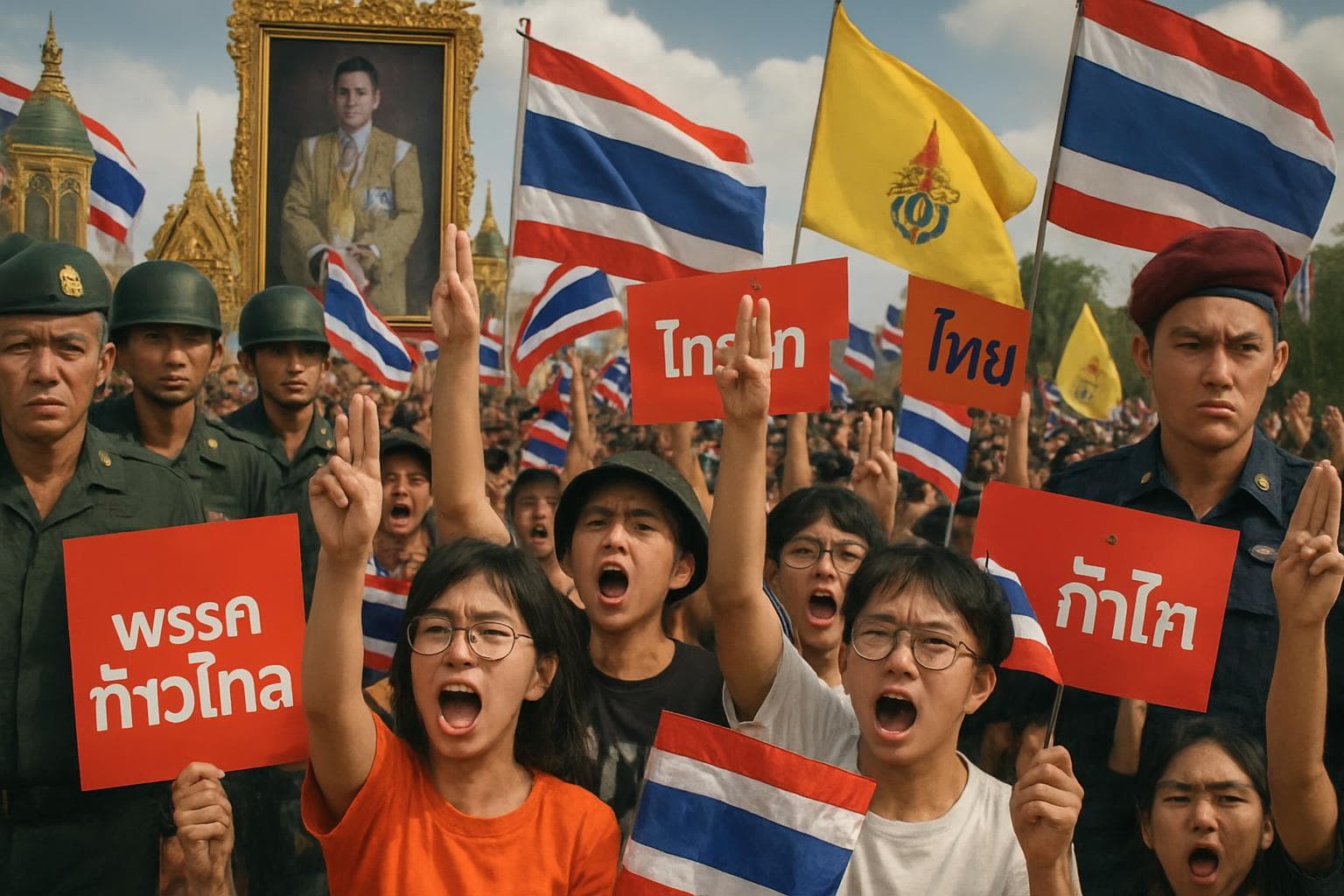
Thailand's political landscape is poised for potential transformation as voters head to the polls in a critical election. The People's Party, a pro-democracy faction led by 38-year-old Natthaphong Ruengpanyawut, is at the forefront, advocating for sweeping political and economic reforms. However, the party faces significant hurdles, including legal challenges and resistance from the entrenched military and royalist establishment.
Reformist Agenda Faces Legal and Political Barriers
The People's Party, which emerged from the dissolved Move Forward party, has captured the imagination of younger voters with promises of change. Despite leading in opinion polls, the party's path to power is fraught with obstacles. The constitutional court, known for its frequent interventions in Thai politics, previously dissolved Move Forward, citing its reform agenda as unconstitutional. The People's Party has since adjusted its platform, dropping plans to amend the controversial lese majeste law, which penalizes criticism of the monarchy with severe sentences.
Conservative Forces and Nationalism
Prime Minister Anutin Charnvirakul's Bhumjaithai Party, a staunch royalist group, remains a formidable opponent. Anutin, who has capitalized on nationalist sentiments amid tensions with Cambodia, hopes to retain power through coalition-building. "We've done everything we could, but we can't force the hearts of the public," Anutin remarked, emphasizing the unpredictability of the election outcome.
Economic and Political Instability
Thailand's election unfolds amid economic challenges and political instability, with the nation experiencing three prime ministers in as many years. The constitutional court's role in ousting leaders and banning parties has contributed to a climate of uncertainty. Voters like Konwikhan Pongpaiboon express a desire for change, citing corruption and stagnation as barriers to progress. "I want to see change in the country," she stated, reflecting a widespread sentiment among the electorate.
Anticipated Election Results
As polls close, the Election Commission anticipates unofficial results by 23:00 local time. With no party expected to secure an outright majority, coalition negotiations are likely to shape Thailand's next government. The People's Party's performance will be closely watched, as exceeding its previous seat count could challenge the status quo.
WHAT THIS MIGHT MEAN
The outcome of Thailand's election could significantly impact the nation's political trajectory. Should the People's Party secure a substantial number of seats, it may embolden reformist efforts, potentially leading to clashes with conservative institutions like the constitutional court. Conversely, a strong showing by the Bhumjaithai Party could reinforce royalist and nationalist policies, maintaining the status quo.
Experts suggest that regardless of the election results, Thailand's political landscape will remain volatile, with coalition dynamics playing a crucial role in governance. The ongoing economic struggles may also pressure the new government to prioritize stability and growth, potentially influencing policy decisions. As Thailand navigates these challenges, the international community will be watching closely, given the country's strategic significance in Southeast Asia.
Related Articles
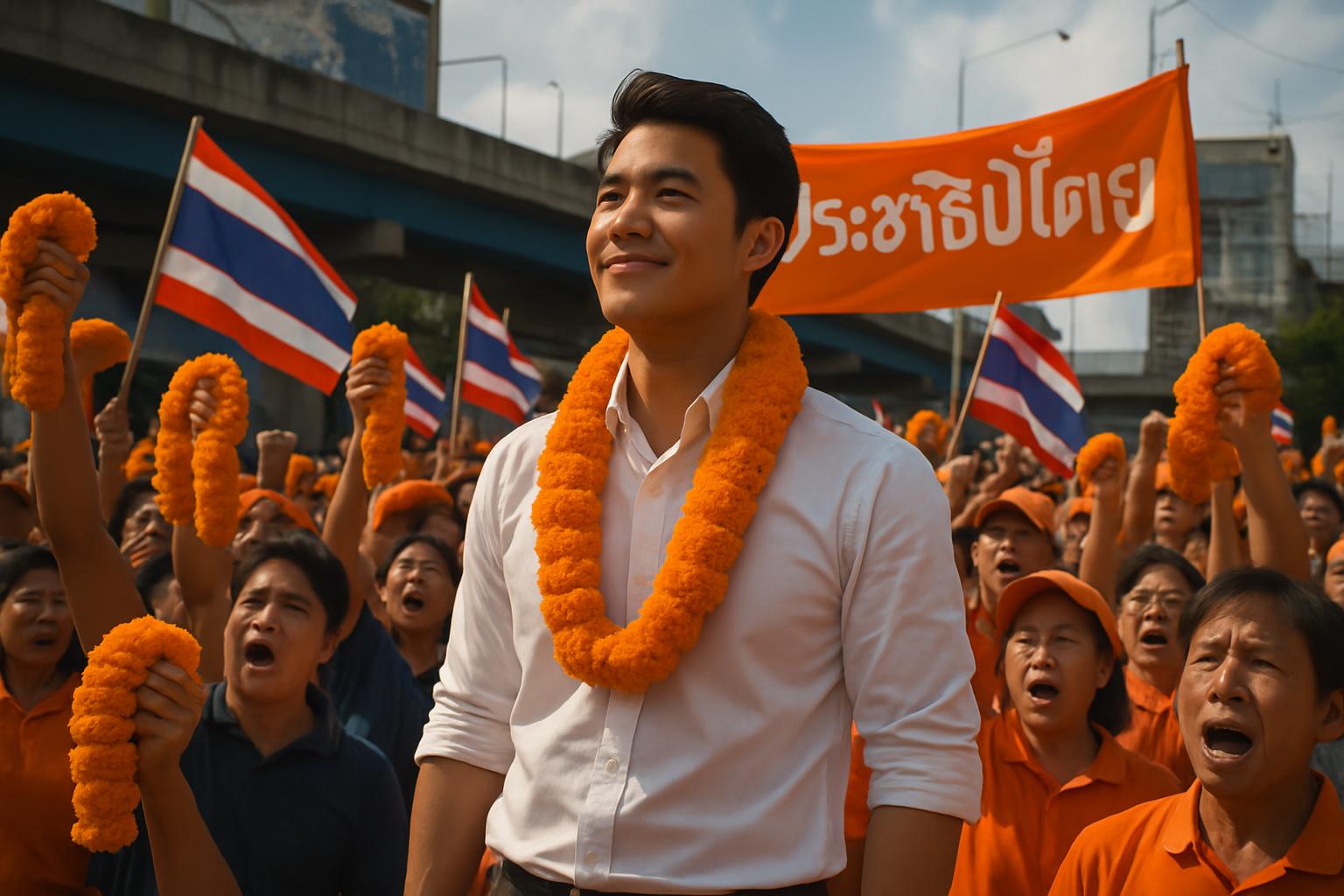
Thailand's People's Party Leads Polls Amid Political Challenges
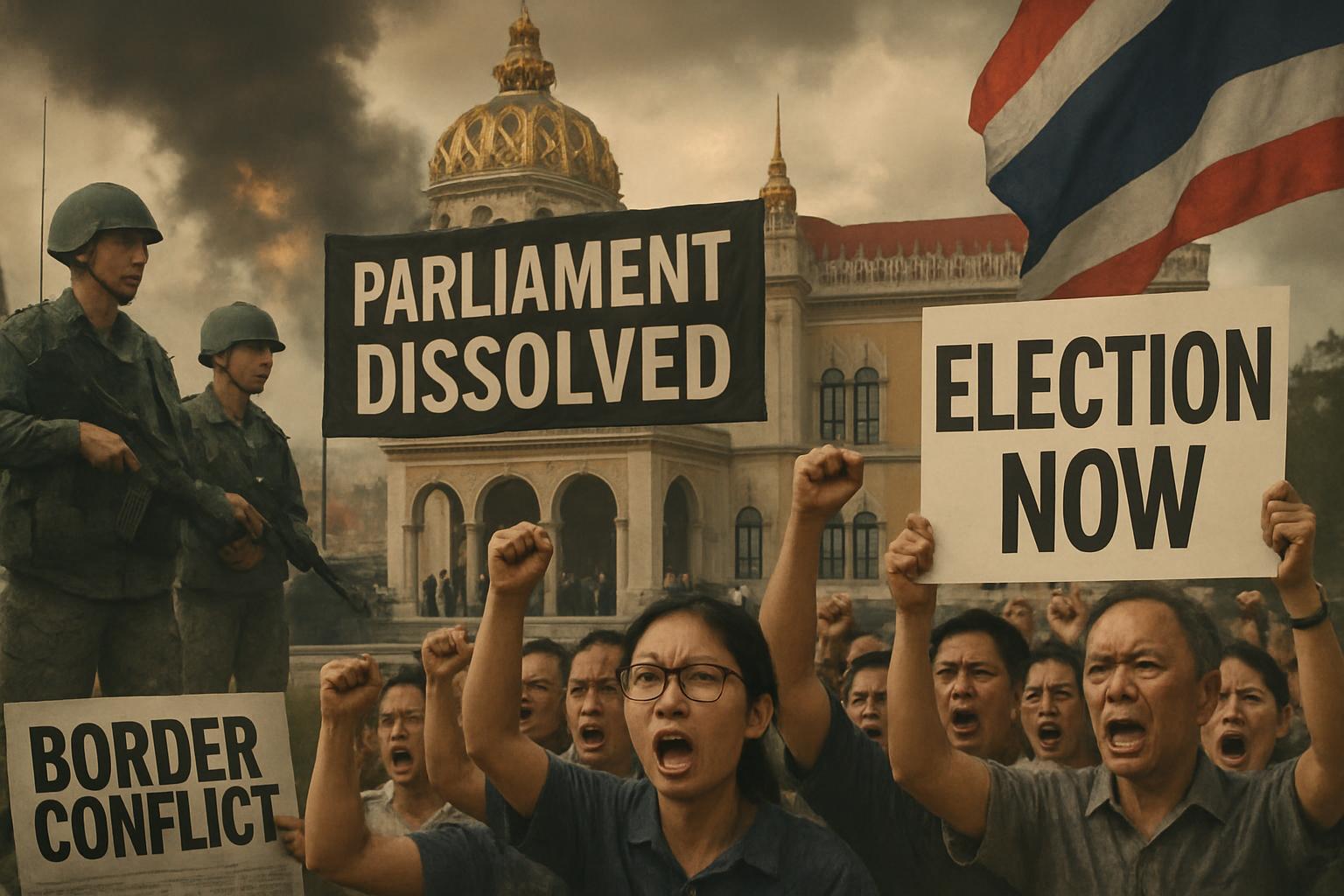
Thailand's Political Landscape Shifts as Parliament Dissolved Amid Border Tensions
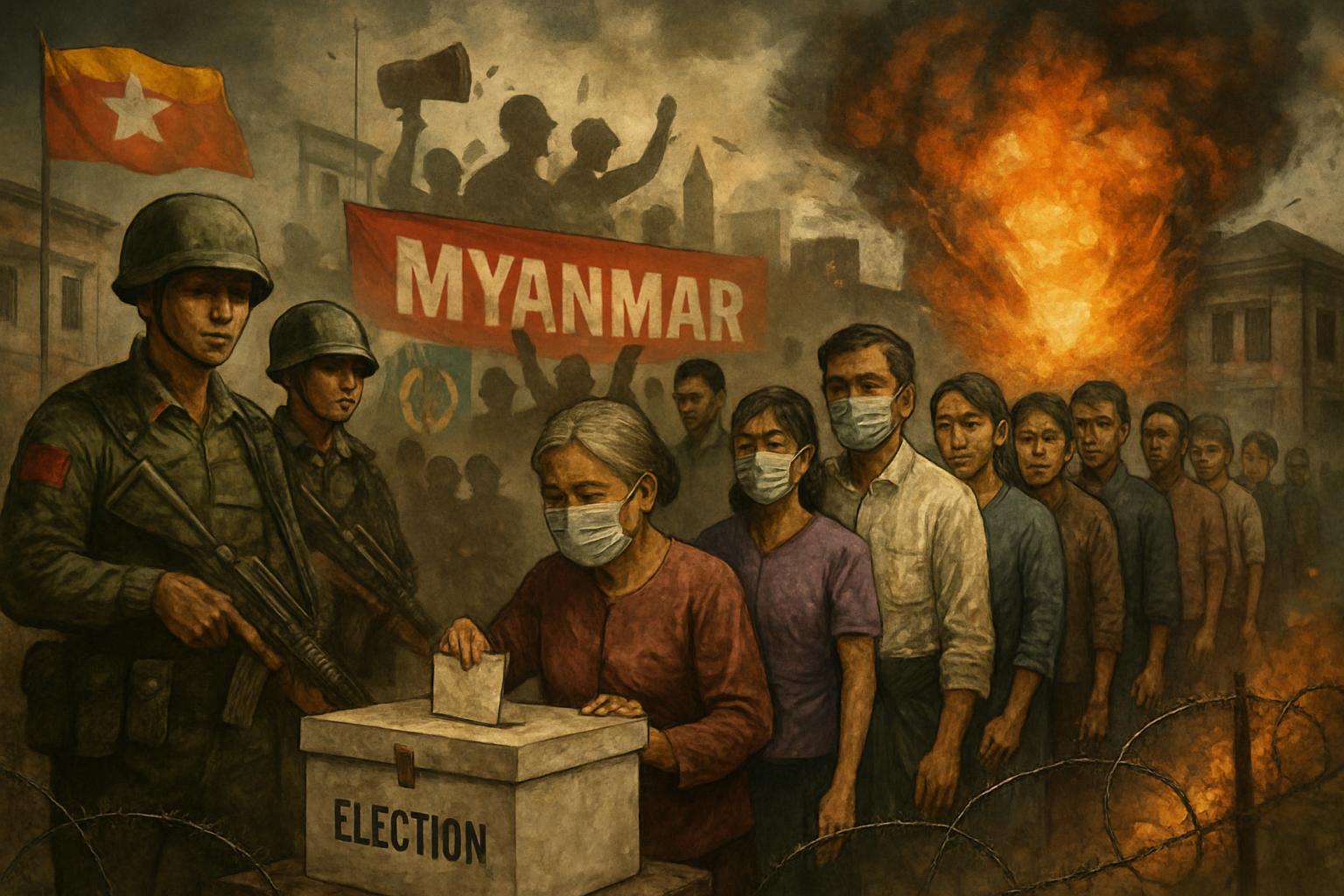
Myanmar's Controversial Elections Amidst Civil Unrest and International Criticism
Escalating Tensions: Thailand and Cambodia Clash Despite Ceasefire Claims
Thailand and Cambodia Agree to Ceasefire Amidst Escalating Border Conflict
Escalating Tensions: Thailand Strikes Cambodia Amid Ceasefire Negotiations
Thailand's Pivotal Election: Reformists Challenge Conservative Stronghold
In This Article
 Alex Carter| Published
 HIGHLIGHTS
- Thailand's election sees the People's Party, led by Natthaphong Ruengpanyawut, vying for power amid legal challenges and opposition from conservative forces.
- The People's Party, formerly Move Forward, aims for structural reforms but faces potential barriers from the constitutional court and military establishment.
- Prime Minister Anutin Charnvirakul's Bhumjaithai Party, a royalist faction, remains a strong contender, leveraging nationalism and populist policies.
- The election occurs against a backdrop of economic struggles and political instability, with three prime ministers in as many years.
- Unofficial election results are expected by 23:00 local time, with coalition negotiations likely as no party is expected to secure a majority.
Thailand's political landscape is poised for potential transformation as voters head to the polls in a critical election. The People's Party, a pro-democracy faction led by 38-year-old Natthaphong Ruengpanyawut, is at the forefront, advocating for sweeping political and economic reforms. However, the party faces significant hurdles, including legal challenges and resistance from the entrenched military and royalist establishment.
Reformist Agenda Faces Legal and Political Barriers
The People's Party, which emerged from the dissolved Move Forward party, has captured the imagination of younger voters with promises of change. Despite leading in opinion polls, the party's path to power is fraught with obstacles. The constitutional court, known for its frequent interventions in Thai politics, previously dissolved Move Forward, citing its reform agenda as unconstitutional. The People's Party has since adjusted its platform, dropping plans to amend the controversial lese majeste law, which penalizes criticism of the monarchy with severe sentences.
Conservative Forces and Nationalism
Prime Minister Anutin Charnvirakul's Bhumjaithai Party, a staunch royalist group, remains a formidable opponent. Anutin, who has capitalized on nationalist sentiments amid tensions with Cambodia, hopes to retain power through coalition-building. "We've done everything we could, but we can't force the hearts of the public," Anutin remarked, emphasizing the unpredictability of the election outcome.
Economic and Political Instability
Thailand's election unfolds amid economic challenges and political instability, with the nation experiencing three prime ministers in as many years. The constitutional court's role in ousting leaders and banning parties has contributed to a climate of uncertainty. Voters like Konwikhan Pongpaiboon express a desire for change, citing corruption and stagnation as barriers to progress. "I want to see change in the country," she stated, reflecting a widespread sentiment among the electorate.
Anticipated Election Results
As polls close, the Election Commission anticipates unofficial results by 23:00 local time. With no party expected to secure an outright majority, coalition negotiations are likely to shape Thailand's next government. The People's Party's performance will be closely watched, as exceeding its previous seat count could challenge the status quo.
WHAT THIS MIGHT MEAN
The outcome of Thailand's election could significantly impact the nation's political trajectory. Should the People's Party secure a substantial number of seats, it may embolden reformist efforts, potentially leading to clashes with conservative institutions like the constitutional court. Conversely, a strong showing by the Bhumjaithai Party could reinforce royalist and nationalist policies, maintaining the status quo.
Experts suggest that regardless of the election results, Thailand's political landscape will remain volatile, with coalition dynamics playing a crucial role in governance. The ongoing economic struggles may also pressure the new government to prioritize stability and growth, potentially influencing policy decisions. As Thailand navigates these challenges, the international community will be watching closely, given the country's strategic significance in Southeast Asia.
Related Articles
Thailand's People's Party Leads Polls Amid Political Challenges
Thailand's Political Landscape Shifts as Parliament Dissolved Amid Border Tensions
Myanmar's Controversial Elections Amidst Civil Unrest and International Criticism
Escalating Tensions: Thailand and Cambodia Clash Despite Ceasefire Claims
Thailand and Cambodia Agree to Ceasefire Amidst Escalating Border Conflict
Escalating Tensions: Thailand Strikes Cambodia Amid Ceasefire Negotiations