
Thailand and Cambodia Agree to Ceasefire Amidst Escalating Border Conflict

In This Article
HIGHLIGHTS
- Thailand and Cambodia have agreed to an immediate ceasefire after weeks of intense border clashes, effective from noon local time on Saturday.
- The conflict has resulted in over 100 deaths and displaced more than half a million people, with both sides blaming each other for the escalation.
- The ceasefire agreement includes a freeze on troop movements and a commitment to halt attacks on civilians and military objectives.
- The release of 18 Cambodian soldiers held by Thailand is contingent on the ceasefire holding for 72 hours.
- The agreement follows diplomatic interventions, including efforts by Malaysia and US President Donald Trump, under the Kuala Lumpur Peace Accords.
Thailand and Cambodia have reached an agreement to implement an immediate ceasefire following weeks of deadly border clashes that have claimed over 100 lives and displaced hundreds of thousands. The ceasefire, which took effect at noon local time on Saturday, aims to halt the violence that has plagued the region and restore stability along the disputed border.
Ceasefire Terms and Conditions
In a joint statement, the defense ministers of both nations outlined the terms of the ceasefire, which include freezing troop movements and ceasing all forms of military aggression, including attacks on civilians and infrastructure. The agreement also stipulates that any reinforcement of troops would exacerbate tensions and hinder long-term resolution efforts. The release of 18 Cambodian soldiers held by Thailand is contingent upon the ceasefire holding for 72 hours.
Historical Context and Recent Escalations
The border dispute between Thailand and Cambodia has deep historical roots, with tensions flaring up periodically over the years. The latest round of violence began in early December, despite a previous ceasefire brokered by Malaysia and supported by US President Donald Trump under the Kuala Lumpur Peace Accords. The conflict has seen exchanges of artillery fire, airstrikes, and significant civilian casualties on both sides.
Diplomatic Efforts and Future Cooperation
The ceasefire agreement, signed by Thai Defense Minister Natthaphon Narkphanit and his Cambodian counterpart Tea Seiha, also includes commitments to cooperate on demining efforts and combat cybercrime. Both countries have expressed a desire to maintain current troop deployments without further movement, aiming to de-escalate the situation and work towards a peaceful resolution.
WHAT THIS MIGHT MEAN
The ceasefire between Thailand and Cambodia marks a critical step towards resolving the ongoing border conflict. However, the situation remains fragile, with both sides needing to adhere strictly to the terms of the agreement to prevent further escalation. Diplomatic efforts, particularly those involving regional and international stakeholders, will be crucial in maintaining peace and addressing the underlying territorial disputes.
Should the ceasefire hold, it could pave the way for more comprehensive negotiations aimed at a long-term solution. However, any breach of the agreement could lead to renewed hostilities, further complicating the geopolitical landscape in Southeast Asia. Experts suggest that sustained international mediation and confidence-building measures will be essential in achieving lasting peace in the region.
Images from the Web
Related Articles
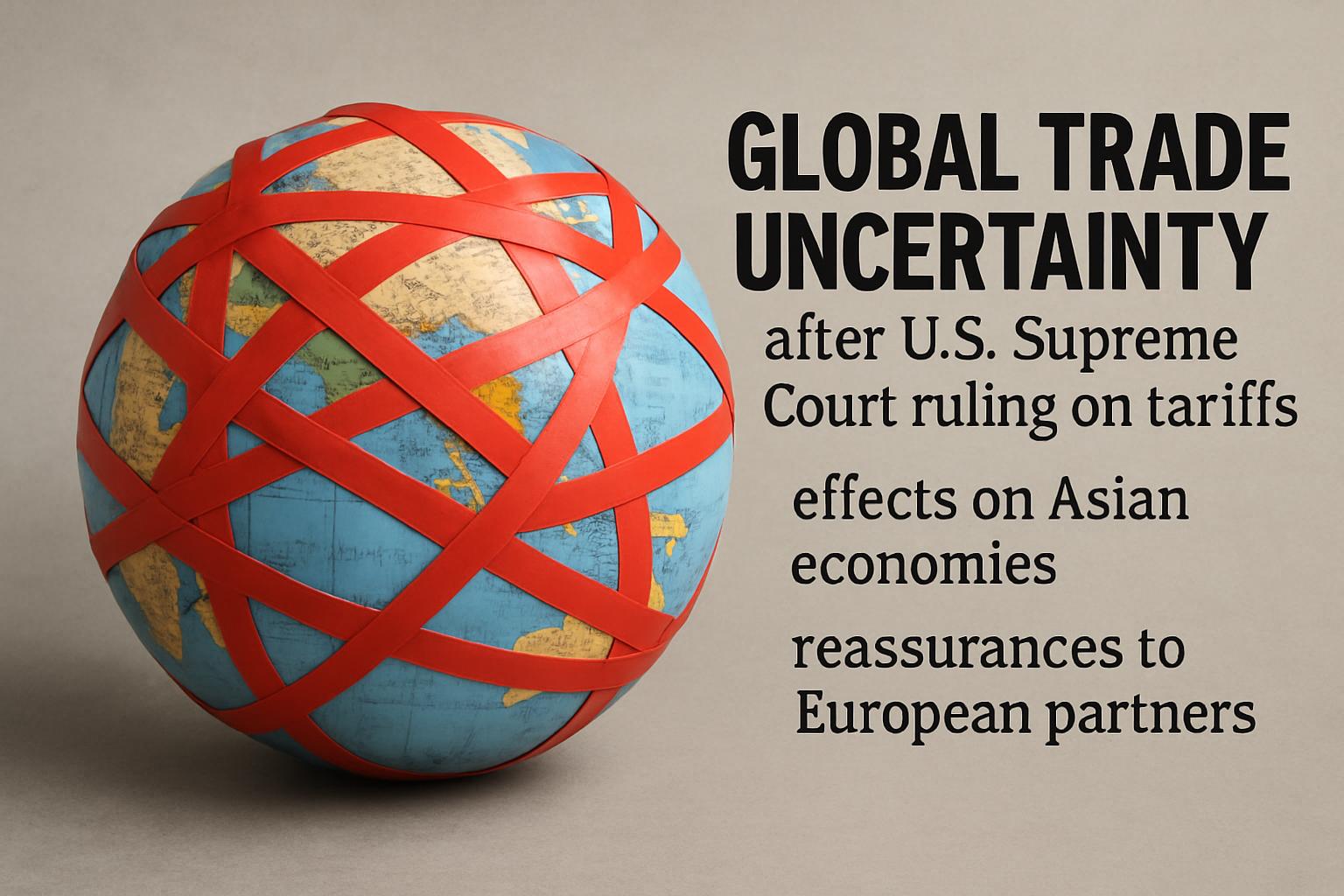
US Supreme Court Ruling Sparks Trade Uncertainty in Asia and Beyond

Tech Giants Pledge to Cover AI Data Center Energy Costs Amid Rising Electricity Concerns

Congress Subpoenas Attorney General Bondi in Epstein Investigation
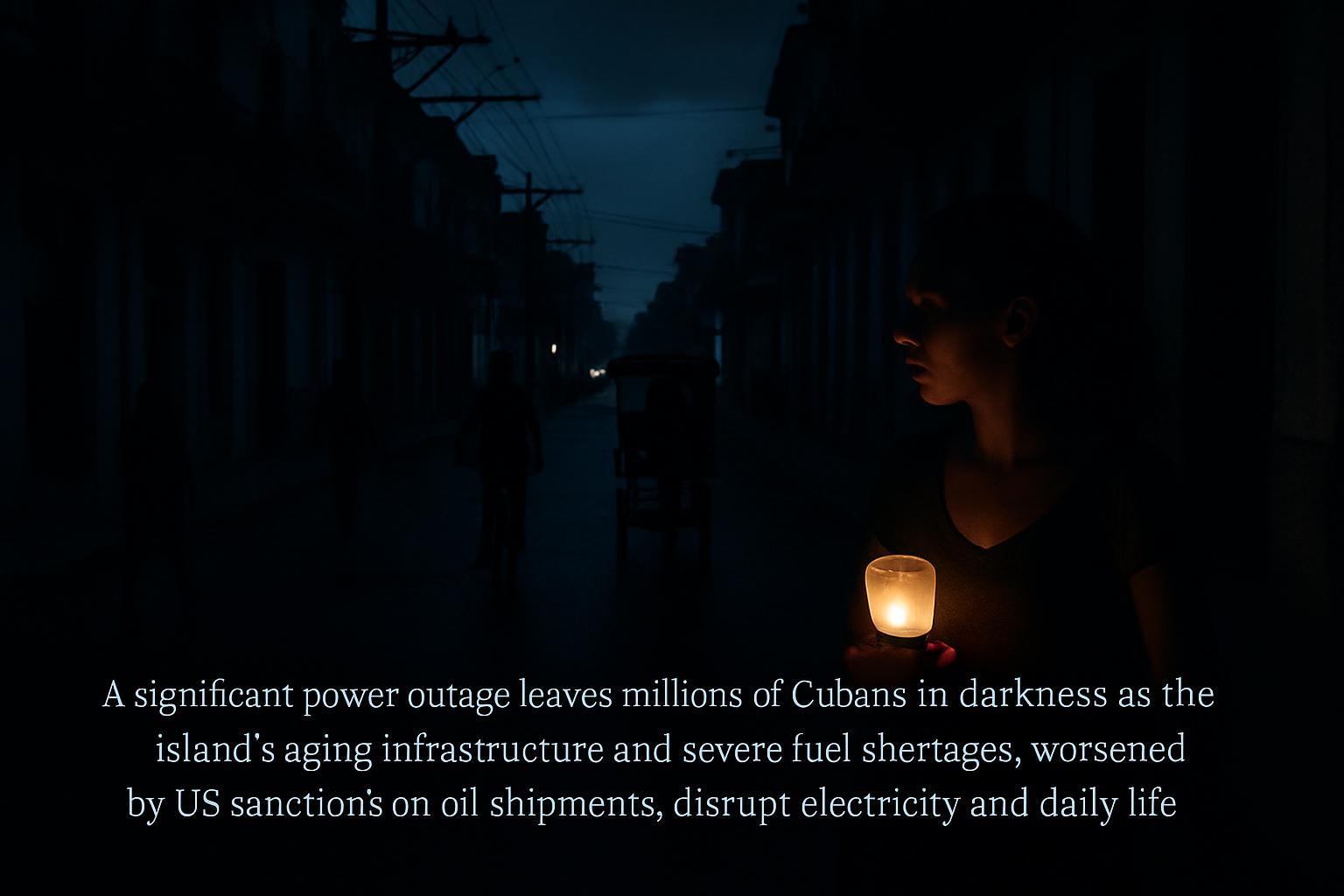
Cuba Faces Widespread Blackout Amid Deepening Fuel Crisis

UK Faces Dilemmas Amid Iran Conflict and China Spying Allegations
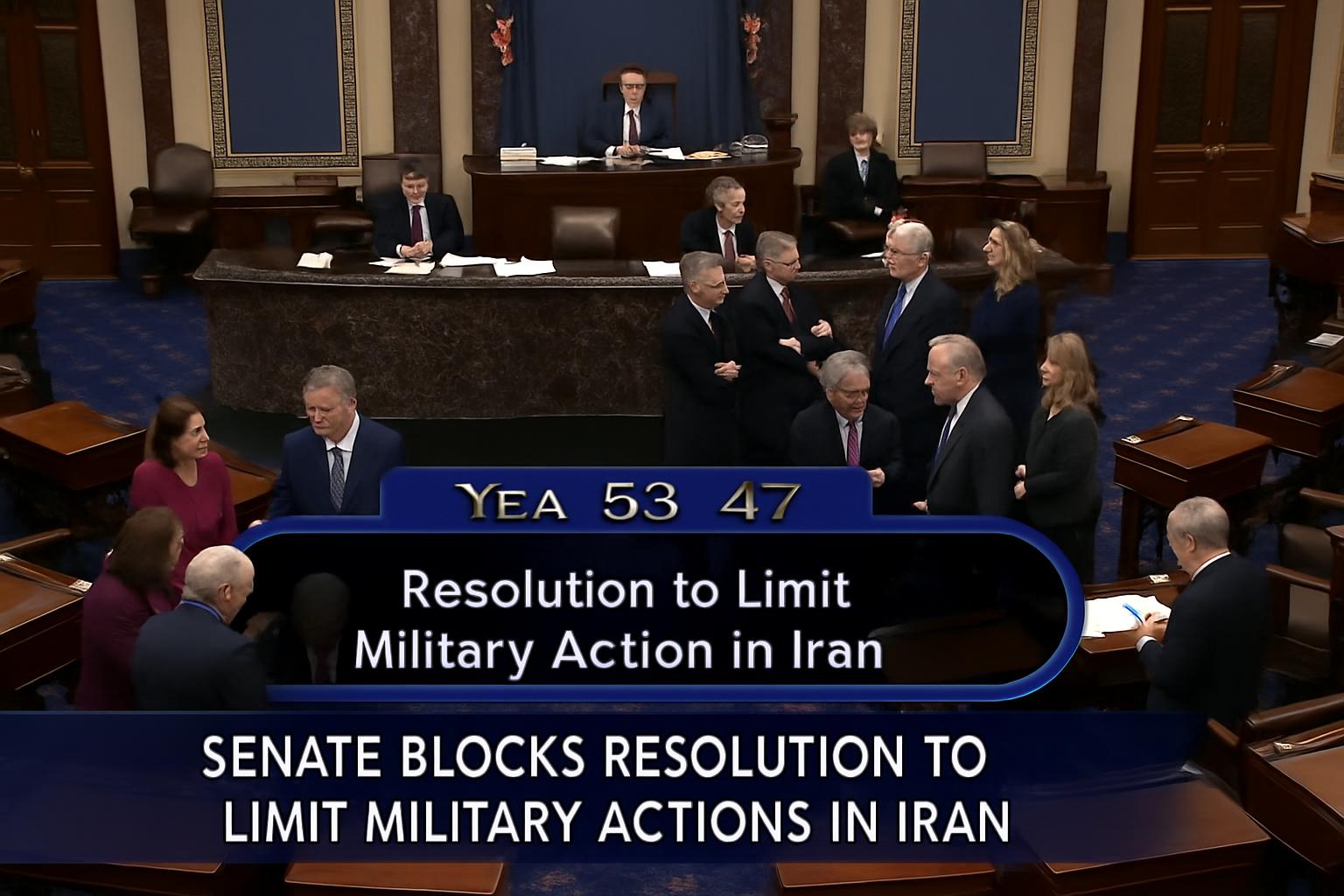
Senate Blocks Resolution to Limit Trump's Military Actions in Iran
Thailand and Cambodia Agree to Ceasefire Amidst Escalating Border Conflict
In This Article
HIGHLIGHTS
- Thailand and Cambodia have agreed to an immediate ceasefire after weeks of intense border clashes, effective from noon local time on Saturday.
- The conflict has resulted in over 100 deaths and displaced more than half a million people, with both sides blaming each other for the escalation.
- The ceasefire agreement includes a freeze on troop movements and a commitment to halt attacks on civilians and military objectives.
- The release of 18 Cambodian soldiers held by Thailand is contingent on the ceasefire holding for 72 hours.
- The agreement follows diplomatic interventions, including efforts by Malaysia and US President Donald Trump, under the Kuala Lumpur Peace Accords.
Thailand and Cambodia have reached an agreement to implement an immediate ceasefire following weeks of deadly border clashes that have claimed over 100 lives and displaced hundreds of thousands. The ceasefire, which took effect at noon local time on Saturday, aims to halt the violence that has plagued the region and restore stability along the disputed border.
Ceasefire Terms and Conditions
In a joint statement, the defense ministers of both nations outlined the terms of the ceasefire, which include freezing troop movements and ceasing all forms of military aggression, including attacks on civilians and infrastructure. The agreement also stipulates that any reinforcement of troops would exacerbate tensions and hinder long-term resolution efforts. The release of 18 Cambodian soldiers held by Thailand is contingent upon the ceasefire holding for 72 hours.
Historical Context and Recent Escalations
The border dispute between Thailand and Cambodia has deep historical roots, with tensions flaring up periodically over the years. The latest round of violence began in early December, despite a previous ceasefire brokered by Malaysia and supported by US President Donald Trump under the Kuala Lumpur Peace Accords. The conflict has seen exchanges of artillery fire, airstrikes, and significant civilian casualties on both sides.
Diplomatic Efforts and Future Cooperation
The ceasefire agreement, signed by Thai Defense Minister Natthaphon Narkphanit and his Cambodian counterpart Tea Seiha, also includes commitments to cooperate on demining efforts and combat cybercrime. Both countries have expressed a desire to maintain current troop deployments without further movement, aiming to de-escalate the situation and work towards a peaceful resolution.
WHAT THIS MIGHT MEAN
The ceasefire between Thailand and Cambodia marks a critical step towards resolving the ongoing border conflict. However, the situation remains fragile, with both sides needing to adhere strictly to the terms of the agreement to prevent further escalation. Diplomatic efforts, particularly those involving regional and international stakeholders, will be crucial in maintaining peace and addressing the underlying territorial disputes.
Should the ceasefire hold, it could pave the way for more comprehensive negotiations aimed at a long-term solution. However, any breach of the agreement could lead to renewed hostilities, further complicating the geopolitical landscape in Southeast Asia. Experts suggest that sustained international mediation and confidence-building measures will be essential in achieving lasting peace in the region.
Images from the Web
Related Articles
US Supreme Court Ruling Sparks Trade Uncertainty in Asia and Beyond
Tech Giants Pledge to Cover AI Data Center Energy Costs Amid Rising Electricity Concerns
Congress Subpoenas Attorney General Bondi in Epstein Investigation
Cuba Faces Widespread Blackout Amid Deepening Fuel Crisis
UK Faces Dilemmas Amid Iran Conflict and China Spying Allegations
Senate Blocks Resolution to Limit Trump's Military Actions in Iran