
Sri Lanka Grapples with Cyclone Ditwah's Devastation Amidst Rising Volunteerism

In This Article
HIGHLIGHTS
- Cyclone Ditwah has caused catastrophic flooding and landslides in Sri Lanka, affecting over 1.1 million people and resulting in more than 460 deaths.
- President Anura Kumara Dissanayake declared a state of emergency, describing the cyclone as the "most challenging natural disaster" in the nation's history.
- Volunteer efforts have surged, with community kitchens and online platforms coordinating aid and donations for affected areas.
- Criticism has emerged over the government's handling of the disaster, with opposition politicians accusing authorities of ignoring weather warnings.
- The military has been deployed to assist in rescue operations, while international aid is being provided to support recovery efforts.
Sri Lanka is reeling from the devastating impact of Cyclone Ditwah, which has unleashed catastrophic floods and landslides across the island nation. The cyclone, described by President Anura Kumara Dissanayake as the "most challenging natural disaster" in Sri Lanka's history, has claimed over 460 lives and affected more than 1.1 million people. The government has declared a state of emergency as rescue and relief efforts continue.
A Nation in Crisis
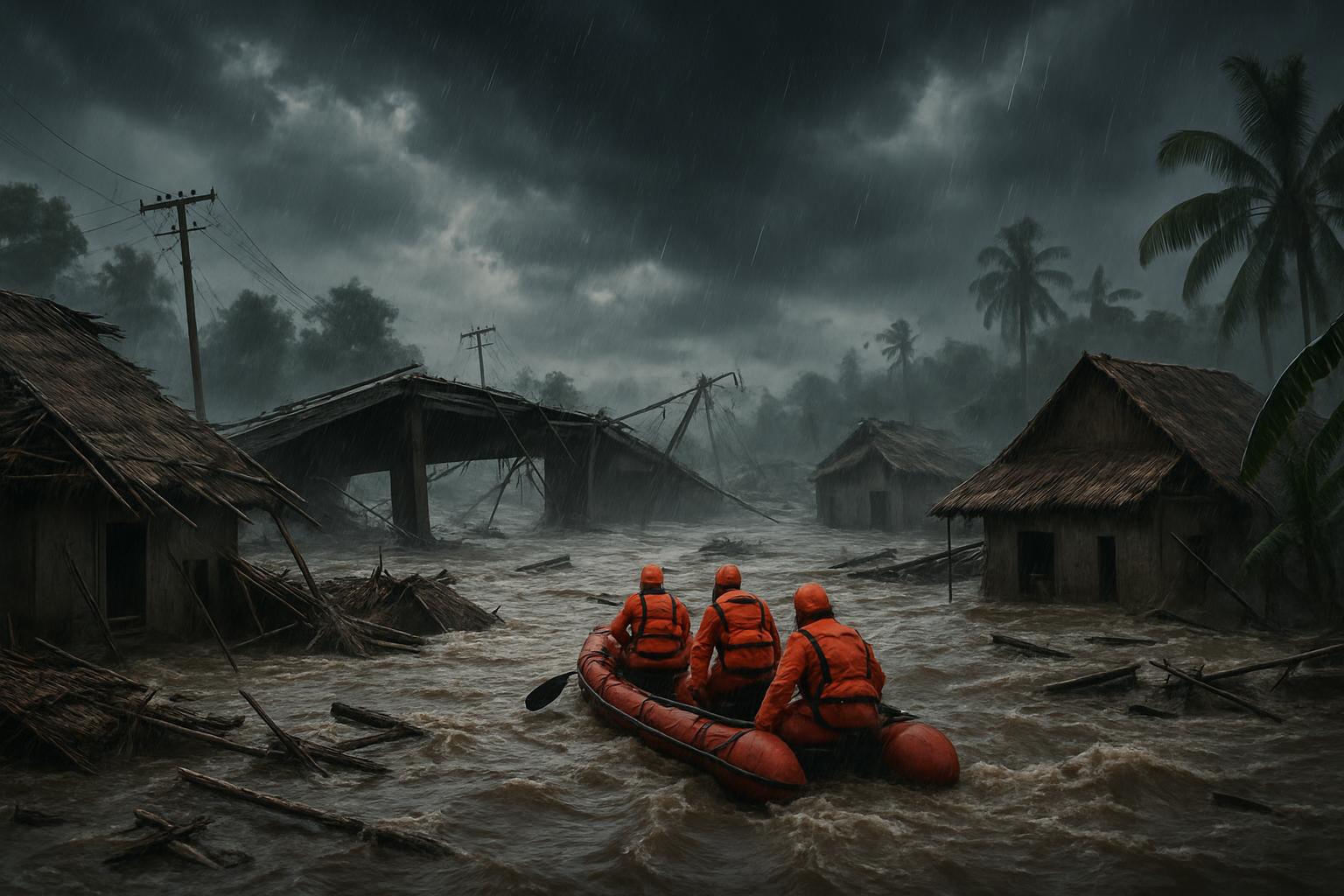
The cyclone struck with unprecedented force, leaving a trail of destruction in its wake. In the central region of Badulla, Layani Rasika Niroshani recounted the harrowing experience of her family home being engulfed by a landslide. "We have to rebuild from scratch," she said, echoing the sentiments of many who have lost everything. The Disaster Management Centre reports that thousands of homes have been damaged or destroyed, with entire villages submerged under water.
Volunteer Spirit Awakens
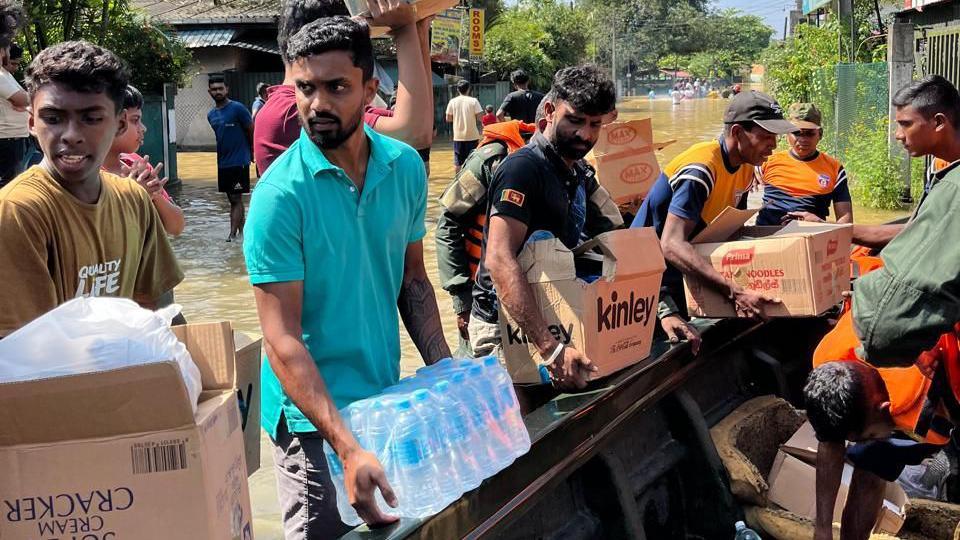
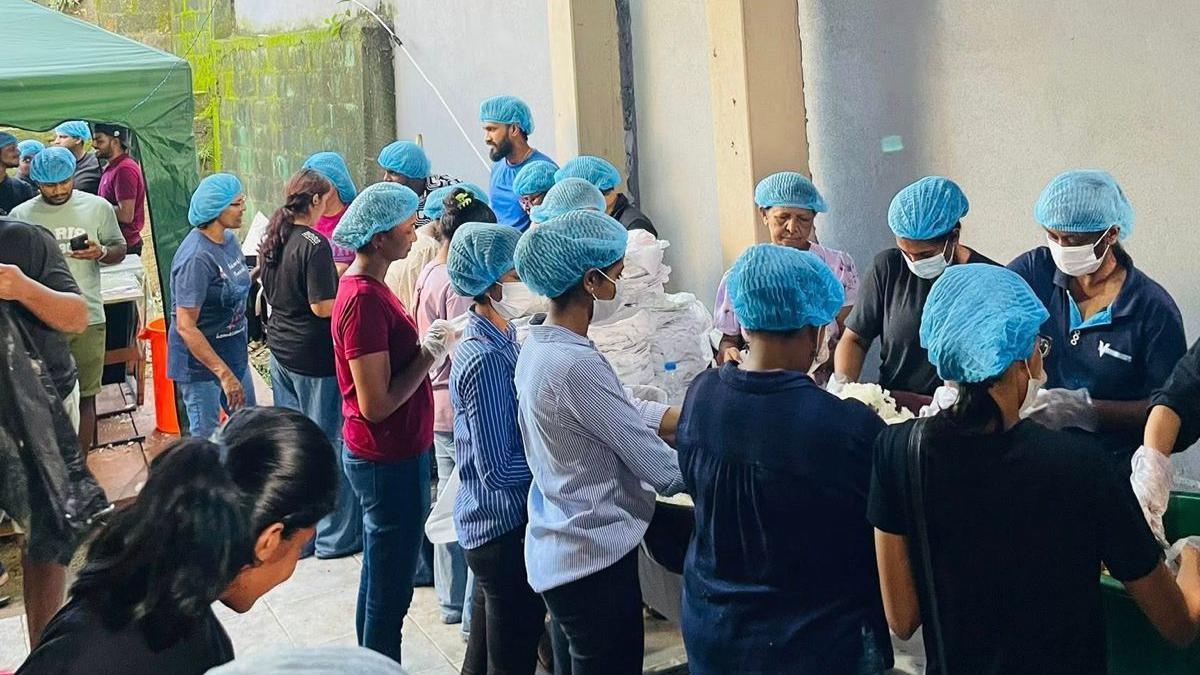
Amidst the devastation, a remarkable spirit of volunteerism has emerged. Sri Lankan actor and musician GK Reginold has been navigating floodwaters to deliver food and water to isolated families. "The main reason why I wanted to do this is to at least help them to have one meal," he shared. Social media activist Sasindu Sahan Tharaka has helped organize community kitchens, reminiscent of the activism seen during the 2022 protests against former President Gotabaya Rajapaksa. Online platforms have been instrumental in coordinating donations and directing volunteers to relief camps.
Government Response and Criticism
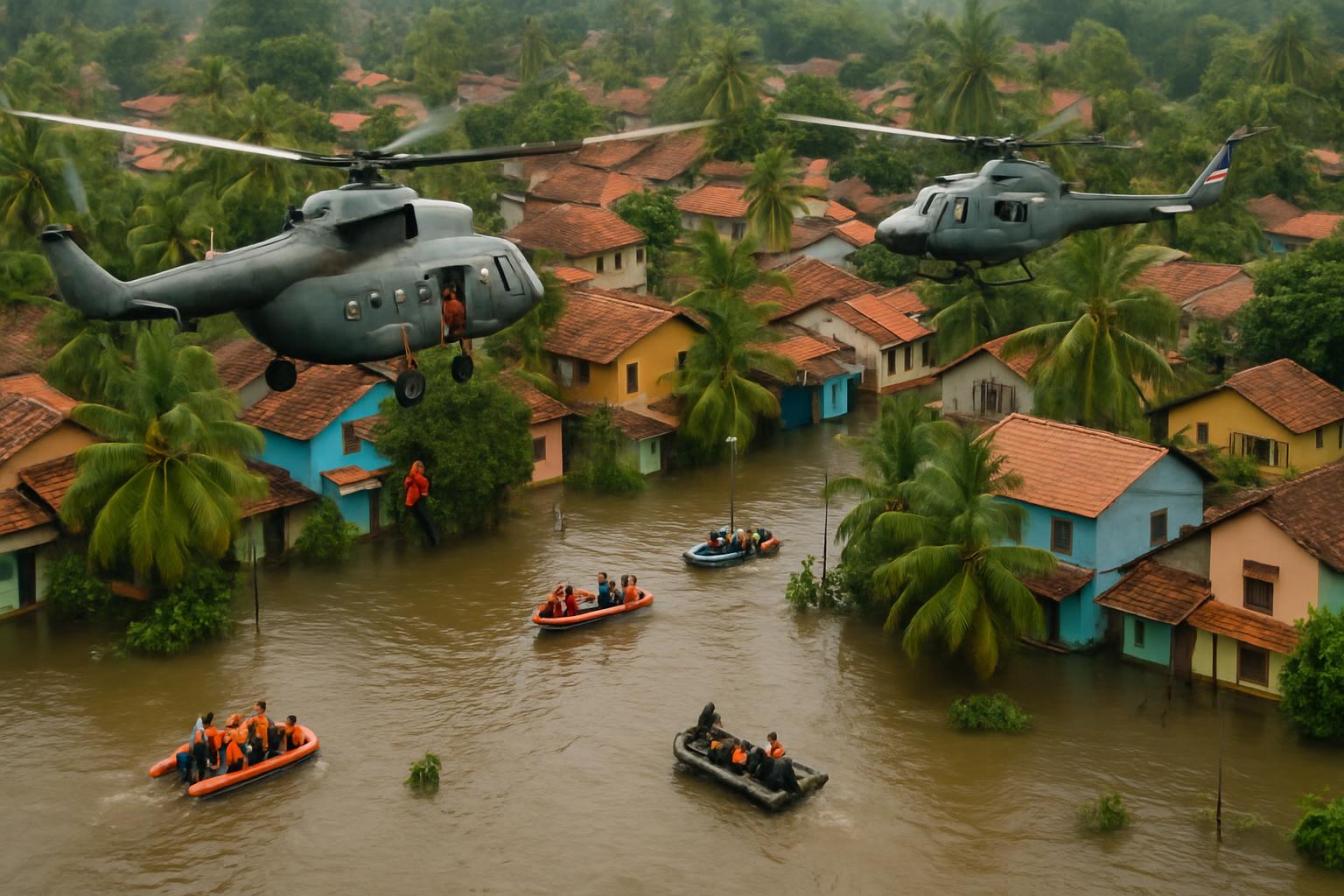
The Sri Lankan military has been deployed to assist overwhelmed emergency services, with helicopters delivering essential supplies to the worst-hit areas. However, the government's response has faced criticism. Opposition politicians have accused authorities of ignoring weather warnings, exacerbating the disaster's impact. On Monday, opposition lawmakers staged a walkout in parliament, highlighting the growing political tensions.
WHAT THIS MIGHT MEAN
As Sri Lanka embarks on the long road to recovery, the focus will be on rebuilding infrastructure and providing support to displaced families. The surge in volunteer efforts and international aid offers hope, but the government will need to address criticisms of its disaster preparedness to restore public confidence. Experts suggest that improving early warning systems and investing in resilient infrastructure could mitigate the impact of future natural disasters. The political implications of the cyclone's aftermath may also influence upcoming elections, as public scrutiny of the government's handling of the crisis intensifies.
Images from the Web
Related Articles
Cyclones Wreak Havoc in Sri Lanka and Indonesia, Prompting Massive Rescue Efforts
Devastating Floods in South East Asia Claim Over 350 Lives
Devastating Floods in Southeast Asia Claim Over 1,100 Lives

UK Faces Dilemmas Amid Iran Conflict and China Spying Allegations
Iran Postpones Khamenei Funeral Amid Escalating US-Israeli Strikes
UK Court Confirms Unlawful Detention of Migrants on Diego Garcia
Sri Lanka Grapples with Cyclone Ditwah's Devastation Amidst Rising Volunteerism
In This Article
 Leila Hassan| Published
 HIGHLIGHTS
- Cyclone Ditwah has caused catastrophic flooding and landslides in Sri Lanka, affecting over 1.1 million people and resulting in more than 460 deaths.
- President Anura Kumara Dissanayake declared a state of emergency, describing the cyclone as the "most challenging natural disaster" in the nation's history.
- Volunteer efforts have surged, with community kitchens and online platforms coordinating aid and donations for affected areas.
- Criticism has emerged over the government's handling of the disaster, with opposition politicians accusing authorities of ignoring weather warnings.
- The military has been deployed to assist in rescue operations, while international aid is being provided to support recovery efforts.
Sri Lanka is reeling from the devastating impact of Cyclone Ditwah, which has unleashed catastrophic floods and landslides across the island nation. The cyclone, described by President Anura Kumara Dissanayake as the "most challenging natural disaster" in Sri Lanka's history, has claimed over 460 lives and affected more than 1.1 million people. The government has declared a state of emergency as rescue and relief efforts continue.
A Nation in Crisis
The cyclone struck with unprecedented force, leaving a trail of destruction in its wake. In the central region of Badulla, Layani Rasika Niroshani recounted the harrowing experience of her family home being engulfed by a landslide. "We have to rebuild from scratch," she said, echoing the sentiments of many who have lost everything. The Disaster Management Centre reports that thousands of homes have been damaged or destroyed, with entire villages submerged under water.
Volunteer Spirit Awakens
Amidst the devastation, a remarkable spirit of volunteerism has emerged. Sri Lankan actor and musician GK Reginold has been navigating floodwaters to deliver food and water to isolated families. "The main reason why I wanted to do this is to at least help them to have one meal," he shared. Social media activist Sasindu Sahan Tharaka has helped organize community kitchens, reminiscent of the activism seen during the 2022 protests against former President Gotabaya Rajapaksa. Online platforms have been instrumental in coordinating donations and directing volunteers to relief camps.
Government Response and Criticism
The Sri Lankan military has been deployed to assist overwhelmed emergency services, with helicopters delivering essential supplies to the worst-hit areas. However, the government's response has faced criticism. Opposition politicians have accused authorities of ignoring weather warnings, exacerbating the disaster's impact. On Monday, opposition lawmakers staged a walkout in parliament, highlighting the growing political tensions.
WHAT THIS MIGHT MEAN
As Sri Lanka embarks on the long road to recovery, the focus will be on rebuilding infrastructure and providing support to displaced families. The surge in volunteer efforts and international aid offers hope, but the government will need to address criticisms of its disaster preparedness to restore public confidence. Experts suggest that improving early warning systems and investing in resilient infrastructure could mitigate the impact of future natural disasters. The political implications of the cyclone's aftermath may also influence upcoming elections, as public scrutiny of the government's handling of the crisis intensifies.
Images from the Web
Related Articles
Cyclones Wreak Havoc in Sri Lanka and Indonesia, Prompting Massive Rescue Efforts
Devastating Floods in South East Asia Claim Over 350 Lives
Devastating Floods in Southeast Asia Claim Over 1,100 Lives
UK Faces Dilemmas Amid Iran Conflict and China Spying Allegations
Iran Postpones Khamenei Funeral Amid Escalating US-Israeli Strikes
UK Court Confirms Unlawful Detention of Migrants on Diego Garcia