
Keir Starmer's Labour Government Scraps Child Benefit Cap Amid Tax Increases
In This Article
HIGHLIGHTS
- Keir Starmer announced the removal of the two-child benefit cap, effective next April, aiming to reduce child poverty.
- The Labour government has introduced tax increases totaling £26bn, despite previous promises not to raise taxes on working people.
- Starmer defended the tax rises as necessary to fund the NHS, education, and tackle the cost of living crisis.
- The decision to scrap the benefit cap is expected to lift 450,000 children out of poverty, costing £3bn annually by 2029-30.
- Chancellor Rachel Reeves emphasized that the budget reflects her priorities and aims to defy economic forecasts.
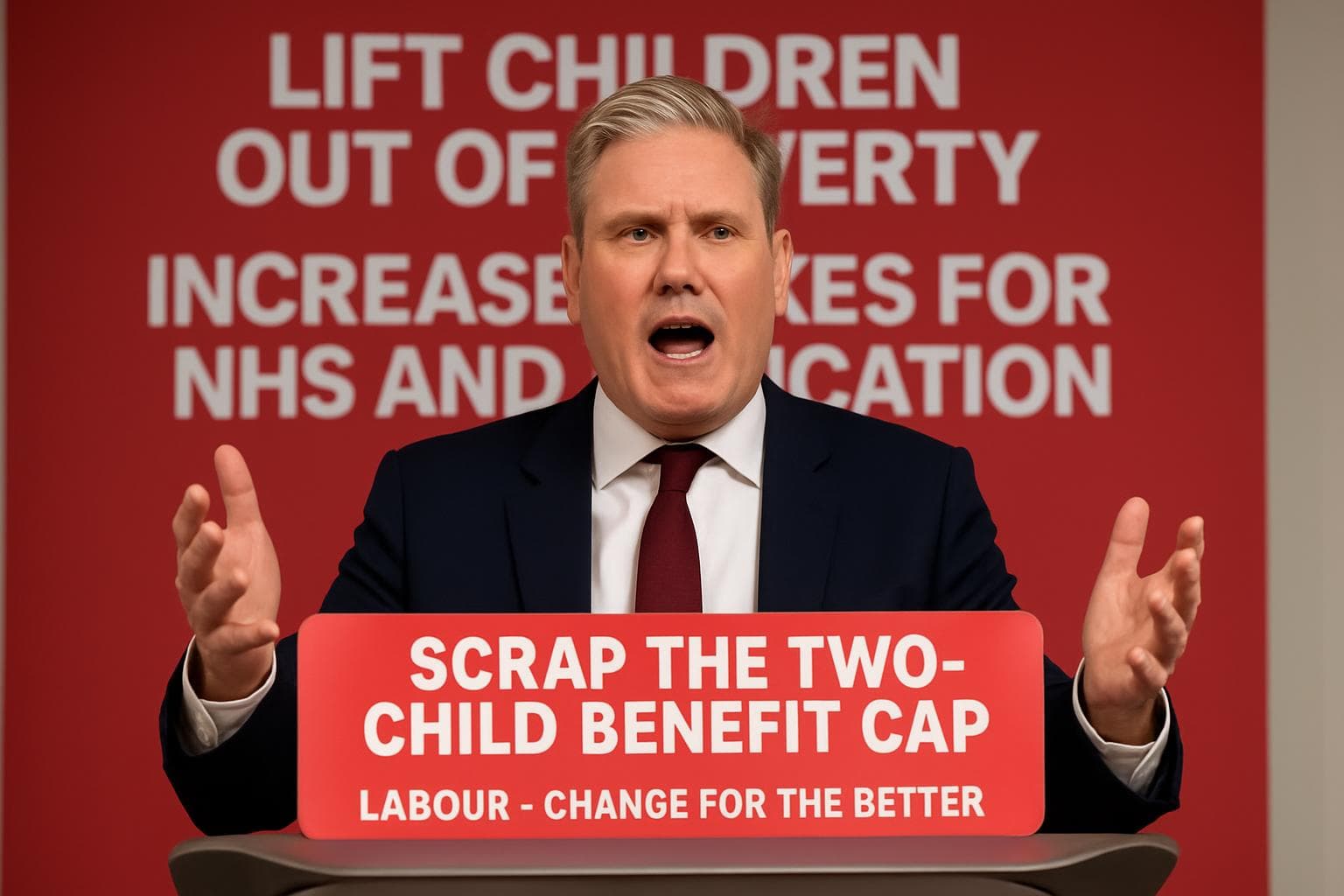
In a significant policy shift, UK Prime Minister Keir Starmer has announced the removal of the controversial two-child benefit cap, a move expected to lift 450,000 children out of poverty. The cap, introduced by the Conservatives in 2017, limited universal credit and tax credits to the first two children in a family. Starmer, speaking passionately during a visit to a community center in Rugby, Warwickshire, emphasized that reducing child poverty is both a political and personal mission. The policy change will take effect next April.
Budget and Tax Increases
The announcement comes as part of a broader budget strategy unveiled by Chancellor Rachel Reeves, which includes tax increases totaling £26bn. Despite previous election promises not to raise taxes on working people, the Labour government has opted to freeze income tax and national insurance thresholds for an additional three years. Starmer defended these measures, stating they are essential to protect the NHS, invest in education, and address the cost of living crisis. "We have asked everybody to contribute, but we've done it in a fair way," Starmer told Sky News.
Political and Economic Implications
The decision to scrap the two-child benefit cap, which will cost £3bn annually by 2029-30, has been long advocated by Labour MPs and charities as a critical step in combating child poverty. Starmer dismissed suggestions that the move was politically motivated, asserting that it aligns with his longstanding ambitions. Meanwhile, Chancellor Reeves has vowed to continue her economic policies, aiming to exceed growth expectations and improve the financial well-being of working people. "This is my budget, delivering on my priorities," Reeves stated, expressing confidence in her approach despite economic forecasts.
WHAT THIS MIGHT MEAN
The removal of the two-child benefit cap marks a significant shift in the Labour government's approach to social welfare, potentially setting a precedent for future policy decisions. As the budget's tax increases take effect, the government will need to balance public support with economic realities. Experts suggest that while the tax hikes may face criticism, the focus on reducing child poverty could bolster Labour's standing among its base. Looking ahead, the success of these measures will likely influence the party's strategy in upcoming elections, as well as its ability to navigate the complex landscape of UK economic policy.
Related Articles
Trump Raises Import Tariffs to 15% After Supreme Court Setback
UK Denies US Use of Military Bases for Potential Iran Strikes Amid Chagos Islands Dispute

UK Government to Reform Asylum Seeker Support and Employment Policies

Breakthrough Drug Offers Hope for Children with Severe Epilepsy
Middle East Conflict Drives UK Energy Prices to New Highs

UK Faces Dilemmas Amid Iran Conflict and China Spying Allegations
Keir Starmer's Labour Government Scraps Child Benefit Cap Amid Tax Increases
In This Article
 Daniel Rivera| Published
 HIGHLIGHTS
- Keir Starmer announced the removal of the two-child benefit cap, effective next April, aiming to reduce child poverty.
- The Labour government has introduced tax increases totaling £26bn, despite previous promises not to raise taxes on working people.
- Starmer defended the tax rises as necessary to fund the NHS, education, and tackle the cost of living crisis.
- The decision to scrap the benefit cap is expected to lift 450,000 children out of poverty, costing £3bn annually by 2029-30.
- Chancellor Rachel Reeves emphasized that the budget reflects her priorities and aims to defy economic forecasts.
In a significant policy shift, UK Prime Minister Keir Starmer has announced the removal of the controversial two-child benefit cap, a move expected to lift 450,000 children out of poverty. The cap, introduced by the Conservatives in 2017, limited universal credit and tax credits to the first two children in a family. Starmer, speaking passionately during a visit to a community center in Rugby, Warwickshire, emphasized that reducing child poverty is both a political and personal mission. The policy change will take effect next April.
Budget and Tax Increases
The announcement comes as part of a broader budget strategy unveiled by Chancellor Rachel Reeves, which includes tax increases totaling £26bn. Despite previous election promises not to raise taxes on working people, the Labour government has opted to freeze income tax and national insurance thresholds for an additional three years. Starmer defended these measures, stating they are essential to protect the NHS, invest in education, and address the cost of living crisis. "We have asked everybody to contribute, but we've done it in a fair way," Starmer told Sky News.
Political and Economic Implications
The decision to scrap the two-child benefit cap, which will cost £3bn annually by 2029-30, has been long advocated by Labour MPs and charities as a critical step in combating child poverty. Starmer dismissed suggestions that the move was politically motivated, asserting that it aligns with his longstanding ambitions. Meanwhile, Chancellor Reeves has vowed to continue her economic policies, aiming to exceed growth expectations and improve the financial well-being of working people. "This is my budget, delivering on my priorities," Reeves stated, expressing confidence in her approach despite economic forecasts.
WHAT THIS MIGHT MEAN
The removal of the two-child benefit cap marks a significant shift in the Labour government's approach to social welfare, potentially setting a precedent for future policy decisions. As the budget's tax increases take effect, the government will need to balance public support with economic realities. Experts suggest that while the tax hikes may face criticism, the focus on reducing child poverty could bolster Labour's standing among its base. Looking ahead, the success of these measures will likely influence the party's strategy in upcoming elections, as well as its ability to navigate the complex landscape of UK economic policy.
Related Articles
Trump Raises Import Tariffs to 15% After Supreme Court Setback
UK Denies US Use of Military Bases for Potential Iran Strikes Amid Chagos Islands Dispute
UK Government to Reform Asylum Seeker Support and Employment Policies
Breakthrough Drug Offers Hope for Children with Severe Epilepsy
Middle East Conflict Drives UK Energy Prices to New Highs
UK Faces Dilemmas Amid Iran Conflict and China Spying Allegations