
Keir Starmer Faces Backlash Over Welfare Reforms Amid Labour Rebellion

In This Article
HIGHLIGHTS
- Keir Starmer calls fixing the UK's welfare system a "moral imperative" following a Labour backbench revolt over proposed cuts.
- The government has made concessions, including applying stricter criteria for personal independence payments only to new claimants.
- Disability campaigners criticize the changes, fearing a "two-tier" system that disadvantages future claimants.
- Around 50 Labour MPs support a new amendment reflecting government concessions, but it may not reach the numbers needed to defeat the government.
- Campaigners warn that the concessions could lead to future legal challenges and continue to oppose the welfare bill.
In a dramatic turn of events, UK Labour leader Keir Starmer has been compelled to address mounting discontent within his party over proposed welfare reforms. Speaking at the Welsh Labour Party conference, Starmer emphasized that overhauling the benefits system is a "moral imperative," yet he acknowledged the need for a balanced approach that does not deter those capable of working.
Labour's Internal Struggle
The controversy erupted after Labour MPs rebelled against the government's initial welfare reform plans, which aimed to tighten eligibility for personal independence payments (PIP) and freeze certain benefits. The backlash forced the government to announce concessions, including applying stricter PIP criteria only to new claimants and allowing existing universal credit payments to rise with inflation.
Campaigners' Concerns
Despite these concessions, disability campaigners remain dissatisfied. Andy Mitchell of Unite Community expressed that the community feels "totally let down," arguing that the changes create a "two-tier" system that could condemn future disabled individuals to poverty. Tracey Lazard, CEO of Inclusion London, criticized the reforms as mere "rationing" rather than genuine reform.
Political Implications
The Labour leadership's handling of the welfare bill has strained relations with backbench MPs, some of whom have organized a new amendment to reflect the government's concessions. However, with only around 50 MPs backing it, the amendment is unlikely to defeat the government, though it signifies a significant internal rebellion.
Future Challenges
Disability advocates warn that the differential treatment of new and existing claimants could lead to legal challenges. Linda Burnip from Disabled People Against Cuts questioned the legality of such a system, while Claire Glasman from WinVisible accused the government of sowing division within the disabled community.
WHAT THIS MIGHT MEAN
The Labour Party's internal discord over welfare reforms could have lasting political repercussions, potentially weakening Starmer's leadership. If the government fails to address campaigners' concerns, it may face legal challenges and continued public opposition. Experts suggest that the party must find a way to reconcile its policy goals with the needs of vulnerable populations to avoid further alienation of its base. As the welfare bill progresses, the Labour leadership will need to navigate these complex dynamics carefully to maintain party unity and public support.
Related Articles

Antonia Romeo Appointed as First Female UK Cabinet Secretary Amid Controversy
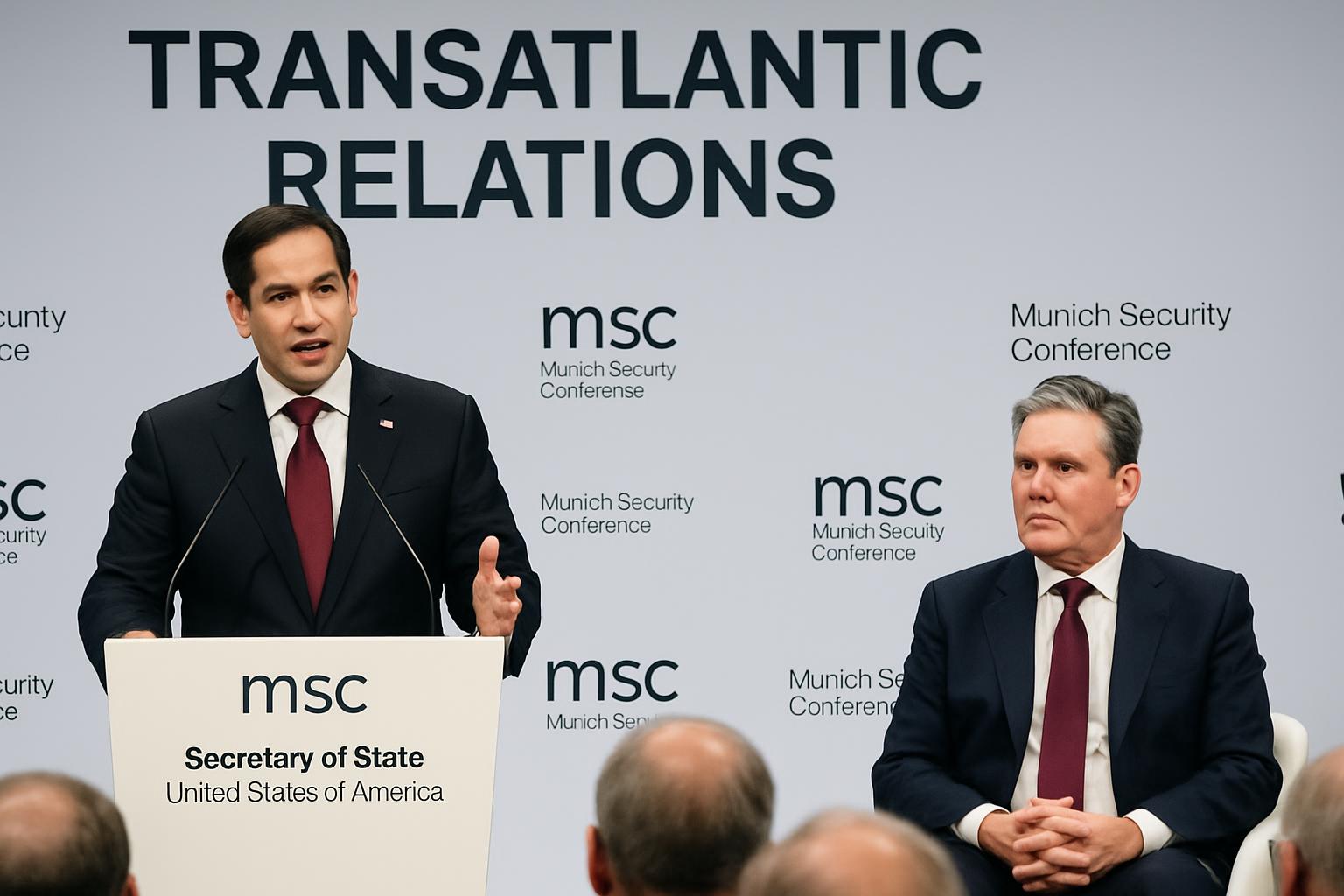
Munich Security Conference: A New Era in Transatlantic Relations

UK Faces Dilemmas Amid Iran Conflict and China Spying Allegations

Labour MP's Husband Arrested in UK-China Espionage Probe

UK-Iran Tensions: Starmer Defends Cautious Approach Amid Trump Criticism

Diplomatic Tensions Rise as Trump Criticizes Starmer's Iran Policy
Keir Starmer Faces Backlash Over Welfare Reforms Amid Labour Rebellion
In This Article
 Alex Carter| Published
 HIGHLIGHTS
- Keir Starmer calls fixing the UK's welfare system a "moral imperative" following a Labour backbench revolt over proposed cuts.
- The government has made concessions, including applying stricter criteria for personal independence payments only to new claimants.
- Disability campaigners criticize the changes, fearing a "two-tier" system that disadvantages future claimants.
- Around 50 Labour MPs support a new amendment reflecting government concessions, but it may not reach the numbers needed to defeat the government.
- Campaigners warn that the concessions could lead to future legal challenges and continue to oppose the welfare bill.
In a dramatic turn of events, UK Labour leader Keir Starmer has been compelled to address mounting discontent within his party over proposed welfare reforms. Speaking at the Welsh Labour Party conference, Starmer emphasized that overhauling the benefits system is a "moral imperative," yet he acknowledged the need for a balanced approach that does not deter those capable of working.
Labour's Internal Struggle
The controversy erupted after Labour MPs rebelled against the government's initial welfare reform plans, which aimed to tighten eligibility for personal independence payments (PIP) and freeze certain benefits. The backlash forced the government to announce concessions, including applying stricter PIP criteria only to new claimants and allowing existing universal credit payments to rise with inflation.
Campaigners' Concerns
Despite these concessions, disability campaigners remain dissatisfied. Andy Mitchell of Unite Community expressed that the community feels "totally let down," arguing that the changes create a "two-tier" system that could condemn future disabled individuals to poverty. Tracey Lazard, CEO of Inclusion London, criticized the reforms as mere "rationing" rather than genuine reform.
Political Implications
The Labour leadership's handling of the welfare bill has strained relations with backbench MPs, some of whom have organized a new amendment to reflect the government's concessions. However, with only around 50 MPs backing it, the amendment is unlikely to defeat the government, though it signifies a significant internal rebellion.
Future Challenges
Disability advocates warn that the differential treatment of new and existing claimants could lead to legal challenges. Linda Burnip from Disabled People Against Cuts questioned the legality of such a system, while Claire Glasman from WinVisible accused the government of sowing division within the disabled community.
WHAT THIS MIGHT MEAN
The Labour Party's internal discord over welfare reforms could have lasting political repercussions, potentially weakening Starmer's leadership. If the government fails to address campaigners' concerns, it may face legal challenges and continued public opposition. Experts suggest that the party must find a way to reconcile its policy goals with the needs of vulnerable populations to avoid further alienation of its base. As the welfare bill progresses, the Labour leadership will need to navigate these complex dynamics carefully to maintain party unity and public support.
Related Articles
Antonia Romeo Appointed as First Female UK Cabinet Secretary Amid Controversy
Munich Security Conference: A New Era in Transatlantic Relations
UK Faces Dilemmas Amid Iran Conflict and China Spying Allegations
Labour MP's Husband Arrested in UK-China Espionage Probe
UK-Iran Tensions: Starmer Defends Cautious Approach Amid Trump Criticism
Diplomatic Tensions Rise as Trump Criticizes Starmer's Iran Policy