
Starmer's Downing Street Reshuffle Aims to Strengthen Economic Control
In This Article
HIGHLIGHTS
- Keir Starmer has restructured his Downing Street team, creating new roles to enhance economic policy control.
- Darren Jones and Minouche Shafik have been appointed to key positions, reflecting a focus on economic expertise.
- The reshuffle aims to address Labour's slipping poll ratings and prepare for a challenging autumn Budget.
- Starmer's changes are seen as an attempt to regain narrative control amid external pressures like migration issues.
- Critics suggest the reshuffle indicates dissatisfaction with the current Treasury's performance.
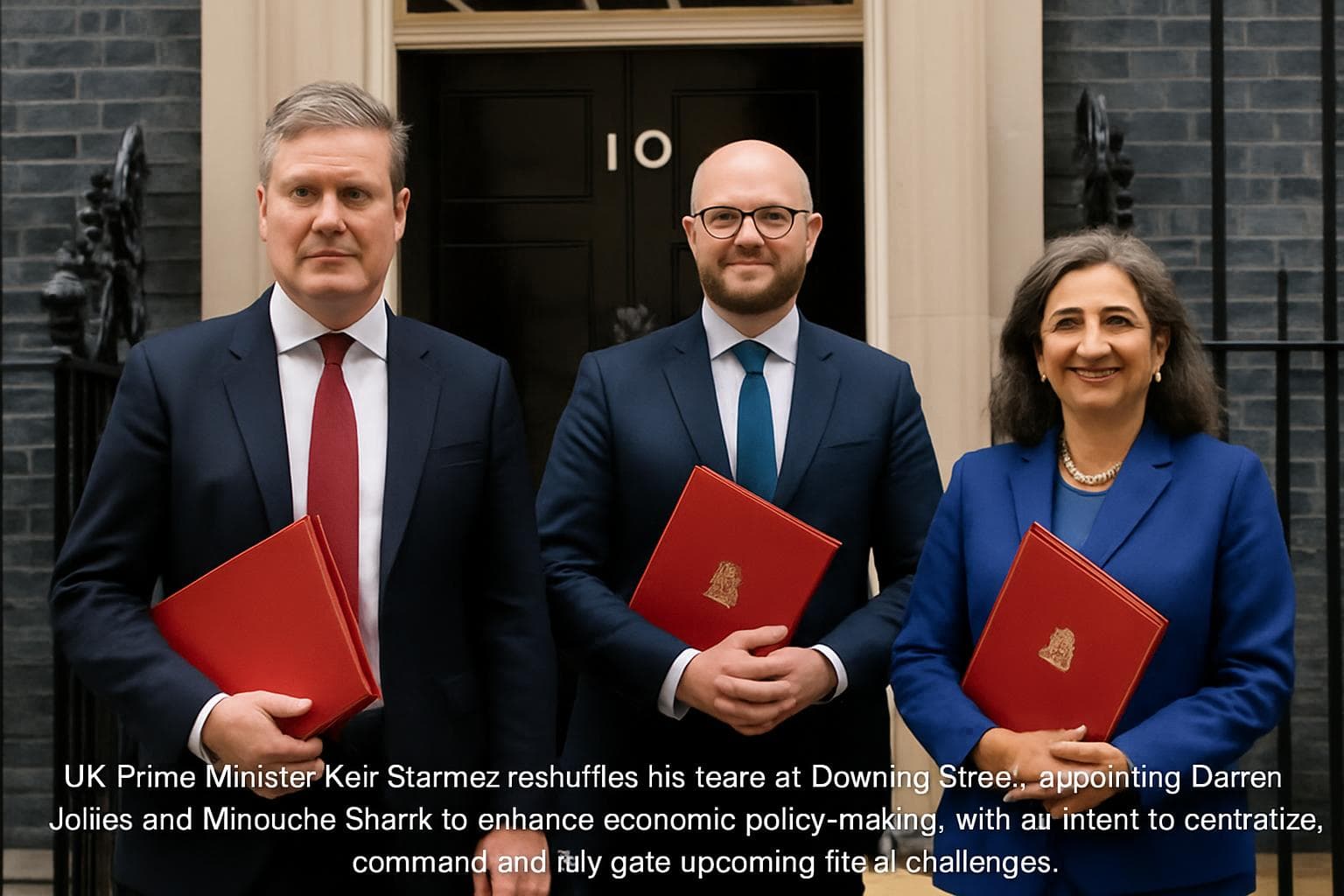
In a strategic move to bolster his administration's economic prowess, UK Prime Minister Keir Starmer has announced a significant reshuffle within his Downing Street team. This reorganization, unveiled as MPs reconvene in Westminster, introduces new roles designed to enhance the government's economic policy-making capabilities.
New Appointments Signal Economic Focus
At the heart of this reshuffle is the appointment of Darren Jones as Chief Secretary and Minouche Shafik as Chief Economic Adviser. Jones, previously second in command to Chancellor Rachel Reeves, will oversee day-to-day operations, while Shafik, a former deputy governor of the Bank of England, brings a wealth of economic expertise to the table. These appointments underscore Starmer's intent to exert greater influence over economic policy, traditionally dominated by the Treasury.
Addressing Polls and Preparing for the Budget
The reshuffle comes at a critical juncture for Starmer's government, with Labour's poll ratings under pressure and a challenging autumn Budget on the horizon. Insiders suggest the changes are part of a broader strategy to regain control over the government's narrative, particularly in light of recent focus on migration and the rise of Reform UK in the polls. Starmer's team is keen to demonstrate leadership that resonates with the public, especially as the cost of living remains a pressing concern.
A Shift in Leadership Dynamics
While some view the reshuffle as a response to internal dissatisfaction with the Treasury's performance, Starmer has framed it as a natural progression into a new phase of governance. "This should be seen more as moving on to the second phase than a reshuffle," Starmer stated, emphasizing the creation of new positions rather than mere personnel changes. The move reflects a desire for a more centralized command structure within Downing Street, allowing for direct oversight of key policy areas.
Balancing Power and Collaboration
Despite speculation of a power struggle, Downing Street sources insist the new appointments are intended to work collaboratively with the Treasury, not against it. The reshuffle aims to align the economic agenda while ensuring the Prime Minister retains the ability to shape policy direction effectively. As one insider noted, "The economic agenda has to be aligned. But of course, the PM needs to be able to shape it."
WHAT THIS MIGHT MEAN
The reshuffle marks a pivotal moment for Keir Starmer's leadership, with potential implications for both his party and the broader political landscape. Should the changes succeed in strengthening Labour's economic narrative, they could bolster the party's standing ahead of the next general election. However, failure to deliver tangible economic improvements may exacerbate existing criticisms and further erode public confidence.
As the autumn Budget approaches, Starmer's revamped team faces the challenge of balancing fiscal responsibility with public expectations. The outcome of this reshuffle will likely influence Labour's strategic direction and Starmer's legacy as Prime Minister. Political analysts will be watching closely to see if these changes can indeed translate into a more effective and cohesive government.
Related Articles

Starmer Condemns Reform UK's Plan to Repeal Equality Act as Un-British
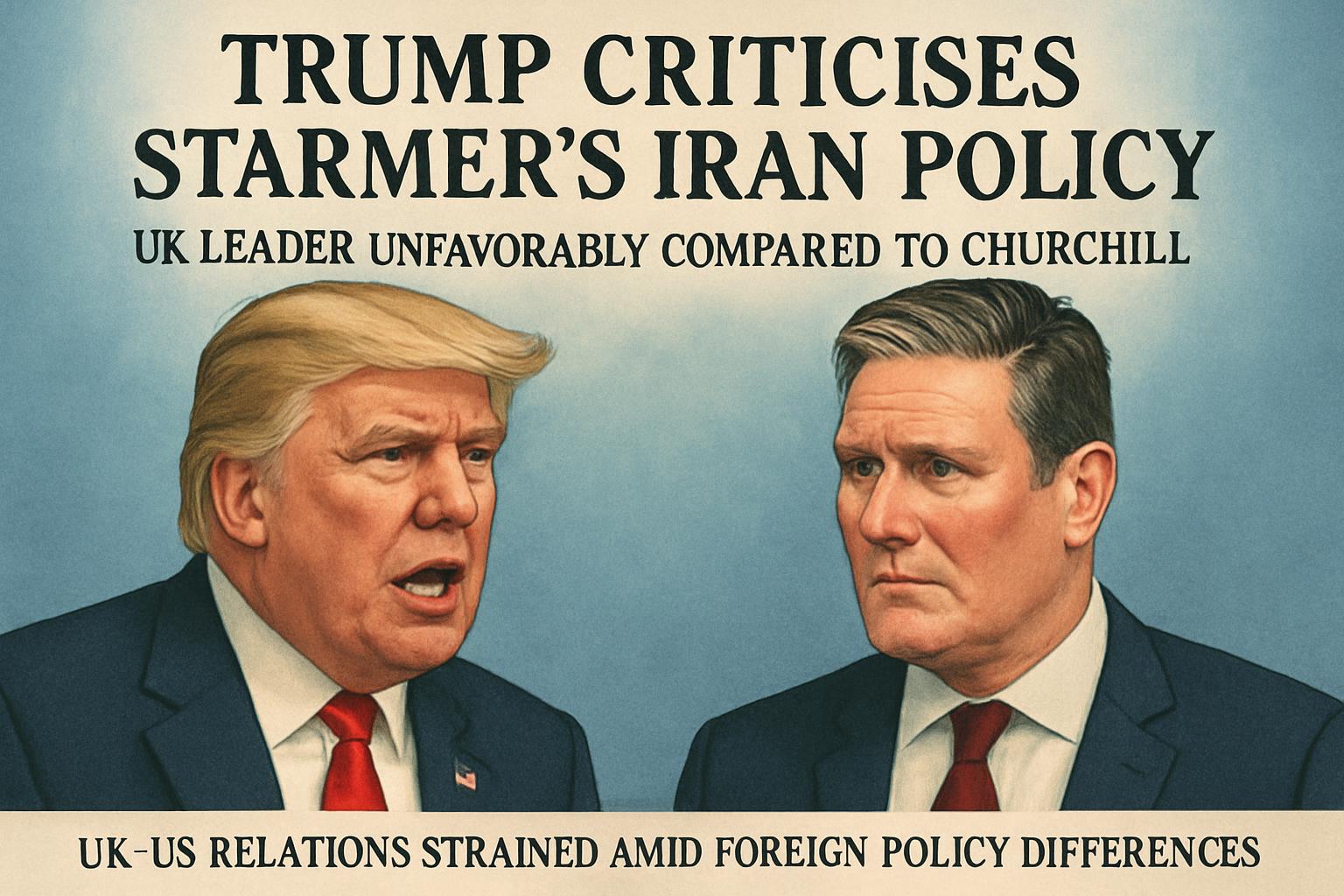
Diplomatic Tensions Rise as Trump Criticizes Starmer's Iran Policy
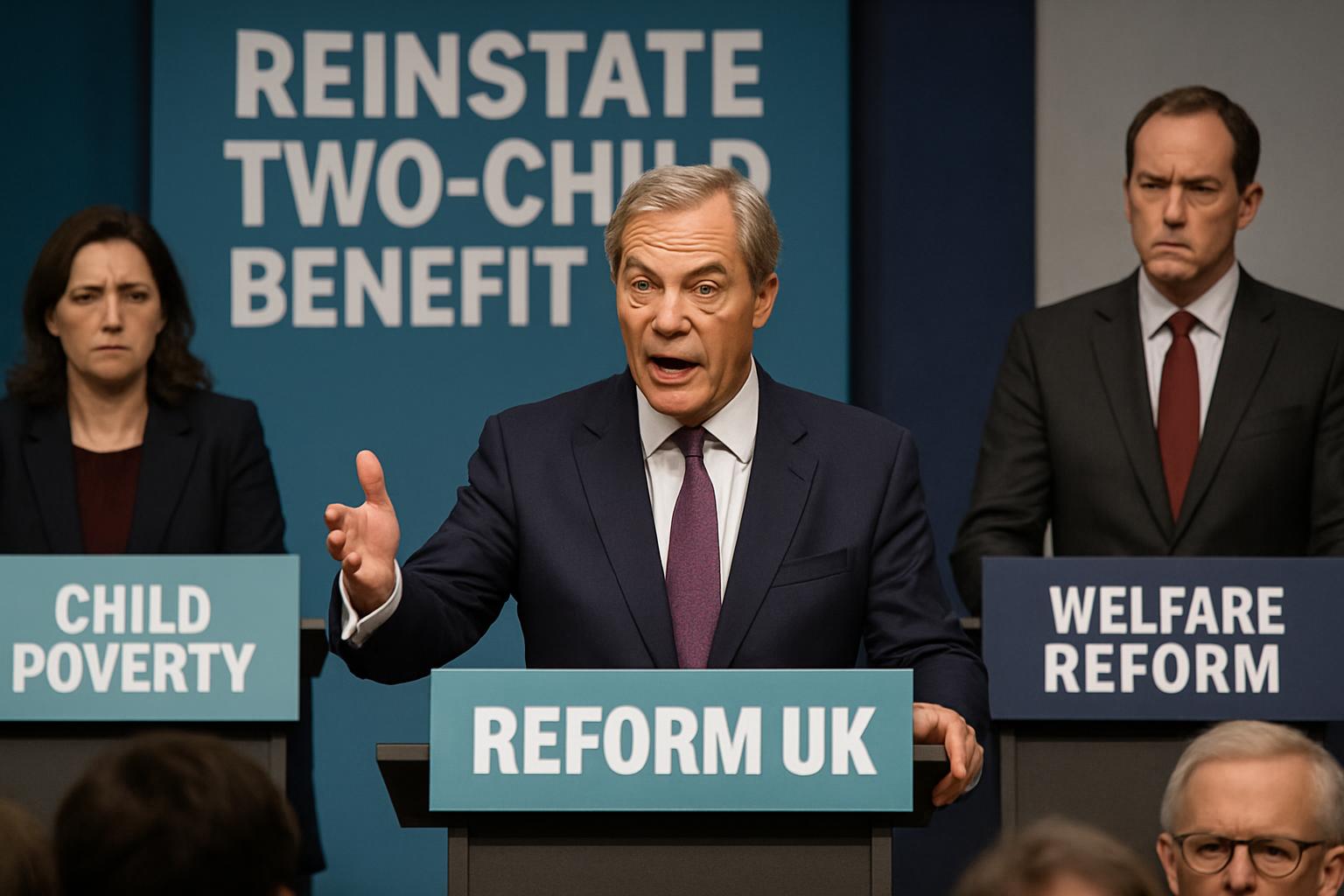
Reform UK to Reinstate Two-Child Benefit Cap Amidst Political Controversy

UK Faces Dilemmas Amid Iran Conflict and China Spying Allegations

Labour MP's Husband Arrested in UK-China Espionage Probe

UK-Iran Tensions: Starmer Defends Cautious Approach Amid Trump Criticism
Starmer's Downing Street Reshuffle Aims to Strengthen Economic Control
In This Article
 Ethan Brooks| Published
 HIGHLIGHTS
- Keir Starmer has restructured his Downing Street team, creating new roles to enhance economic policy control.
- Darren Jones and Minouche Shafik have been appointed to key positions, reflecting a focus on economic expertise.
- The reshuffle aims to address Labour's slipping poll ratings and prepare for a challenging autumn Budget.
- Starmer's changes are seen as an attempt to regain narrative control amid external pressures like migration issues.
- Critics suggest the reshuffle indicates dissatisfaction with the current Treasury's performance.
In a strategic move to bolster his administration's economic prowess, UK Prime Minister Keir Starmer has announced a significant reshuffle within his Downing Street team. This reorganization, unveiled as MPs reconvene in Westminster, introduces new roles designed to enhance the government's economic policy-making capabilities.
New Appointments Signal Economic Focus
At the heart of this reshuffle is the appointment of Darren Jones as Chief Secretary and Minouche Shafik as Chief Economic Adviser. Jones, previously second in command to Chancellor Rachel Reeves, will oversee day-to-day operations, while Shafik, a former deputy governor of the Bank of England, brings a wealth of economic expertise to the table. These appointments underscore Starmer's intent to exert greater influence over economic policy, traditionally dominated by the Treasury.
Addressing Polls and Preparing for the Budget
The reshuffle comes at a critical juncture for Starmer's government, with Labour's poll ratings under pressure and a challenging autumn Budget on the horizon. Insiders suggest the changes are part of a broader strategy to regain control over the government's narrative, particularly in light of recent focus on migration and the rise of Reform UK in the polls. Starmer's team is keen to demonstrate leadership that resonates with the public, especially as the cost of living remains a pressing concern.
A Shift in Leadership Dynamics
While some view the reshuffle as a response to internal dissatisfaction with the Treasury's performance, Starmer has framed it as a natural progression into a new phase of governance. "This should be seen more as moving on to the second phase than a reshuffle," Starmer stated, emphasizing the creation of new positions rather than mere personnel changes. The move reflects a desire for a more centralized command structure within Downing Street, allowing for direct oversight of key policy areas.
Balancing Power and Collaboration
Despite speculation of a power struggle, Downing Street sources insist the new appointments are intended to work collaboratively with the Treasury, not against it. The reshuffle aims to align the economic agenda while ensuring the Prime Minister retains the ability to shape policy direction effectively. As one insider noted, "The economic agenda has to be aligned. But of course, the PM needs to be able to shape it."
WHAT THIS MIGHT MEAN
The reshuffle marks a pivotal moment for Keir Starmer's leadership, with potential implications for both his party and the broader political landscape. Should the changes succeed in strengthening Labour's economic narrative, they could bolster the party's standing ahead of the next general election. However, failure to deliver tangible economic improvements may exacerbate existing criticisms and further erode public confidence.
As the autumn Budget approaches, Starmer's revamped team faces the challenge of balancing fiscal responsibility with public expectations. The outcome of this reshuffle will likely influence Labour's strategic direction and Starmer's legacy as Prime Minister. Political analysts will be watching closely to see if these changes can indeed translate into a more effective and cohesive government.
Related Articles
Starmer Condemns Reform UK's Plan to Repeal Equality Act as Un-British
Diplomatic Tensions Rise as Trump Criticizes Starmer's Iran Policy
Reform UK to Reinstate Two-Child Benefit Cap Amidst Political Controversy
UK Faces Dilemmas Amid Iran Conflict and China Spying Allegations
Labour MP's Husband Arrested in UK-China Espionage Probe
UK-Iran Tensions: Starmer Defends Cautious Approach Amid Trump Criticism