
Labour's Brexit Stance: Starmer Rules Out EU Customs Union Re-entry Amid Economic Debate
In This Article
HIGHLIGHTS
- Keir Starmer reaffirms Labour's stance against rejoining the EU customs union, despite internal discussions on economic growth.
- David Lammy highlights Brexit's economic damage but states rejoining the customs union is not Labour's current policy.
- Turkey's customs union with the EU is cited as a model for potential economic benefits, though it limits independent trade policy.
- Informal discussions within the UK government consider customs union re-entry as a means to boost GDP by 2.2%.
- Labour's manifesto maintains red lines against rejoining the EU's customs union or single market, focusing instead on side-deals.
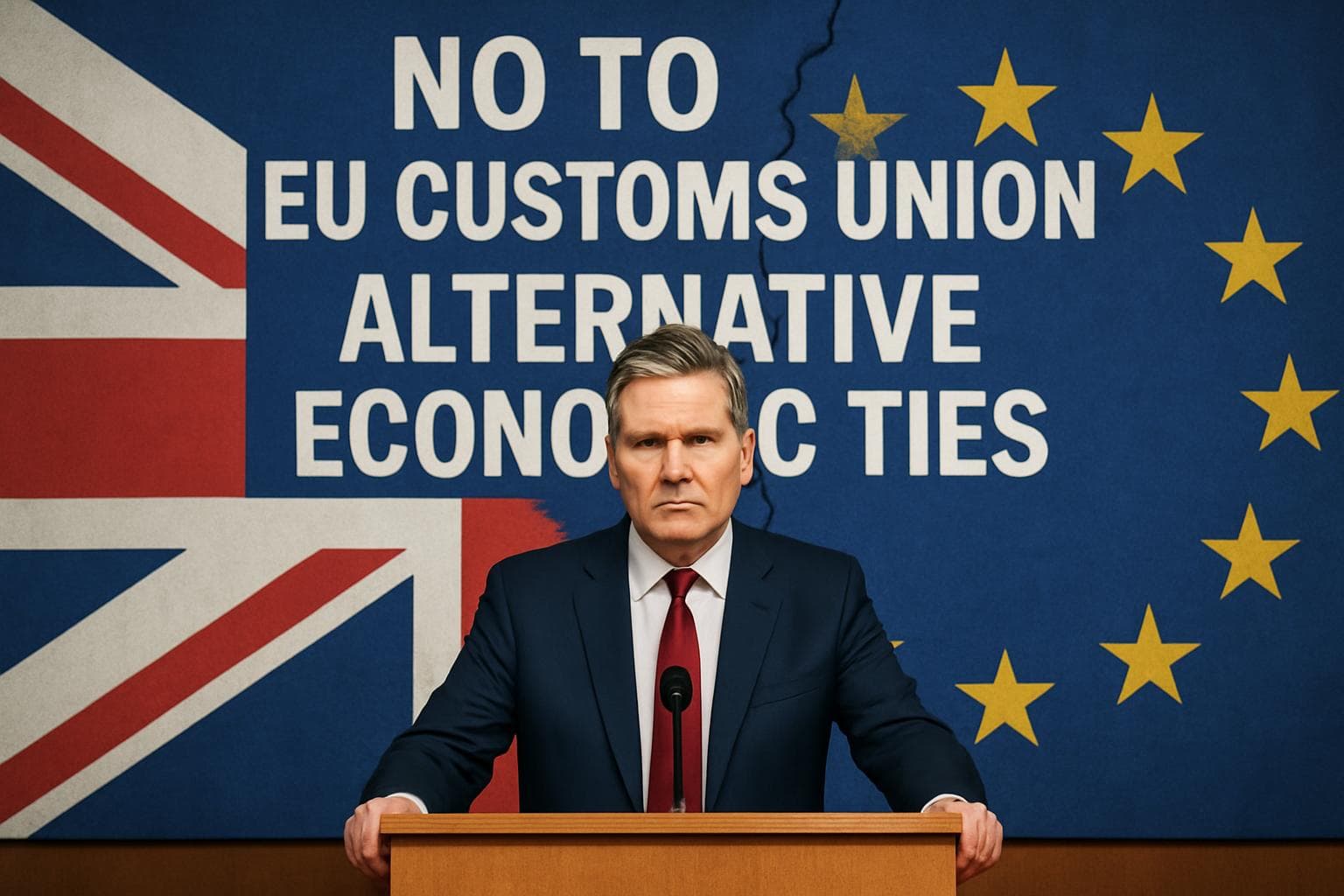
In a reaffirmation of Labour's Brexit policy, Keir Starmer has reiterated that the party does not plan to rejoin the European Union's customs union, despite ongoing discussions about the potential economic benefits. This statement comes after Deputy Prime Minister David Lammy acknowledged the economic damage caused by Brexit, while maintaining that rejoining the customs union is not currently Labour's policy.
Labour's Position on EU Relations
Labour's election manifesto clearly rules out rejoining the EU's customs union or single market, focusing instead on forging closer economic ties through a series of side-deals. These agreements aim to address issues such as food standards, youth visas, carbon pricing, and electricity trading. Starmer emphasized that the UK's relationship with Europe has been "totally reset" since Labour took office, and the party remains committed to its post-Brexit commitments.
Economic Growth and the Customs Union Debate
The debate over the customs union has resurfaced as the UK government seeks ways to stimulate economic growth. Turkey's customs union with the EU, which excludes agricultural goods and services, has been cited as a model for potential economic benefits. However, this arrangement limits Turkey's ability to pursue an independent trade policy, a key promise of Brexit advocates.
Informal discussions within the government have considered the possibility of rejoining the customs union, with some advisers suggesting it could increase GDP by 2.2%. Despite these discussions, Starmer's government has not shifted its official stance, and any change would require a direct decision from the Prime Minister himself.
Political Implications and Future Prospects
The political landscape remains complex as the UK navigates its post-Brexit economic challenges. While some within the government see rejoining the customs union as a viable path to economic growth, the decision carries significant political implications. Labour's current position reflects a cautious approach, balancing the need for economic renewal with the party's established Brexit commitments.
As the UK approaches the next election, the debate over the customs union is likely to intensify. Economic realities may push the government to reconsider its stance, but any move towards rejoining the customs union would require careful negotiation and political consensus. The outcome of these discussions will shape the UK's future trade relations with the EU and its broader economic strategy.
WHAT THIS MIGHT MEAN
Not available
Related Articles
Trump Raises Import Tariffs to 15% After Supreme Court Setback

UK Faces Dilemmas Amid Iran Conflict and China Spying Allegations

Labour MP's Husband Arrested in UK-China Espionage Probe
UK Denies US Use of Military Bases for Potential Iran Strikes Amid Chagos Islands Dispute
UK Government to Reform Asylum Seeker Support and Employment Policies

Breakthrough Drug Offers Hope for Children with Severe Epilepsy
Labour's Brexit Stance: Starmer Rules Out EU Customs Union Re-entry Amid Economic Debate
In This Article
 Daniel Rivera| Published
 HIGHLIGHTS
- Keir Starmer reaffirms Labour's stance against rejoining the EU customs union, despite internal discussions on economic growth.
- David Lammy highlights Brexit's economic damage but states rejoining the customs union is not Labour's current policy.
- Turkey's customs union with the EU is cited as a model for potential economic benefits, though it limits independent trade policy.
- Informal discussions within the UK government consider customs union re-entry as a means to boost GDP by 2.2%.
- Labour's manifesto maintains red lines against rejoining the EU's customs union or single market, focusing instead on side-deals.
In a reaffirmation of Labour's Brexit policy, Keir Starmer has reiterated that the party does not plan to rejoin the European Union's customs union, despite ongoing discussions about the potential economic benefits. This statement comes after Deputy Prime Minister David Lammy acknowledged the economic damage caused by Brexit, while maintaining that rejoining the customs union is not currently Labour's policy.
Labour's Position on EU Relations
Labour's election manifesto clearly rules out rejoining the EU's customs union or single market, focusing instead on forging closer economic ties through a series of side-deals. These agreements aim to address issues such as food standards, youth visas, carbon pricing, and electricity trading. Starmer emphasized that the UK's relationship with Europe has been "totally reset" since Labour took office, and the party remains committed to its post-Brexit commitments.
Economic Growth and the Customs Union Debate
The debate over the customs union has resurfaced as the UK government seeks ways to stimulate economic growth. Turkey's customs union with the EU, which excludes agricultural goods and services, has been cited as a model for potential economic benefits. However, this arrangement limits Turkey's ability to pursue an independent trade policy, a key promise of Brexit advocates.
Informal discussions within the government have considered the possibility of rejoining the customs union, with some advisers suggesting it could increase GDP by 2.2%. Despite these discussions, Starmer's government has not shifted its official stance, and any change would require a direct decision from the Prime Minister himself.
Political Implications and Future Prospects
The political landscape remains complex as the UK navigates its post-Brexit economic challenges. While some within the government see rejoining the customs union as a viable path to economic growth, the decision carries significant political implications. Labour's current position reflects a cautious approach, balancing the need for economic renewal with the party's established Brexit commitments.
As the UK approaches the next election, the debate over the customs union is likely to intensify. Economic realities may push the government to reconsider its stance, but any move towards rejoining the customs union would require careful negotiation and political consensus. The outcome of these discussions will shape the UK's future trade relations with the EU and its broader economic strategy.
WHAT THIS MIGHT MEAN
Not available
Related Articles
Trump Raises Import Tariffs to 15% After Supreme Court Setback
UK Faces Dilemmas Amid Iran Conflict and China Spying Allegations
Labour MP's Husband Arrested in UK-China Espionage Probe
UK Denies US Use of Military Bases for Potential Iran Strikes Amid Chagos Islands Dispute
UK Government to Reform Asylum Seeker Support and Employment Policies
Breakthrough Drug Offers Hope for Children with Severe Epilepsy