
Starmer's Historic China Visit Aims to Bolster Economic Ties Amid Security Concerns

In This Article
HIGHLIGHTS
- UK Prime Minister Keir Starmer's visit to China marks the first by a British leader in eight years, aiming to strengthen economic ties.
- Starmer met with Chinese President Xi Jinping, discussing trade, security, and human rights issues, including the case of Jimmy Lai.
- The visit has sparked criticism over China's human rights record and espionage activities, with concerns about UK national security.
- Starmer emphasized the importance of maintaining a balanced relationship with both China and the US amid global trade tensions.
- Progress was made on reducing whisky tariffs and potential visa-free travel for UK citizens, highlighting economic cooperation.
UK Prime Minister Keir Starmer has embarked on a significant diplomatic mission to China, marking the first visit by a British leader in eight years. The three-day trip aims to rejuvenate economic and cultural ties between the two nations, despite ongoing concerns about China's human rights record and espionage activities.
Strengthening Economic Relations
During his meeting with Chinese President Xi Jinping at the Great Hall of the People in Beijing, Starmer sought to bring "stability and clarity" to UK-China relations. The discussions, which lasted approximately 80 minutes, focused on enhancing trade and cooperation. Notable progress was made on reducing tariffs for British whisky and exploring visa-free travel for UK citizens, signaling a potential boost for the UK's sluggish economy.
Addressing Human Rights and Security
While economic cooperation was a key focus, Starmer did not shy away from addressing contentious issues. He raised the case of Jimmy Lai, a pro-democracy media tycoon facing a life sentence in Hong Kong, and expressed concerns about the treatment of the Uyghur population in Xinjiang. Starmer emphasized the importance of having "mature discussions" on areas of disagreement, underscoring the UK's commitment to human rights.
Balancing Global Alliances
The visit comes at a time of heightened trade tensions between China and the US, with Starmer asserting that the UK will not be forced to choose between the two superpowers. He stressed the need for a "sophisticated" relationship with China, while maintaining close ties with the US on business, security, and defense. This diplomatic balancing act reflects the UK's strategic interest in engaging with both nations.
Political Reactions and Future Prospects
Starmer's visit has drawn criticism from political opponents in the UK, particularly regarding China's espionage activities and the recent approval of a Chinese mega-embassy in London. However, the Prime Minister remains optimistic about the potential benefits of improved UK-China relations, highlighting the importance of dialogue in a "turbulent and fluid" global landscape.
WHAT THIS MIGHT MEAN
The outcomes of Starmer's visit to China could have significant implications for UK foreign policy and economic strategy. If successful, the reduction in trade barriers and potential visa-free travel could enhance bilateral economic ties, providing a much-needed boost to the UK economy. However, the visit also underscores the delicate balance the UK must maintain between engaging with China and addressing security concerns. As global trade tensions persist, the UK's ability to navigate these complex relationships will be crucial in shaping its future on the international stage.
Related Articles

UK Faces Dilemmas Amid Iran Conflict and China Spying Allegations

Labour MP's Husband Arrested in UK-China Espionage Probe
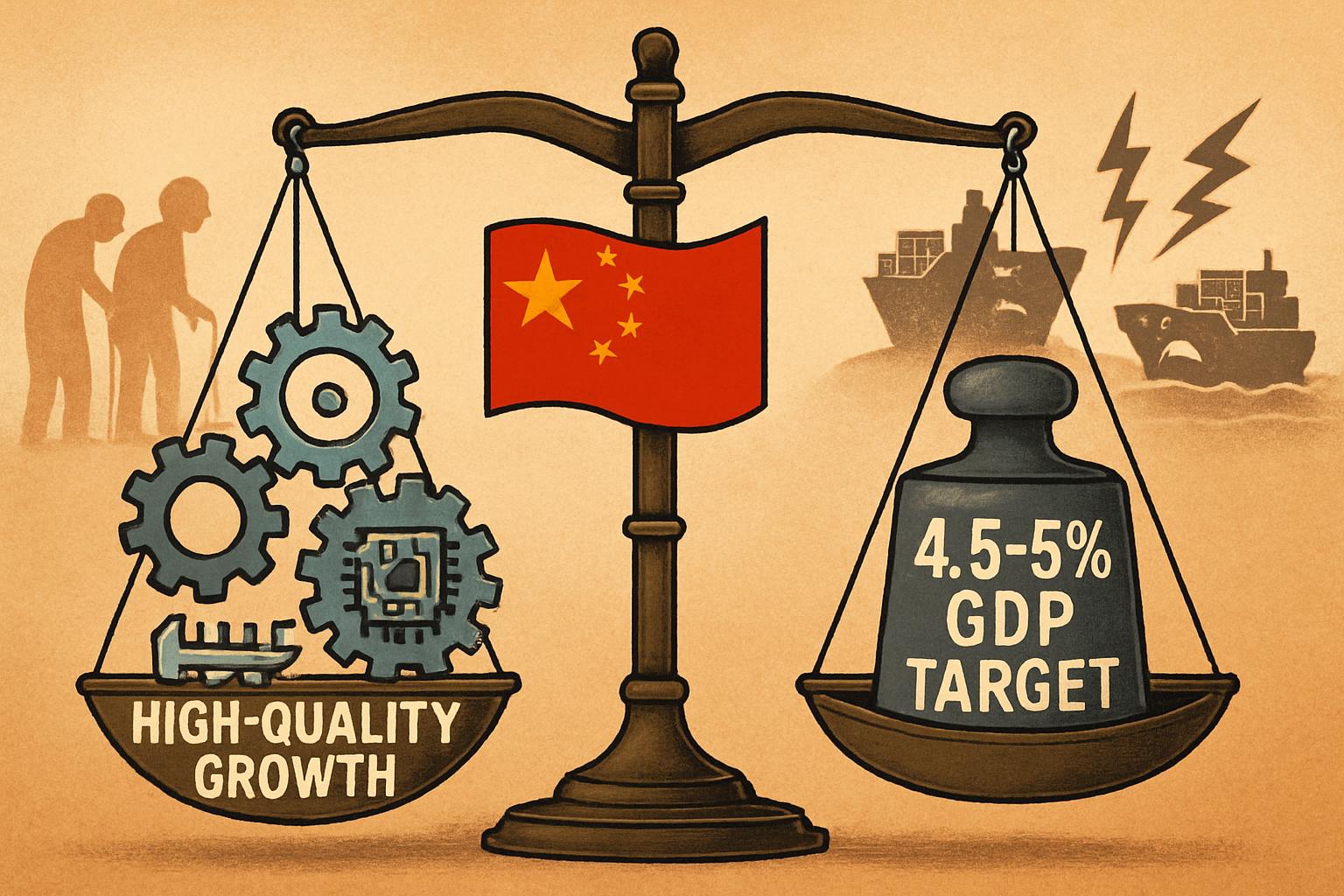
China Sets Lowest GDP Growth Target in Decades Amid Economic Challenges

UK-Iran Tensions: Starmer Defends Cautious Approach Amid Trump Criticism
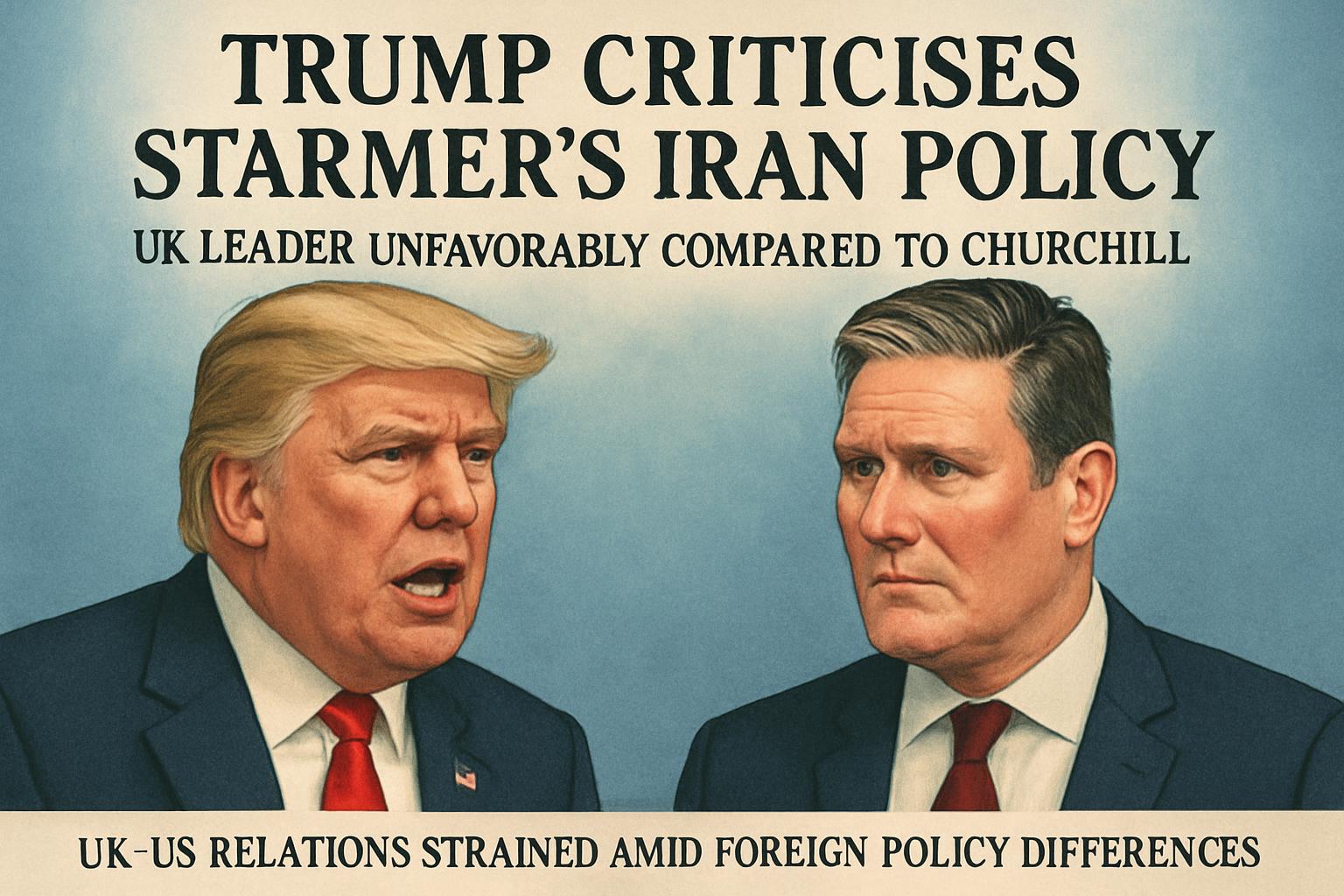
Diplomatic Tensions Rise as Trump Criticizes Starmer's Iran Policy

Iran Postpones Khamenei Funeral Amid Escalating US-Israeli Strikes
Starmer's Historic China Visit Aims to Bolster Economic Ties Amid Security Concerns
In This Article
 Ethan Brooks| Published
 HIGHLIGHTS
- UK Prime Minister Keir Starmer's visit to China marks the first by a British leader in eight years, aiming to strengthen economic ties.
- Starmer met with Chinese President Xi Jinping, discussing trade, security, and human rights issues, including the case of Jimmy Lai.
- The visit has sparked criticism over China's human rights record and espionage activities, with concerns about UK national security.
- Starmer emphasized the importance of maintaining a balanced relationship with both China and the US amid global trade tensions.
- Progress was made on reducing whisky tariffs and potential visa-free travel for UK citizens, highlighting economic cooperation.
UK Prime Minister Keir Starmer has embarked on a significant diplomatic mission to China, marking the first visit by a British leader in eight years. The three-day trip aims to rejuvenate economic and cultural ties between the two nations, despite ongoing concerns about China's human rights record and espionage activities.
Strengthening Economic Relations
During his meeting with Chinese President Xi Jinping at the Great Hall of the People in Beijing, Starmer sought to bring "stability and clarity" to UK-China relations. The discussions, which lasted approximately 80 minutes, focused on enhancing trade and cooperation. Notable progress was made on reducing tariffs for British whisky and exploring visa-free travel for UK citizens, signaling a potential boost for the UK's sluggish economy.
Addressing Human Rights and Security
While economic cooperation was a key focus, Starmer did not shy away from addressing contentious issues. He raised the case of Jimmy Lai, a pro-democracy media tycoon facing a life sentence in Hong Kong, and expressed concerns about the treatment of the Uyghur population in Xinjiang. Starmer emphasized the importance of having "mature discussions" on areas of disagreement, underscoring the UK's commitment to human rights.
Balancing Global Alliances
The visit comes at a time of heightened trade tensions between China and the US, with Starmer asserting that the UK will not be forced to choose between the two superpowers. He stressed the need for a "sophisticated" relationship with China, while maintaining close ties with the US on business, security, and defense. This diplomatic balancing act reflects the UK's strategic interest in engaging with both nations.
Political Reactions and Future Prospects
Starmer's visit has drawn criticism from political opponents in the UK, particularly regarding China's espionage activities and the recent approval of a Chinese mega-embassy in London. However, the Prime Minister remains optimistic about the potential benefits of improved UK-China relations, highlighting the importance of dialogue in a "turbulent and fluid" global landscape.
WHAT THIS MIGHT MEAN
The outcomes of Starmer's visit to China could have significant implications for UK foreign policy and economic strategy. If successful, the reduction in trade barriers and potential visa-free travel could enhance bilateral economic ties, providing a much-needed boost to the UK economy. However, the visit also underscores the delicate balance the UK must maintain between engaging with China and addressing security concerns. As global trade tensions persist, the UK's ability to navigate these complex relationships will be crucial in shaping its future on the international stage.
Related Articles
UK Faces Dilemmas Amid Iran Conflict and China Spying Allegations
Labour MP's Husband Arrested in UK-China Espionage Probe
China Sets Lowest GDP Growth Target in Decades Amid Economic Challenges
UK-Iran Tensions: Starmer Defends Cautious Approach Amid Trump Criticism
Diplomatic Tensions Rise as Trump Criticizes Starmer's Iran Policy
Iran Postpones Khamenei Funeral Amid Escalating US-Israeli Strikes