
Growing Support for Social Media Restrictions on Under-16s Amid Rising Concerns

In This Article
HIGHLIGHTS
- Politicians in Jersey support restricting social media use for under-16s, forming a ministerial group to address online safety.
- The UK House of Lords voted in favor of Australian-style social media restrictions for minors, though it faces challenges in the Commons.
- Parents and educators express concerns about the impact of social media on children's mental health and attention spans.
- The UK government is consulting on potential bans, with evidence from Australia's recent implementation under review.
- Chief Minister Lyndon Farnham emphasizes the need for adaptable responses to the rapidly changing digital landscape.
In a bid to safeguard young people from online harm, politicians in Jersey and the UK are increasingly supporting measures to restrict social media use among those under 16. This move comes amid growing public concern over the impact of digital exposure on children's mental health and wellbeing.
Jersey's Proactive Approach
In Jersey, a ministerial group has been established to oversee the island's response to online safety, particularly focusing on emerging risks affecting children and young people. Chief Minister Lyndon Farnham highlighted the government's commitment to protecting minors, stating, "While important work is already under way across government, we know that the digital landscape changes quickly and our response must be able to change just as fast." The government is actively engaging with telecommunications providers, schools, and safeguarding organizations to ensure a coordinated approach to reducing risks for children.
UK House of Lords Pushes for Change
Across the Channel, the UK House of Lords recently voted in favor of implementing Australian-style social media restrictions for minors. The amendment to the children's wellbeing and schools bill, led by Tory peers, passed with a significant majority. However, it faces potential hurdles in the House of Commons, with Labour leader Keir Starmer expressing a desire to review evidence from Australia's recent ban before proceeding. Conservative leader Kemi Badenoch, however, urges immediate action.
Voices from the Community
Parents and educators are voicing their concerns about the pervasive influence of social media on young minds. Laura, a parent from East Dunbartonshire, argues that leaving social media regulation to individual families exacerbates inequalities. "Concerns about what my children might see online keep me awake at night," she says, emphasizing the need for broader legislative action.
Rachel, a secondary school teacher in Derbyshire, notes a decline in students' attention spans, attributing it to social media's impact. "I see the effect of social media and shrinking attention spans every day," she reports, highlighting the urgent need for intervention.
Government's Next Steps
The UK government is currently consulting on potential social media bans for under-16s, with a report expected by summer. This consultation will consider the effectiveness of Australia's recent restrictions, which came into force in December. As the debate continues, the focus remains on finding a balanced approach that protects children while considering the broader implications of digital wellbeing.
WHAT THIS MIGHT MEAN
As governments in Jersey and the UK explore social media restrictions for minors, the outcome could set a precedent for digital safety legislation worldwide. Should the UK proceed with a ban, it may prompt other countries to consider similar measures, especially if Australia's model proves effective. However, balancing children's online protection with their digital rights will be crucial. Experts suggest that any legislative changes should be part of a comprehensive strategy that includes education and parental support to ensure a holistic approach to digital wellbeing.
Related Articles

UK-Iran Tensions: Starmer Defends Cautious Approach Amid Trump Criticism

Diplomatic Tensions Rise as Trump Criticizes Starmer's Iran Policy

UK Faces Dilemmas Amid Iran Conflict and China Spying Allegations

UK Government to Reform Asylum Seeker Support and Employment Policies

UK Reinforces Military Presence in Cyprus Amid Middle East Tensions
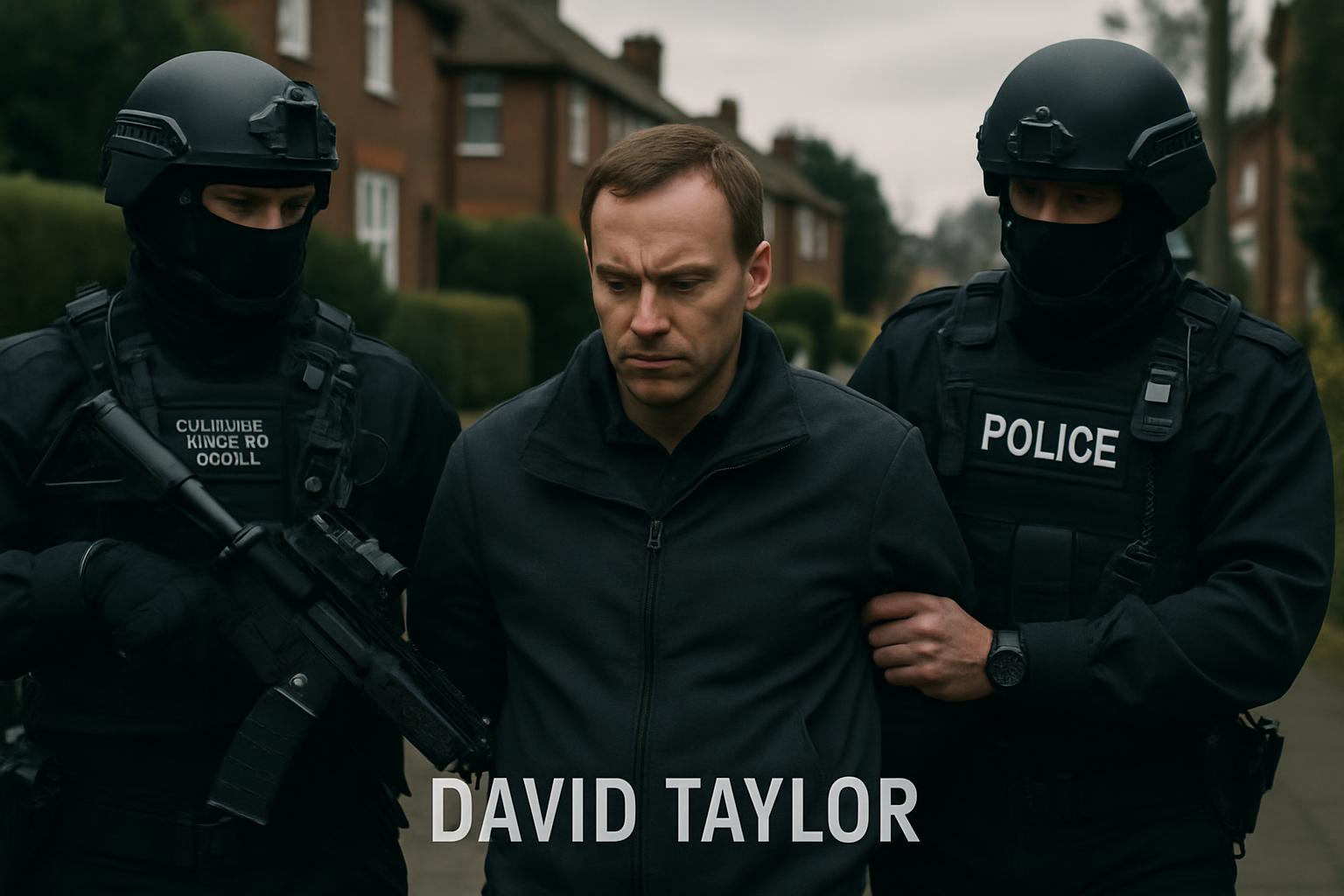
Labour MP's Husband Arrested in UK-China Espionage Probe
Growing Support for Social Media Restrictions on Under-16s Amid Rising Concerns
In This Article
 Ethan Brooks| Published
 HIGHLIGHTS
- Politicians in Jersey support restricting social media use for under-16s, forming a ministerial group to address online safety.
- The UK House of Lords voted in favor of Australian-style social media restrictions for minors, though it faces challenges in the Commons.
- Parents and educators express concerns about the impact of social media on children's mental health and attention spans.
- The UK government is consulting on potential bans, with evidence from Australia's recent implementation under review.
- Chief Minister Lyndon Farnham emphasizes the need for adaptable responses to the rapidly changing digital landscape.
In a bid to safeguard young people from online harm, politicians in Jersey and the UK are increasingly supporting measures to restrict social media use among those under 16. This move comes amid growing public concern over the impact of digital exposure on children's mental health and wellbeing.
Jersey's Proactive Approach
In Jersey, a ministerial group has been established to oversee the island's response to online safety, particularly focusing on emerging risks affecting children and young people. Chief Minister Lyndon Farnham highlighted the government's commitment to protecting minors, stating, "While important work is already under way across government, we know that the digital landscape changes quickly and our response must be able to change just as fast." The government is actively engaging with telecommunications providers, schools, and safeguarding organizations to ensure a coordinated approach to reducing risks for children.
UK House of Lords Pushes for Change
Across the Channel, the UK House of Lords recently voted in favor of implementing Australian-style social media restrictions for minors. The amendment to the children's wellbeing and schools bill, led by Tory peers, passed with a significant majority. However, it faces potential hurdles in the House of Commons, with Labour leader Keir Starmer expressing a desire to review evidence from Australia's recent ban before proceeding. Conservative leader Kemi Badenoch, however, urges immediate action.
Voices from the Community
Parents and educators are voicing their concerns about the pervasive influence of social media on young minds. Laura, a parent from East Dunbartonshire, argues that leaving social media regulation to individual families exacerbates inequalities. "Concerns about what my children might see online keep me awake at night," she says, emphasizing the need for broader legislative action.
Rachel, a secondary school teacher in Derbyshire, notes a decline in students' attention spans, attributing it to social media's impact. "I see the effect of social media and shrinking attention spans every day," she reports, highlighting the urgent need for intervention.
Government's Next Steps
The UK government is currently consulting on potential social media bans for under-16s, with a report expected by summer. This consultation will consider the effectiveness of Australia's recent restrictions, which came into force in December. As the debate continues, the focus remains on finding a balanced approach that protects children while considering the broader implications of digital wellbeing.
WHAT THIS MIGHT MEAN
As governments in Jersey and the UK explore social media restrictions for minors, the outcome could set a precedent for digital safety legislation worldwide. Should the UK proceed with a ban, it may prompt other countries to consider similar measures, especially if Australia's model proves effective. However, balancing children's online protection with their digital rights will be crucial. Experts suggest that any legislative changes should be part of a comprehensive strategy that includes education and parental support to ensure a holistic approach to digital wellbeing.
Related Articles
UK-Iran Tensions: Starmer Defends Cautious Approach Amid Trump Criticism
Diplomatic Tensions Rise as Trump Criticizes Starmer's Iran Policy
UK Faces Dilemmas Amid Iran Conflict and China Spying Allegations
UK Government to Reform Asylum Seeker Support and Employment Policies
UK Reinforces Military Presence in Cyprus Amid Middle East Tensions
Labour MP's Husband Arrested in UK-China Espionage Probe