
Teen Period Pain Linked to Chronic Pain in Adulthood, Study Reveals
In This Article
HIGHLIGHTS
- A University of Oxford study found that teenagers with severe period pain have a 76% higher risk of developing chronic pain by age 26.
- The research, involving over 1,100 participants, is the first to link adolescent period pain with chronic pain in other body parts.
- Experts call for improved menstrual education and reduced stigma to address the issue early on.
- The study suggests that changes in the nervous system during adolescence may contribute to chronic pain in adulthood.
- Despite the findings, many young people do not seek help for period pain, often facing dismissal or belittlement.
A groundbreaking study by the University of Oxford has revealed a significant link between severe period pain in teenagers and the development of chronic pain in adulthood. The research, which analyzed data from more than 1,100 participants, found that those experiencing severe period pain at age 15 were 76% more likely to suffer from chronic pain by age 26 compared to those without such pain.
The Study's Findings
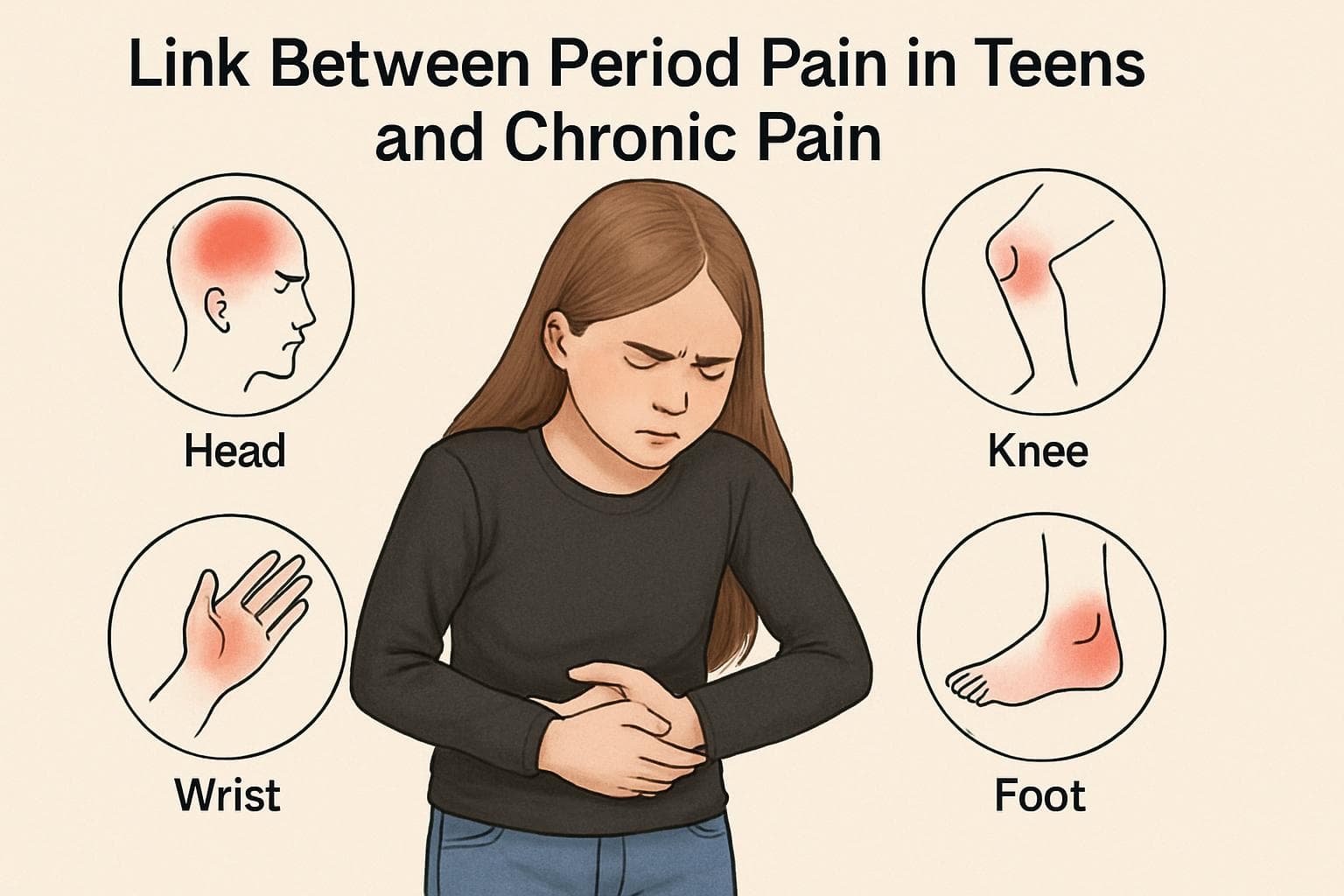
Published in the Lancet Child & Adolescent Health journal, the study is the first to establish a connection between adolescent period pain and chronic pain in other parts of the body. Participants with moderate period pain were found to be 65% more likely to develop chronic pain as adults. The research also highlighted that severe period pain increased the likelihood of chronic headaches and pain in the knees, wrists, hands, feet, and ankles.
Implications for Menstrual Education
The findings have prompted calls for enhanced menstrual education and a reduction in the stigma surrounding period pain. Professor Katy Vincent, a gynaecologist and senior author of the study, emphasized the need for better support systems for young people. "Period pain can significantly disrupt young lives, affecting social development, education, and mental health," she stated. "This study shows that teenage period pain may also shape future physical health."
Understanding the Biological Mechanisms
Researchers believe that the heightened neuroplasticity during adolescence could make teenage brains more sensitive to repeated pain signals, potentially altering how pain is processed. Dr. Rachel Reid-McCann, the lead researcher, noted that moderate or severe period pain might change brain structure and function, increasing the likelihood of chronic pain later in life.
Personal Accounts and Expert Opinions
Wiktoria, a participant in the study, expressed the need for young people to feel heard and supported rather than being told to tolerate the pain. The study underscores the importance of addressing period pain seriously to prevent long-term health consequences.
WHAT THIS MIGHT MEAN
The findings of this study could lead to significant changes in how menstrual health is addressed in both educational and healthcare settings. Improved menstrual education and early intervention strategies could help mitigate the risk of chronic pain in adulthood. Policymakers may consider integrating menstrual health into broader adolescent health programs, emphasizing the importance of seeking medical advice for period pain. Additionally, further research could explore the biological mechanisms behind the link, potentially leading to new treatments for chronic pain related to menstrual health.
Related Articles
Rapid Weight Regain After Stopping Weight-Loss Injections Raises Concerns

New Recombinant Mpox Strain Detected in England

Moltbook: The AI-Driven Social Network Sparking Debate

UK Government Considers Social Media Ban for Under-16s Amidst Growing Concerns

NHS Tribunal Ruling Sparks Debate Over Transgender Rights and Single-Sex Spaces

Matthew McConaughey Trademarks Iconic Phrase to Combat AI Misuse
Teen Period Pain Linked to Chronic Pain in Adulthood, Study Reveals
In This Article
 Maya Singh| Published
 HIGHLIGHTS
- A University of Oxford study found that teenagers with severe period pain have a 76% higher risk of developing chronic pain by age 26.
- The research, involving over 1,100 participants, is the first to link adolescent period pain with chronic pain in other body parts.
- Experts call for improved menstrual education and reduced stigma to address the issue early on.
- The study suggests that changes in the nervous system during adolescence may contribute to chronic pain in adulthood.
- Despite the findings, many young people do not seek help for period pain, often facing dismissal or belittlement.
A groundbreaking study by the University of Oxford has revealed a significant link between severe period pain in teenagers and the development of chronic pain in adulthood. The research, which analyzed data from more than 1,100 participants, found that those experiencing severe period pain at age 15 were 76% more likely to suffer from chronic pain by age 26 compared to those without such pain.
The Study's Findings
Published in the Lancet Child & Adolescent Health journal, the study is the first to establish a connection between adolescent period pain and chronic pain in other parts of the body. Participants with moderate period pain were found to be 65% more likely to develop chronic pain as adults. The research also highlighted that severe period pain increased the likelihood of chronic headaches and pain in the knees, wrists, hands, feet, and ankles.
Implications for Menstrual Education
The findings have prompted calls for enhanced menstrual education and a reduction in the stigma surrounding period pain. Professor Katy Vincent, a gynaecologist and senior author of the study, emphasized the need for better support systems for young people. "Period pain can significantly disrupt young lives, affecting social development, education, and mental health," she stated. "This study shows that teenage period pain may also shape future physical health."
Understanding the Biological Mechanisms
Researchers believe that the heightened neuroplasticity during adolescence could make teenage brains more sensitive to repeated pain signals, potentially altering how pain is processed. Dr. Rachel Reid-McCann, the lead researcher, noted that moderate or severe period pain might change brain structure and function, increasing the likelihood of chronic pain later in life.
Personal Accounts and Expert Opinions
Wiktoria, a participant in the study, expressed the need for young people to feel heard and supported rather than being told to tolerate the pain. The study underscores the importance of addressing period pain seriously to prevent long-term health consequences.
WHAT THIS MIGHT MEAN
The findings of this study could lead to significant changes in how menstrual health is addressed in both educational and healthcare settings. Improved menstrual education and early intervention strategies could help mitigate the risk of chronic pain in adulthood. Policymakers may consider integrating menstrual health into broader adolescent health programs, emphasizing the importance of seeking medical advice for period pain. Additionally, further research could explore the biological mechanisms behind the link, potentially leading to new treatments for chronic pain related to menstrual health.
Related Articles
Rapid Weight Regain After Stopping Weight-Loss Injections Raises Concerns
New Recombinant Mpox Strain Detected in England
Moltbook: The AI-Driven Social Network Sparking Debate
UK Government Considers Social Media Ban for Under-16s Amidst Growing Concerns
NHS Tribunal Ruling Sparks Debate Over Transgender Rights and Single-Sex Spaces
Matthew McConaughey Trademarks Iconic Phrase to Combat AI Misuse