
Teen Sentenced to 13 Years for Murder of Birmingham Schoolboy Leo Ross
In This Article
HIGHLIGHTS
- A teenager has been sentenced to a minimum of 13 years for the murder of 12-year-old Leo Ross in Birmingham.
- The 15-year-old attacker, who cannot be named, pleaded guilty to murder and other violent offenses.
- The judge described the crimes as "horrific and shocking," highlighting the impact on Leo's family and community.
- Leo's mother criticized the sentence as inadequate, expressing concerns about youth sentencing and public safety.
- The attacker reportedly suffers from significant mental health issues, including ADHD and conduct disorder.
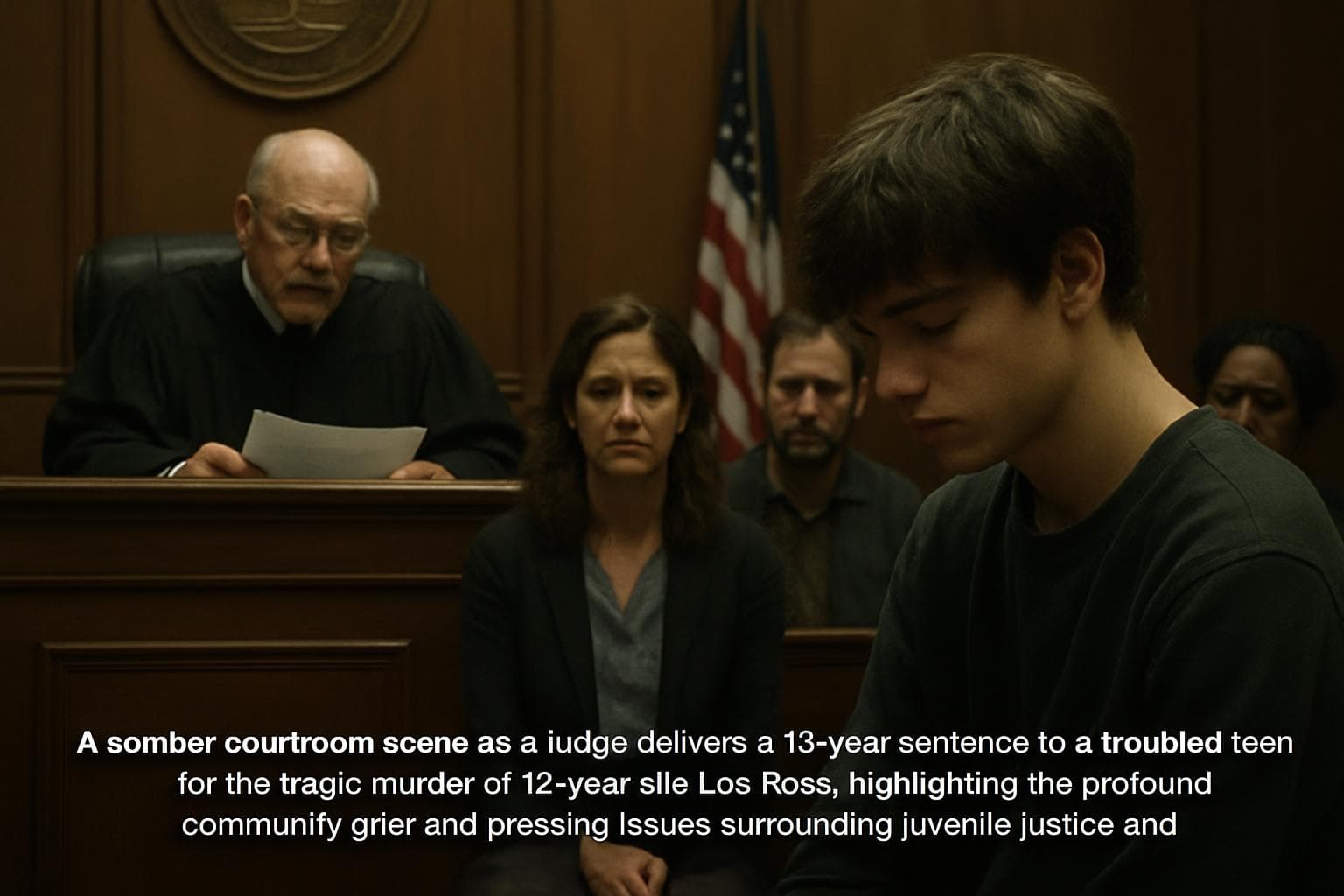
A teenager has been sentenced to a minimum of 13 years in custody for the murder of 12-year-old Leo Ross, who was fatally stabbed on his way home from school in Birmingham. The sentencing took place at Birmingham Crown Court, where Justice Choudhury KC condemned the 15-year-old's actions as "horrific and shocking."
Tragic Incident in Birmingham
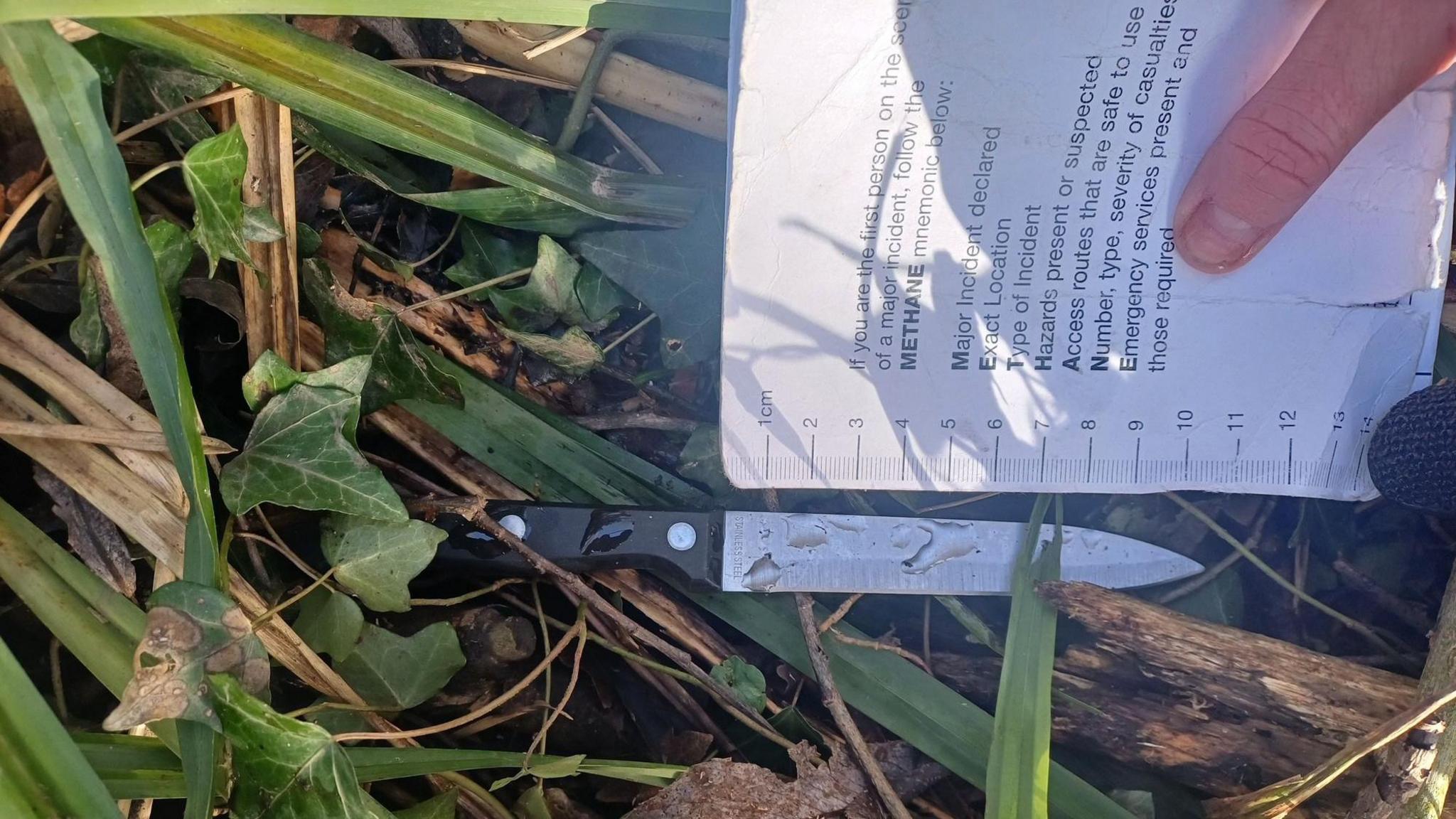
On January 21, 2025, Leo Ross was attacked in Trittiford Mill Park while planning to meet a friend. The young boy was stabbed in the stomach and later succumbed to his injuries in the hospital. The attacker, who was 14 at the time, had been involved in a series of violent incidents, including assaults on elderly women, prior to the murder.
Courtroom Proceedings and Reactions
During the sentencing, Justice Choudhury KC emphasized the senselessness of the crime, stating, "Leo was an innocent schoolboy, and the devastation you have caused is hard to comprehend." The judge also noted the defendant's mental health issues but affirmed that he was aware of his actions' consequences.
Leo's mother, Rachel Fisher, expressed her dissatisfaction with the 13-year sentence, calling it "a joke" and voicing concerns about the effectiveness of youth sentencing in deterring crime. "These kids aren't scared of the sentence," she remarked outside the court.
Impact on the Family and Community
The loss of Leo Ross has left a profound void in his family and community. His foster family, the Westons, shared their grief, stating, "Our world has been torn apart, and his absence has left a permanent void." Leo's father, Christopher Ross, addressed the court, describing his son as "the kindest little boy you could ever hope to meet."
Mental Health Considerations
The defense highlighted the attacker's significant mental health challenges, including ADHD and conduct disorder. Alistair Webster, representing the teenager, noted a history of hearing voices and other psychological issues, which may have influenced his actions.
WHAT THIS MIGHT MEAN
The sentencing of Leo Ross's killer raises critical questions about the juvenile justice system and its handling of youth offenders with mental health issues. The case underscores the need for a balanced approach that addresses both public safety and the rehabilitation of young offenders. As the community grapples with this tragedy, there may be increased calls for reforms in youth sentencing and mental health support for juveniles. The decision to potentially lift reporting restrictions on the attacker's identity could also spark further debate on privacy versus public interest in such cases.
Images from the Web



Related Articles

Teen Pleads Guilty to Random Murder of 12-Year-Old Leo Ross in Birmingham

Rising Concerns Over Youth Crime as London and Birmingham Stabbings Shock Communities

Arrest of Andrew Mountbatten-Windsor Captured in Iconic Photograph

Birmingham's Proactive Approach to Measles Outbreak Offers Lessons for North London

Government Criticized for Mishandling Maccabi Tel Aviv Fan Ban

Jesse Jackson's Legacy: A Lifelong Fight for Racial Equality and Social Justice
Teen Sentenced to 13 Years for Murder of Birmingham Schoolboy Leo Ross
In This Article
 Sofia Romano| Published
 HIGHLIGHTS
- A teenager has been sentenced to a minimum of 13 years for the murder of 12-year-old Leo Ross in Birmingham.
- The 15-year-old attacker, who cannot be named, pleaded guilty to murder and other violent offenses.
- The judge described the crimes as "horrific and shocking," highlighting the impact on Leo's family and community.
- Leo's mother criticized the sentence as inadequate, expressing concerns about youth sentencing and public safety.
- The attacker reportedly suffers from significant mental health issues, including ADHD and conduct disorder.
A teenager has been sentenced to a minimum of 13 years in custody for the murder of 12-year-old Leo Ross, who was fatally stabbed on his way home from school in Birmingham. The sentencing took place at Birmingham Crown Court, where Justice Choudhury KC condemned the 15-year-old's actions as "horrific and shocking."
Tragic Incident in Birmingham
On January 21, 2025, Leo Ross was attacked in Trittiford Mill Park while planning to meet a friend. The young boy was stabbed in the stomach and later succumbed to his injuries in the hospital. The attacker, who was 14 at the time, had been involved in a series of violent incidents, including assaults on elderly women, prior to the murder.
Courtroom Proceedings and Reactions
During the sentencing, Justice Choudhury KC emphasized the senselessness of the crime, stating, "Leo was an innocent schoolboy, and the devastation you have caused is hard to comprehend." The judge also noted the defendant's mental health issues but affirmed that he was aware of his actions' consequences.
Leo's mother, Rachel Fisher, expressed her dissatisfaction with the 13-year sentence, calling it "a joke" and voicing concerns about the effectiveness of youth sentencing in deterring crime. "These kids aren't scared of the sentence," she remarked outside the court.
Impact on the Family and Community
The loss of Leo Ross has left a profound void in his family and community. His foster family, the Westons, shared their grief, stating, "Our world has been torn apart, and his absence has left a permanent void." Leo's father, Christopher Ross, addressed the court, describing his son as "the kindest little boy you could ever hope to meet."
Mental Health Considerations
The defense highlighted the attacker's significant mental health challenges, including ADHD and conduct disorder. Alistair Webster, representing the teenager, noted a history of hearing voices and other psychological issues, which may have influenced his actions.
WHAT THIS MIGHT MEAN
The sentencing of Leo Ross's killer raises critical questions about the juvenile justice system and its handling of youth offenders with mental health issues. The case underscores the need for a balanced approach that addresses both public safety and the rehabilitation of young offenders. As the community grapples with this tragedy, there may be increased calls for reforms in youth sentencing and mental health support for juveniles. The decision to potentially lift reporting restrictions on the attacker's identity could also spark further debate on privacy versus public interest in such cases.
Images from the Web
Related Articles
Teen Pleads Guilty to Random Murder of 12-Year-Old Leo Ross in Birmingham
Rising Concerns Over Youth Crime as London and Birmingham Stabbings Shock Communities
Arrest of Andrew Mountbatten-Windsor Captured in Iconic Photograph
Birmingham's Proactive Approach to Measles Outbreak Offers Lessons for North London
Government Criticized for Mishandling Maccabi Tel Aviv Fan Ban
Jesse Jackson's Legacy: A Lifelong Fight for Racial Equality and Social Justice