
Thames Water's Abingdon Reservoir Costs Soar to £7.5 Billion
In This Article
HIGHLIGHTS
- Thames Water's new reservoir project in Abingdon, Oxfordshire, could cost up to £7.5 billion, tripling the initial estimate of £2.2 billion.
- The cost increase is attributed to design changes, inflation, and rising contracting costs, impacting customers' water bills.
- The reservoir aims to secure water supply for 15 million people in South East England, holding 150 billion litres of water.
- Customers of Thames Water, Affinity Water, and Southern Water will share the financial burden, with bills expected to rise significantly.
- The project has been fast-tracked as a nationally significant infrastructure project, despite local opposition and legal challenges.
Thames Water's ambitious plan to construct a new reservoir in Abingdon, Oxfordshire, has seen its projected costs skyrocket to as much as £7.5 billion, a significant increase from the original estimate of £2.2 billion. This development comes as a blow to government efforts to expand water infrastructure across South East England.
Rising Costs and Customer Impact
The revised budget, published in Thames Water's updated plans, attributes the cost surge to design modifications, rapid inflation, and increased contracting expenses. As a result, customers of Thames Water, Affinity Water, and Southern Water will bear the financial burden through higher water bills. Thames Water's Strategic Water Resources Director, Nevil Muncaster, indicated that bills could rise by approximately £5 a month by 2040.
Securing Water Supply for Millions
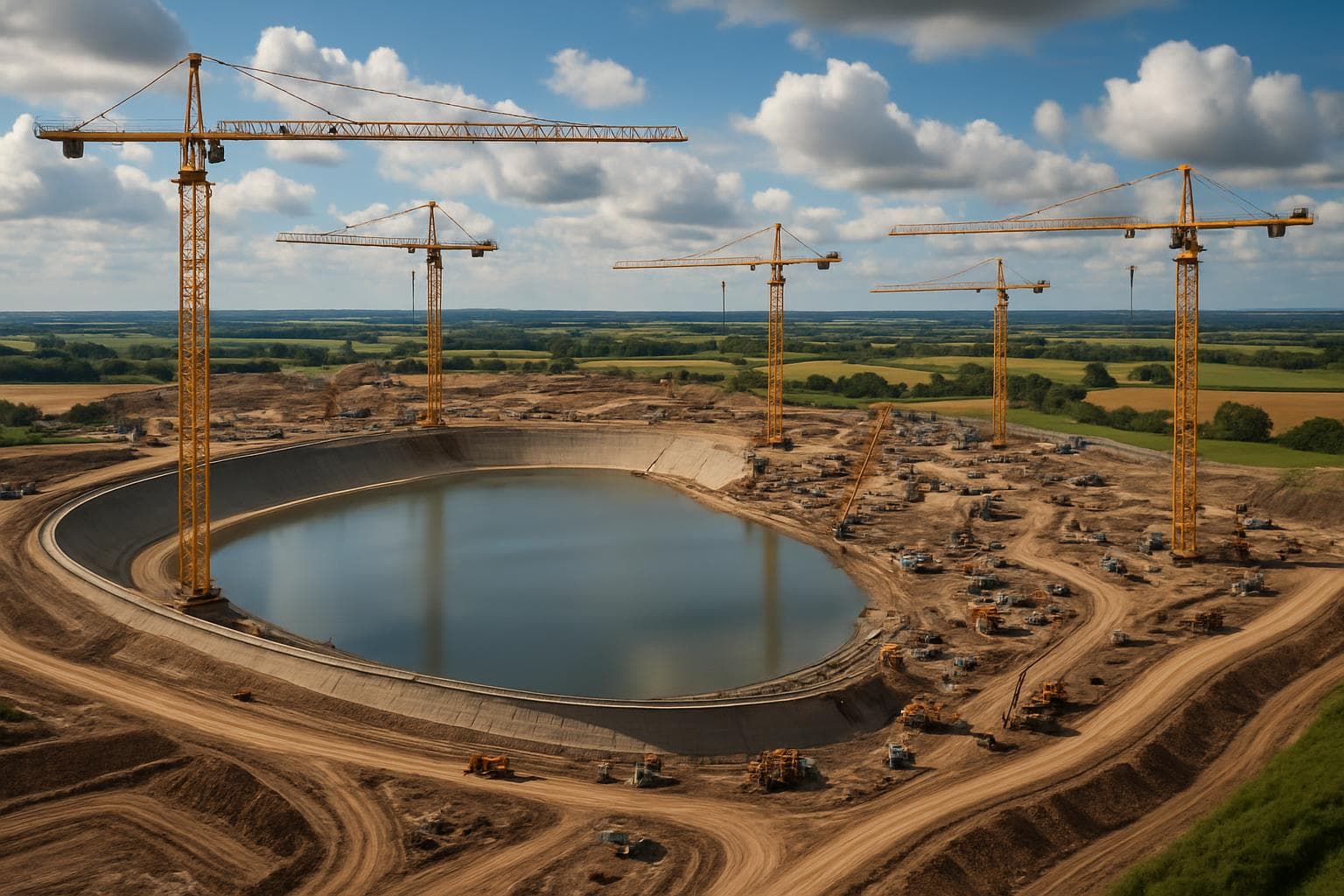
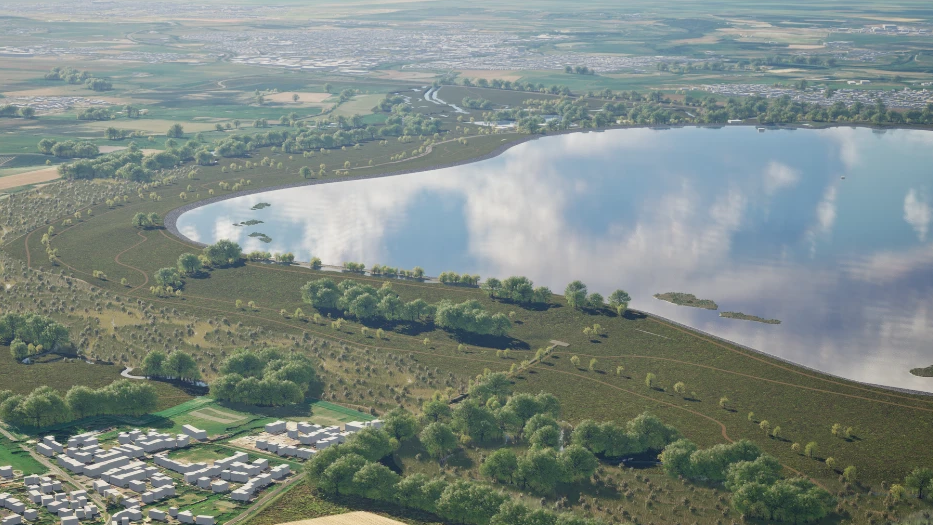
Despite the escalating costs, Thames Water remains committed to the project, which is designed to secure water supply for 15 million people in the region. The reservoir, covering an area comparable to Gatwick Airport, will have the capacity to hold 150 billion litres of water. The company argues that the project still represents the best value for ensuring long-term water security.
Government and Regulatory Backing
The reservoir has been designated a nationally significant infrastructure project, allowing it to bypass a public inquiry and fast-track through planning approval. This decision has faced legal challenges from local campaigners, but their appeal was recently rejected. The project is part of a broader government initiative to build nine major reservoirs, the first in the UK in 30 years, as part of efforts to modernize the country's ageing infrastructure.
Local Opposition and Legal Challenges
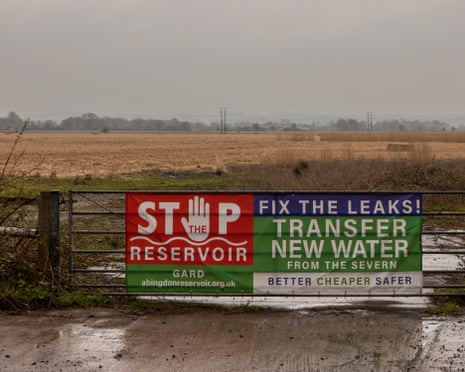
Local opposition remains strong, with campaigners like Derek Stork, chair of the Group Against Reservoir Development, expressing astonishment at the cost increase. Stork, a retired head of technology at the Atomic Energy Authority, criticized Thames Water for not disclosing the rising costs earlier, especially during recent legal proceedings.
WHAT THIS MIGHT MEAN
As Thames Water moves forward with the Abingdon reservoir project, the financial implications for customers and the broader political landscape remain significant. The increased costs could lead to further scrutiny from regulators and potentially more legal challenges from local communities. The government's push to modernize water infrastructure may face hurdles if similar cost escalations occur in other projects. Experts suggest that the success of this project could set a precedent for future infrastructure developments, influencing both policy and public perception of large-scale utility projects in the UK.
Images from the Web
Related Articles

UK Achieves Record Budget Surplus Amid Calls for Fiscal Policy Reform

Breakthrough Drug Offers Hope for Children with Severe Epilepsy

Trump Raises Import Tariffs to 15% After Supreme Court Setback

Arrest of Andrew Mountbatten-Windsor Captured in Iconic Photograph

UK Denies US Use of Military Bases for Potential Iran Strikes Amid Chagos Islands Dispute

Andrew Mountbatten-Windsor Arrested Amid Misconduct Allegations
Thames Water's Abingdon Reservoir Costs Soar to £7.5 Billion
In This Article
 Daniel Rivera| Published
 HIGHLIGHTS
- Thames Water's new reservoir project in Abingdon, Oxfordshire, could cost up to £7.5 billion, tripling the initial estimate of £2.2 billion.
- The cost increase is attributed to design changes, inflation, and rising contracting costs, impacting customers' water bills.
- The reservoir aims to secure water supply for 15 million people in South East England, holding 150 billion litres of water.
- Customers of Thames Water, Affinity Water, and Southern Water will share the financial burden, with bills expected to rise significantly.
- The project has been fast-tracked as a nationally significant infrastructure project, despite local opposition and legal challenges.
Thames Water's ambitious plan to construct a new reservoir in Abingdon, Oxfordshire, has seen its projected costs skyrocket to as much as £7.5 billion, a significant increase from the original estimate of £2.2 billion. This development comes as a blow to government efforts to expand water infrastructure across South East England.
Rising Costs and Customer Impact
The revised budget, published in Thames Water's updated plans, attributes the cost surge to design modifications, rapid inflation, and increased contracting expenses. As a result, customers of Thames Water, Affinity Water, and Southern Water will bear the financial burden through higher water bills. Thames Water's Strategic Water Resources Director, Nevil Muncaster, indicated that bills could rise by approximately £5 a month by 2040.
Securing Water Supply for Millions
Despite the escalating costs, Thames Water remains committed to the project, which is designed to secure water supply for 15 million people in the region. The reservoir, covering an area comparable to Gatwick Airport, will have the capacity to hold 150 billion litres of water. The company argues that the project still represents the best value for ensuring long-term water security.
Government and Regulatory Backing
The reservoir has been designated a nationally significant infrastructure project, allowing it to bypass a public inquiry and fast-track through planning approval. This decision has faced legal challenges from local campaigners, but their appeal was recently rejected. The project is part of a broader government initiative to build nine major reservoirs, the first in the UK in 30 years, as part of efforts to modernize the country's ageing infrastructure.
Local Opposition and Legal Challenges
Local opposition remains strong, with campaigners like Derek Stork, chair of the Group Against Reservoir Development, expressing astonishment at the cost increase. Stork, a retired head of technology at the Atomic Energy Authority, criticized Thames Water for not disclosing the rising costs earlier, especially during recent legal proceedings.
WHAT THIS MIGHT MEAN
As Thames Water moves forward with the Abingdon reservoir project, the financial implications for customers and the broader political landscape remain significant. The increased costs could lead to further scrutiny from regulators and potentially more legal challenges from local communities. The government's push to modernize water infrastructure may face hurdles if similar cost escalations occur in other projects. Experts suggest that the success of this project could set a precedent for future infrastructure developments, influencing both policy and public perception of large-scale utility projects in the UK.
Images from the Web
Related Articles
UK Achieves Record Budget Surplus Amid Calls for Fiscal Policy Reform
Breakthrough Drug Offers Hope for Children with Severe Epilepsy
Trump Raises Import Tariffs to 15% After Supreme Court Setback
Arrest of Andrew Mountbatten-Windsor Captured in Iconic Photograph
UK Denies US Use of Military Bases for Potential Iran Strikes Amid Chagos Islands Dispute
Andrew Mountbatten-Windsor Arrested Amid Misconduct Allegations