
Tommy Robinson Cleared of Charges in St Pancras Assault Case
In This Article
HIGHLIGHTS
- Tommy Robinson, a far-right activist, will not face charges over an alleged assault at St Pancras station on July 28.
- The Crown Prosecution Service (CPS) concluded there was insufficient evidence for a realistic prospect of conviction.
- The alleged victim, a 64-year-old man, declined to provide a statement or support the prosecution.
- Robinson, whose real name is Stephen Yaxley-Lennon, claimed he acted in self-defense during the incident.
- British Transport Police arrested Robinson on August 4 at Luton Airport but released him on bail pending investigation.
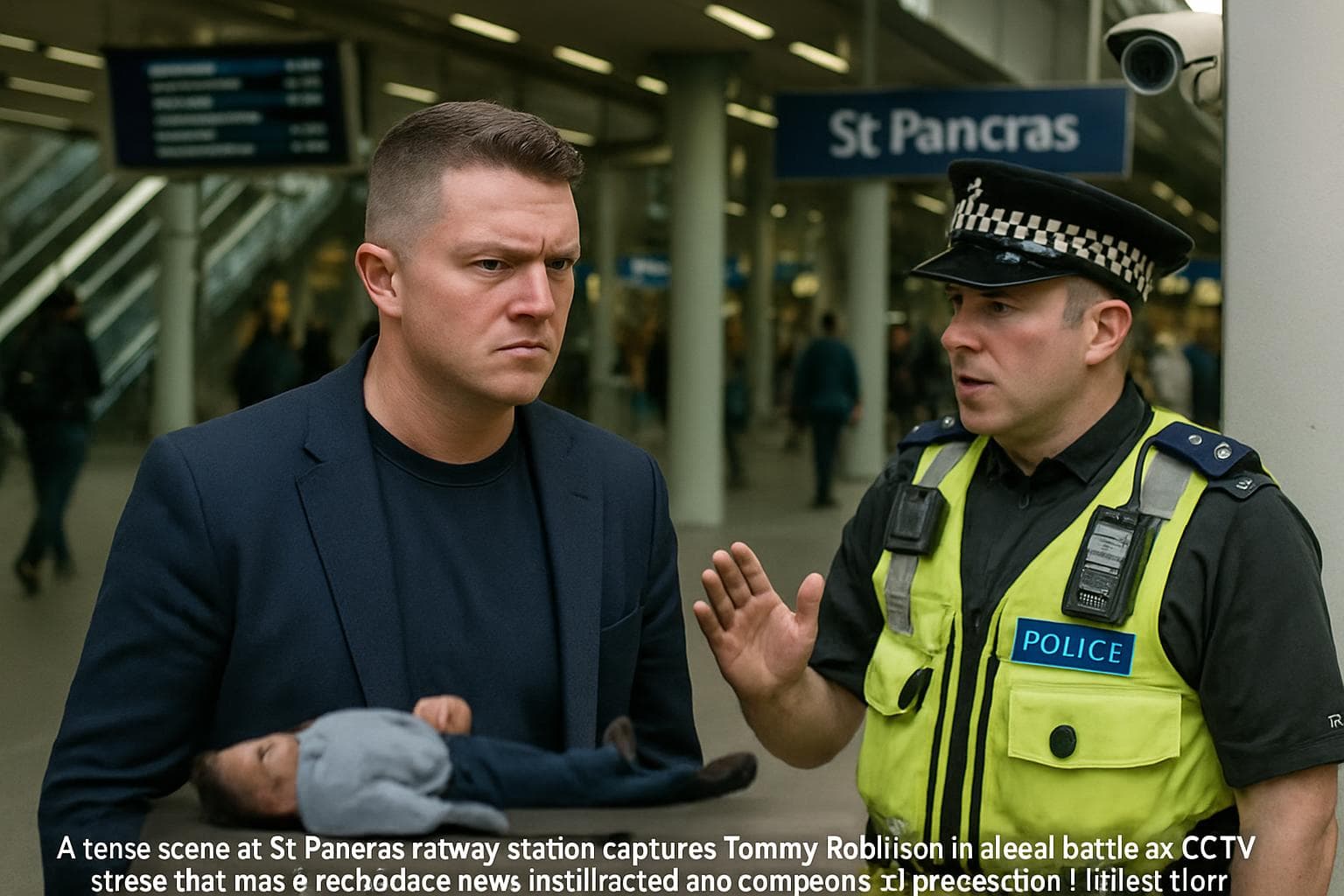
Far-right activist Tommy Robinson will not face charges following an alleged assault at St Pancras railway station in London, according to the British Transport Police (BTP) and the Crown Prosecution Service (CPS). The incident, which occurred on July 28, involved Robinson, whose real name is Stephen Yaxley-Lennon, and a 64-year-old man who was found with serious but non-life-threatening injuries.
Incident and Investigation
The altercation at St Pancras station was captured on CCTV, showing Robinson pacing near a man lying motionless on the ground. The footage, along with witness statements, was presented to the CPS. However, the alleged victim refused to provide a statement or participate in the prosecution, leading the CPS to determine that there was not enough evidence to secure a conviction.
Robinson's Arrest and Defense
Robinson was arrested on August 4 at Luton Airport on suspicion of grievous bodily harm. He was released on bail as the investigation continued. In a social media post, Robinson claimed he acted in self-defense, questioning the grounds for his arrest. The BTP confirmed that despite their efforts to gather evidence, the lack of cooperation from the alleged victim hindered the case.
Legal Context and Outcome
The CPS, responsible for reviewing the evidence and deciding on charges, concluded that the legal threshold for prosecution was not met. The alleged victim retains the right to appeal the decision, but this is considered unlikely given his lack of cooperation with the investigation.
WHAT THIS MIGHT MEAN
The decision not to charge Tommy Robinson highlights the challenges prosecutors face when key witnesses are unwilling to cooperate. Without the alleged victim's testimony, the CPS found it difficult to pursue legal action, despite available CCTV evidence. This case underscores the importance of victim cooperation in legal proceedings, particularly in incidents involving public figures like Robinson.
Moving forward, this outcome may embolden Robinson's supporters while raising concerns among his critics about accountability. The incident also serves as a reminder of the complexities involved in prosecuting cases where self-defense is claimed, especially in high-profile situations. Legal experts may continue to debate the implications of this decision on future cases involving public figures and self-defense claims.
Related Articles
Nottingham Attacks Inquiry: Families Demand Accountability and Truth
UK Police Intensify Investigation into Andrew Mountbatten-Windsor Amid Misconduct Allegations
Prince Andrew's Arrest Raises Questions About Royal Succession and Monarchy's Future

Rising Concerns Over Youth Crime as London and Birmingham Stabbings Shock Communities
Labour MP's Husband Arrested in UK-China Espionage Probe
Andrew Mountbatten-Windsor Arrested Amid Misconduct Allegations
Tommy Robinson Cleared of Charges in St Pancras Assault Case
In This Article
 Sofia Romano| Published
 HIGHLIGHTS
- Tommy Robinson, a far-right activist, will not face charges over an alleged assault at St Pancras station on July 28.
- The Crown Prosecution Service (CPS) concluded there was insufficient evidence for a realistic prospect of conviction.
- The alleged victim, a 64-year-old man, declined to provide a statement or support the prosecution.
- Robinson, whose real name is Stephen Yaxley-Lennon, claimed he acted in self-defense during the incident.
- British Transport Police arrested Robinson on August 4 at Luton Airport but released him on bail pending investigation.
Far-right activist Tommy Robinson will not face charges following an alleged assault at St Pancras railway station in London, according to the British Transport Police (BTP) and the Crown Prosecution Service (CPS). The incident, which occurred on July 28, involved Robinson, whose real name is Stephen Yaxley-Lennon, and a 64-year-old man who was found with serious but non-life-threatening injuries.
Incident and Investigation
The altercation at St Pancras station was captured on CCTV, showing Robinson pacing near a man lying motionless on the ground. The footage, along with witness statements, was presented to the CPS. However, the alleged victim refused to provide a statement or participate in the prosecution, leading the CPS to determine that there was not enough evidence to secure a conviction.
Robinson's Arrest and Defense
Robinson was arrested on August 4 at Luton Airport on suspicion of grievous bodily harm. He was released on bail as the investigation continued. In a social media post, Robinson claimed he acted in self-defense, questioning the grounds for his arrest. The BTP confirmed that despite their efforts to gather evidence, the lack of cooperation from the alleged victim hindered the case.
Legal Context and Outcome
The CPS, responsible for reviewing the evidence and deciding on charges, concluded that the legal threshold for prosecution was not met. The alleged victim retains the right to appeal the decision, but this is considered unlikely given his lack of cooperation with the investigation.
WHAT THIS MIGHT MEAN
The decision not to charge Tommy Robinson highlights the challenges prosecutors face when key witnesses are unwilling to cooperate. Without the alleged victim's testimony, the CPS found it difficult to pursue legal action, despite available CCTV evidence. This case underscores the importance of victim cooperation in legal proceedings, particularly in incidents involving public figures like Robinson.
Moving forward, this outcome may embolden Robinson's supporters while raising concerns among his critics about accountability. The incident also serves as a reminder of the complexities involved in prosecuting cases where self-defense is claimed, especially in high-profile situations. Legal experts may continue to debate the implications of this decision on future cases involving public figures and self-defense claims.
Related Articles
Nottingham Attacks Inquiry: Families Demand Accountability and Truth
UK Police Intensify Investigation into Andrew Mountbatten-Windsor Amid Misconduct Allegations
Prince Andrew's Arrest Raises Questions About Royal Succession and Monarchy's Future
Rising Concerns Over Youth Crime as London and Birmingham Stabbings Shock Communities
Labour MP's Husband Arrested in UK-China Espionage Probe
Andrew Mountbatten-Windsor Arrested Amid Misconduct Allegations