
Trump's Attempt to Dismiss Fed Governor Lisa Cook Sparks Legal Battle

In This Article
HIGHLIGHTS
- President Donald Trump has moved to dismiss Federal Reserve Governor Lisa Cook over alleged mortgage fraud, sparking legal and political controversy.
- Cook, appointed by President Biden in 2022, denies the allegations and asserts that Trump lacks the legal authority to remove her.
- The dismissal raises questions about the independence of the Federal Reserve and the president's influence over economic policy.
- Legal experts suggest the White House may need to justify the dismissal in court, as the Supreme Court has indicated limits on presidential power over the Fed.
- The allegations stem from claims by Trump ally Bill Pulte, who accused Cook of misrepresenting her primary residence on mortgage documents.
In an unprecedented move, President Donald Trump has announced the immediate dismissal of Federal Reserve Governor Lisa Cook, citing allegations of mortgage fraud. This decision marks a significant escalation in Trump's ongoing conflict with the US central bank, raising critical questions about its independence and the extent of presidential authority.
Allegations and Response
The controversy centers on claims made by Bill Pulte, a Trump-appointed official, who accused Cook of falsely declaring two different properties as her primary residence in mortgage applications. Trump, leveraging these allegations, informed Cook of her removal via a letter posted on his social media platform, Truth Social. However, Cook, the first African American woman to serve on the Fed's board, has firmly denied the allegations, stating, "President Trump purported to fire me 'for cause' when no cause exists under the law, and he has no authority to do so."
Legal and Political Implications
The move has sparked a legal debate, with experts suggesting that the White House may need to substantiate its claims in court. The US Supreme Court has previously suggested that the president does not have the power to remove Federal Reserve governors without cause. Cook's lawyer, Abbe David Lowell, emphasized the lack of legal basis for Trump's actions, stating, "We will take whatever actions are needed to prevent this attempted illegal action."
Impact on Federal Reserve Independence
Trump's decision to dismiss Cook is part of a broader strategy to exert influence over the Federal Reserve, particularly in his push for lower interest rates. The Fed, led by Chair Jerome Powell, has resisted these demands, maintaining its focus on economic stability. The independence of the central bank is a cornerstone of US economic policy, allowing it to make decisions free from political pressure. This independence is now under scrutiny as Trump's actions could set a precedent for future presidential interventions.
WHAT THIS MIGHT MEAN
The unfolding legal battle over Lisa Cook's dismissal could have significant implications for the Federal Reserve's future. If the courts rule in favor of Cook, it would reinforce the Fed's independence and limit presidential power over its governance. Conversely, a ruling in favor of Trump could embolden future administrations to exert greater control over the central bank, potentially undermining its ability to make impartial economic decisions.
Politically, this move may further polarize opinions on Trump's approach to economic policy, with critics arguing that it jeopardizes the stability of the US financial system. As the situation develops, the outcome could influence both domestic and international perceptions of US economic governance.
Related Articles

Spain's Sánchez Stands Firm Against Trump's Trade Threat Over Iran Stance
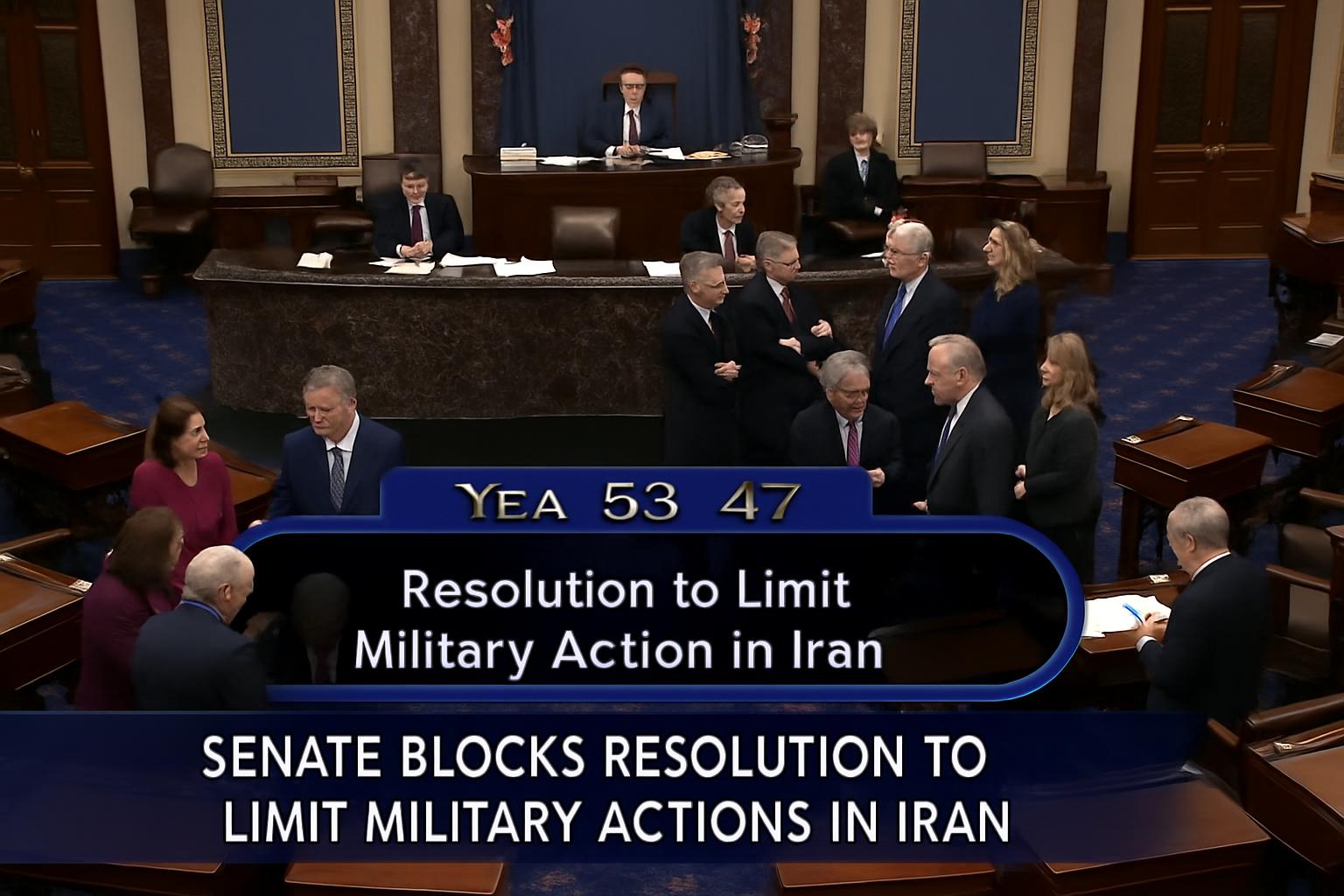
Senate Blocks Resolution to Limit Trump's Military Actions in Iran

Iran Postpones Khamenei Funeral Amid Escalating US-Israeli Strikes
US Supreme Court Ruling Sparks Trade Uncertainty in Asia and Beyond

Tech Giants Pledge to Cover AI Data Center Energy Costs Amid Rising Electricity Concerns
Congress Subpoenas Attorney General Bondi in Epstein Investigation
Trump's Attempt to Dismiss Fed Governor Lisa Cook Sparks Legal Battle
In This Article
 Ethan Brooks| Published
 HIGHLIGHTS
- President Donald Trump has moved to dismiss Federal Reserve Governor Lisa Cook over alleged mortgage fraud, sparking legal and political controversy.
- Cook, appointed by President Biden in 2022, denies the allegations and asserts that Trump lacks the legal authority to remove her.
- The dismissal raises questions about the independence of the Federal Reserve and the president's influence over economic policy.
- Legal experts suggest the White House may need to justify the dismissal in court, as the Supreme Court has indicated limits on presidential power over the Fed.
- The allegations stem from claims by Trump ally Bill Pulte, who accused Cook of misrepresenting her primary residence on mortgage documents.
In an unprecedented move, President Donald Trump has announced the immediate dismissal of Federal Reserve Governor Lisa Cook, citing allegations of mortgage fraud. This decision marks a significant escalation in Trump's ongoing conflict with the US central bank, raising critical questions about its independence and the extent of presidential authority.
Allegations and Response
The controversy centers on claims made by Bill Pulte, a Trump-appointed official, who accused Cook of falsely declaring two different properties as her primary residence in mortgage applications. Trump, leveraging these allegations, informed Cook of her removal via a letter posted on his social media platform, Truth Social. However, Cook, the first African American woman to serve on the Fed's board, has firmly denied the allegations, stating, "President Trump purported to fire me 'for cause' when no cause exists under the law, and he has no authority to do so."
Legal and Political Implications
The move has sparked a legal debate, with experts suggesting that the White House may need to substantiate its claims in court. The US Supreme Court has previously suggested that the president does not have the power to remove Federal Reserve governors without cause. Cook's lawyer, Abbe David Lowell, emphasized the lack of legal basis for Trump's actions, stating, "We will take whatever actions are needed to prevent this attempted illegal action."
Impact on Federal Reserve Independence
Trump's decision to dismiss Cook is part of a broader strategy to exert influence over the Federal Reserve, particularly in his push for lower interest rates. The Fed, led by Chair Jerome Powell, has resisted these demands, maintaining its focus on economic stability. The independence of the central bank is a cornerstone of US economic policy, allowing it to make decisions free from political pressure. This independence is now under scrutiny as Trump's actions could set a precedent for future presidential interventions.
WHAT THIS MIGHT MEAN
The unfolding legal battle over Lisa Cook's dismissal could have significant implications for the Federal Reserve's future. If the courts rule in favor of Cook, it would reinforce the Fed's independence and limit presidential power over its governance. Conversely, a ruling in favor of Trump could embolden future administrations to exert greater control over the central bank, potentially undermining its ability to make impartial economic decisions.
Politically, this move may further polarize opinions on Trump's approach to economic policy, with critics arguing that it jeopardizes the stability of the US financial system. As the situation develops, the outcome could influence both domestic and international perceptions of US economic governance.
Related Articles
Spain's Sánchez Stands Firm Against Trump's Trade Threat Over Iran Stance
Senate Blocks Resolution to Limit Trump's Military Actions in Iran
Iran Postpones Khamenei Funeral Amid Escalating US-Israeli Strikes
US Supreme Court Ruling Sparks Trade Uncertainty in Asia and Beyond
Tech Giants Pledge to Cover AI Data Center Energy Costs Amid Rising Electricity Concerns
Congress Subpoenas Attorney General Bondi in Epstein Investigation