
Uber and Lyft to Launch Chinese Robotaxi Trials in London by 2026
In This Article
HIGHLIGHTS
- Uber and Lyft plan to trial Chinese robotaxis in London by 2026, partnering with Baidu's Apollo Go.
- The UK government is accelerating frameworks to allow autonomous vehicle trials, with testing expected to start in 2026.
- Concerns over safety and national security persist, with experts warning about potential risks of Chinese technology dominance.
- Public skepticism remains high, with a significant portion of UK respondents expressing discomfort with driverless taxis.
- Baidu's Apollo Go service is a leader in Asia, operating in 22 cities and providing 250,000 driverless rides weekly.
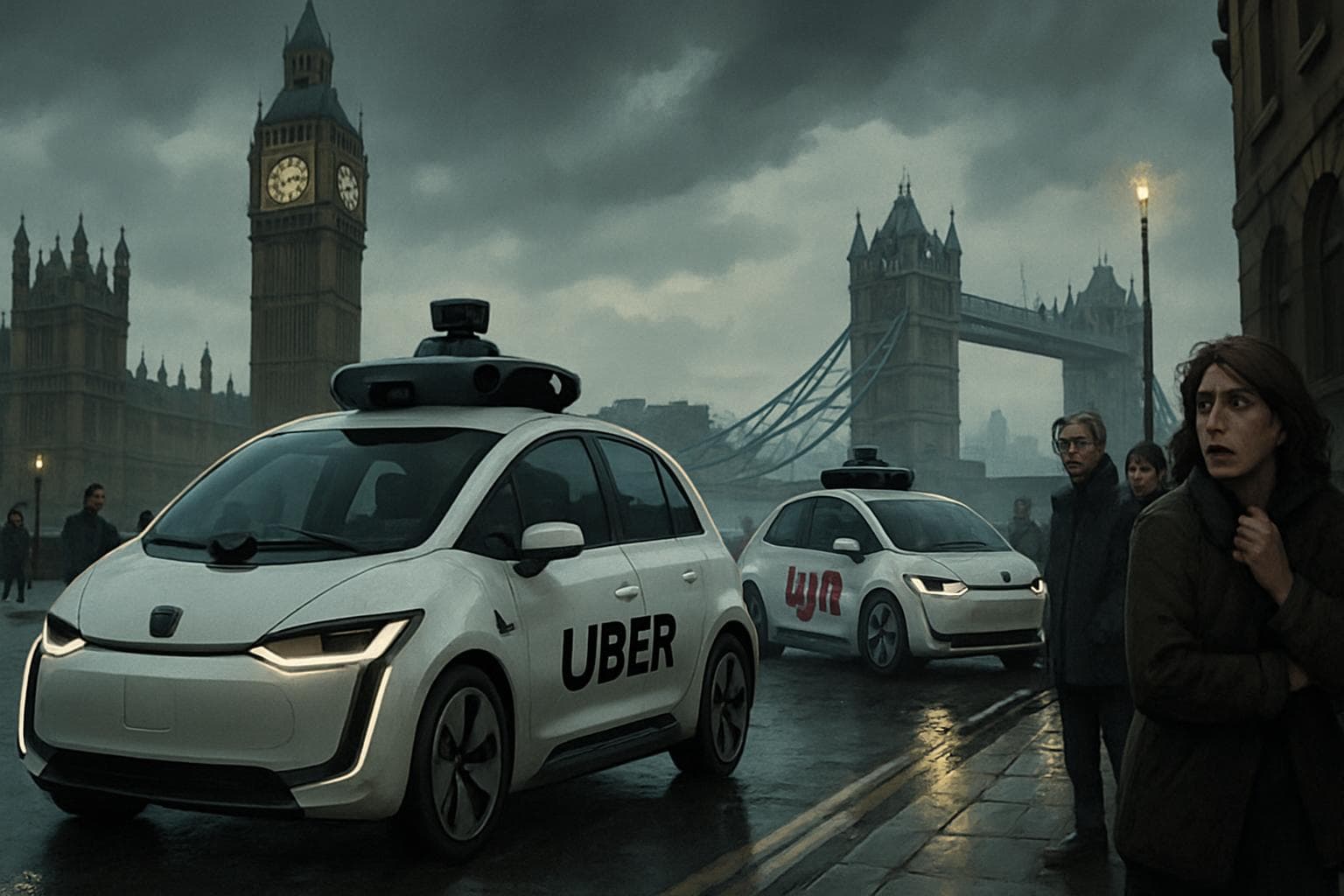
In a significant move towards the future of urban mobility, ride-hailing giants Uber and Lyft have announced plans to introduce Chinese robotaxis on the streets of London by 2026. This initiative, in partnership with Beijing-based Baidu, aims to deploy the company's Apollo Go self-driving technology in the UK capital, marking a pivotal step in autonomous vehicle integration.
Partnerships and Plans
Both Uber and Lyft have secured agreements with Baidu to test its driverless taxis, with the UK government expediting regulatory frameworks to facilitate these trials. Transport Secretary Heidi Alexander expressed optimism, stating that the initiative represents a "vote of confidence" in the UK's self-driving vehicle plans. Testing is set to commence in the first half of 2026, aligning with the government's frontier plan for autonomous vehicle trials.
Safety and Security Concerns
Despite the technological advancements, the introduction of Chinese robotaxis has sparked concerns over safety and national security. Experts have raised alarms about the potential risks of relying on Chinese technology, including data privacy issues and the possibility of system manipulation. Charles Parton, an associate fellow at the defence thinktank Rusi, warned of the dangers of dependency on foreign technology, suggesting that in times of conflict, these systems could be vulnerable to exploitation.
Public Skepticism
Public sentiment towards driverless taxis remains cautious. A recent YouGov poll revealed that nearly 60% of UK respondents would not feel comfortable riding in a driverless taxi, with 85% preferring a human driver if given the same price and convenience. Instances of autonomous vehicles malfunctioning, such as Waymo's recent service suspension in San Francisco, continue to fuel these apprehensions.
Baidu's Autonomous Leadership
Baidu's Apollo Go service is a frontrunner in Asia's autonomous ride-hailing sector, operating in 22 cities and delivering approximately 250,000 fully driverless rides weekly. Lyft's CEO, David Risher, emphasized the company's commitment to integrating autonomous vehicles with human drivers to meet London's diverse transportation needs. Uber echoed this sentiment, highlighting the potential for these trials to enhance London's mobility landscape.
WHAT THIS MIGHT MEAN
As Uber and Lyft prepare to introduce Chinese robotaxis in London, the success of these trials could significantly influence the future of urban transportation. Should the trials prove successful, it may pave the way for broader adoption of autonomous vehicles across the UK, potentially transforming public transport systems. However, overcoming public skepticism and addressing security concerns will be crucial for gaining widespread acceptance.
The involvement of Chinese technology in the UK's transport infrastructure could also have geopolitical implications. As the UK navigates its relationship with China, ensuring robust data protection and system security will be paramount. Experts suggest that a balanced approach, integrating both autonomous and human-driven vehicles, could mitigate some of these risks while advancing the UK's leadership in transport innovation.
Related Articles

Labour MP's Husband Arrested in UK-China Espionage Probe
China Sets Lowest GDP Growth Target in Decades Amid Economic Challenges

Breakthrough Drug Offers Hope for Children with Severe Epilepsy
Elon Musk Defends Tweets in Twitter Takeover Trial

Reform UK Aims to Reshape Welsh Politics with New Manifesto

Middle East Conflict Drives UK Energy Prices to New Highs
Uber and Lyft to Launch Chinese Robotaxi Trials in London by 2026
In This Article
 Leila Hassan| Published
 HIGHLIGHTS
- Uber and Lyft plan to trial Chinese robotaxis in London by 2026, partnering with Baidu's Apollo Go.
- The UK government is accelerating frameworks to allow autonomous vehicle trials, with testing expected to start in 2026.
- Concerns over safety and national security persist, with experts warning about potential risks of Chinese technology dominance.
- Public skepticism remains high, with a significant portion of UK respondents expressing discomfort with driverless taxis.
- Baidu's Apollo Go service is a leader in Asia, operating in 22 cities and providing 250,000 driverless rides weekly.
In a significant move towards the future of urban mobility, ride-hailing giants Uber and Lyft have announced plans to introduce Chinese robotaxis on the streets of London by 2026. This initiative, in partnership with Beijing-based Baidu, aims to deploy the company's Apollo Go self-driving technology in the UK capital, marking a pivotal step in autonomous vehicle integration.
Partnerships and Plans
Both Uber and Lyft have secured agreements with Baidu to test its driverless taxis, with the UK government expediting regulatory frameworks to facilitate these trials. Transport Secretary Heidi Alexander expressed optimism, stating that the initiative represents a "vote of confidence" in the UK's self-driving vehicle plans. Testing is set to commence in the first half of 2026, aligning with the government's frontier plan for autonomous vehicle trials.
Safety and Security Concerns
Despite the technological advancements, the introduction of Chinese robotaxis has sparked concerns over safety and national security. Experts have raised alarms about the potential risks of relying on Chinese technology, including data privacy issues and the possibility of system manipulation. Charles Parton, an associate fellow at the defence thinktank Rusi, warned of the dangers of dependency on foreign technology, suggesting that in times of conflict, these systems could be vulnerable to exploitation.
Public Skepticism
Public sentiment towards driverless taxis remains cautious. A recent YouGov poll revealed that nearly 60% of UK respondents would not feel comfortable riding in a driverless taxi, with 85% preferring a human driver if given the same price and convenience. Instances of autonomous vehicles malfunctioning, such as Waymo's recent service suspension in San Francisco, continue to fuel these apprehensions.
Baidu's Autonomous Leadership
Baidu's Apollo Go service is a frontrunner in Asia's autonomous ride-hailing sector, operating in 22 cities and delivering approximately 250,000 fully driverless rides weekly. Lyft's CEO, David Risher, emphasized the company's commitment to integrating autonomous vehicles with human drivers to meet London's diverse transportation needs. Uber echoed this sentiment, highlighting the potential for these trials to enhance London's mobility landscape.
WHAT THIS MIGHT MEAN
As Uber and Lyft prepare to introduce Chinese robotaxis in London, the success of these trials could significantly influence the future of urban transportation. Should the trials prove successful, it may pave the way for broader adoption of autonomous vehicles across the UK, potentially transforming public transport systems. However, overcoming public skepticism and addressing security concerns will be crucial for gaining widespread acceptance.
The involvement of Chinese technology in the UK's transport infrastructure could also have geopolitical implications. As the UK navigates its relationship with China, ensuring robust data protection and system security will be paramount. Experts suggest that a balanced approach, integrating both autonomous and human-driven vehicles, could mitigate some of these risks while advancing the UK's leadership in transport innovation.
Related Articles
Labour MP's Husband Arrested in UK-China Espionage Probe
China Sets Lowest GDP Growth Target in Decades Amid Economic Challenges
Breakthrough Drug Offers Hope for Children with Severe Epilepsy
Elon Musk Defends Tweets in Twitter Takeover Trial
Reform UK Aims to Reshape Welsh Politics with New Manifesto
Middle East Conflict Drives UK Energy Prices to New Highs