
UK Air Traffic Control Glitch Sparks Calls for Leadership Change
In This Article
HIGHLIGHTS
- A technical glitch in the UK air traffic control system led to the cancellation of over 150 flights, affecting thousands of passengers.
- NATS, the air traffic control provider, resolved the issue within 20 minutes but faced criticism for recurring disruptions.
- Ryanair and EasyJet executives called for NATS CEO Martin Rolfe's resignation, citing mismanagement and repeated failures.
- The UK government is collaborating with NATS to investigate the cause of the outage, which was not cyber-related.
- The incident follows a major disruption in August 2023, affecting over 700,000 passengers due to a similar technical problem.
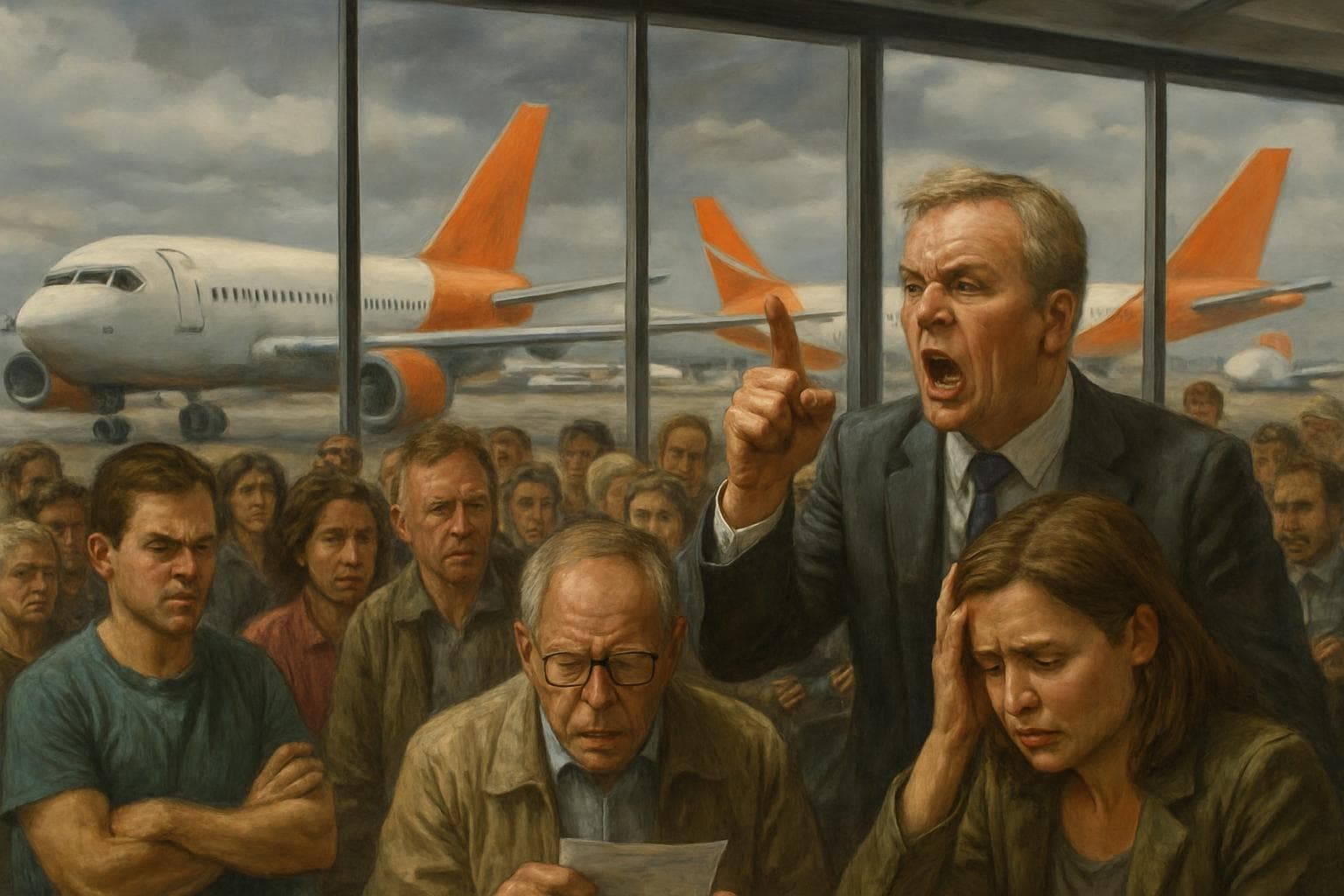
A recent technical failure in the UK's air traffic control system has reignited calls for the resignation of NATS CEO Martin Rolfe, as airlines and passengers grapple with the fallout of widespread flight cancellations. The glitch, which occurred on Wednesday, grounded over 150 flights and disrupted thousands more, leaving passengers stranded and airlines frustrated.
System Failure and Immediate Impact
The air traffic control provider, NATS, reported that the issue was radar-related and not linked to any cyber threats. The problem was resolved within 20 minutes by switching to a backup system, yet the disruption had already caused significant delays. Heathrow Airport alone saw ten flights canceled on Thursday morning, while British Airways had to limit its operations to 32 flights per hour until the evening.
Airlines Demand Accountability
The incident has drawn sharp criticism from major airlines. Ryanair's Chief Operating Officer, Neal McMahon, described the situation as "outrageous," blaming Rolfe's "continued mismanagement" for the repeated disruptions. EasyJet's David Morgan echoed these sentiments, expressing disappointment over the failure's impact during a crucial travel period. Both airlines have demanded clarity on the measures NATS will implement to prevent future occurrences.
Government and Public Response
The UK government has pledged to work closely with NATS to understand the root cause of the failure. Transport Secretary Heidi Alexander acknowledged the technical issue and advised passengers to stay updated through their respective airlines. Meanwhile, passengers like Sarah McPherson and Jonathan Carr shared their frustrations, highlighting the personal toll of such disruptions on travel plans.
Historical Context and Future Concerns
This recent glitch follows a significant outage in August 2023, which affected over 700,000 passengers. The recurrence of such issues has raised concerns about the resilience of the UK's air traffic infrastructure. Industry experts and travel organizations have called for urgent reforms to ensure the reliability of critical systems and minimize the impact on travelers.
WHAT THIS MIGHT MEAN
The latest air traffic control failure has intensified scrutiny on NATS and its leadership. If Martin Rolfe steps down, it could lead to a leadership overhaul and potential policy changes within the organization. The UK government may also face pressure to implement stricter oversight and invest in technological upgrades to prevent future disruptions. As airlines and passengers demand accountability, the situation underscores the need for robust infrastructure to support the aviation industry's growth and stability.
Related Articles

UK Government to Reform Asylum Seeker Support and Employment Policies

UK Faces Dilemmas Amid Iran Conflict and China Spying Allegations
UK Reinforces Military Presence in Cyprus Amid Middle East Tensions

UK-Iran Tensions: Starmer Defends Cautious Approach Amid Trump Criticism

Persistent Safety Concerns in Nottingham Maternity Services Amidst Calls for Systemic Reform

Diplomatic Tensions Rise as Trump Criticizes Starmer's Iran Policy
UK Air Traffic Control Glitch Sparks Calls for Leadership Change
In This Article
 Ethan Brooks| Published
 HIGHLIGHTS
- A technical glitch in the UK air traffic control system led to the cancellation of over 150 flights, affecting thousands of passengers.
- NATS, the air traffic control provider, resolved the issue within 20 minutes but faced criticism for recurring disruptions.
- Ryanair and EasyJet executives called for NATS CEO Martin Rolfe's resignation, citing mismanagement and repeated failures.
- The UK government is collaborating with NATS to investigate the cause of the outage, which was not cyber-related.
- The incident follows a major disruption in August 2023, affecting over 700,000 passengers due to a similar technical problem.
A recent technical failure in the UK's air traffic control system has reignited calls for the resignation of NATS CEO Martin Rolfe, as airlines and passengers grapple with the fallout of widespread flight cancellations. The glitch, which occurred on Wednesday, grounded over 150 flights and disrupted thousands more, leaving passengers stranded and airlines frustrated.
System Failure and Immediate Impact
The air traffic control provider, NATS, reported that the issue was radar-related and not linked to any cyber threats. The problem was resolved within 20 minutes by switching to a backup system, yet the disruption had already caused significant delays. Heathrow Airport alone saw ten flights canceled on Thursday morning, while British Airways had to limit its operations to 32 flights per hour until the evening.
Airlines Demand Accountability
The incident has drawn sharp criticism from major airlines. Ryanair's Chief Operating Officer, Neal McMahon, described the situation as "outrageous," blaming Rolfe's "continued mismanagement" for the repeated disruptions. EasyJet's David Morgan echoed these sentiments, expressing disappointment over the failure's impact during a crucial travel period. Both airlines have demanded clarity on the measures NATS will implement to prevent future occurrences.
Government and Public Response
The UK government has pledged to work closely with NATS to understand the root cause of the failure. Transport Secretary Heidi Alexander acknowledged the technical issue and advised passengers to stay updated through their respective airlines. Meanwhile, passengers like Sarah McPherson and Jonathan Carr shared their frustrations, highlighting the personal toll of such disruptions on travel plans.
Historical Context and Future Concerns
This recent glitch follows a significant outage in August 2023, which affected over 700,000 passengers. The recurrence of such issues has raised concerns about the resilience of the UK's air traffic infrastructure. Industry experts and travel organizations have called for urgent reforms to ensure the reliability of critical systems and minimize the impact on travelers.
WHAT THIS MIGHT MEAN
The latest air traffic control failure has intensified scrutiny on NATS and its leadership. If Martin Rolfe steps down, it could lead to a leadership overhaul and potential policy changes within the organization. The UK government may also face pressure to implement stricter oversight and invest in technological upgrades to prevent future disruptions. As airlines and passengers demand accountability, the situation underscores the need for robust infrastructure to support the aviation industry's growth and stability.
Related Articles
UK Government to Reform Asylum Seeker Support and Employment Policies
UK Faces Dilemmas Amid Iran Conflict and China Spying Allegations
UK Reinforces Military Presence in Cyprus Amid Middle East Tensions
UK-Iran Tensions: Starmer Defends Cautious Approach Amid Trump Criticism
Persistent Safety Concerns in Nottingham Maternity Services Amidst Calls for Systemic Reform
Diplomatic Tensions Rise as Trump Criticizes Starmer's Iran Policy