
Ash Trees Show Signs of Resilience Against Devastating Fungus
In This Article
HIGHLIGHTS
- Ash trees in the UK are evolving resistance to the ash dieback fungus, offering hope for their survival.
- The fungal infection, Hymenoscyphus fraxineus, has devastated ash populations since its arrival in 2012, threatening up to 85% of trees.
- Genetic studies reveal that natural selection is driving resistance in new generations of ash trees.
- Scientists emphasize the importance of natural regeneration and conservation efforts to support this evolutionary process.
- The research, published in Science, highlights the rapid pace of evolution and the potential for biodiversity recovery.
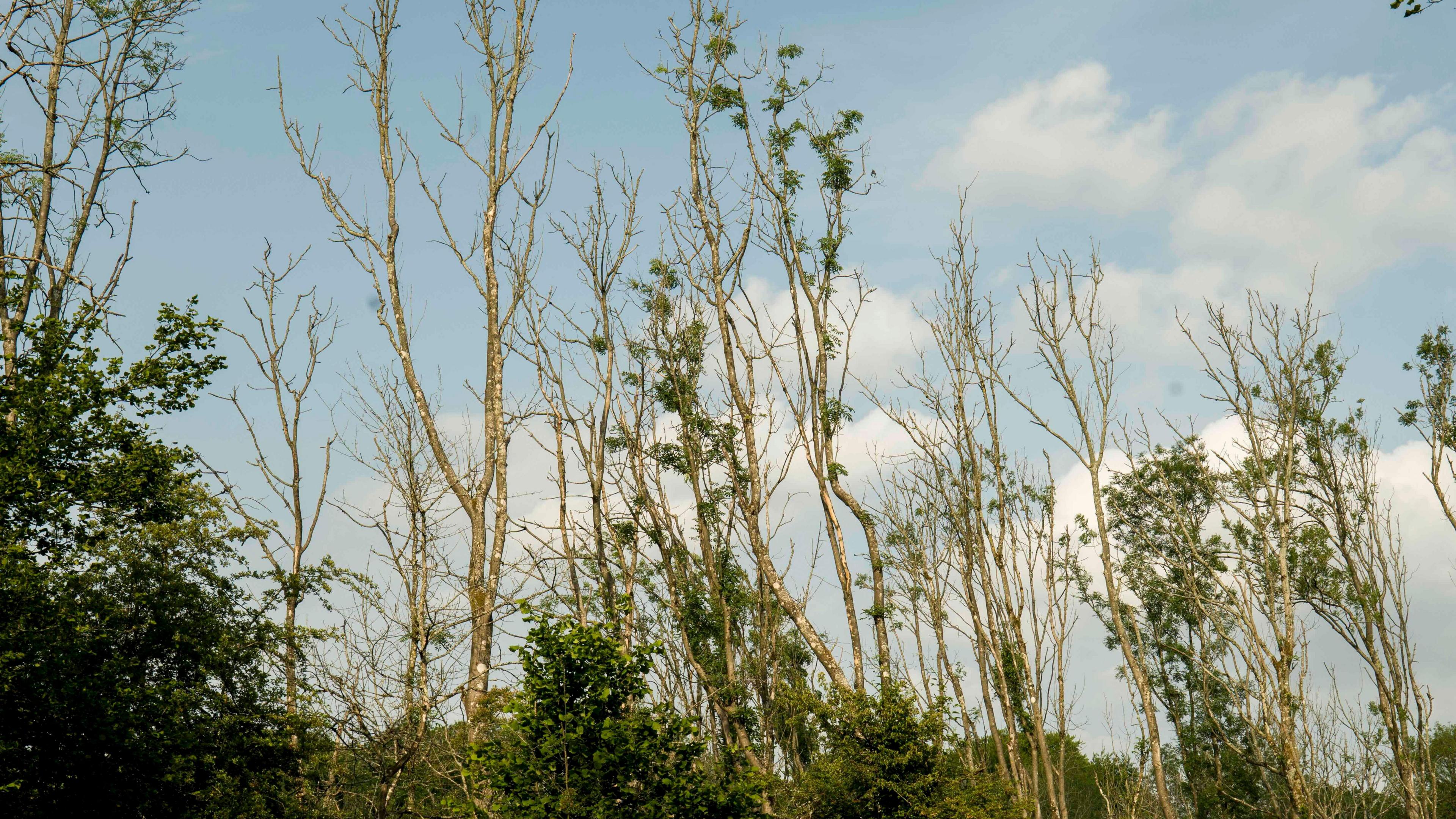
Ash trees across the UK are showing promising signs of evolving resistance to the ash dieback fungus, a development that offers renewed hope for the preservation of these iconic trees. Since the fungal infection, known as Hymenoscyphus fraxineus, was first identified in the UK in 2012, it has wreaked havoc on the country's woodlands, threatening to wipe out up to 85% of ash trees. However, recent scientific studies indicate that new generations of ash trees are naturally developing greater resistance to the disease.
Evolutionary Breakthrough
The research, published in the journal Science, marks a significant breakthrough in understanding how natural selection can drive genetic resistance. Scientists have discovered that subtle genetic shifts are occurring in ash trees, enabling them to better withstand the fungal infection. This finding supports Charles Darwin's theory that significant changes in organisms can result from numerous small genetic adaptations.
Professor Richard Buggs from the Royal Botanic Gardens Kew and Queen Mary University of London highlighted the importance of these findings, stating, "Through the death of millions of ash trees, a more resistant population is appearing." He emphasized the need for continued conservation efforts, such as protecting trees from grazing deer and supporting breeding programs for resilient saplings.
The Role of Natural Regeneration
Natural regeneration plays a crucial role in this evolutionary process. As ash trees produce thousands of genetically distinct seeds, natural selection acts on these seedlings, allowing only the fittest to survive. Professor Richard Nichols, also from Queen Mary University, noted, "We are watching evolution happen, and what's remarkable is that it's happening so quickly, in a single generation."
The research underscores the importance of supporting natural regeneration in woodlands to facilitate the evolution of resistance. Rebecca Gosling from the Woodland Trust stressed the need for further understanding of how to manage ash woodlands effectively to promote biodiversity recovery.
WHAT THIS MIGHT MEAN
Looking ahead, the continued evolution of resistance in ash trees could significantly impact woodland conservation strategies. If the trend persists, it may lead to a more resilient ash population capable of withstanding future fungal threats. However, experts caution that it is still too early to declare victory, as the pace of resistance development must outstrip the ongoing destruction caused by the fungus.
The findings also highlight the broader implications for biodiversity and ecosystem management. As scientists gain deeper insights into the genetic mechanisms driving resistance, these lessons could inform conservation efforts for other threatened species. Ultimately, the resilience of ash trees may serve as a beacon of hope for preserving biodiversity in the face of environmental challenges.
Images from the Web
Related Articles

Canada and Australia Forge Strategic Partnership Amid Global Uncertainty

UK Government to Reform Asylum Seeker Support and Employment Policies

Middle East Conflict Drives UK Energy Prices to New Highs

UK Faces Dilemmas Amid Iran Conflict and China Spying Allegations

UK Reinforces Military Presence in Cyprus Amid Middle East Tensions

Police Federation Chief Arrested Amid Fraud Investigation
Ash Trees Show Signs of Resilience Against Devastating Fungus
In This Article
 Himanshu Kaushik| Published
 HIGHLIGHTS
- Ash trees in the UK are evolving resistance to the ash dieback fungus, offering hope for their survival.
- The fungal infection, Hymenoscyphus fraxineus, has devastated ash populations since its arrival in 2012, threatening up to 85% of trees.
- Genetic studies reveal that natural selection is driving resistance in new generations of ash trees.
- Scientists emphasize the importance of natural regeneration and conservation efforts to support this evolutionary process.
- The research, published in Science, highlights the rapid pace of evolution and the potential for biodiversity recovery.
Ash trees across the UK are showing promising signs of evolving resistance to the ash dieback fungus, a development that offers renewed hope for the preservation of these iconic trees. Since the fungal infection, known as Hymenoscyphus fraxineus, was first identified in the UK in 2012, it has wreaked havoc on the country's woodlands, threatening to wipe out up to 85% of ash trees. However, recent scientific studies indicate that new generations of ash trees are naturally developing greater resistance to the disease.
Evolutionary Breakthrough
The research, published in the journal Science, marks a significant breakthrough in understanding how natural selection can drive genetic resistance. Scientists have discovered that subtle genetic shifts are occurring in ash trees, enabling them to better withstand the fungal infection. This finding supports Charles Darwin's theory that significant changes in organisms can result from numerous small genetic adaptations.
Professor Richard Buggs from the Royal Botanic Gardens Kew and Queen Mary University of London highlighted the importance of these findings, stating, "Through the death of millions of ash trees, a more resistant population is appearing." He emphasized the need for continued conservation efforts, such as protecting trees from grazing deer and supporting breeding programs for resilient saplings.
The Role of Natural Regeneration
Natural regeneration plays a crucial role in this evolutionary process. As ash trees produce thousands of genetically distinct seeds, natural selection acts on these seedlings, allowing only the fittest to survive. Professor Richard Nichols, also from Queen Mary University, noted, "We are watching evolution happen, and what's remarkable is that it's happening so quickly, in a single generation."
The research underscores the importance of supporting natural regeneration in woodlands to facilitate the evolution of resistance. Rebecca Gosling from the Woodland Trust stressed the need for further understanding of how to manage ash woodlands effectively to promote biodiversity recovery.
WHAT THIS MIGHT MEAN
Looking ahead, the continued evolution of resistance in ash trees could significantly impact woodland conservation strategies. If the trend persists, it may lead to a more resilient ash population capable of withstanding future fungal threats. However, experts caution that it is still too early to declare victory, as the pace of resistance development must outstrip the ongoing destruction caused by the fungus.
The findings also highlight the broader implications for biodiversity and ecosystem management. As scientists gain deeper insights into the genetic mechanisms driving resistance, these lessons could inform conservation efforts for other threatened species. Ultimately, the resilience of ash trees may serve as a beacon of hope for preserving biodiversity in the face of environmental challenges.
Images from the Web
Related Articles
Canada and Australia Forge Strategic Partnership Amid Global Uncertainty
UK Government to Reform Asylum Seeker Support and Employment Policies
Middle East Conflict Drives UK Energy Prices to New Highs
UK Faces Dilemmas Amid Iran Conflict and China Spying Allegations
UK Reinforces Military Presence in Cyprus Amid Middle East Tensions
Police Federation Chief Arrested Amid Fraud Investigation