
Calls for Childcare Reform and Gambling Tax Intensify Ahead of UK Autumn Budget
In This Article
HIGHLIGHTS
- Stormont's finance minister urges the UK Treasury to increase childcare support and reconsider the two-child benefit cap in the upcoming Autumn Budget.
- Labour MPs advocate for a gambling tax to raise £3 billion, potentially lifting half a million children out of poverty.
- Chancellor Rachel Reeves faces pressure to address the two-child benefit cap amid fiscal challenges and potential tax hikes.
- The UK government plans to provide £19.3 billion annually to Northern Ireland, with a focus on local growth funding post-2026.
- The Betting and Gaming Council warns that increased gambling taxes could harm jobs and boost the black market.
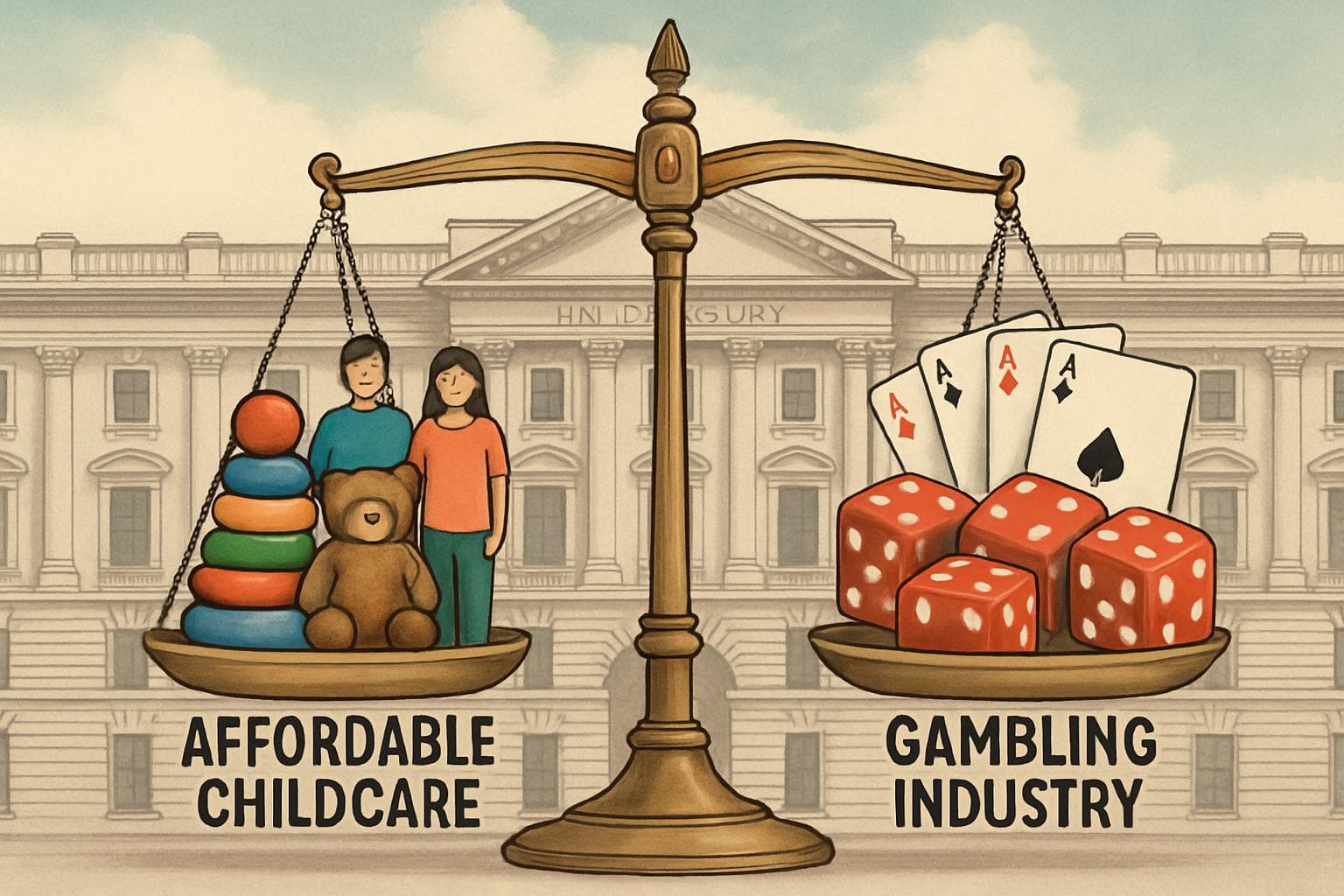
As the UK prepares for its Autumn Budget on November 26, significant pressure mounts on the Treasury to address key social and economic issues. Stormont's finance minister, John O'Dowd, has called for increased childcare affordability and a review of the two-child benefit cap, emphasizing the need for economic growth and labor market participation. O'Dowd proposes raising the tax-free childcare support rate from 20% to 30% and revisiting the annual cap of £2,000 per child.
Meanwhile, Labour MPs are pushing for a gambling tax to generate £3 billion, which could potentially lift 500,000 children out of poverty. This campaign, supported by 101 Labour MPs, suggests that the funds could alleviate the impact of the two-child benefit cap, a policy criticized for driving 109 children into poverty daily. Former Prime Minister Gordon Brown and other senior Labour figures advocate for scrapping the cap, despite Chancellor Rachel Reeves' fiscal constraints.
The UK government has pledged a record £19.3 billion annual settlement for the Northern Ireland Executive, focusing on local growth funding after the UK Shared Prosperity Fund ends in 2026. However, O'Dowd warns that current funding profiles could jeopardize vital services and employment programs.
The Betting and Gaming Council cautions against increased gambling taxes, arguing that such measures could harm jobs and strengthen the black market. They emphasize the importance of balancing regulation with economic contributions from the gambling industry.
WHAT THIS MIGHT MEAN
As the Autumn Budget approaches, Chancellor Rachel Reeves faces a delicate balancing act. Addressing the two-child benefit cap could significantly impact child poverty rates, but fiscal constraints may limit her options. The proposed gambling tax presents an opportunity to raise substantial funds, yet it risks backlash from the industry and potential economic repercussions.
In Northern Ireland, the focus on local growth funding highlights the region's ongoing need for targeted economic support. The outcome of these budgetary decisions will likely influence public perception of the Labour Party's commitment to social welfare and economic reform.
Experts suggest that any changes to childcare and benefit policies could have long-term implications for the UK's labor market and economic growth. The government's ability to navigate these complex issues will be crucial in shaping the country's social and economic landscape in the coming years.
Related Articles

Middle East Conflict Drives UK Energy Prices to New Highs

UK Government to Reform Asylum Seeker Support and Employment Policies

UK Faces Dilemmas Amid Iran Conflict and China Spying Allegations
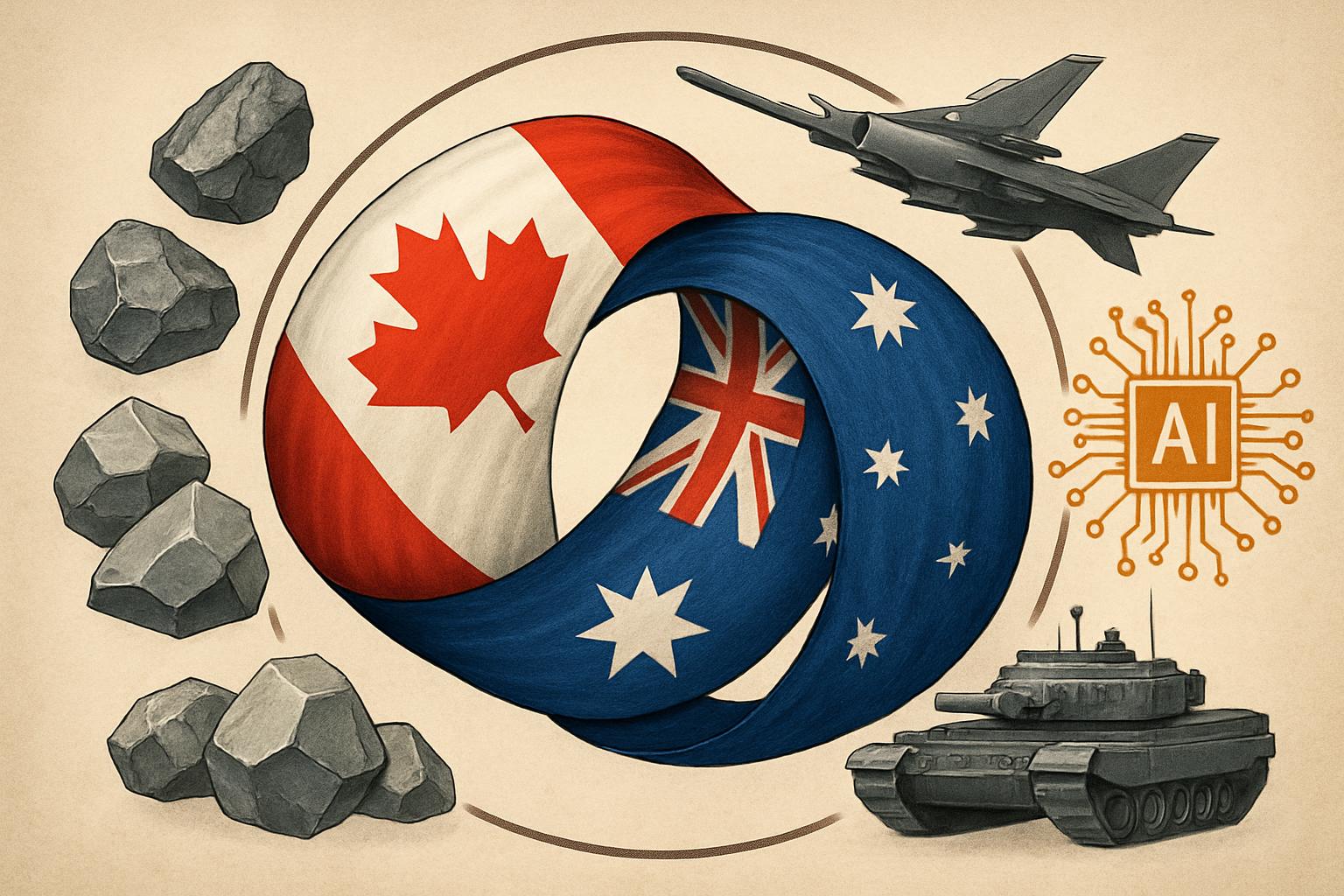
Canada and Australia Forge Strategic Partnership Amid Global Uncertainty

UK Reinforces Military Presence in Cyprus Amid Middle East Tensions
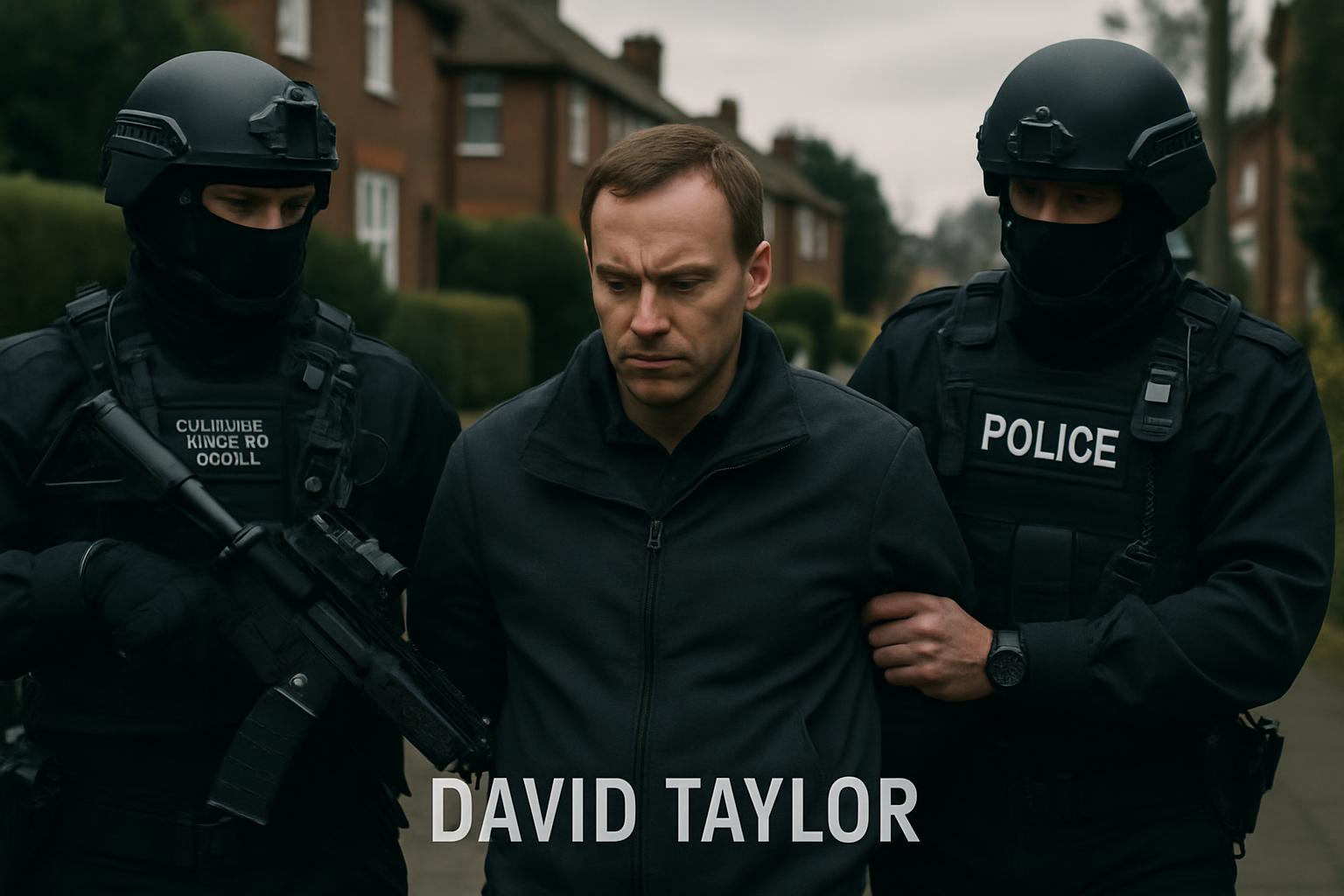
Labour MP's Husband Arrested in UK-China Espionage Probe
Calls for Childcare Reform and Gambling Tax Intensify Ahead of UK Autumn Budget
In This Article
 Daniel Rivera| Published
 HIGHLIGHTS
- Stormont's finance minister urges the UK Treasury to increase childcare support and reconsider the two-child benefit cap in the upcoming Autumn Budget.
- Labour MPs advocate for a gambling tax to raise £3 billion, potentially lifting half a million children out of poverty.
- Chancellor Rachel Reeves faces pressure to address the two-child benefit cap amid fiscal challenges and potential tax hikes.
- The UK government plans to provide £19.3 billion annually to Northern Ireland, with a focus on local growth funding post-2026.
- The Betting and Gaming Council warns that increased gambling taxes could harm jobs and boost the black market.
As the UK prepares for its Autumn Budget on November 26, significant pressure mounts on the Treasury to address key social and economic issues. Stormont's finance minister, John O'Dowd, has called for increased childcare affordability and a review of the two-child benefit cap, emphasizing the need for economic growth and labor market participation. O'Dowd proposes raising the tax-free childcare support rate from 20% to 30% and revisiting the annual cap of £2,000 per child.
Meanwhile, Labour MPs are pushing for a gambling tax to generate £3 billion, which could potentially lift 500,000 children out of poverty. This campaign, supported by 101 Labour MPs, suggests that the funds could alleviate the impact of the two-child benefit cap, a policy criticized for driving 109 children into poverty daily. Former Prime Minister Gordon Brown and other senior Labour figures advocate for scrapping the cap, despite Chancellor Rachel Reeves' fiscal constraints.
The UK government has pledged a record £19.3 billion annual settlement for the Northern Ireland Executive, focusing on local growth funding after the UK Shared Prosperity Fund ends in 2026. However, O'Dowd warns that current funding profiles could jeopardize vital services and employment programs.
The Betting and Gaming Council cautions against increased gambling taxes, arguing that such measures could harm jobs and strengthen the black market. They emphasize the importance of balancing regulation with economic contributions from the gambling industry.
WHAT THIS MIGHT MEAN
As the Autumn Budget approaches, Chancellor Rachel Reeves faces a delicate balancing act. Addressing the two-child benefit cap could significantly impact child poverty rates, but fiscal constraints may limit her options. The proposed gambling tax presents an opportunity to raise substantial funds, yet it risks backlash from the industry and potential economic repercussions.
In Northern Ireland, the focus on local growth funding highlights the region's ongoing need for targeted economic support. The outcome of these budgetary decisions will likely influence public perception of the Labour Party's commitment to social welfare and economic reform.
Experts suggest that any changes to childcare and benefit policies could have long-term implications for the UK's labor market and economic growth. The government's ability to navigate these complex issues will be crucial in shaping the country's social and economic landscape in the coming years.
Related Articles
Middle East Conflict Drives UK Energy Prices to New Highs
UK Government to Reform Asylum Seeker Support and Employment Policies
UK Faces Dilemmas Amid Iran Conflict and China Spying Allegations
Canada and Australia Forge Strategic Partnership Amid Global Uncertainty
UK Reinforces Military Presence in Cyprus Amid Middle East Tensions
Labour MP's Husband Arrested in UK-China Espionage Probe