
UK to Enhance Nuclear Deterrent with US Fighter Jets
In This Article
HIGHLIGHTS
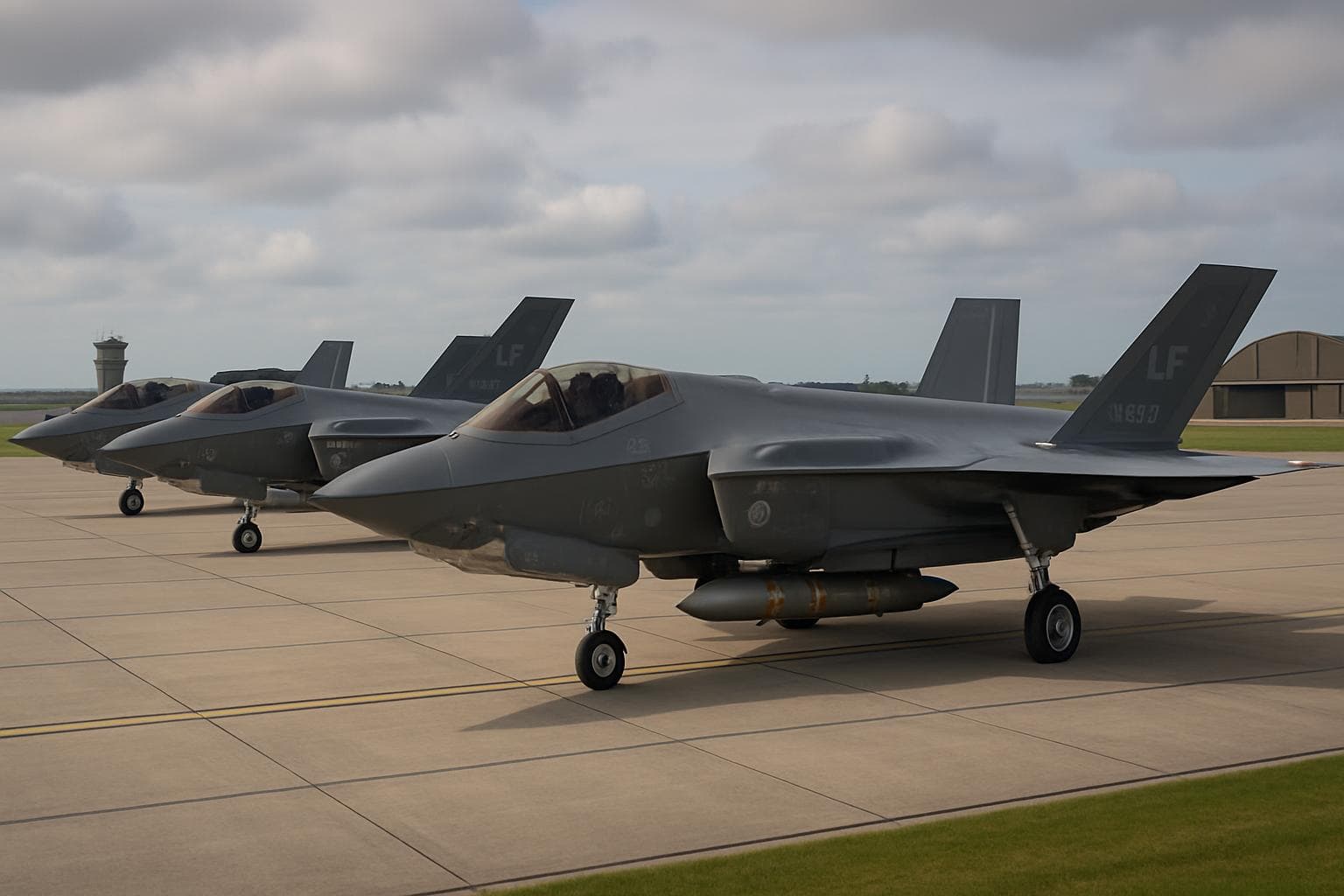
- The UK plans to expand its nuclear deterrent by acquiring 12 US-made F-35A jets capable of carrying tactical nuclear weapons.
- This move marks the most significant shift in Britain's nuclear strategy since the Cold War, raising concerns among arms control experts.
- The jets will be stationed at RAF Marham and integrated into Nato's dual capable aircraft program.
- The announcement was made by Keir Starmer at the Nato summit, emphasizing the need for a "substrategic" capability against potential threats.
- The decision is expected to support over 20,000 jobs and involve more than 100 UK suppliers.
The United Kingdom is set to significantly bolster its nuclear deterrent capabilities by purchasing a squadron of American-made F-35A fighter jets. These aircraft, capable of delivering US tactical nuclear warheads, represent the most substantial shift in Britain's nuclear posture since the Cold War. The announcement, made by Keir Starmer at the recent Nato summit, underscores a strategic pivot aimed at addressing modern security challenges.
Strategic Expansion
The acquisition of 12 F-35A jets, which can carry both conventional munitions and the US B61-12 gravity bomb, is poised to expand the UK's military capabilities. The B61-12 bomb, with explosive yields ranging from 0.3 to 50 kilotons, offers a versatile deterrent option. This development is expected to provoke concern among arms control experts and campaigners, given the potential implications for global nuclear stability.
Nato Integration
The new jets will be stationed at RAF Marham in Norfolk and will join Nato's dual capable aircraft (DCA) program. This initiative is part of a broader strategy to deter adversaries through a shared, US-led nuclear umbrella. Similar arrangements have been in place in several European countries since the Cold War, ensuring compliance with the Non-Proliferation Treaty by keeping the nuclear weapons under US control.
Economic and Political Impact
The decision to enhance the UK's nuclear deterrent is projected to support over 20,000 jobs and involve more than 100 UK suppliers, highlighting the economic benefits of the defense industry. However, the move also raises political questions, particularly regarding the UK's long-term security strategy and its alignment with Nato allies.
WHAT THIS MIGHT MEAN
The UK's decision to expand its nuclear capabilities with US fighter jets could have far-reaching implications. Politically, it may strengthen the UK's position within Nato, reinforcing its commitment to collective defense. However, it could also strain relations with arms control advocates and countries advocating for nuclear disarmament.
In the coming months, the focus will likely shift to how this decision impacts the UK's defense policy and its role on the global stage. Experts suggest that while the move enhances military readiness, it also necessitates careful diplomatic engagement to address concerns about nuclear proliferation and regional stability.
As the geopolitical landscape evolves, the UK may need to navigate complex international dynamics, balancing its defense priorities with broader commitments to global peace and security.
Related Articles

Andrew Mountbatten-Windsor Arrested Amid Misconduct Allegations

UK Faces Dilemmas Amid Iran Conflict and China Spying Allegations

Labour MP's Husband Arrested in UK-China Espionage Probe

UK-Iran Tensions: Starmer Defends Cautious Approach Amid Trump Criticism
Diplomatic Tensions Rise as Trump Criticizes Starmer's Iran Policy

Tragic Loss on Yr Wyddfa: Two Young Hikers Found Dead
UK to Enhance Nuclear Deterrent with US Fighter Jets
In This Article
 Ethan Brooks| Published
 HIGHLIGHTS
- The UK plans to expand its nuclear deterrent by acquiring 12 US-made F-35A jets capable of carrying tactical nuclear weapons.
- This move marks the most significant shift in Britain's nuclear strategy since the Cold War, raising concerns among arms control experts.
- The jets will be stationed at RAF Marham and integrated into Nato's dual capable aircraft program.
- The announcement was made by Keir Starmer at the Nato summit, emphasizing the need for a "substrategic" capability against potential threats.
- The decision is expected to support over 20,000 jobs and involve more than 100 UK suppliers.
The United Kingdom is set to significantly bolster its nuclear deterrent capabilities by purchasing a squadron of American-made F-35A fighter jets. These aircraft, capable of delivering US tactical nuclear warheads, represent the most substantial shift in Britain's nuclear posture since the Cold War. The announcement, made by Keir Starmer at the recent Nato summit, underscores a strategic pivot aimed at addressing modern security challenges.
Strategic Expansion
The acquisition of 12 F-35A jets, which can carry both conventional munitions and the US B61-12 gravity bomb, is poised to expand the UK's military capabilities. The B61-12 bomb, with explosive yields ranging from 0.3 to 50 kilotons, offers a versatile deterrent option. This development is expected to provoke concern among arms control experts and campaigners, given the potential implications for global nuclear stability.
Nato Integration
The new jets will be stationed at RAF Marham in Norfolk and will join Nato's dual capable aircraft (DCA) program. This initiative is part of a broader strategy to deter adversaries through a shared, US-led nuclear umbrella. Similar arrangements have been in place in several European countries since the Cold War, ensuring compliance with the Non-Proliferation Treaty by keeping the nuclear weapons under US control.
Economic and Political Impact
The decision to enhance the UK's nuclear deterrent is projected to support over 20,000 jobs and involve more than 100 UK suppliers, highlighting the economic benefits of the defense industry. However, the move also raises political questions, particularly regarding the UK's long-term security strategy and its alignment with Nato allies.
WHAT THIS MIGHT MEAN
The UK's decision to expand its nuclear capabilities with US fighter jets could have far-reaching implications. Politically, it may strengthen the UK's position within Nato, reinforcing its commitment to collective defense. However, it could also strain relations with arms control advocates and countries advocating for nuclear disarmament.
In the coming months, the focus will likely shift to how this decision impacts the UK's defense policy and its role on the global stage. Experts suggest that while the move enhances military readiness, it also necessitates careful diplomatic engagement to address concerns about nuclear proliferation and regional stability.
As the geopolitical landscape evolves, the UK may need to navigate complex international dynamics, balancing its defense priorities with broader commitments to global peace and security.
Related Articles
Andrew Mountbatten-Windsor Arrested Amid Misconduct Allegations
UK Faces Dilemmas Amid Iran Conflict and China Spying Allegations
Labour MP's Husband Arrested in UK-China Espionage Probe
UK-Iran Tensions: Starmer Defends Cautious Approach Amid Trump Criticism
Diplomatic Tensions Rise as Trump Criticizes Starmer's Iran Policy
Tragic Loss on Yr Wyddfa: Two Young Hikers Found Dead