
UK Faces Severe Flu Season as Mutated Virus Strain Spreads
In This Article
HIGHLIGHTS
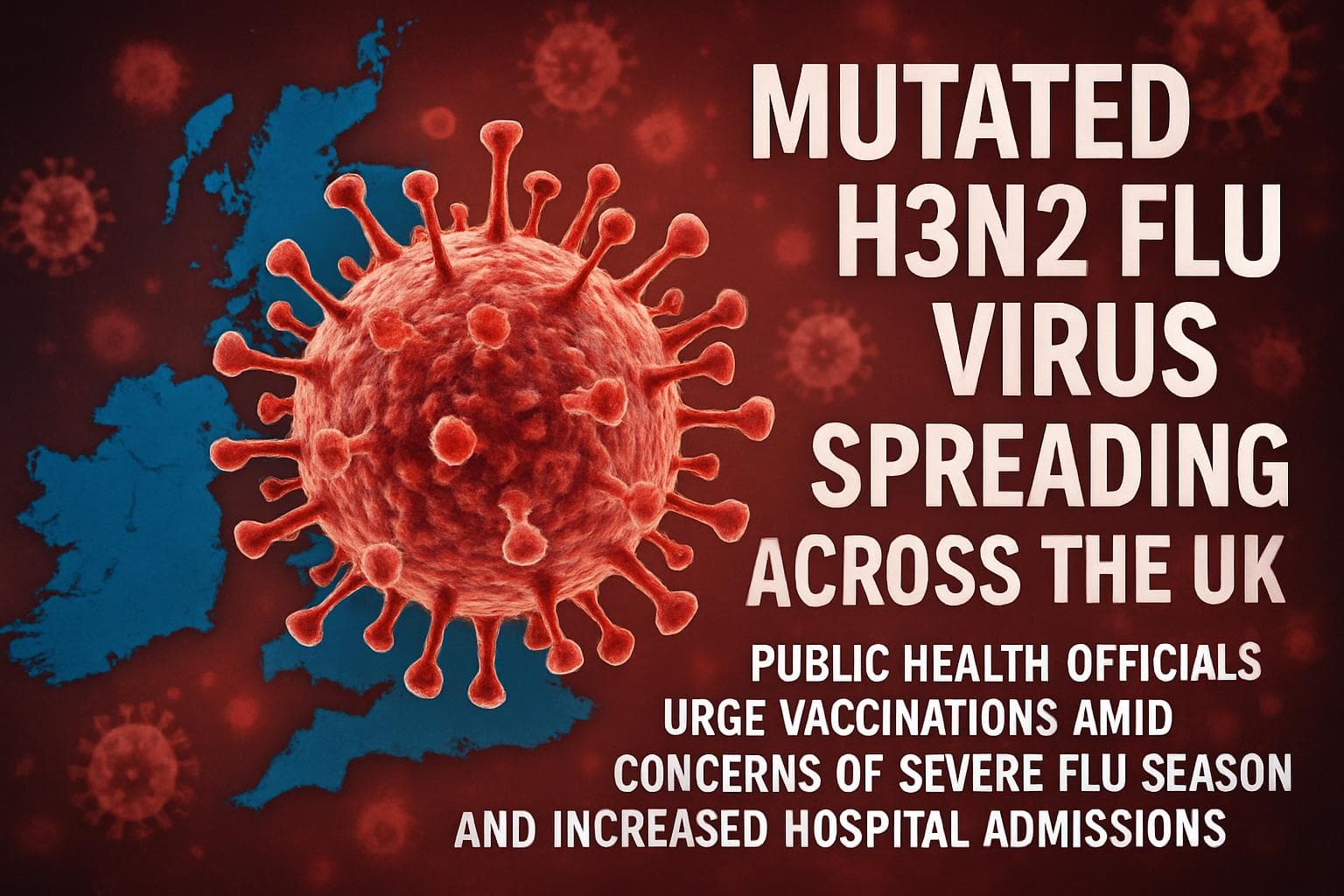
- The UK is experiencing a surge in flu cases, with a mutated virus strain expected to cause a severe flu season.
- NHS officials are urging eligible individuals, especially those with long-term health conditions, to get vaccinated.
- The mutated H3N2 strain, first identified in June, has become dominant and is spreading rapidly, particularly among younger populations.
- Hospitals are preparing for increased admissions by expanding emergency care and rescheduling appointments amid ongoing staff strikes.
- Vaccination rates are lower than last year, with five million fewer people having received the flu vaccine so far.
The United Kingdom is bracing for a potentially severe flu season as a mutated strain of the virus, identified as H3N2, spreads rapidly across the country. Health officials are urging the public, particularly those at higher risk, to get vaccinated as soon as possible to mitigate the impact of the virus.
Rising Concerns Over Mutated Virus
The mutated flu virus, first detected in June, has swiftly become the dominant strain in the UK. It is a descendant of a strain that caused Australia's worst flu season on record, with over 400,000 lab-confirmed cases. The virus's mutations, resulting from a process known as antigenic drift, have increased its transmissibility, raising concerns about a significant surge in flu cases.
Dr. Alasdair Wood from the UK Health Security Agency emphasized the importance of vaccination, stating, "It's the best thing to protect themselves and those around them." Despite these warnings, vaccination rates have fallen, with five million fewer people vaccinated compared to last year.
NHS Prepares for Increased Hospital Admissions
Hospitals across the UK are preparing for a potential influx of flu patients. NHS managers are implementing contingency plans, including expanding same-day emergency care and rescheduling appointments, to cope with the expected rise in admissions. This comes amid a five-day strike by resident doctors over pay, further straining hospital resources.
Elaine Clancy, chief nursing officer for St George’s, Epsom, and St Helier university hospitals, expressed concern, stating, "Last flu season was particularly nasty, and we’re very concerned that this year could be even worse."
Public Health Urges Vaccination
Public health officials are particularly concerned about the virus's impact on vulnerable populations, including the elderly and those with long-term health conditions. Beth Smout, a 36-year-old with asthma and a heart condition, shared her decision to get vaccinated, describing it as a "no-brainer" to avoid severe illness and reduce the burden on the NHS.
The flu vaccine is offered for free by the NHS to millions of people deemed at higher risk, including those over 65, individuals with chronic health conditions, and pregnant women. However, the current vaccination uptake is lower than expected, prompting officials to intensify their efforts to encourage more people to get vaccinated.
WHAT THIS MIGHT MEAN
As the flu season progresses, the UK could face significant challenges if vaccination rates do not improve. The NHS may experience increased pressure on its resources, potentially leading to longer wait times and reduced capacity for non-flu-related treatments. Experts warn that the mutated H3N2 strain's higher transmissibility could result in a larger peak in cases, particularly if the virus continues to evade immune defenses.
The ongoing strikes by resident doctors could further complicate the situation, necessitating additional contingency measures to ensure adequate staffing levels in hospitals. Public health campaigns may need to intensify to raise awareness about the importance of vaccination, especially among high-risk groups, to prevent severe outcomes and alleviate the strain on healthcare services.
Related Articles

UK Government to Reform Asylum Seeker Support and Employment Policies

Persistent Safety Concerns in Nottingham Maternity Services Amidst Calls for Systemic Reform

Nottingham Attacks Inquiry: Families Demand Accountability and Truth
Birmingham's Proactive Approach to Measles Outbreak Offers Lessons for North London

Anna Murdoch-Mann: Influential Figure in Media and Philanthropy Dies at 81

Andrew Mountbatten-Windsor Arrested Amid Misconduct Allegations
UK Faces Severe Flu Season as Mutated Virus Strain Spreads
In This Article
 Ethan Brooks| Published
 HIGHLIGHTS
- The UK is experiencing a surge in flu cases, with a mutated virus strain expected to cause a severe flu season.
- NHS officials are urging eligible individuals, especially those with long-term health conditions, to get vaccinated.
- The mutated H3N2 strain, first identified in June, has become dominant and is spreading rapidly, particularly among younger populations.
- Hospitals are preparing for increased admissions by expanding emergency care and rescheduling appointments amid ongoing staff strikes.
- Vaccination rates are lower than last year, with five million fewer people having received the flu vaccine so far.
The United Kingdom is bracing for a potentially severe flu season as a mutated strain of the virus, identified as H3N2, spreads rapidly across the country. Health officials are urging the public, particularly those at higher risk, to get vaccinated as soon as possible to mitigate the impact of the virus.
Rising Concerns Over Mutated Virus
The mutated flu virus, first detected in June, has swiftly become the dominant strain in the UK. It is a descendant of a strain that caused Australia's worst flu season on record, with over 400,000 lab-confirmed cases. The virus's mutations, resulting from a process known as antigenic drift, have increased its transmissibility, raising concerns about a significant surge in flu cases.
Dr. Alasdair Wood from the UK Health Security Agency emphasized the importance of vaccination, stating, "It's the best thing to protect themselves and those around them." Despite these warnings, vaccination rates have fallen, with five million fewer people vaccinated compared to last year.
NHS Prepares for Increased Hospital Admissions
Hospitals across the UK are preparing for a potential influx of flu patients. NHS managers are implementing contingency plans, including expanding same-day emergency care and rescheduling appointments, to cope with the expected rise in admissions. This comes amid a five-day strike by resident doctors over pay, further straining hospital resources.
Elaine Clancy, chief nursing officer for St George’s, Epsom, and St Helier university hospitals, expressed concern, stating, "Last flu season was particularly nasty, and we’re very concerned that this year could be even worse."
Public Health Urges Vaccination
Public health officials are particularly concerned about the virus's impact on vulnerable populations, including the elderly and those with long-term health conditions. Beth Smout, a 36-year-old with asthma and a heart condition, shared her decision to get vaccinated, describing it as a "no-brainer" to avoid severe illness and reduce the burden on the NHS.
The flu vaccine is offered for free by the NHS to millions of people deemed at higher risk, including those over 65, individuals with chronic health conditions, and pregnant women. However, the current vaccination uptake is lower than expected, prompting officials to intensify their efforts to encourage more people to get vaccinated.
WHAT THIS MIGHT MEAN
As the flu season progresses, the UK could face significant challenges if vaccination rates do not improve. The NHS may experience increased pressure on its resources, potentially leading to longer wait times and reduced capacity for non-flu-related treatments. Experts warn that the mutated H3N2 strain's higher transmissibility could result in a larger peak in cases, particularly if the virus continues to evade immune defenses.
The ongoing strikes by resident doctors could further complicate the situation, necessitating additional contingency measures to ensure adequate staffing levels in hospitals. Public health campaigns may need to intensify to raise awareness about the importance of vaccination, especially among high-risk groups, to prevent severe outcomes and alleviate the strain on healthcare services.
Related Articles
UK Government to Reform Asylum Seeker Support and Employment Policies
Persistent Safety Concerns in Nottingham Maternity Services Amidst Calls for Systemic Reform
Nottingham Attacks Inquiry: Families Demand Accountability and Truth
Birmingham's Proactive Approach to Measles Outbreak Offers Lessons for North London
Anna Murdoch-Mann: Influential Figure in Media and Philanthropy Dies at 81
Andrew Mountbatten-Windsor Arrested Amid Misconduct Allegations