
UK Chancellor Rachel Reeves Condemns Budget Leaks and Defends Income Tax U-turn
In This Article
HIGHLIGHTS
- Chancellor Rachel Reeves criticized unauthorized leaks ahead of her November budget, calling them "unacceptable" and "very damaging."
- A leak to the Financial Times suggested a dropped plan to raise income tax, sparking market concerns and a bond sell-off.
- Reeves confirmed that the income tax decision was made in partnership with Prime Minister Keir Starmer.
- The Office for Budget Responsibility's chair, Richard Hughes, resigned after an inadvertent early release of budget documents.
- The Treasury is conducting a review of processes and a forensic IT examination to prevent future leaks.
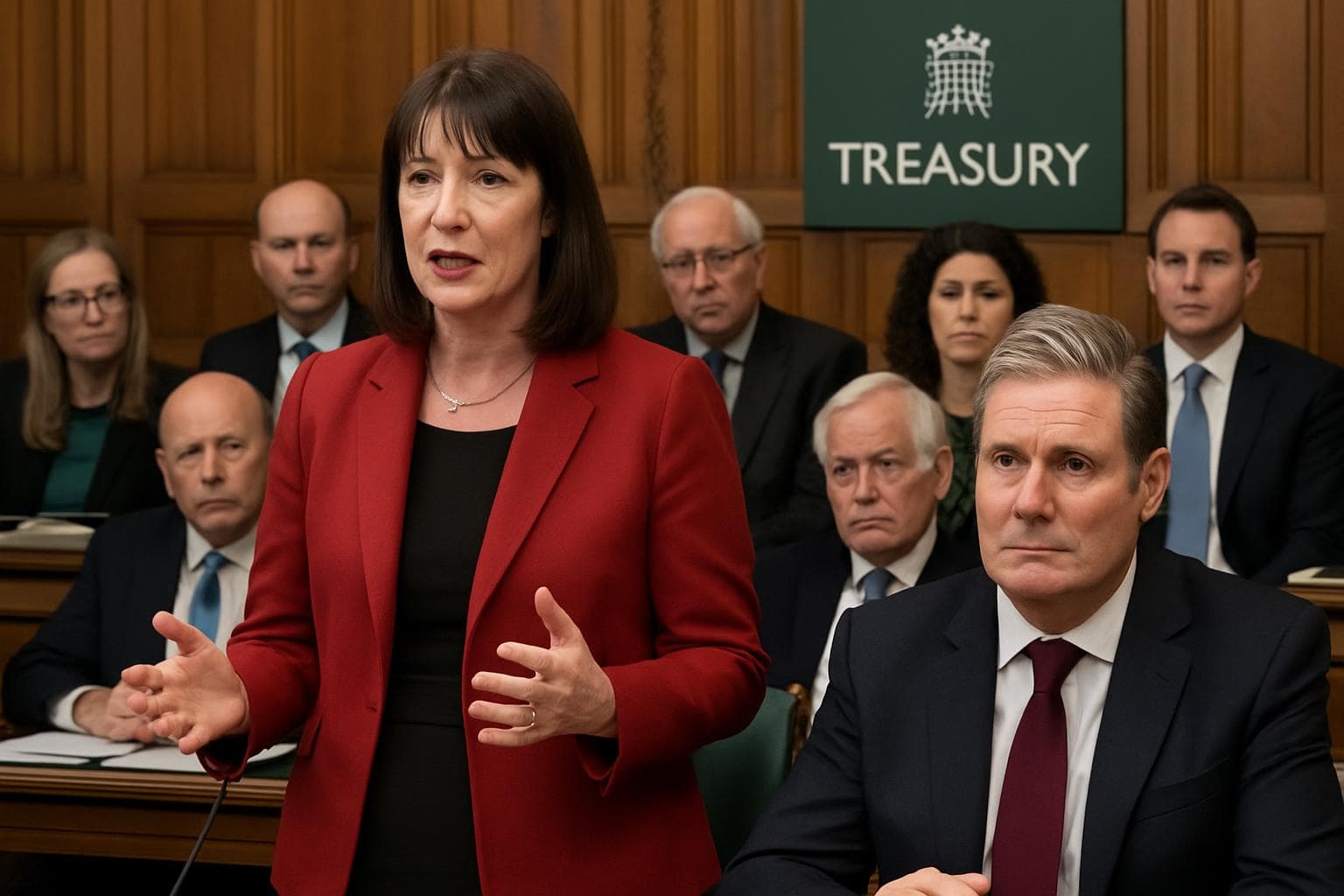
In the aftermath of her pivotal November budget, UK Chancellor Rachel Reeves has expressed strong disapproval over a series of unauthorized leaks that preceded her announcement. Speaking before the Commons Treasury select committee, Reeves described the leaks as "unacceptable" and emphasized their damaging impact on both public perception and financial markets.
Unauthorized Leaks and Market Reactions
The controversy began when a leak to the Financial Times suggested that Reeves had abandoned plans to increase income tax, a move that was initially perceived as necessary to address a shortfall in public finances. This revelation led to a sharp sell-off in bond markets, reflecting investor unease over the government's financial strategy. Reeves was adamant that the leak was not an authorized briefing, stating, "It was incredibly damaging and frustrating."
Partnership with the Prime Minister
Reeves clarified that the decision to forgo the income tax hike was made in close collaboration with Prime Minister Keir Starmer. She explained that alternative tax measures had been identified to generate the required revenue, rendering the income tax increase unnecessary. "We decided it together as a team," Reeves noted, highlighting the cooperative approach taken in the decision-making process.
OBR Chair Resignation and Future Plans
The situation was further complicated by the resignation of Richard Hughes, chair of the Office for Budget Responsibility (OBR), following the premature online release of budget documents. Reeves acknowledged the challenges posed by these events and announced that a review of Treasury processes is underway. Additionally, the National Centre for Cyber Security has been engaged to conduct a forensic examination of IT systems to prevent future leaks.
Looking Ahead
Despite the turmoil, Reeves remains optimistic about the government's fiscal position, citing nearly £22 billion of headroom against fiscal rules. She reserved the right to introduce new tax measures or spending cuts if necessary, but downplayed the likelihood of such actions in the near term.
WHAT THIS MIGHT MEAN
The unauthorized leaks and subsequent market reactions underscore the delicate balance the UK government must maintain in managing public finances. As the Treasury conducts its review, the outcome could lead to tighter controls and improved cybersecurity measures to safeguard sensitive information. Politically, the partnership between Reeves and Starmer may strengthen their joint decision-making approach, potentially influencing future fiscal policies. However, the government's ability to maintain investor confidence will be crucial, especially if economic conditions necessitate further fiscal adjustments.
Related Articles

Middle East Conflict Drives UK Energy Prices to New Highs

UK Faces Dilemmas Amid Iran Conflict and China Spying Allegations
Labour MP's Husband Arrested in UK-China Espionage Probe

UK-Iran Tensions: Starmer Defends Cautious Approach Amid Trump Criticism

Diplomatic Tensions Rise as Trump Criticizes Starmer's Iran Policy

Government Announces £4 Billion Overhaul of SEND Support in England
UK Chancellor Rachel Reeves Condemns Budget Leaks and Defends Income Tax U-turn
In This Article
 Daniel Rivera| Published
 HIGHLIGHTS
- Chancellor Rachel Reeves criticized unauthorized leaks ahead of her November budget, calling them "unacceptable" and "very damaging."
- A leak to the Financial Times suggested a dropped plan to raise income tax, sparking market concerns and a bond sell-off.
- Reeves confirmed that the income tax decision was made in partnership with Prime Minister Keir Starmer.
- The Office for Budget Responsibility's chair, Richard Hughes, resigned after an inadvertent early release of budget documents.
- The Treasury is conducting a review of processes and a forensic IT examination to prevent future leaks.
In the aftermath of her pivotal November budget, UK Chancellor Rachel Reeves has expressed strong disapproval over a series of unauthorized leaks that preceded her announcement. Speaking before the Commons Treasury select committee, Reeves described the leaks as "unacceptable" and emphasized their damaging impact on both public perception and financial markets.
Unauthorized Leaks and Market Reactions
The controversy began when a leak to the Financial Times suggested that Reeves had abandoned plans to increase income tax, a move that was initially perceived as necessary to address a shortfall in public finances. This revelation led to a sharp sell-off in bond markets, reflecting investor unease over the government's financial strategy. Reeves was adamant that the leak was not an authorized briefing, stating, "It was incredibly damaging and frustrating."
Partnership with the Prime Minister
Reeves clarified that the decision to forgo the income tax hike was made in close collaboration with Prime Minister Keir Starmer. She explained that alternative tax measures had been identified to generate the required revenue, rendering the income tax increase unnecessary. "We decided it together as a team," Reeves noted, highlighting the cooperative approach taken in the decision-making process.
OBR Chair Resignation and Future Plans
The situation was further complicated by the resignation of Richard Hughes, chair of the Office for Budget Responsibility (OBR), following the premature online release of budget documents. Reeves acknowledged the challenges posed by these events and announced that a review of Treasury processes is underway. Additionally, the National Centre for Cyber Security has been engaged to conduct a forensic examination of IT systems to prevent future leaks.
Looking Ahead
Despite the turmoil, Reeves remains optimistic about the government's fiscal position, citing nearly £22 billion of headroom against fiscal rules. She reserved the right to introduce new tax measures or spending cuts if necessary, but downplayed the likelihood of such actions in the near term.
WHAT THIS MIGHT MEAN
The unauthorized leaks and subsequent market reactions underscore the delicate balance the UK government must maintain in managing public finances. As the Treasury conducts its review, the outcome could lead to tighter controls and improved cybersecurity measures to safeguard sensitive information. Politically, the partnership between Reeves and Starmer may strengthen their joint decision-making approach, potentially influencing future fiscal policies. However, the government's ability to maintain investor confidence will be crucial, especially if economic conditions necessitate further fiscal adjustments.
Related Articles
Middle East Conflict Drives UK Energy Prices to New Highs
UK Faces Dilemmas Amid Iran Conflict and China Spying Allegations
Labour MP's Husband Arrested in UK-China Espionage Probe
UK-Iran Tensions: Starmer Defends Cautious Approach Amid Trump Criticism
Diplomatic Tensions Rise as Trump Criticizes Starmer's Iran Policy
Government Announces £4 Billion Overhaul of SEND Support in England