
Debate Intensifies Over Potential Ban on Trail Hunting in the UK
In This Article
HIGHLIGHTS
- The Lancashire Wheelton hunt, a trail hunt, faces potential government legislation to ban such events.
- Trail hunting was introduced after the 2005 ban on fox hunting, but is criticized as a "smokescreen" for illegal hunting.
- Supporters argue trail hunts are vital for the rural economy, while opponents claim they misrepresent countryside support.
- Anti-hunt campaigners monitor events for illegal activities, asserting that many locals oppose the practice.
- The debate over trail hunting reflects broader tensions between rural traditions and animal rights advocacy.
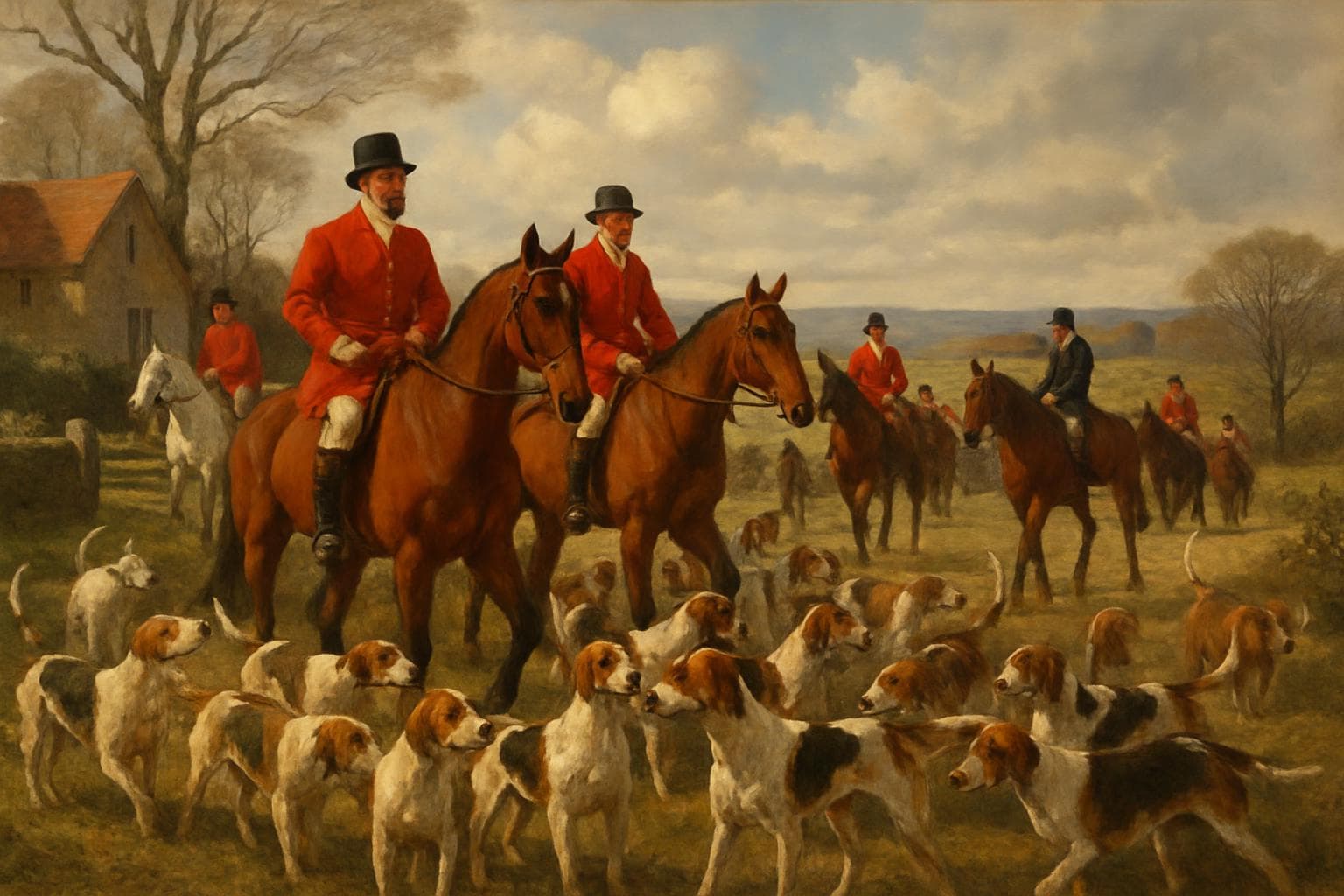
The future of trail hunting in the UK hangs in the balance as the government considers legislation that could outlaw the practice. This development has sparked a heated debate between supporters who view it as a cornerstone of rural life and opponents who see it as a guise for illegal hunting activities.
Background and Current Legislation
Trail hunting emerged as a legal alternative following the 2005 ban on fox hunting under the Hunting Act 2004. It involves laying an animal-based scent trail for hounds to follow, rather than pursuing live foxes. However, the government argues that trail hunting has often been used as a "smokescreen" for continuing the banned practice of hunting wild animals.
Supporters and Economic Impact
Proponents of trail hunting, such as those involved in the Lancashire Wheelton hunt, emphasize its significance to the rural economy. Sue Simmons from Preston highlighted the social and economic benefits, stating, "We get all kinds of people from all walks of life with their horses and ponies... to have a really good sporting day out."
Opposition and Ethical Concerns
On the other hand, anti-hunt campaigners like Lesley Martin challenge the notion that trail hunting enjoys widespread rural support. Martin, who monitors hunts for illegal activities, argues that many locals oppose the practice, describing it as a "medieval pastime" that should be discontinued.
Broader Implications
The debate over trail hunting is emblematic of larger societal tensions between preserving rural traditions and advancing animal rights. Critics of the proposed ban, such as those in the Countryside Alliance, argue that it unfairly targets rural communities, likening it to banning supermarkets due to shoplifting.
WHAT THIS MIGHT MEAN
If the government proceeds with a ban on trail hunting, it could lead to significant changes in rural communities that rely on these events for economic and social cohesion. Legal challenges from hunting groups are likely, potentially prolonging the debate in courts. Politically, the issue may deepen divides between urban and rural constituencies, influencing future legislative priorities. Experts suggest that any new legislation should carefully balance animal welfare concerns with the cultural and economic realities of rural life.
Related Articles

Police Federation Chief Arrested Amid Fraud Investigation

Canada and Australia Forge Strategic Partnership Amid Global Uncertainty
UK Government to Reform Asylum Seeker Support and Employment Policies
Middle East Conflict Drives UK Energy Prices to New Highs

UK Faces Dilemmas Amid Iran Conflict and China Spying Allegations

UK Reinforces Military Presence in Cyprus Amid Middle East Tensions
Debate Intensifies Over Potential Ban on Trail Hunting in the UK
In This Article
 Sofia Romano| Published
 HIGHLIGHTS
- The Lancashire Wheelton hunt, a trail hunt, faces potential government legislation to ban such events.
- Trail hunting was introduced after the 2005 ban on fox hunting, but is criticized as a "smokescreen" for illegal hunting.
- Supporters argue trail hunts are vital for the rural economy, while opponents claim they misrepresent countryside support.
- Anti-hunt campaigners monitor events for illegal activities, asserting that many locals oppose the practice.
- The debate over trail hunting reflects broader tensions between rural traditions and animal rights advocacy.
The future of trail hunting in the UK hangs in the balance as the government considers legislation that could outlaw the practice. This development has sparked a heated debate between supporters who view it as a cornerstone of rural life and opponents who see it as a guise for illegal hunting activities.
Background and Current Legislation
Trail hunting emerged as a legal alternative following the 2005 ban on fox hunting under the Hunting Act 2004. It involves laying an animal-based scent trail for hounds to follow, rather than pursuing live foxes. However, the government argues that trail hunting has often been used as a "smokescreen" for continuing the banned practice of hunting wild animals.
Supporters and Economic Impact
Proponents of trail hunting, such as those involved in the Lancashire Wheelton hunt, emphasize its significance to the rural economy. Sue Simmons from Preston highlighted the social and economic benefits, stating, "We get all kinds of people from all walks of life with their horses and ponies... to have a really good sporting day out."
Opposition and Ethical Concerns
On the other hand, anti-hunt campaigners like Lesley Martin challenge the notion that trail hunting enjoys widespread rural support. Martin, who monitors hunts for illegal activities, argues that many locals oppose the practice, describing it as a "medieval pastime" that should be discontinued.
Broader Implications
The debate over trail hunting is emblematic of larger societal tensions between preserving rural traditions and advancing animal rights. Critics of the proposed ban, such as those in the Countryside Alliance, argue that it unfairly targets rural communities, likening it to banning supermarkets due to shoplifting.
WHAT THIS MIGHT MEAN
If the government proceeds with a ban on trail hunting, it could lead to significant changes in rural communities that rely on these events for economic and social cohesion. Legal challenges from hunting groups are likely, potentially prolonging the debate in courts. Politically, the issue may deepen divides between urban and rural constituencies, influencing future legislative priorities. Experts suggest that any new legislation should carefully balance animal welfare concerns with the cultural and economic realities of rural life.
Related Articles
Police Federation Chief Arrested Amid Fraud Investigation
Canada and Australia Forge Strategic Partnership Amid Global Uncertainty
UK Government to Reform Asylum Seeker Support and Employment Policies
Middle East Conflict Drives UK Energy Prices to New Highs
UK Faces Dilemmas Amid Iran Conflict and China Spying Allegations
UK Reinforces Military Presence in Cyprus Amid Middle East Tensions