
UK Construction Sector Faces Sharpest Slowdown Since Pandemic
In This Article
HIGHLIGHTS
- The UK's construction sector experienced its sharpest contraction since May 2020, with the PMI falling to 39.4 in November.
- Uncertainty surrounding the autumn Budget led to deferred investment decisions and a downturn in infrastructure and housebuilding.
- Employment in the construction sector dropped for the 11th consecutive month, marking the steepest job cuts since August 2020.
- Analysts suggest the PMI figures may be overly pessimistic, with expectations of a rebound following the Budget.
- The government aims to build 1.5 million homes by 2029, but the industry cites a lack of support to meet this target.
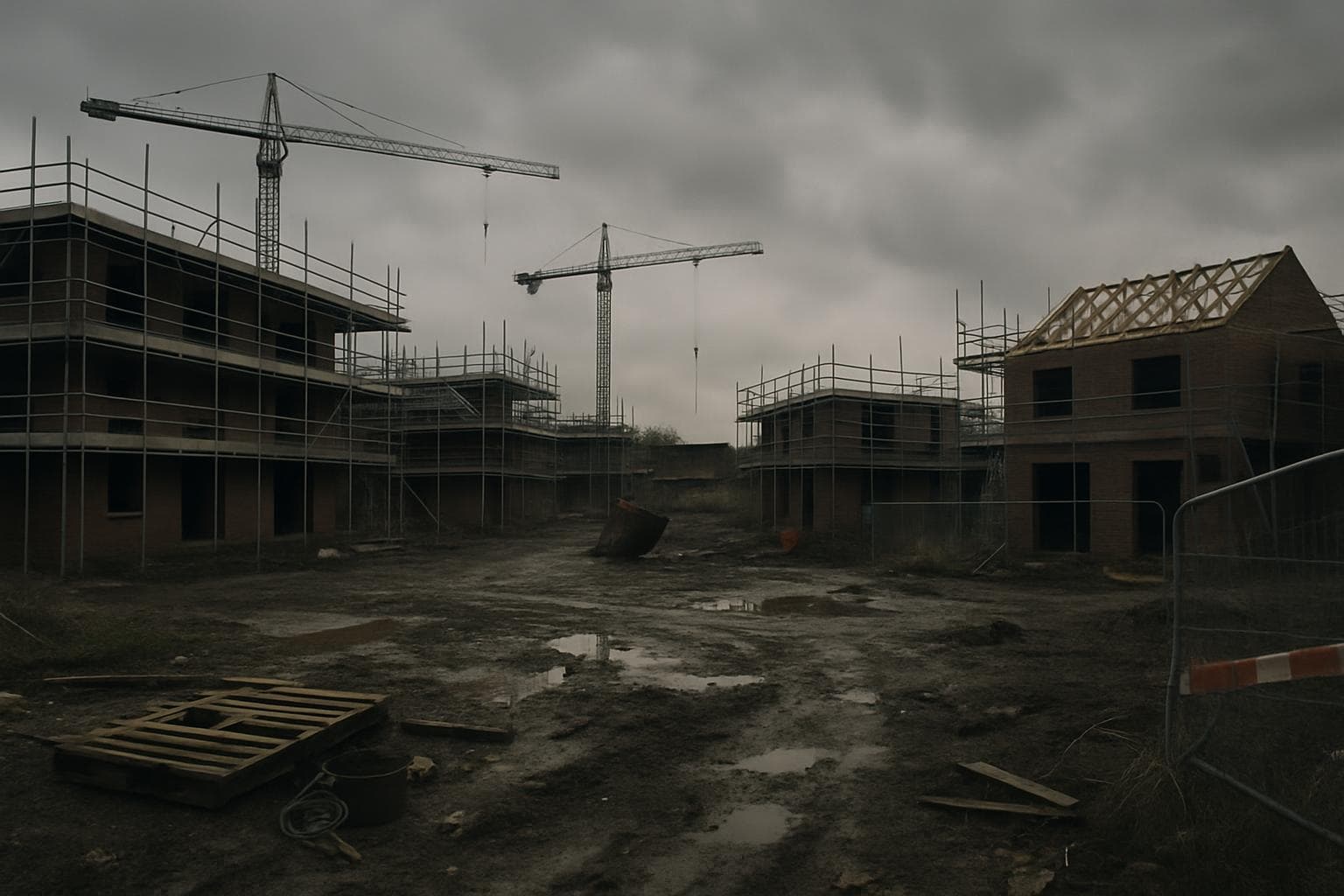
The UK's construction sector has encountered its most significant slowdown since the initial COVID-19 lockdown, as revealed by a recent survey. The Purchasing Managers' Index (PMI), a key indicator of industry health, plummeted to 39.4 in November, down from 44.1 in October, indicating a severe contraction. This marks the lowest PMI score since May 2020, when the pandemic brought construction activities to a halt.
Impact of Budget Uncertainty
The downturn is attributed to widespread uncertainty ahead of the autumn Budget, which prompted clients to delay investment decisions. The construction sector, particularly infrastructure and housebuilding, bore the brunt of these hesitations. Despite the government's ambitious target to build 1.5 million homes by 2029, the industry reports insufficient support to achieve this goal.
Employment and Economic Outlook
Employment within the sector has been on a downward trajectory for 11 consecutive months, with November witnessing the most significant job cuts since August 2020. The lack of new projects to replace completed ones, coupled with rising wage costs, has exacerbated the situation. Tim Moore, economics director at S&P Global Market Intelligence, noted a decline in optimism, citing pervasive concerns about the UK's long-term economic prospects.
Analysts Question Pessimism
Despite the grim PMI figures, some analysts urge caution in interpreting the data. Matt Swannell, chief economic adviser to the EY Item Club, suggests that the negativity may have been amplified by expectations of tax increases in the Budget, which ultimately were less severe than anticipated. Rob Wood, chief UK economist at Pantheon Macroeconomics, also expressed skepticism, stating that while conditions are challenging, they are unlikely to be as dire as during a full lockdown.
WHAT THIS MIGHT MEAN
Looking ahead, the construction sector may experience a rebound if investment decisions resume post-Budget. However, the industry's ability to meet the government's housing targets remains uncertain without increased support. The ongoing economic challenges and potential policy changes will be pivotal in shaping the sector's trajectory. Experts suggest that while the current outlook is bleak, a more optimistic scenario could unfold if economic conditions stabilize and confidence returns to the market.
Related Articles
Middle East Conflict Drives UK Energy Prices to New Highs

Canada and Australia Forge Strategic Partnership Amid Global Uncertainty

UK Government to Reform Asylum Seeker Support and Employment Policies

UK Faces Dilemmas Amid Iran Conflict and China Spying Allegations

UK Reinforces Military Presence in Cyprus Amid Middle East Tensions

Police Federation Chief Arrested Amid Fraud Investigation
UK Construction Sector Faces Sharpest Slowdown Since Pandemic
In This Article
 Daniel Rivera| Published
 HIGHLIGHTS
- The UK's construction sector experienced its sharpest contraction since May 2020, with the PMI falling to 39.4 in November.
- Uncertainty surrounding the autumn Budget led to deferred investment decisions and a downturn in infrastructure and housebuilding.
- Employment in the construction sector dropped for the 11th consecutive month, marking the steepest job cuts since August 2020.
- Analysts suggest the PMI figures may be overly pessimistic, with expectations of a rebound following the Budget.
- The government aims to build 1.5 million homes by 2029, but the industry cites a lack of support to meet this target.
The UK's construction sector has encountered its most significant slowdown since the initial COVID-19 lockdown, as revealed by a recent survey. The Purchasing Managers' Index (PMI), a key indicator of industry health, plummeted to 39.4 in November, down from 44.1 in October, indicating a severe contraction. This marks the lowest PMI score since May 2020, when the pandemic brought construction activities to a halt.
Impact of Budget Uncertainty
The downturn is attributed to widespread uncertainty ahead of the autumn Budget, which prompted clients to delay investment decisions. The construction sector, particularly infrastructure and housebuilding, bore the brunt of these hesitations. Despite the government's ambitious target to build 1.5 million homes by 2029, the industry reports insufficient support to achieve this goal.
Employment and Economic Outlook
Employment within the sector has been on a downward trajectory for 11 consecutive months, with November witnessing the most significant job cuts since August 2020. The lack of new projects to replace completed ones, coupled with rising wage costs, has exacerbated the situation. Tim Moore, economics director at S&P Global Market Intelligence, noted a decline in optimism, citing pervasive concerns about the UK's long-term economic prospects.
Analysts Question Pessimism
Despite the grim PMI figures, some analysts urge caution in interpreting the data. Matt Swannell, chief economic adviser to the EY Item Club, suggests that the negativity may have been amplified by expectations of tax increases in the Budget, which ultimately were less severe than anticipated. Rob Wood, chief UK economist at Pantheon Macroeconomics, also expressed skepticism, stating that while conditions are challenging, they are unlikely to be as dire as during a full lockdown.
WHAT THIS MIGHT MEAN
Looking ahead, the construction sector may experience a rebound if investment decisions resume post-Budget. However, the industry's ability to meet the government's housing targets remains uncertain without increased support. The ongoing economic challenges and potential policy changes will be pivotal in shaping the sector's trajectory. Experts suggest that while the current outlook is bleak, a more optimistic scenario could unfold if economic conditions stabilize and confidence returns to the market.
Related Articles
Middle East Conflict Drives UK Energy Prices to New Highs
Canada and Australia Forge Strategic Partnership Amid Global Uncertainty
UK Government to Reform Asylum Seeker Support and Employment Policies
UK Faces Dilemmas Amid Iran Conflict and China Spying Allegations
UK Reinforces Military Presence in Cyprus Amid Middle East Tensions
Police Federation Chief Arrested Amid Fraud Investigation