
Councils Across England Propose Maximum Tax Hikes Amid Financial Strain
In This Article
HIGHLIGHTS
- Suffolk, Derbyshire, and Stoke-on-Trent councils propose a 4.99% council tax increase to address budget shortfalls and maintain essential services.
- Reform UK-led councils, including Derbyshire, face criticism for tax hikes despite election promises to reduce taxes.
- Stoke-on-Trent seeks £10.5m in exceptional financial support to manage a £31m savings requirement.
- Northamptonshire and Essex councils are also considering maximum tax increases amid ongoing financial pressures.
- The UK government’s funding formula changes have intensified budgetary challenges for rural councils.
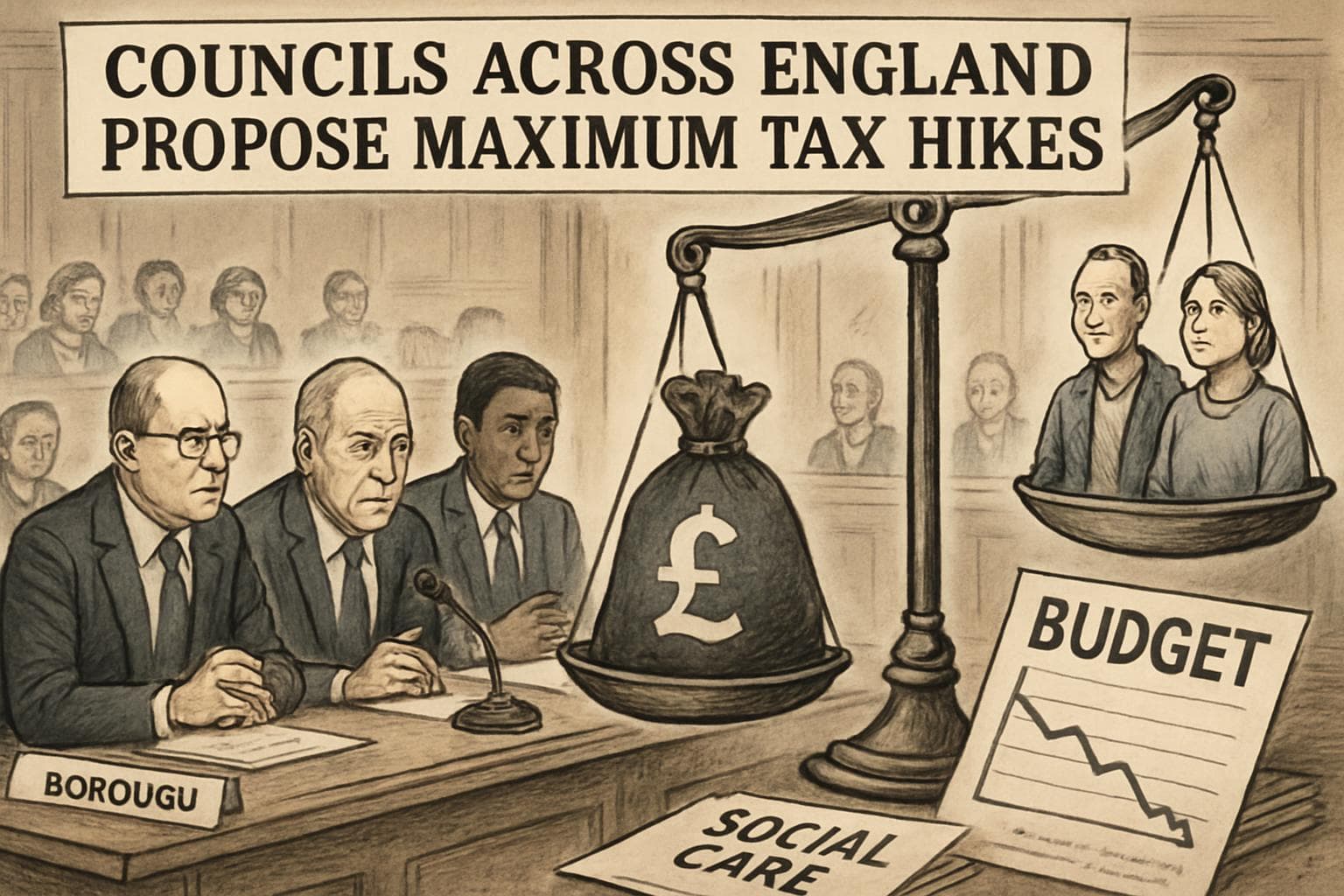
Councils across England, including Suffolk, Derbyshire, and Stoke-on-Trent, are proposing to increase council tax by the maximum allowable 4.99% as they grapple with significant budgetary pressures. These proposals, driven by rising costs and funding shortfalls, are set to be finalized in February.
Suffolk's Financial Strategy
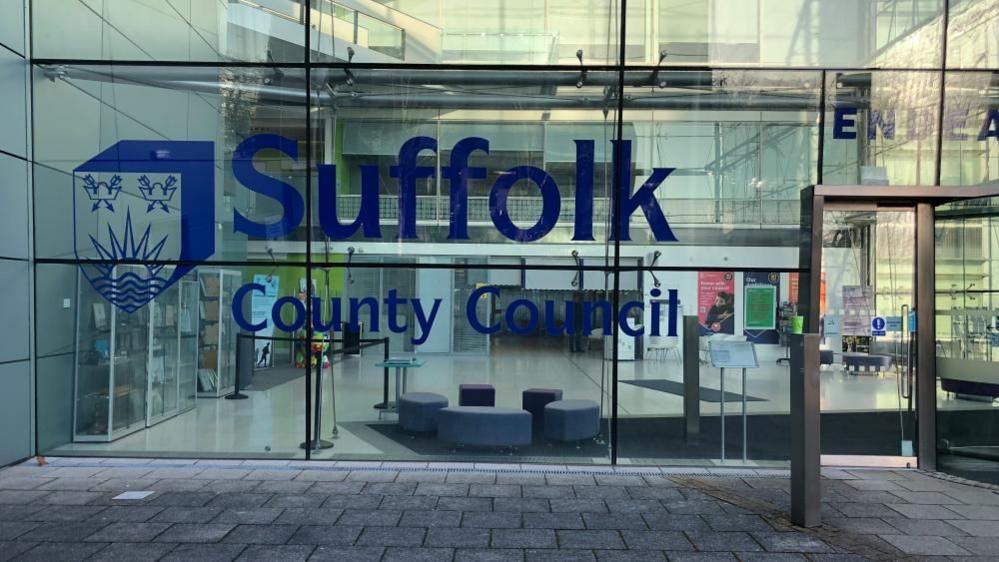
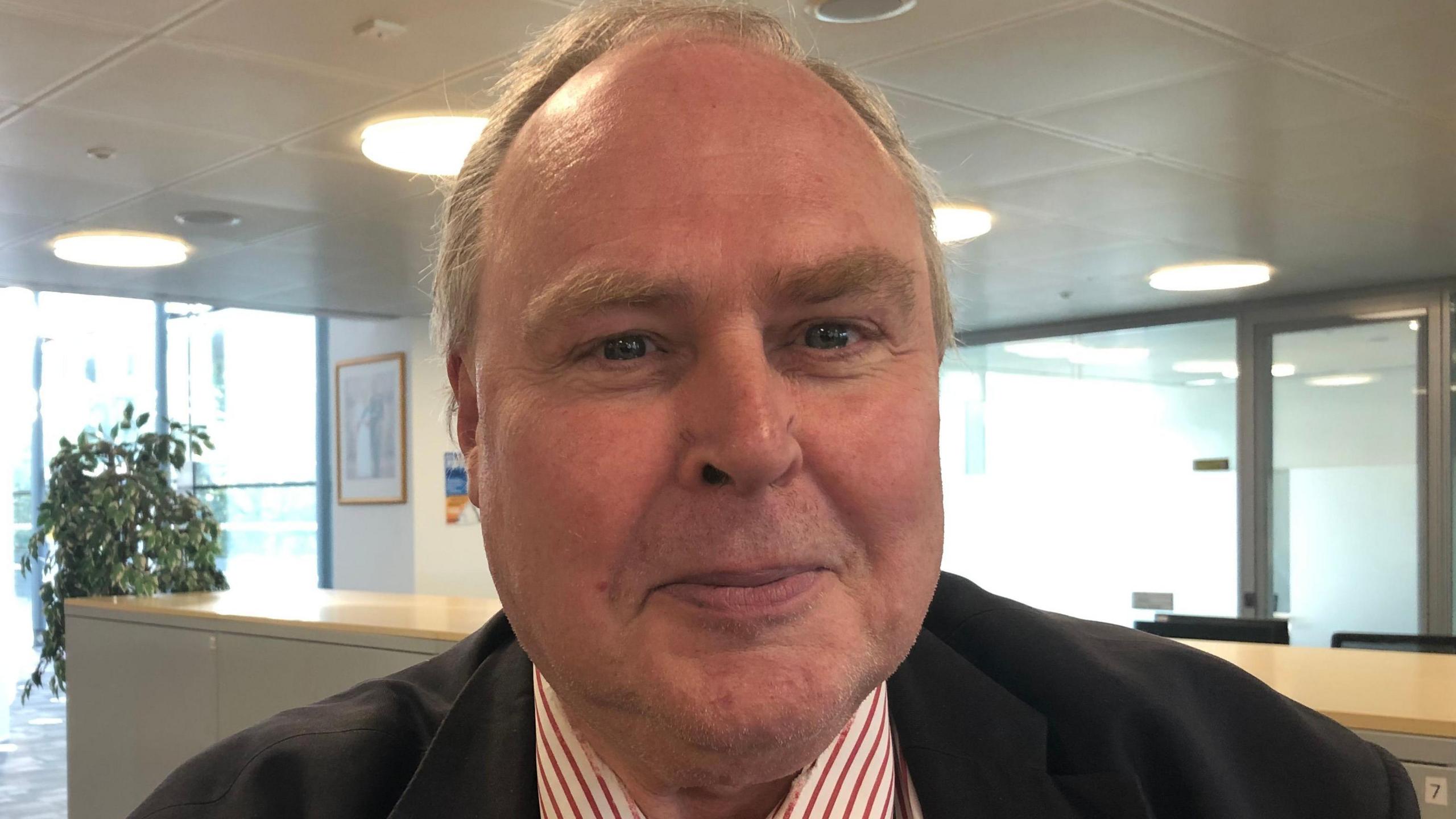
Suffolk County Council, led by the Conservative party, has outlined a draft budget that includes a 4.99% tax increase to sustain essential services. Richard Smith, the cabinet member for finance, emphasized the necessity of this move, citing the Labour government's funding assumptions. The council aims to fill a budget gap with a £46m savings plan, primarily affecting adult social care and children's services. "Residents expect high-quality services and careful use of public money," Smith stated, underscoring the council's commitment to efficiency.
Derbyshire's Controversial Tax Plan
In Derbyshire, the Reform UK-led council has confirmed a similar tax hike, despite previous promises to reduce taxes. The council faces a £38m budget gap, with overspending in social care sectors. Opposition leaders have criticized Reform UK for what they describe as "empty rhetoric." Conservative leader Alex Dale remarked, "Residents were sold a simple slogan, but the reality is those promises were as worthless as the paper they were printed on."
Stoke-on-Trent's Budget Challenges
Stoke-on-Trent City Council is also proposing a 4.99% tax increase while seeking £10.5m in exceptional financial support to manage a £31.2m savings requirement. The council attributes its financial strain to a decade of austerity cuts and rising social care costs. Labour-led council leader Jane Ashworth highlighted the commitment to "investing in things that matter," despite the challenging fiscal environment.
Broader Implications Across Regions
Similar financial pressures are evident in Northamptonshire and Essex, where councils are considering maximum tax increases. The UK government's recent funding formula changes have exacerbated challenges for rural councils, necessitating these tax hikes to maintain service levels.
WHAT THIS MIGHT MEAN
As councils prepare to finalize their budgets, the proposed tax increases are likely to spark further debate and public scrutiny. If approved, these hikes could alleviate immediate financial pressures but may also lead to political fallout, particularly for Reform UK, which faces accusations of reneging on campaign promises. The government's funding formula changes will continue to be a contentious issue, potentially prompting calls for a more equitable distribution of resources to support rural and underfunded areas. As councils navigate these challenges, their ability to balance fiscal responsibility with public service demands will be crucial in shaping local governance and public trust.
Images from the Web
Related Articles

Middle East Conflict Drives UK Energy Prices to New Highs
UK Government Eases Deer Culling to Protect Woodlands and Farmland

Government Announces £4 Billion Overhaul of SEND Support in England

UK Government Announces Major Overhaul of SEND System with £3.4 Billion Investment
Government Unveils Ambitious Plan to Halve Attainment Gap in England's Schools

UK Government's SEND Reforms: A Critical Turning Point for Special Education
Councils Across England Propose Maximum Tax Hikes Amid Financial Strain
In This Article
 Daniel Rivera| Published
 HIGHLIGHTS
- Suffolk, Derbyshire, and Stoke-on-Trent councils propose a 4.99% council tax increase to address budget shortfalls and maintain essential services.
- Reform UK-led councils, including Derbyshire, face criticism for tax hikes despite election promises to reduce taxes.
- Stoke-on-Trent seeks £10.5m in exceptional financial support to manage a £31m savings requirement.
- Northamptonshire and Essex councils are also considering maximum tax increases amid ongoing financial pressures.
- The UK government’s funding formula changes have intensified budgetary challenges for rural councils.
Councils across England, including Suffolk, Derbyshire, and Stoke-on-Trent, are proposing to increase council tax by the maximum allowable 4.99% as they grapple with significant budgetary pressures. These proposals, driven by rising costs and funding shortfalls, are set to be finalized in February.
Suffolk's Financial Strategy
Suffolk County Council, led by the Conservative party, has outlined a draft budget that includes a 4.99% tax increase to sustain essential services. Richard Smith, the cabinet member for finance, emphasized the necessity of this move, citing the Labour government's funding assumptions. The council aims to fill a budget gap with a £46m savings plan, primarily affecting adult social care and children's services. "Residents expect high-quality services and careful use of public money," Smith stated, underscoring the council's commitment to efficiency.
Derbyshire's Controversial Tax Plan
In Derbyshire, the Reform UK-led council has confirmed a similar tax hike, despite previous promises to reduce taxes. The council faces a £38m budget gap, with overspending in social care sectors. Opposition leaders have criticized Reform UK for what they describe as "empty rhetoric." Conservative leader Alex Dale remarked, "Residents were sold a simple slogan, but the reality is those promises were as worthless as the paper they were printed on."
Stoke-on-Trent's Budget Challenges
Stoke-on-Trent City Council is also proposing a 4.99% tax increase while seeking £10.5m in exceptional financial support to manage a £31.2m savings requirement. The council attributes its financial strain to a decade of austerity cuts and rising social care costs. Labour-led council leader Jane Ashworth highlighted the commitment to "investing in things that matter," despite the challenging fiscal environment.
Broader Implications Across Regions
Similar financial pressures are evident in Northamptonshire and Essex, where councils are considering maximum tax increases. The UK government's recent funding formula changes have exacerbated challenges for rural councils, necessitating these tax hikes to maintain service levels.
WHAT THIS MIGHT MEAN
As councils prepare to finalize their budgets, the proposed tax increases are likely to spark further debate and public scrutiny. If approved, these hikes could alleviate immediate financial pressures but may also lead to political fallout, particularly for Reform UK, which faces accusations of reneging on campaign promises. The government's funding formula changes will continue to be a contentious issue, potentially prompting calls for a more equitable distribution of resources to support rural and underfunded areas. As councils navigate these challenges, their ability to balance fiscal responsibility with public service demands will be crucial in shaping local governance and public trust.
Images from the Web
Related Articles
Middle East Conflict Drives UK Energy Prices to New Highs
UK Government Eases Deer Culling to Protect Woodlands and Farmland
Government Announces £4 Billion Overhaul of SEND Support in England
UK Government Announces Major Overhaul of SEND System with £3.4 Billion Investment
Government Unveils Ambitious Plan to Halve Attainment Gap in England's Schools
UK Government's SEND Reforms: A Critical Turning Point for Special Education