
UK High Court Upholds Legality of F-35 Parts Exports to Israel
In This Article
HIGHLIGHTS
- The UK High Court ruled that exporting F-35 parts to Israel is lawful, despite potential breaches of international humanitarian law.
- The court emphasized that decisions on defense collaborations are political, not judicial, matters.
- Human rights groups, including Amnesty International and Human Rights Watch, criticized the ruling, citing ongoing humanitarian issues in Gaza.
- The UK government argued that withdrawing from the F-35 program could harm international peace and weaken NATO.
- The case was brought by Al-Haq and the Global Legal Action Network, challenging the UK’s arms export policies.
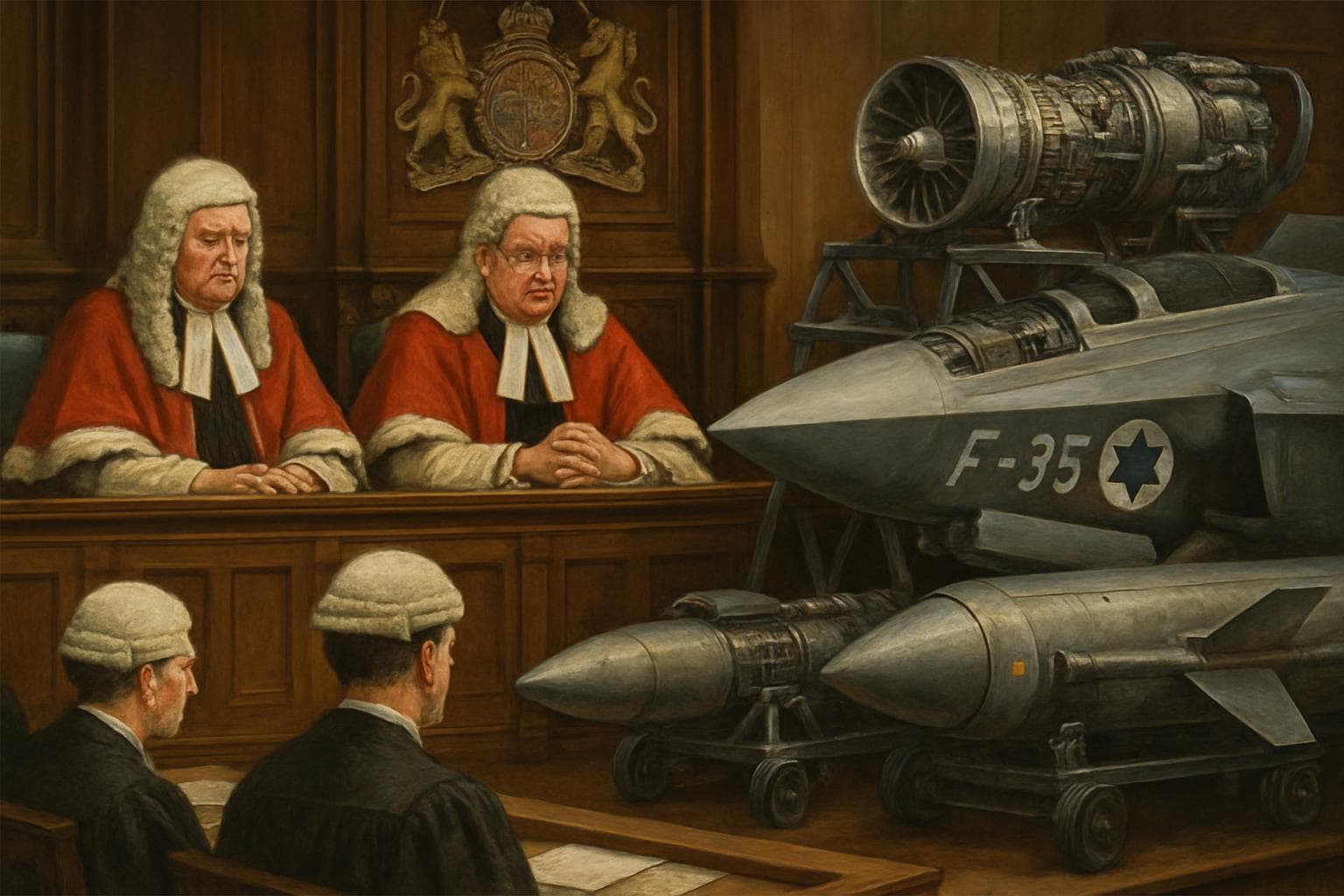
In a significant legal decision, the UK's High Court has ruled that the export of British-made components for F-35 fighter jets to Israel is lawful, despite concerns about their potential use in violations of international humanitarian law in Gaza. The ruling, delivered by Lord Justice Males and Mrs. Justice Steyn, concluded a protracted legal battle initiated by Palestinian human rights group Al-Haq and the Global Legal Action Network.
Legal Context and Court's Decision
The court's decision followed a 20-month litigation process, during which the UK government defended its participation in the Lockheed Martin F-35 consortium. The judges stated that the issue of whether the UK should withdraw from the defense collaboration due to potential misuse of parts in Gaza is a political matter, best left to the executive branch accountable to Parliament and the electorate. The court rejected all 13 grounds of complaint, emphasizing that such decisions are beyond judicial purview.
Government's Defense and International Implications
The UK government argued that disrupting the F-35 supply chain could undermine international peace and weaken NATO, especially given the UK's significant contribution of approximately 16% of the jet's components. Business Minister Jonathan Reynolds highlighted the strategic importance of the program, asserting that withdrawal could damage US-UK relations and NATO's stability.
Human Rights Concerns
Despite the ruling, human rights organizations, including Amnesty International and Human Rights Watch, expressed disappointment. They highlighted the ongoing humanitarian crisis in Gaza, where UK-made components could potentially be used in military operations. Sacha Deshmukh, Amnesty International UK's chief executive, criticized the judgment, stating it does not absolve the UK of its international law responsibilities.
Broader Implications
The case has sparked a broader debate about the UK's arms export regime and its compliance with international law. Critics argue that the ruling exposes weaknesses in the system, as the court determined it lacked jurisdiction to enforce international law obligations not incorporated into UK law.
WHAT THIS MIGHT MEAN
Moving forward, the High Court's decision may prompt further scrutiny of the UK's arms export policies, particularly concerning regions with ongoing conflicts like Gaza. Human rights organizations are likely to continue advocating for stricter regulations and greater accountability. Politically, the ruling underscores the delicate balance between national defense interests and international humanitarian obligations. As tensions persist in Gaza, the UK government may face increased pressure both domestically and internationally to reassess its defense collaborations and arms export strategies.
Related Articles

UK Faces Dilemmas Amid Iran Conflict and China Spying Allegations
UK-Iran Tensions: Starmer Defends Cautious Approach Amid Trump Criticism

Prince Andrew's Ties to Epstein Under Scrutiny Amid Calls for Inquiry

Government Criticized for Mishandling Maccabi Tel Aviv Fan Ban

Middle East Conflict Drives UK Energy Prices to New Highs
Iran Postpones Khamenei Funeral Amid Escalating US-Israeli Strikes
UK High Court Upholds Legality of F-35 Parts Exports to Israel
In This Article
 Ethan Brooks| Published
 HIGHLIGHTS
- The UK High Court ruled that exporting F-35 parts to Israel is lawful, despite potential breaches of international humanitarian law.
- The court emphasized that decisions on defense collaborations are political, not judicial, matters.
- Human rights groups, including Amnesty International and Human Rights Watch, criticized the ruling, citing ongoing humanitarian issues in Gaza.
- The UK government argued that withdrawing from the F-35 program could harm international peace and weaken NATO.
- The case was brought by Al-Haq and the Global Legal Action Network, challenging the UK’s arms export policies.
In a significant legal decision, the UK's High Court has ruled that the export of British-made components for F-35 fighter jets to Israel is lawful, despite concerns about their potential use in violations of international humanitarian law in Gaza. The ruling, delivered by Lord Justice Males and Mrs. Justice Steyn, concluded a protracted legal battle initiated by Palestinian human rights group Al-Haq and the Global Legal Action Network.
Legal Context and Court's Decision
The court's decision followed a 20-month litigation process, during which the UK government defended its participation in the Lockheed Martin F-35 consortium. The judges stated that the issue of whether the UK should withdraw from the defense collaboration due to potential misuse of parts in Gaza is a political matter, best left to the executive branch accountable to Parliament and the electorate. The court rejected all 13 grounds of complaint, emphasizing that such decisions are beyond judicial purview.
Government's Defense and International Implications
The UK government argued that disrupting the F-35 supply chain could undermine international peace and weaken NATO, especially given the UK's significant contribution of approximately 16% of the jet's components. Business Minister Jonathan Reynolds highlighted the strategic importance of the program, asserting that withdrawal could damage US-UK relations and NATO's stability.
Human Rights Concerns
Despite the ruling, human rights organizations, including Amnesty International and Human Rights Watch, expressed disappointment. They highlighted the ongoing humanitarian crisis in Gaza, where UK-made components could potentially be used in military operations. Sacha Deshmukh, Amnesty International UK's chief executive, criticized the judgment, stating it does not absolve the UK of its international law responsibilities.
Broader Implications
The case has sparked a broader debate about the UK's arms export regime and its compliance with international law. Critics argue that the ruling exposes weaknesses in the system, as the court determined it lacked jurisdiction to enforce international law obligations not incorporated into UK law.
WHAT THIS MIGHT MEAN
Moving forward, the High Court's decision may prompt further scrutiny of the UK's arms export policies, particularly concerning regions with ongoing conflicts like Gaza. Human rights organizations are likely to continue advocating for stricter regulations and greater accountability. Politically, the ruling underscores the delicate balance between national defense interests and international humanitarian obligations. As tensions persist in Gaza, the UK government may face increased pressure both domestically and internationally to reassess its defense collaborations and arms export strategies.
Related Articles
UK Faces Dilemmas Amid Iran Conflict and China Spying Allegations
UK-Iran Tensions: Starmer Defends Cautious Approach Amid Trump Criticism
Prince Andrew's Ties to Epstein Under Scrutiny Amid Calls for Inquiry
Government Criticized for Mishandling Maccabi Tel Aviv Fan Ban
Middle East Conflict Drives UK Energy Prices to New Highs
Iran Postpones Khamenei Funeral Amid Escalating US-Israeli Strikes