
Covid Inquiry Exposes Leadership Failures and Missed Opportunities in UK's Pandemic Response
In This Article
HIGHLIGHTS
- A damning Covid inquiry report criticizes Boris Johnson's leadership, highlighting a "toxic" and "chaotic" No 10 during the pandemic.
- The report suggests that an earlier lockdown could have saved over 20,000 lives, pointing to a "lost month" of inaction in February 2020.
- Criticism extends to the devolved governments and scientific advisers, with Dominic Cummings calling the inquiry a "rewriting of history."
- The report's findings have been met with skepticism by some, who argue it offers little new insight despite its high cost.
- The Covid-19 Bereaved Families group expressed devastation over the lives that could have been saved under different leadership.
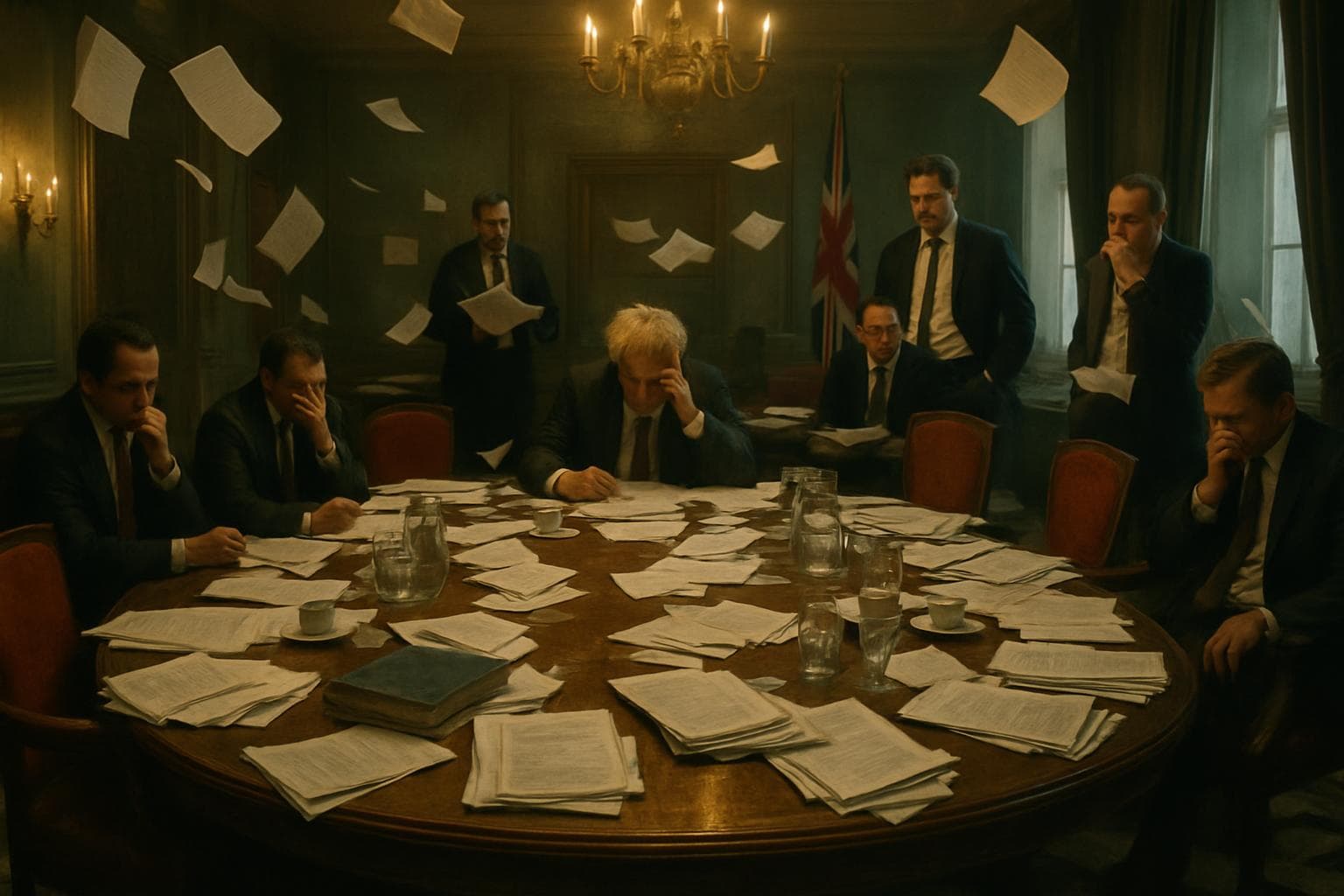
The recent Covid inquiry report has cast a harsh light on the UK's handling of the pandemic, particularly under the leadership of former Prime Minister Boris Johnson. Described as "toxic" and "chaotic," Johnson's administration is criticized for its indecisive response during a critical period in early 2020. The report, which has been labeled as the costliest inquiry in British history, suggests that implementing a lockdown just a week earlier could have saved over 20,000 lives.
Leadership Under Scrutiny
The inquiry highlights a "lost month" of inaction in February 2020, during which Johnson was reportedly at Chevening House, receiving no daily updates on the escalating crisis. The report notes that he failed to chair any meetings of the government's emergency Cobra committee during this time. It criticizes Johnson's optimistic disposition and reliance on assurances from then Health Secretary Matt Hancock, who was known for "overpromising and underdelivering."
Broader Criticism and Reactions
While Johnson and his team, including adviser Dominic Cummings, face the brunt of the criticism, the report also targets the devolved governments and scientific advisers. Cummings has dismissed the inquiry as a "mix of cover-ups and rewriting of history," arguing that it unfairly blames politicians over scientific advisers. Despite the report's high cost, some critics argue it offers little new information.
Impact on Political Landscape
The findings have significant implications for Johnson's political future, with many commentators suggesting that any ambitions for a comeback are now untenable. The Covid-19 Bereaved Families group expressed their devastation, lamenting the lives that could have been saved under different leadership. The report also calls for a radical overhaul of the UK's emergency planning systems, which it describes as overly complex and outdated.
WHAT THIS MIGHT MEAN
The inquiry's findings could lead to significant changes in how the UK prepares for future public health crises. Recommendations for a streamlined emergency response system and regular pandemic exercises may be implemented to prevent similar failings. Politically, the report may further diminish Boris Johnson's influence, potentially reshaping the Conservative Party's leadership dynamics. As the UK reflects on these findings, the focus may shift towards ensuring accountability and learning from past mistakes to safeguard public health in the future.
Related Articles
UK Government to Reform Asylum Seeker Support and Employment Policies
Labour MP's Husband Arrested in UK-China Espionage Probe
UK-Iran Tensions: Starmer Defends Cautious Approach Amid Trump Criticism
MPs Weigh Inquiry into Andrew Mountbatten-Windsor's Trade Envoy Role Amid Arrest
Andrew Mountbatten-Windsor Arrested Amid Misconduct Allegations
Trump Criticizes UK Plan to Transfer Chagos Islands to Mauritius
Covid Inquiry Exposes Leadership Failures and Missed Opportunities in UK's Pandemic Response
In This Article
 Ethan Brooks| Published
 HIGHLIGHTS
- A damning Covid inquiry report criticizes Boris Johnson's leadership, highlighting a "toxic" and "chaotic" No 10 during the pandemic.
- The report suggests that an earlier lockdown could have saved over 20,000 lives, pointing to a "lost month" of inaction in February 2020.
- Criticism extends to the devolved governments and scientific advisers, with Dominic Cummings calling the inquiry a "rewriting of history."
- The report's findings have been met with skepticism by some, who argue it offers little new insight despite its high cost.
- The Covid-19 Bereaved Families group expressed devastation over the lives that could have been saved under different leadership.
The recent Covid inquiry report has cast a harsh light on the UK's handling of the pandemic, particularly under the leadership of former Prime Minister Boris Johnson. Described as "toxic" and "chaotic," Johnson's administration is criticized for its indecisive response during a critical period in early 2020. The report, which has been labeled as the costliest inquiry in British history, suggests that implementing a lockdown just a week earlier could have saved over 20,000 lives.
Leadership Under Scrutiny
The inquiry highlights a "lost month" of inaction in February 2020, during which Johnson was reportedly at Chevening House, receiving no daily updates on the escalating crisis. The report notes that he failed to chair any meetings of the government's emergency Cobra committee during this time. It criticizes Johnson's optimistic disposition and reliance on assurances from then Health Secretary Matt Hancock, who was known for "overpromising and underdelivering."
Broader Criticism and Reactions
While Johnson and his team, including adviser Dominic Cummings, face the brunt of the criticism, the report also targets the devolved governments and scientific advisers. Cummings has dismissed the inquiry as a "mix of cover-ups and rewriting of history," arguing that it unfairly blames politicians over scientific advisers. Despite the report's high cost, some critics argue it offers little new information.
Impact on Political Landscape
The findings have significant implications for Johnson's political future, with many commentators suggesting that any ambitions for a comeback are now untenable. The Covid-19 Bereaved Families group expressed their devastation, lamenting the lives that could have been saved under different leadership. The report also calls for a radical overhaul of the UK's emergency planning systems, which it describes as overly complex and outdated.
WHAT THIS MIGHT MEAN
The inquiry's findings could lead to significant changes in how the UK prepares for future public health crises. Recommendations for a streamlined emergency response system and regular pandemic exercises may be implemented to prevent similar failings. Politically, the report may further diminish Boris Johnson's influence, potentially reshaping the Conservative Party's leadership dynamics. As the UK reflects on these findings, the focus may shift towards ensuring accountability and learning from past mistakes to safeguard public health in the future.
Related Articles
UK Government to Reform Asylum Seeker Support and Employment Policies
Labour MP's Husband Arrested in UK-China Espionage Probe
UK-Iran Tensions: Starmer Defends Cautious Approach Amid Trump Criticism
MPs Weigh Inquiry into Andrew Mountbatten-Windsor's Trade Envoy Role Amid Arrest
Andrew Mountbatten-Windsor Arrested Amid Misconduct Allegations
Trump Criticizes UK Plan to Transfer Chagos Islands to Mauritius