
UK Covid Response Criticized as 'Too Little, Too Late' in Damning Inquiry Report
In This Article
HIGHLIGHTS
- The UK government's Covid response was criticized as "too little, too late," leading to thousands of additional deaths.
- An inquiry found that earlier lockdowns could have saved over 20,000 lives in England during the first wave.
- The Welsh government's initial Covid response was deemed "inadequate," with a heavy reliance on UK-wide decisions.
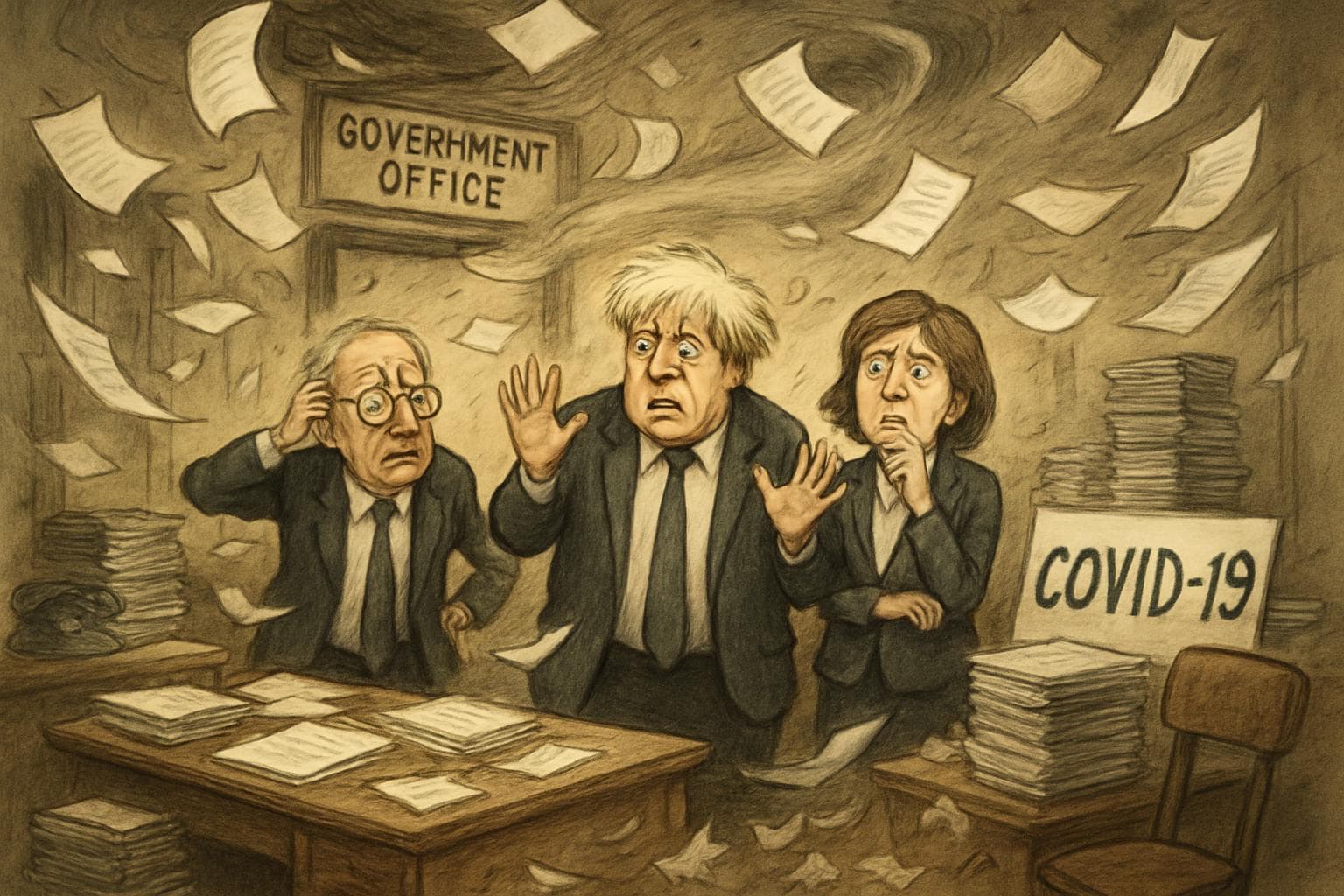
- A "toxic and chaotic" culture in Downing Street, influenced by Boris Johnson and Dominic Cummings, hindered effective decision-making.
- The report highlighted repeated failures across all UK governments to act decisively and learn from early pandemic mistakes.
The UK's handling of the Covid-19 pandemic has come under severe scrutiny following the release of a comprehensive inquiry report. The report, led by Baroness Hallett, paints a stark picture of governmental delay and indecision, concluding that the response was "too little, too late," resulting in thousands of preventable deaths.
Early Warnings and Missed Opportunities
As early as January 2020, warnings about the severity of the virus were evident, yet the UK government failed to act with the necessary urgency. The report suggests that implementing lockdown measures a week earlier in March 2020 could have saved over 23,000 lives in England alone. February 2020 is described as a "lost month," with critical time wasted due to a lack of decisive action.
Welsh Government's Inadequate Response
The inquiry also criticized the Welsh government's initial response, labeling it "inadequate" and overly dependent on UK-wide strategies. The report noted that the Welsh ministers failed to recognize the severity of the situation early on, leading to delayed and insufficient measures. This contributed to Wales experiencing the highest Covid-19 mortality rate among the UK nations during the second wave.
Chaotic Leadership and Cultural Issues
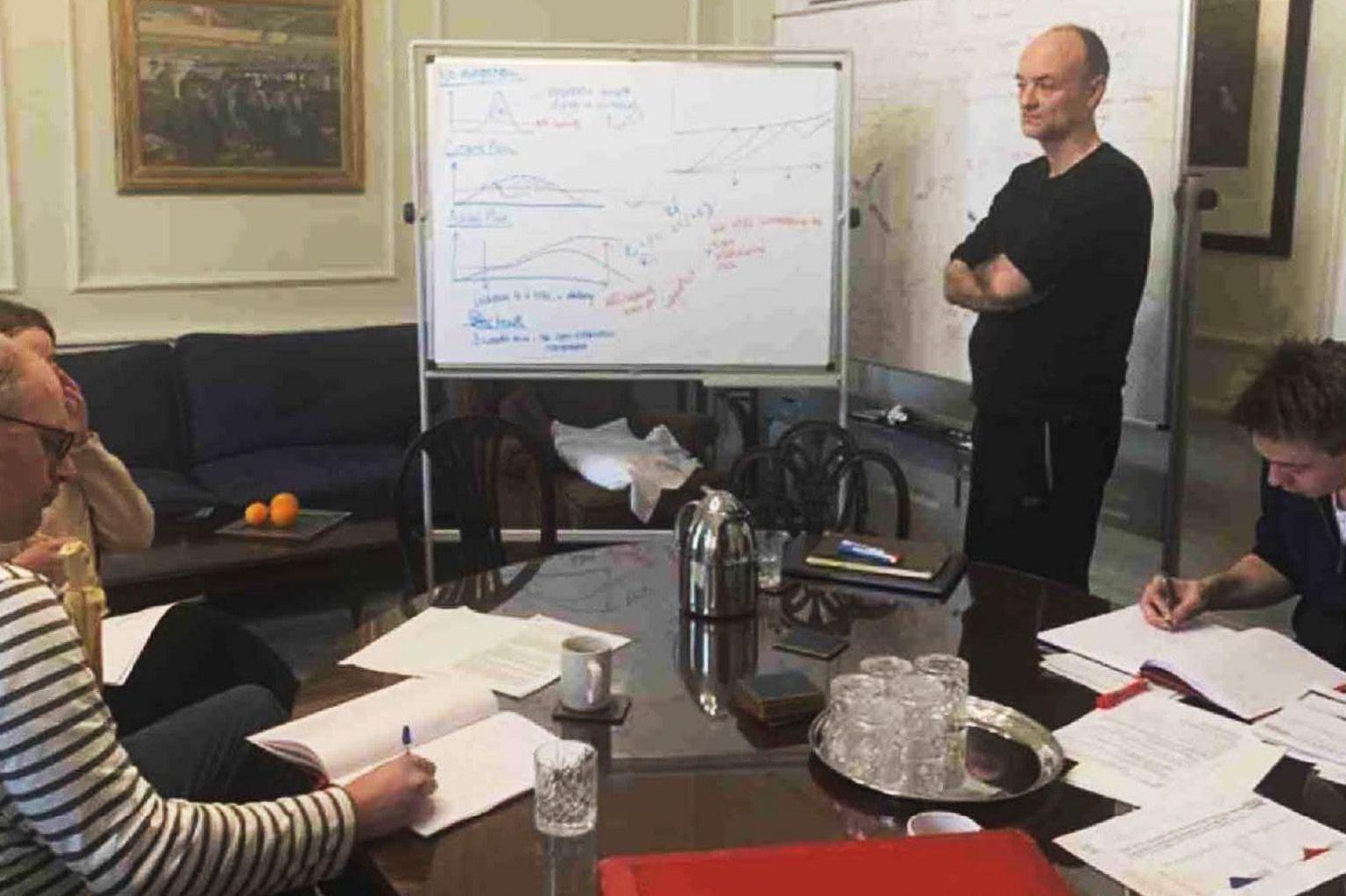
A "toxic and chaotic" culture within Downing Street, exacerbated by figures like Boris Johnson and his adviser Dominic Cummings, further complicated the UK's pandemic response. The report highlights a culture of fear and indecision, with Johnson's optimism and Cummings' influence creating an environment where effective decision-making was severely compromised.
Repeated Failures Across the UK
The inquiry found that all four UK governments repeatedly failed to appreciate the scale of the threat posed by Covid-19. The lack of urgency and reliance on misleading assurances about the UK's preparedness led to delayed lockdowns and inadequate public health measures. The report also criticized the handling of vulnerable groups and the impact of school closures, which were not prioritized adequately.
WHAT THIS MIGHT MEAN
The findings of this inquiry could have significant political and legal implications. Calls for accountability may intensify, potentially leading to further investigations or policy reforms. The report's criticism of leadership and decision-making could influence future public health strategies, emphasizing the need for timely and decisive action in crisis situations. As the UK reflects on these findings, there may be increased pressure on current leaders to ensure that lessons are learned and similar mistakes are not repeated in future public health emergencies.
Images from the Web
Related Articles
Diplomatic Tensions Rise as Trump Criticizes Starmer's Iran Policy
UK Government to Reform Asylum Seeker Support and Employment Policies

Sisters Tragically Drown at Eryri National Park's Watkin Path

UK Faces Dilemmas Amid Iran Conflict and China Spying Allegations

UK Reinforces Military Presence in Cyprus Amid Middle East Tensions
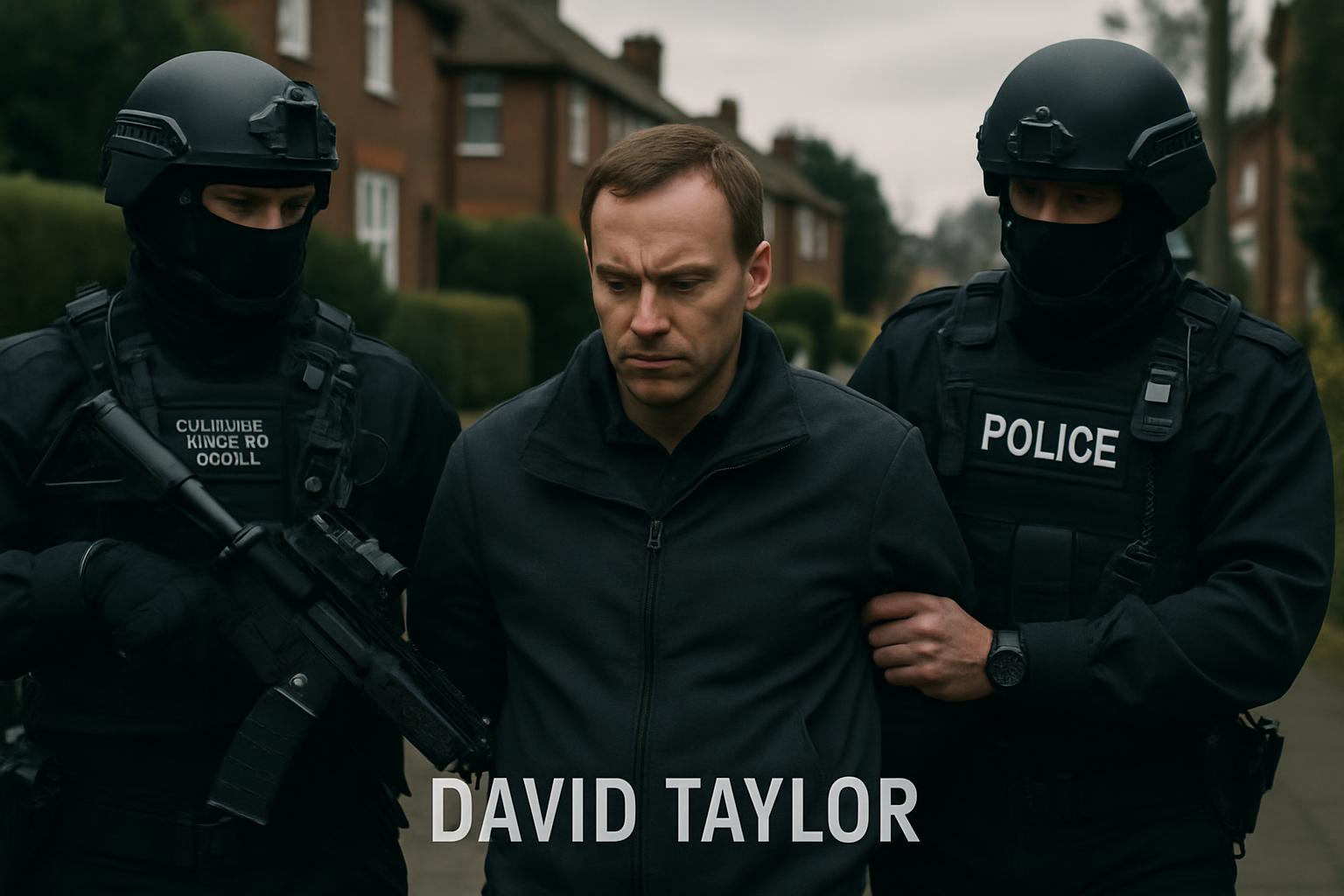
Labour MP's Husband Arrested in UK-China Espionage Probe
UK Covid Response Criticized as 'Too Little, Too Late' in Damning Inquiry Report
In This Article
 Ethan Brooks| Published
 HIGHLIGHTS
- The UK government's Covid response was criticized as "too little, too late," leading to thousands of additional deaths.
- An inquiry found that earlier lockdowns could have saved over 20,000 lives in England during the first wave.
- The Welsh government's initial Covid response was deemed "inadequate," with a heavy reliance on UK-wide decisions.
- A "toxic and chaotic" culture in Downing Street, influenced by Boris Johnson and Dominic Cummings, hindered effective decision-making.
- The report highlighted repeated failures across all UK governments to act decisively and learn from early pandemic mistakes.
The UK's handling of the Covid-19 pandemic has come under severe scrutiny following the release of a comprehensive inquiry report. The report, led by Baroness Hallett, paints a stark picture of governmental delay and indecision, concluding that the response was "too little, too late," resulting in thousands of preventable deaths.
Early Warnings and Missed Opportunities
As early as January 2020, warnings about the severity of the virus were evident, yet the UK government failed to act with the necessary urgency. The report suggests that implementing lockdown measures a week earlier in March 2020 could have saved over 23,000 lives in England alone. February 2020 is described as a "lost month," with critical time wasted due to a lack of decisive action.
Welsh Government's Inadequate Response
The inquiry also criticized the Welsh government's initial response, labeling it "inadequate" and overly dependent on UK-wide strategies. The report noted that the Welsh ministers failed to recognize the severity of the situation early on, leading to delayed and insufficient measures. This contributed to Wales experiencing the highest Covid-19 mortality rate among the UK nations during the second wave.
Chaotic Leadership and Cultural Issues
A "toxic and chaotic" culture within Downing Street, exacerbated by figures like Boris Johnson and his adviser Dominic Cummings, further complicated the UK's pandemic response. The report highlights a culture of fear and indecision, with Johnson's optimism and Cummings' influence creating an environment where effective decision-making was severely compromised.
Repeated Failures Across the UK
The inquiry found that all four UK governments repeatedly failed to appreciate the scale of the threat posed by Covid-19. The lack of urgency and reliance on misleading assurances about the UK's preparedness led to delayed lockdowns and inadequate public health measures. The report also criticized the handling of vulnerable groups and the impact of school closures, which were not prioritized adequately.
WHAT THIS MIGHT MEAN
The findings of this inquiry could have significant political and legal implications. Calls for accountability may intensify, potentially leading to further investigations or policy reforms. The report's criticism of leadership and decision-making could influence future public health strategies, emphasizing the need for timely and decisive action in crisis situations. As the UK reflects on these findings, there may be increased pressure on current leaders to ensure that lessons are learned and similar mistakes are not repeated in future public health emergencies.
Images from the Web
Related Articles
Diplomatic Tensions Rise as Trump Criticizes Starmer's Iran Policy
UK Government to Reform Asylum Seeker Support and Employment Policies
Sisters Tragically Drown at Eryri National Park's Watkin Path
UK Faces Dilemmas Amid Iran Conflict and China Spying Allegations
UK Reinforces Military Presence in Cyprus Amid Middle East Tensions
Labour MP's Husband Arrested in UK-China Espionage Probe