
UK Home Office to Cut Asylum Seekers' Transition Period Amidst Rising Homelessness Concerns

In This Article
HIGHLIGHTS
- The UK Home Office plans to reduce the asylum seekers' accommodation transition period from 56 to 28 days starting September.
- Charities warn this policy change could lead to increased homelessness among refugees, with a 99% rise in homelessness reported in 2023-24.
- The government aims to reduce reliance on asylum hotels by 2029, despite a slight increase in their use since Labour's rise to power.
- Families, pregnant women, and vulnerable groups will retain the 56-day period until December, pending further review.
- The British Red Cross and other NGOs urge the government to reconsider, citing insufficient time for refugees to secure housing and employment.
The UK Home Office has announced plans to halve the transition period for asylum seekers from 56 to 28 days, a move that has sparked significant concern among refugee charities. This policy change, set to take effect in September, aims to reduce the number of asylum seekers housed in government-funded hotels. However, critics argue that the shortened timeframe could exacerbate homelessness among newly recognized refugees.
Policy Reversal and Its Implications
In December, the government extended the transition period to 56 days in response to warnings from councils and charities about rising refugee homelessness. This extension was initially intended as a temporary measure to support local authorities. Despite evidence from the No Accommodation Network (Naccom) showing a reduction in homelessness risk, the Home Office has decided to revert to the original 28-day period.
The government maintains that this decision is part of a broader strategy to phase out the use of asylum hotels by 2029. However, recent data indicates a slight increase in the number of asylum seekers housed in hotels since Labour assumed power. The Home Office asserts that faster processing of asylum claims will ultimately reduce the need for such accommodations.
Charitable Concerns and Calls for Reconsideration
Refugee organizations, including the British Red Cross, have expressed alarm over the potential increase in rough sleeping. Alex Fraser, Director of Refugee Services at the British Red Cross, emphasized that the reduced move-on period could lead to heightened levels of destitution and strain on local authorities. "Making people destitute ends up costing the taxpayer more money and causing distress and hardship," Fraser stated, urging the government to review its decision.
According to Naccom, homelessness among refugee adults surged by 99% in 2023-24, with rough sleeping rising by 125%. The 56-day pilot scheme introduced in December 2024 had reportedly decreased street homelessness, with fewer refugees seeking emergency shelter.
Exceptions and Future Reviews
While the new policy will apply to single adults, exceptions will be made for families, pregnant women, and vulnerable individuals, who will continue to receive 56 days of support until December. The policy will be reviewed again at that time to assess its impact and effectiveness.
WHAT THIS MIGHT MEAN
The Home Office's decision to revert to a 28-day transition period for asylum seekers could have significant implications for refugee support systems in the UK. If the policy leads to increased homelessness, as charities predict, local authorities and voluntary services may face heightened pressure to provide emergency assistance. This could also result in increased public spending to address the consequences of destitution.
Politically, the move may attract criticism from human rights organizations and opposition parties, potentially influencing future immigration policy debates. The government's commitment to ending the use of asylum hotels by 2029 will require careful balancing of expedited asylum processing with adequate support for refugees transitioning to independent living.
Experts suggest that the government should consider extending the transition period or implementing additional support measures to prevent a rise in homelessness and ensure a smoother integration process for refugees.
Related Articles

Global Counsel Faces Collapse Amidst Epstein Scandal Fallout
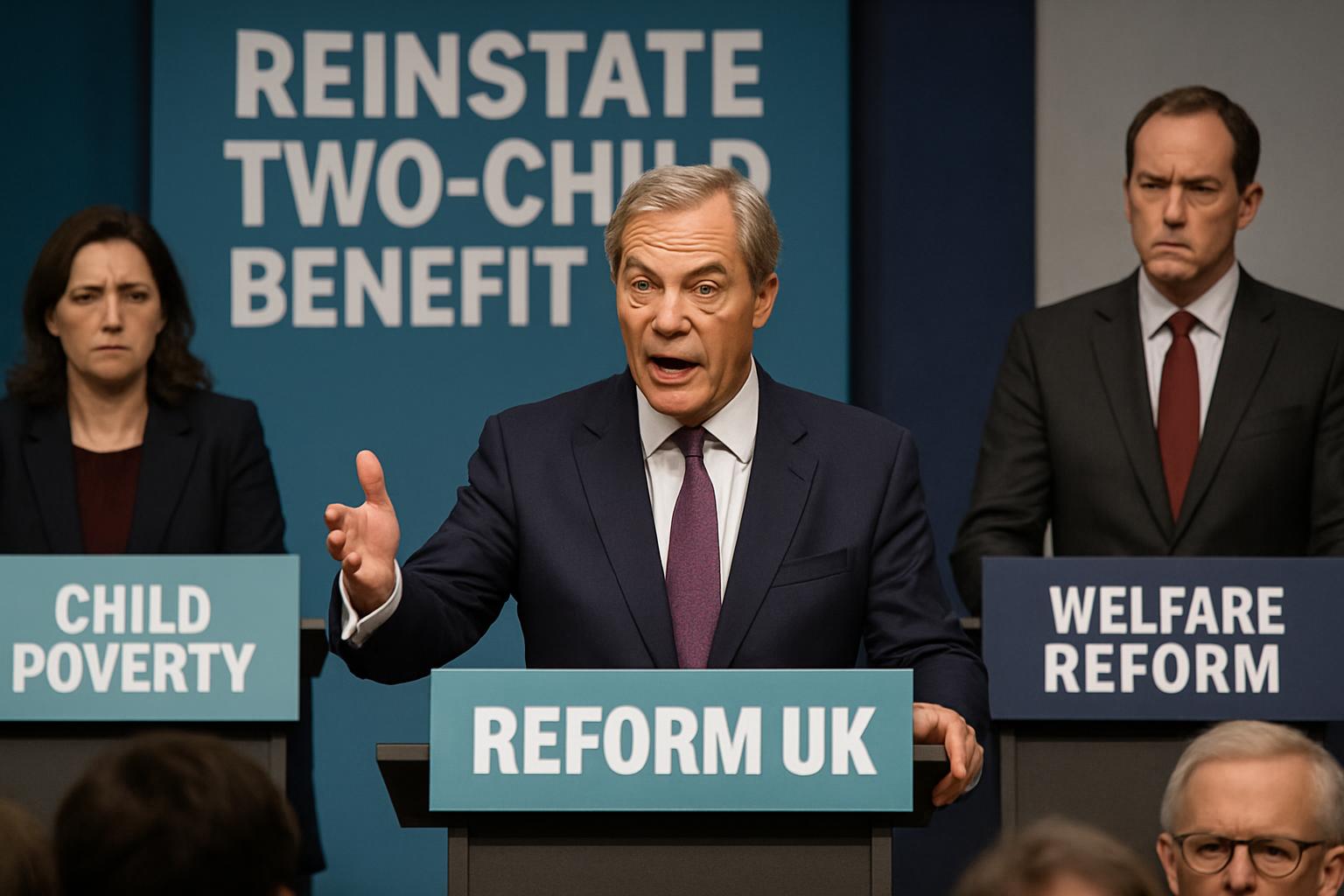
Reform UK to Reinstate Two-Child Benefit Cap Amidst Political Controversy
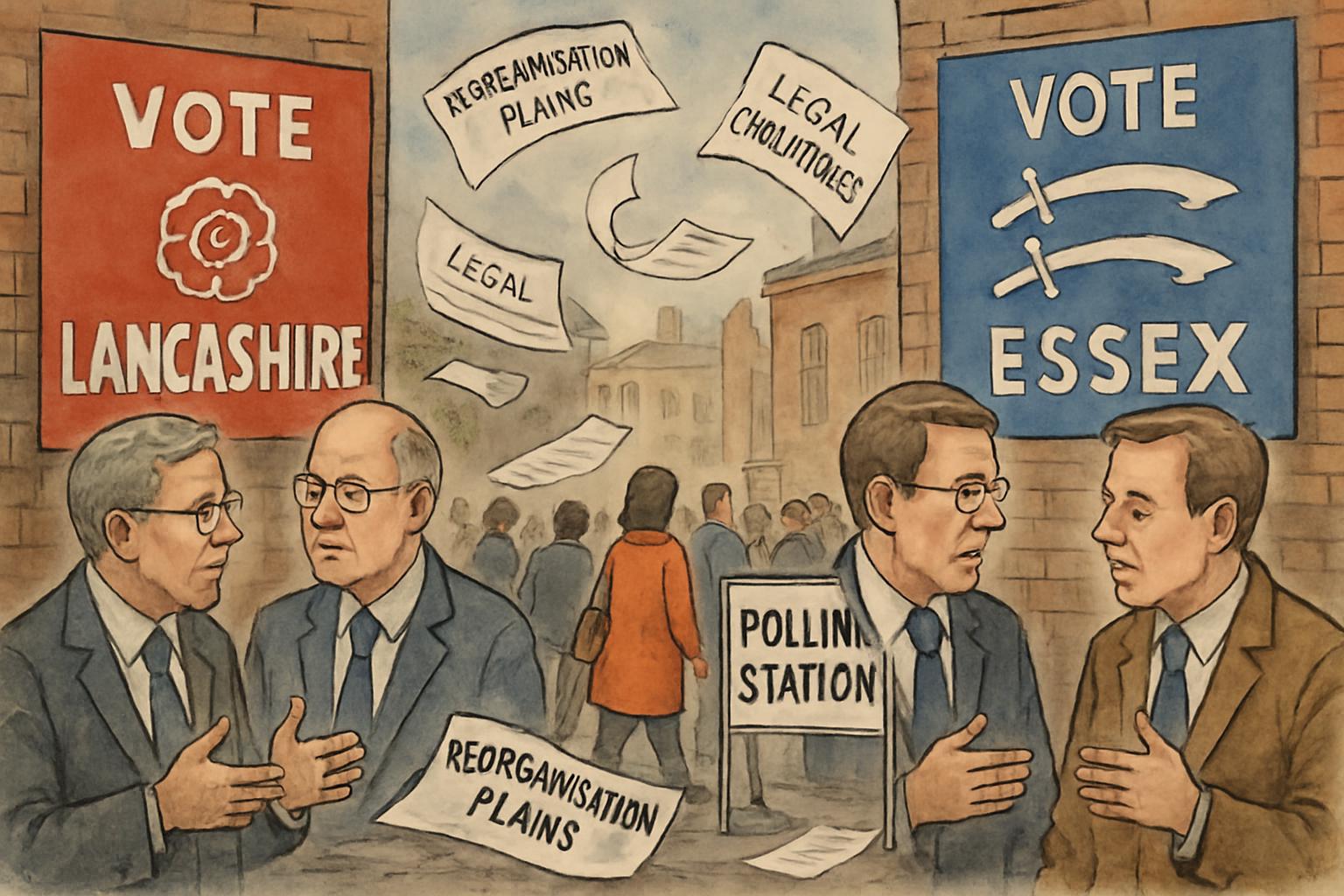
Government U-turn Forces Local Elections in Lancashire and Essex Amid Reorganisation Plans
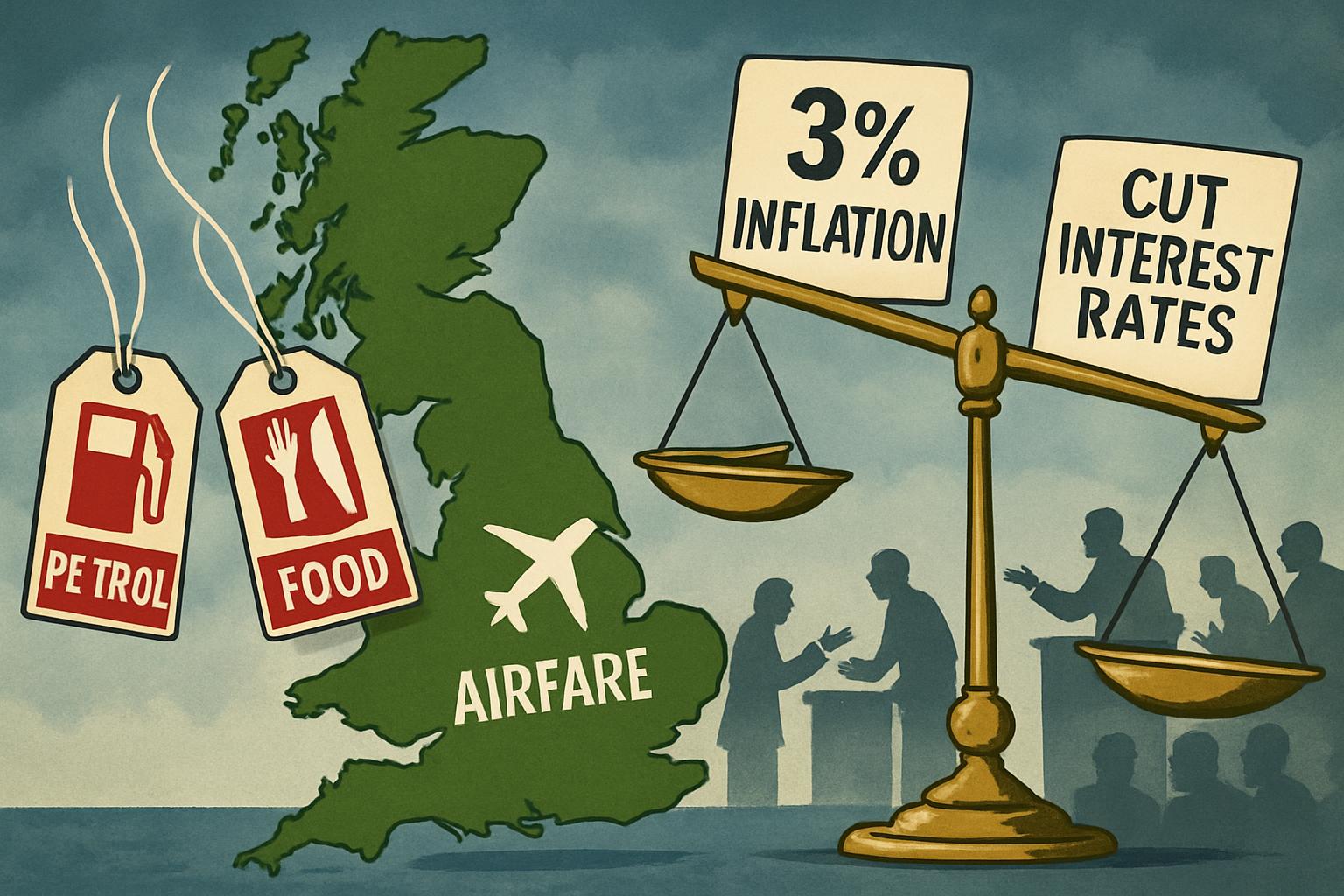
UK Inflation Drops to 3% in January, Sparking Interest Rate Cut Speculation
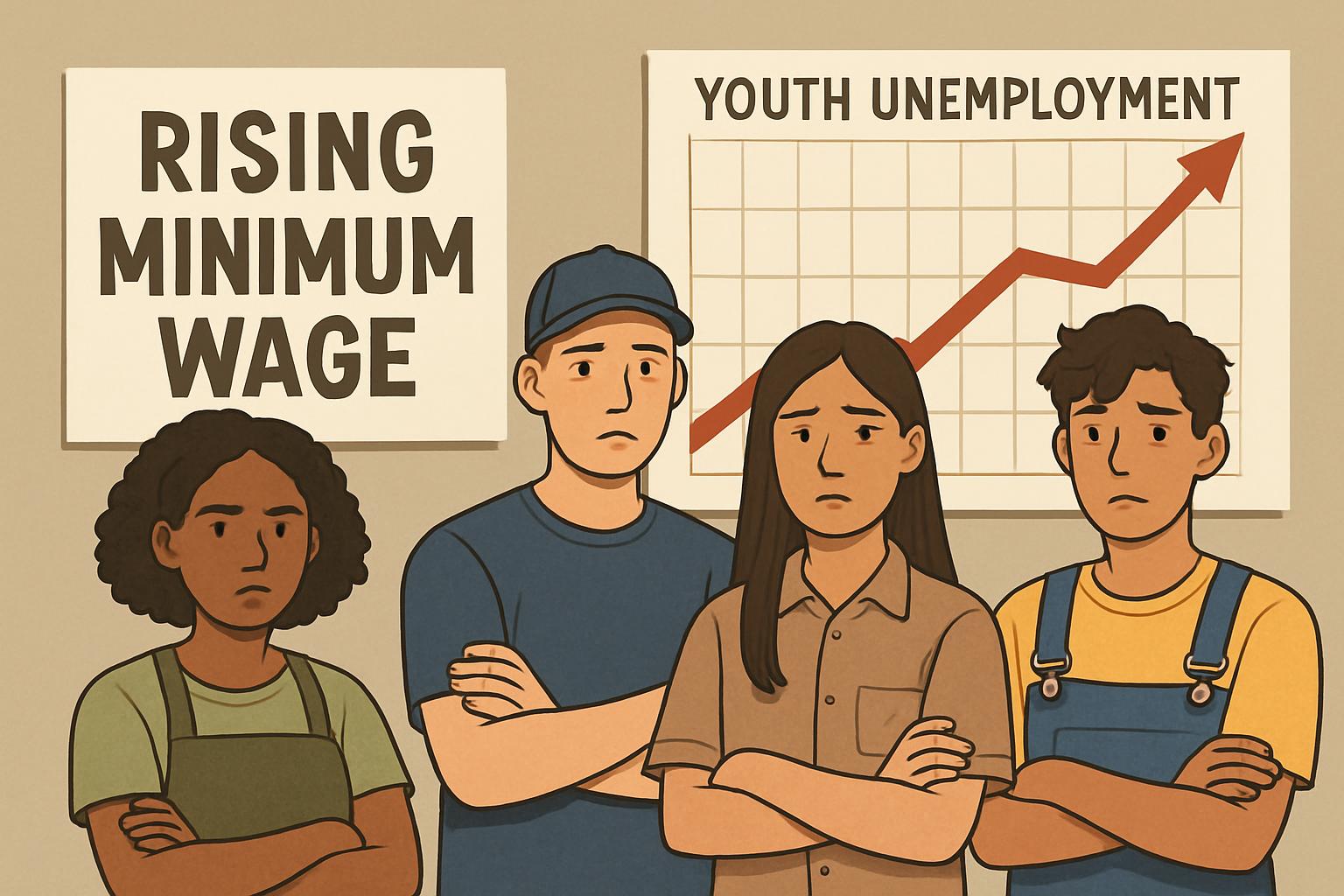
UK Government Reconsiders Youth Minimum Wage Policy Amid Rising Unemployment
UK Faces Rising Youth Unemployment Amid Minimum Wage and Interest Rate Debates
UK Home Office to Cut Asylum Seekers' Transition Period Amidst Rising Homelessness Concerns
In This Article
 Leila Hassan| Published
 HIGHLIGHTS
- The UK Home Office plans to reduce the asylum seekers' accommodation transition period from 56 to 28 days starting September.
- Charities warn this policy change could lead to increased homelessness among refugees, with a 99% rise in homelessness reported in 2023-24.
- The government aims to reduce reliance on asylum hotels by 2029, despite a slight increase in their use since Labour's rise to power.
- Families, pregnant women, and vulnerable groups will retain the 56-day period until December, pending further review.
- The British Red Cross and other NGOs urge the government to reconsider, citing insufficient time for refugees to secure housing and employment.
The UK Home Office has announced plans to halve the transition period for asylum seekers from 56 to 28 days, a move that has sparked significant concern among refugee charities. This policy change, set to take effect in September, aims to reduce the number of asylum seekers housed in government-funded hotels. However, critics argue that the shortened timeframe could exacerbate homelessness among newly recognized refugees.
Policy Reversal and Its Implications
In December, the government extended the transition period to 56 days in response to warnings from councils and charities about rising refugee homelessness. This extension was initially intended as a temporary measure to support local authorities. Despite evidence from the No Accommodation Network (Naccom) showing a reduction in homelessness risk, the Home Office has decided to revert to the original 28-day period.
The government maintains that this decision is part of a broader strategy to phase out the use of asylum hotels by 2029. However, recent data indicates a slight increase in the number of asylum seekers housed in hotels since Labour assumed power. The Home Office asserts that faster processing of asylum claims will ultimately reduce the need for such accommodations.
Charitable Concerns and Calls for Reconsideration
Refugee organizations, including the British Red Cross, have expressed alarm over the potential increase in rough sleeping. Alex Fraser, Director of Refugee Services at the British Red Cross, emphasized that the reduced move-on period could lead to heightened levels of destitution and strain on local authorities. "Making people destitute ends up costing the taxpayer more money and causing distress and hardship," Fraser stated, urging the government to review its decision.
According to Naccom, homelessness among refugee adults surged by 99% in 2023-24, with rough sleeping rising by 125%. The 56-day pilot scheme introduced in December 2024 had reportedly decreased street homelessness, with fewer refugees seeking emergency shelter.
Exceptions and Future Reviews
While the new policy will apply to single adults, exceptions will be made for families, pregnant women, and vulnerable individuals, who will continue to receive 56 days of support until December. The policy will be reviewed again at that time to assess its impact and effectiveness.
WHAT THIS MIGHT MEAN
The Home Office's decision to revert to a 28-day transition period for asylum seekers could have significant implications for refugee support systems in the UK. If the policy leads to increased homelessness, as charities predict, local authorities and voluntary services may face heightened pressure to provide emergency assistance. This could also result in increased public spending to address the consequences of destitution.
Politically, the move may attract criticism from human rights organizations and opposition parties, potentially influencing future immigration policy debates. The government's commitment to ending the use of asylum hotels by 2029 will require careful balancing of expedited asylum processing with adequate support for refugees transitioning to independent living.
Experts suggest that the government should consider extending the transition period or implementing additional support measures to prevent a rise in homelessness and ensure a smoother integration process for refugees.
Related Articles
Global Counsel Faces Collapse Amidst Epstein Scandal Fallout
Reform UK to Reinstate Two-Child Benefit Cap Amidst Political Controversy
Government U-turn Forces Local Elections in Lancashire and Essex Amid Reorganisation Plans
UK Inflation Drops to 3% in January, Sparking Interest Rate Cut Speculation
UK Government Reconsiders Youth Minimum Wage Policy Amid Rising Unemployment
UK Faces Rising Youth Unemployment Amid Minimum Wage and Interest Rate Debates