
Record Octopus Numbers Lead to 'Year of the Blooming Octopus' Declaration in the UK
In This Article
HIGHLIGHTS
- The Wildlife Trusts declared 2025 as "the Year of the Blooming Octopus" due to record octopus numbers off England's south coast.
- Over 1,200 tonnes of octopus were caught in UK waters in 2025, a significant increase from previous years.
- Warmer winters and springs, linked to climate change, are believed to have caused the octopus population surge.
- The octopus bloom could impact local fishing industries, particularly those targeting shellfish like crabs and lobsters.
- Environmental challenges persist, with marine pollution incidents reported alongside positive wildlife developments.
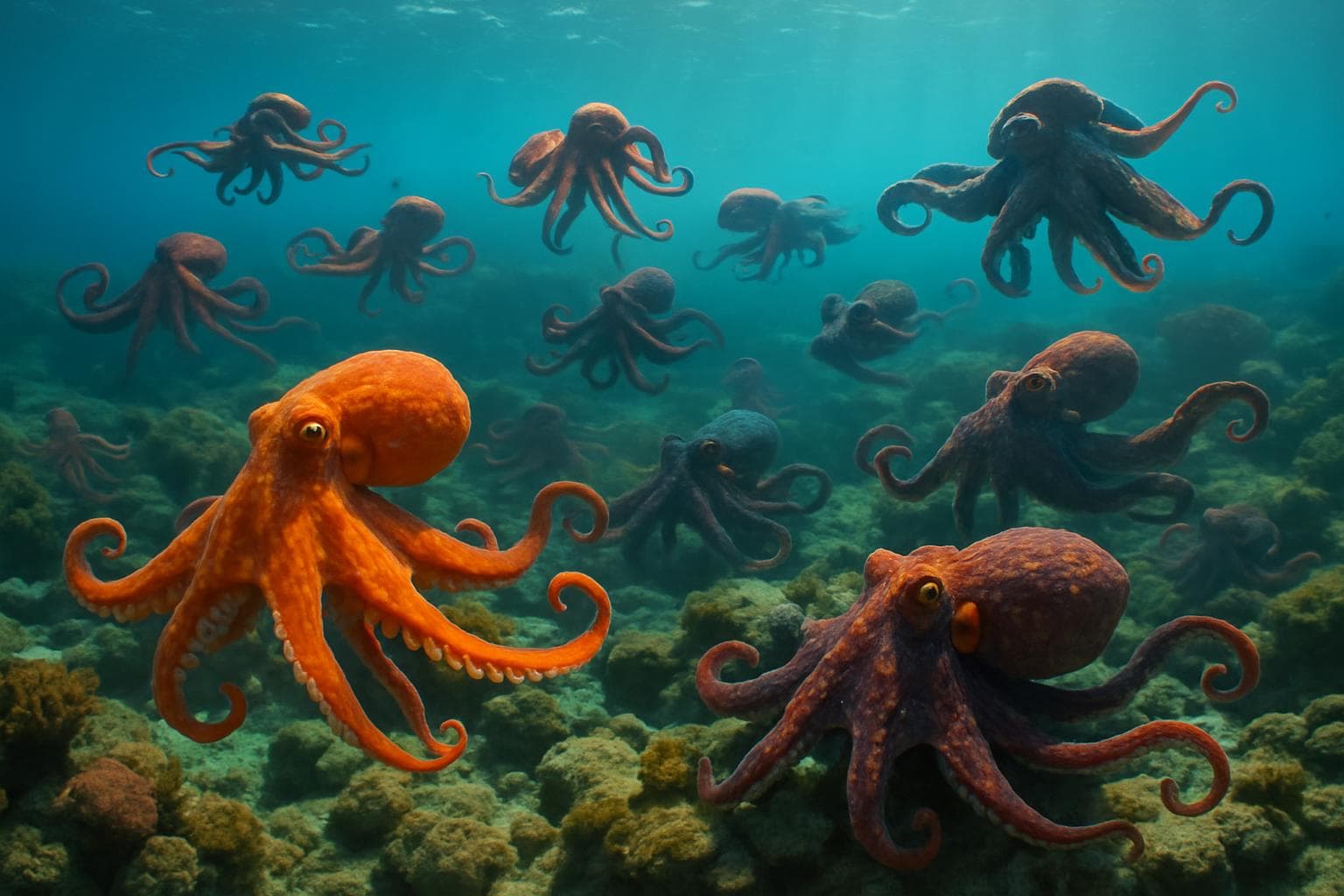
In an unprecedented marine event, the Wildlife Trusts have declared 2025 as "the Year of the Blooming Octopus" following a remarkable surge in octopus numbers along the south-west coast of England. This declaration comes after the Wildlife Trusts' annual marine review revealed that octopus populations reached their highest levels since 1950, with over 1,200 tonnes caught by fishermen this summer alone.
The phenomenon, known as a "bloom," is attributed to a combination of mild winters and warm springs, conditions that have been increasingly linked to climate change. These favorable conditions have allowed the Octopus vulgaris, a species typically found in the Mediterranean, to thrive in UK waters. Matt Slater, a marine conservation officer at Cornwall Wildlife Trust, noted the scale of the catch was approximately 13 times what is normally expected in Cornish waters.
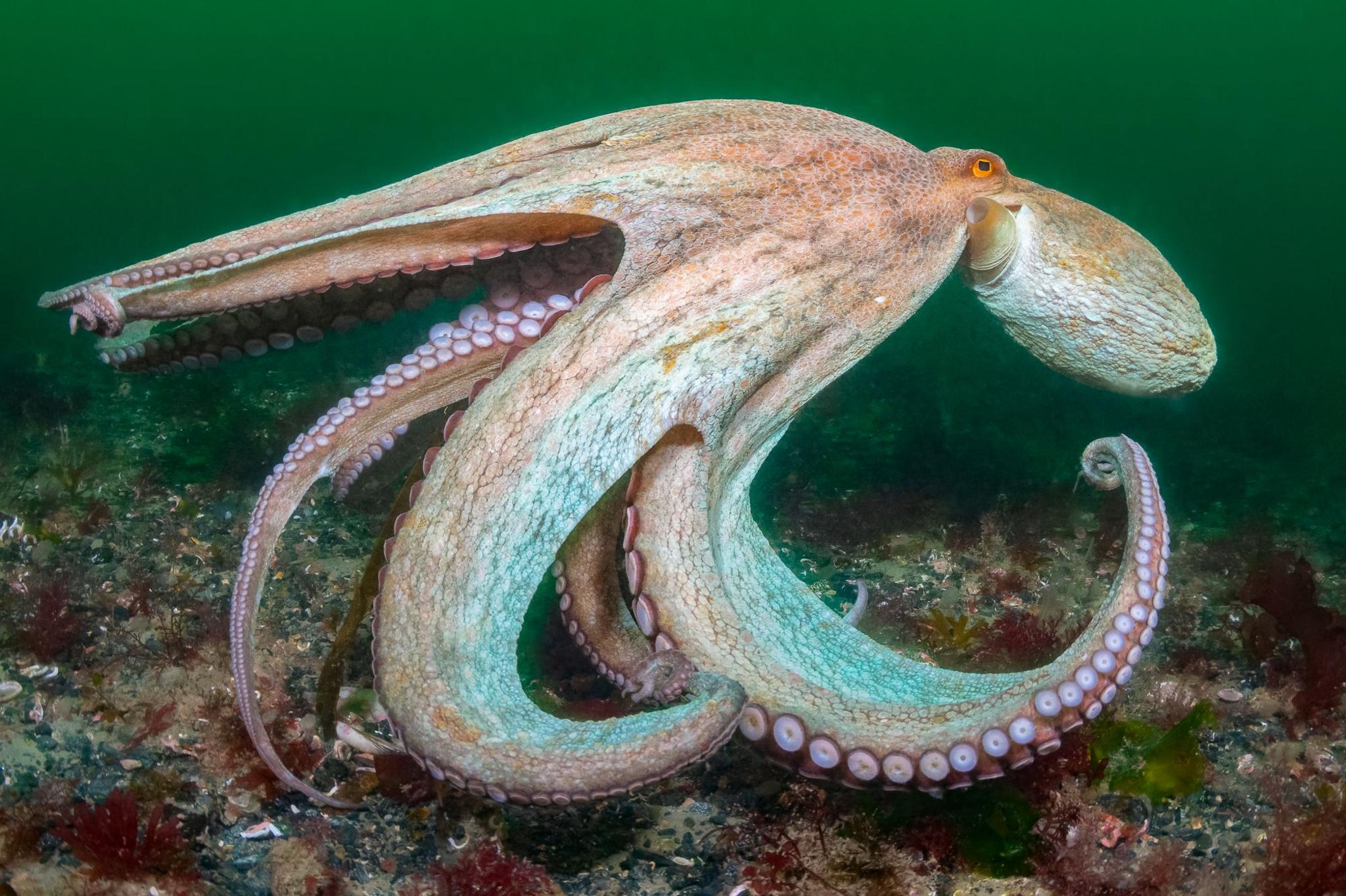
Volunteers and divers along the south coast have reported a 1,500 percent increase in sightings compared to 2023. The octopuses have been observed exhibiting fascinating behaviors, such as jet-propelling, camouflaging, and even "walking" along the seabed. "It really has been exceptional," Slater remarked, highlighting the unique opportunity to observe these intelligent invertebrates in such numbers.
The octopus bloom presents both opportunities and challenges for the local fishing industry. While it offers a potential new resource, it also poses a threat to shellfish populations, which are a staple for many fishermen. Ruth Williams, head of marine for The Wildlife Trusts, emphasized the need for the industry to adapt to these changes, stating, "They are having an impact on those shellfish species around our shores."
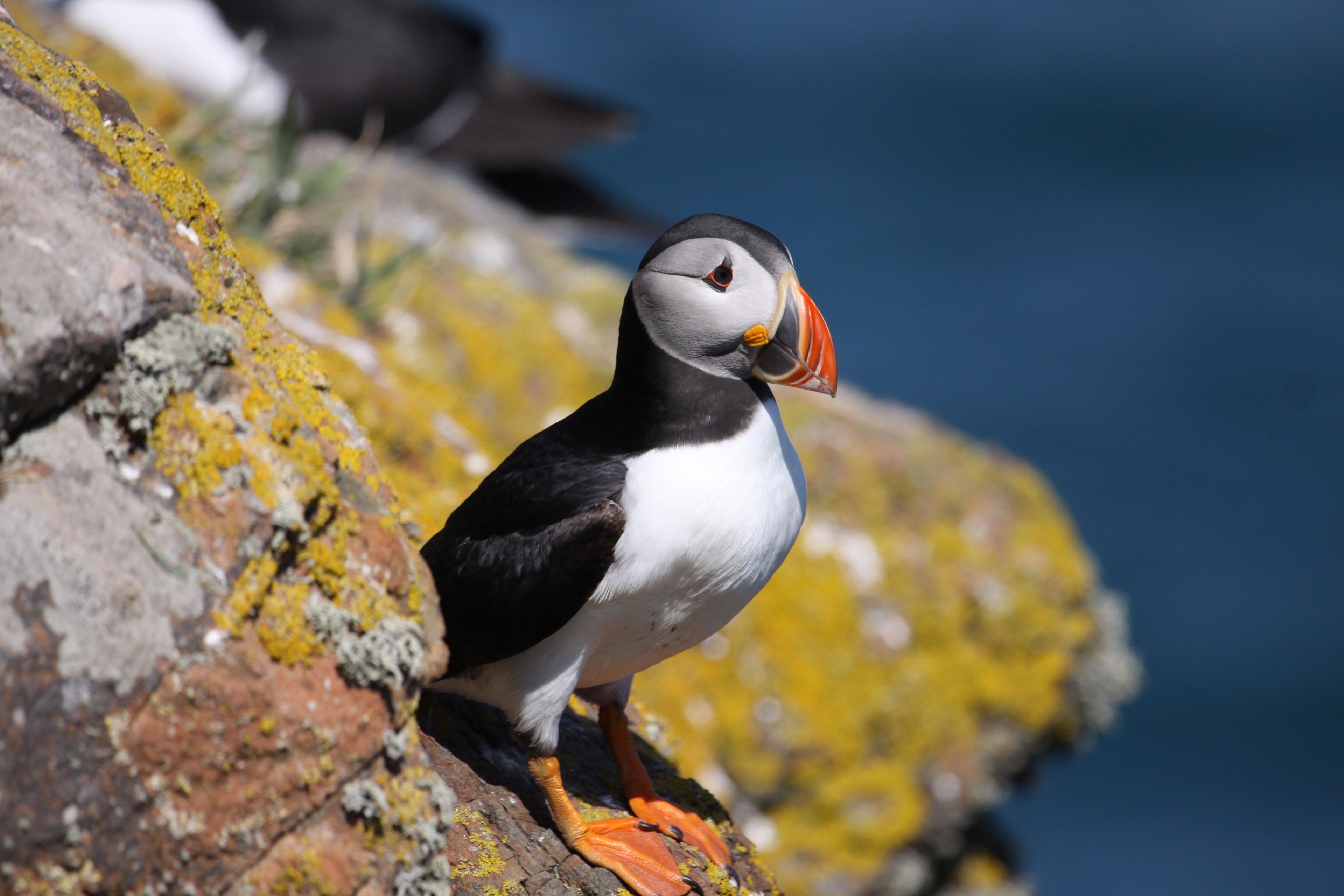
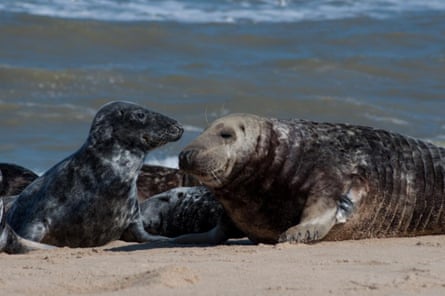
Despite the octopus boom, the Wildlife Trusts' review also highlighted ongoing environmental challenges. Notable incidents included a collision between an oil tanker and a container ship in the North Sea, resulting in significant plastic pollution, and the release of bio-beads from a water treatment plant in Sussex. However, there were positive developments as well, such as a record number of puffins on Skomer, Pembrokeshire, and successful conservation efforts for grey seals and puffins elsewhere.
WHAT THIS MIGHT MEAN
Looking ahead, the continuation of mild winters could potentially lead to another octopus bloom in 2026, although experts like Matt Slater caution that such events are unpredictable. The ongoing impact of climate change on marine ecosystems underscores the need for adaptive strategies in the fishing industry and conservation efforts. As the UK navigates these environmental shifts, balancing economic interests with ecological preservation will be crucial. The Wildlife Trusts' findings serve as a reminder of the complex interplay between climate change and marine life, highlighting both the challenges and opportunities that lie ahead.
Images from the Web
Related Articles

Middle East Conflict Drives UK Energy Prices to New Highs

Saharan Dust to Illuminate UK Skies with Vivid Sunrises and Sunsets

Canada and Australia Forge Strategic Partnership Amid Global Uncertainty

UK Government to Reform Asylum Seeker Support and Employment Policies

UK Faces Dilemmas Amid Iran Conflict and China Spying Allegations

UK Reinforces Military Presence in Cyprus Amid Middle East Tensions
Record Octopus Numbers Lead to 'Year of the Blooming Octopus' Declaration in the UK
In This Article
 Leila Hassan| Published
 HIGHLIGHTS
- The Wildlife Trusts declared 2025 as "the Year of the Blooming Octopus" due to record octopus numbers off England's south coast.
- Over 1,200 tonnes of octopus were caught in UK waters in 2025, a significant increase from previous years.
- Warmer winters and springs, linked to climate change, are believed to have caused the octopus population surge.
- The octopus bloom could impact local fishing industries, particularly those targeting shellfish like crabs and lobsters.
- Environmental challenges persist, with marine pollution incidents reported alongside positive wildlife developments.
In an unprecedented marine event, the Wildlife Trusts have declared 2025 as "the Year of the Blooming Octopus" following a remarkable surge in octopus numbers along the south-west coast of England. This declaration comes after the Wildlife Trusts' annual marine review revealed that octopus populations reached their highest levels since 1950, with over 1,200 tonnes caught by fishermen this summer alone.
The phenomenon, known as a "bloom," is attributed to a combination of mild winters and warm springs, conditions that have been increasingly linked to climate change. These favorable conditions have allowed the Octopus vulgaris, a species typically found in the Mediterranean, to thrive in UK waters. Matt Slater, a marine conservation officer at Cornwall Wildlife Trust, noted the scale of the catch was approximately 13 times what is normally expected in Cornish waters.
Volunteers and divers along the south coast have reported a 1,500 percent increase in sightings compared to 2023. The octopuses have been observed exhibiting fascinating behaviors, such as jet-propelling, camouflaging, and even "walking" along the seabed. "It really has been exceptional," Slater remarked, highlighting the unique opportunity to observe these intelligent invertebrates in such numbers.
The octopus bloom presents both opportunities and challenges for the local fishing industry. While it offers a potential new resource, it also poses a threat to shellfish populations, which are a staple for many fishermen. Ruth Williams, head of marine for The Wildlife Trusts, emphasized the need for the industry to adapt to these changes, stating, "They are having an impact on those shellfish species around our shores."
Despite the octopus boom, the Wildlife Trusts' review also highlighted ongoing environmental challenges. Notable incidents included a collision between an oil tanker and a container ship in the North Sea, resulting in significant plastic pollution, and the release of bio-beads from a water treatment plant in Sussex. However, there were positive developments as well, such as a record number of puffins on Skomer, Pembrokeshire, and successful conservation efforts for grey seals and puffins elsewhere.
WHAT THIS MIGHT MEAN
Looking ahead, the continuation of mild winters could potentially lead to another octopus bloom in 2026, although experts like Matt Slater caution that such events are unpredictable. The ongoing impact of climate change on marine ecosystems underscores the need for adaptive strategies in the fishing industry and conservation efforts. As the UK navigates these environmental shifts, balancing economic interests with ecological preservation will be crucial. The Wildlife Trusts' findings serve as a reminder of the complex interplay between climate change and marine life, highlighting both the challenges and opportunities that lie ahead.
Images from the Web
Related Articles
Middle East Conflict Drives UK Energy Prices to New Highs
Saharan Dust to Illuminate UK Skies with Vivid Sunrises and Sunsets
Canada and Australia Forge Strategic Partnership Amid Global Uncertainty
UK Government to Reform Asylum Seeker Support and Employment Policies
UK Faces Dilemmas Amid Iran Conflict and China Spying Allegations
UK Reinforces Military Presence in Cyprus Amid Middle East Tensions