
UK Delays Decision on Chinese Mega Embassy Amid Security and Diplomatic Concerns
In This Article
HIGHLIGHTS
- The UK government has delayed the decision on China's mega embassy in London until January 20, 2024.
- The proposed embassy would consolidate seven existing Chinese diplomatic sites in London, potentially enhancing national security.
- Concerns about espionage and China's human rights record have fueled opposition to the embassy plans.
- Prime Minister Keir Starmer emphasizes a balanced approach to UK-China relations, highlighting China's global influence.
- The embassy, if approved, would be the largest in Europe, located at Royal Mint Court near sensitive data cables.
The UK government has postponed its decision on the construction of a Chinese mega embassy in London until January 20, 2024. This delay marks the third time the decision has been deferred, as officials seek to address security concerns and consult with all stakeholders involved.
Security and Diplomatic Considerations
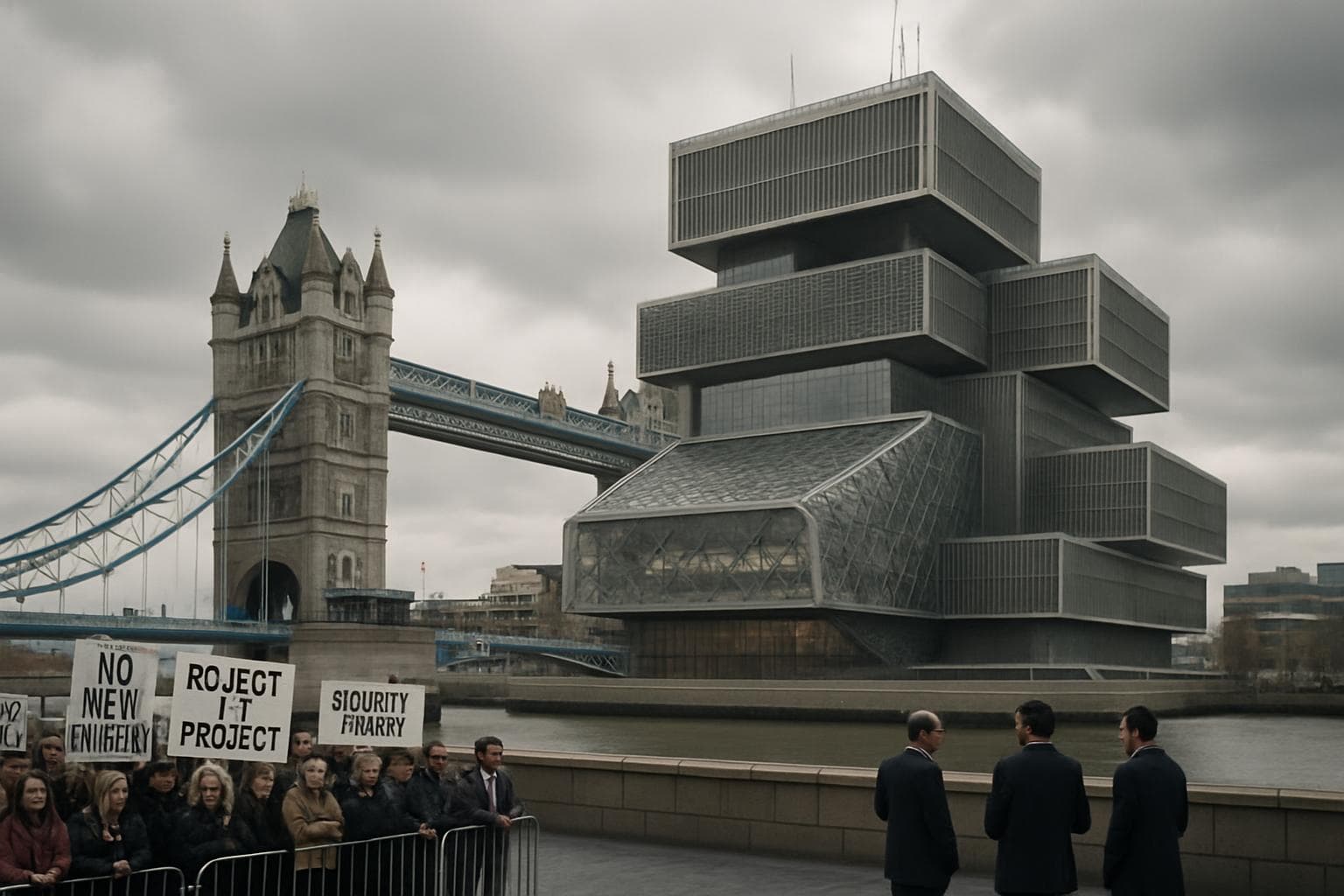
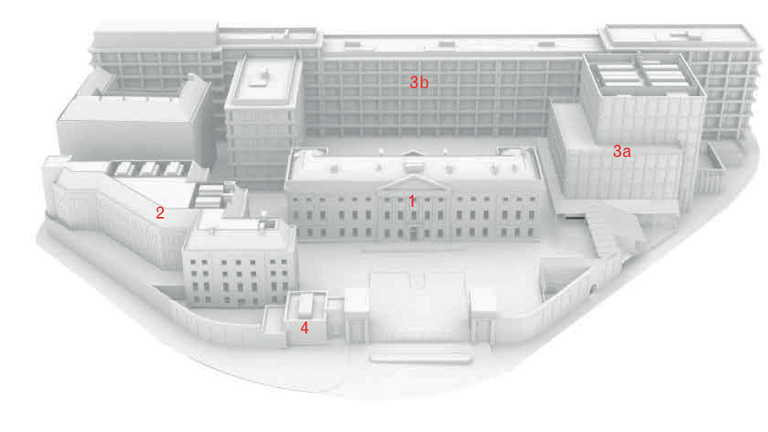
The proposed embassy, set to be the largest in Europe, would consolidate China's seven existing diplomatic sites in London into a single location at Royal Mint Court, near Tower Bridge. This consolidation is seen by some government officials as a move that could enhance national security by centralizing diplomatic activities. A spokesperson for the Prime Minister stated that the consolidation "clearly brings security advantages" by replacing multiple sites with a single, more manageable location.
Despite these potential benefits, the plans have sparked significant opposition. Critics, including local residents and human rights campaigners, have raised concerns about espionage risks and China's human rights record, particularly in Hong Kong and Xinjiang. Planning documents submitted to Tower Hamlets council had sections redacted for security reasons, further fueling suspicions.
Political and Strategic Implications
Prime Minister Keir Starmer, who is expected to visit Beijing around the time of the decision, has called for a balanced approach to UK-China relations. In a recent speech, he emphasized the need to avoid extremes, stating, "We had the golden age, which then flipped to an ice age. We reject that binary choice." Starmer described China as a "defining force in technology, trade, and global governance," advocating for a relationship grounded in "strength, clarity, and sober realism."
The Home Office and Foreign Office have reviewed the security implications of the proposed embassy and reported no objections. They have worked with law enforcement to ensure that national security concerns are addressed, recognizing the importance of maintaining diplomatic premises while safeguarding national interests.
WHAT THIS MIGHT MEAN
As the January decision date approaches, the UK government faces the challenge of balancing diplomatic relations with China against domestic security concerns. If the embassy is approved, it could signal a willingness to engage more closely with China, potentially influencing trade and technology partnerships. However, continued opposition from human rights groups and local communities may pressure the government to impose stricter conditions on the embassy's operations.
Prime Minister Starmer's upcoming visit to Beijing could play a pivotal role in shaping the future of UK-China relations. His approach will likely focus on fostering cooperation while addressing contentious issues, such as human rights and security. The outcome of these diplomatic efforts could set the tone for future interactions between the two nations, impacting both bilateral and global dynamics.
Images from the Web
Related Articles

UK Faces Dilemmas Amid Iran Conflict and China Spying Allegations

Labour MP's Husband Arrested in UK-China Espionage Probe

UK Government to Reform Asylum Seeker Support and Employment Policies

UK-Iran Tensions: Starmer Defends Cautious Approach Amid Trump Criticism

Diplomatic Tensions Rise as Trump Criticizes Starmer's Iran Policy

UK Reinforces Military Presence in Cyprus Amid Middle East Tensions
UK Delays Decision on Chinese Mega Embassy Amid Security and Diplomatic Concerns
In This Article
 Ethan Brooks| Published
 HIGHLIGHTS
- The UK government has delayed the decision on China's mega embassy in London until January 20, 2024.
- The proposed embassy would consolidate seven existing Chinese diplomatic sites in London, potentially enhancing national security.
- Concerns about espionage and China's human rights record have fueled opposition to the embassy plans.
- Prime Minister Keir Starmer emphasizes a balanced approach to UK-China relations, highlighting China's global influence.
- The embassy, if approved, would be the largest in Europe, located at Royal Mint Court near sensitive data cables.
The UK government has postponed its decision on the construction of a Chinese mega embassy in London until January 20, 2024. This delay marks the third time the decision has been deferred, as officials seek to address security concerns and consult with all stakeholders involved.
Security and Diplomatic Considerations
The proposed embassy, set to be the largest in Europe, would consolidate China's seven existing diplomatic sites in London into a single location at Royal Mint Court, near Tower Bridge. This consolidation is seen by some government officials as a move that could enhance national security by centralizing diplomatic activities. A spokesperson for the Prime Minister stated that the consolidation "clearly brings security advantages" by replacing multiple sites with a single, more manageable location.
Despite these potential benefits, the plans have sparked significant opposition. Critics, including local residents and human rights campaigners, have raised concerns about espionage risks and China's human rights record, particularly in Hong Kong and Xinjiang. Planning documents submitted to Tower Hamlets council had sections redacted for security reasons, further fueling suspicions.
Political and Strategic Implications
Prime Minister Keir Starmer, who is expected to visit Beijing around the time of the decision, has called for a balanced approach to UK-China relations. In a recent speech, he emphasized the need to avoid extremes, stating, "We had the golden age, which then flipped to an ice age. We reject that binary choice." Starmer described China as a "defining force in technology, trade, and global governance," advocating for a relationship grounded in "strength, clarity, and sober realism."
The Home Office and Foreign Office have reviewed the security implications of the proposed embassy and reported no objections. They have worked with law enforcement to ensure that national security concerns are addressed, recognizing the importance of maintaining diplomatic premises while safeguarding national interests.
WHAT THIS MIGHT MEAN
As the January decision date approaches, the UK government faces the challenge of balancing diplomatic relations with China against domestic security concerns. If the embassy is approved, it could signal a willingness to engage more closely with China, potentially influencing trade and technology partnerships. However, continued opposition from human rights groups and local communities may pressure the government to impose stricter conditions on the embassy's operations.
Prime Minister Starmer's upcoming visit to Beijing could play a pivotal role in shaping the future of UK-China relations. His approach will likely focus on fostering cooperation while addressing contentious issues, such as human rights and security. The outcome of these diplomatic efforts could set the tone for future interactions between the two nations, impacting both bilateral and global dynamics.
Images from the Web
Related Articles
UK Faces Dilemmas Amid Iran Conflict and China Spying Allegations
Labour MP's Husband Arrested in UK-China Espionage Probe
UK Government to Reform Asylum Seeker Support and Employment Policies
UK-Iran Tensions: Starmer Defends Cautious Approach Amid Trump Criticism
Diplomatic Tensions Rise as Trump Criticizes Starmer's Iran Policy
UK Reinforces Military Presence in Cyprus Amid Middle East Tensions