
Resignation and Stalemate: The Growing Tensions in the UK Resident Doctors' Pay Dispute
In This Article
HIGHLIGHTS
- Lord Robert Winston resigned from the British Medical Association (BMA) over planned strikes by resident doctors, citing concerns about public trust.
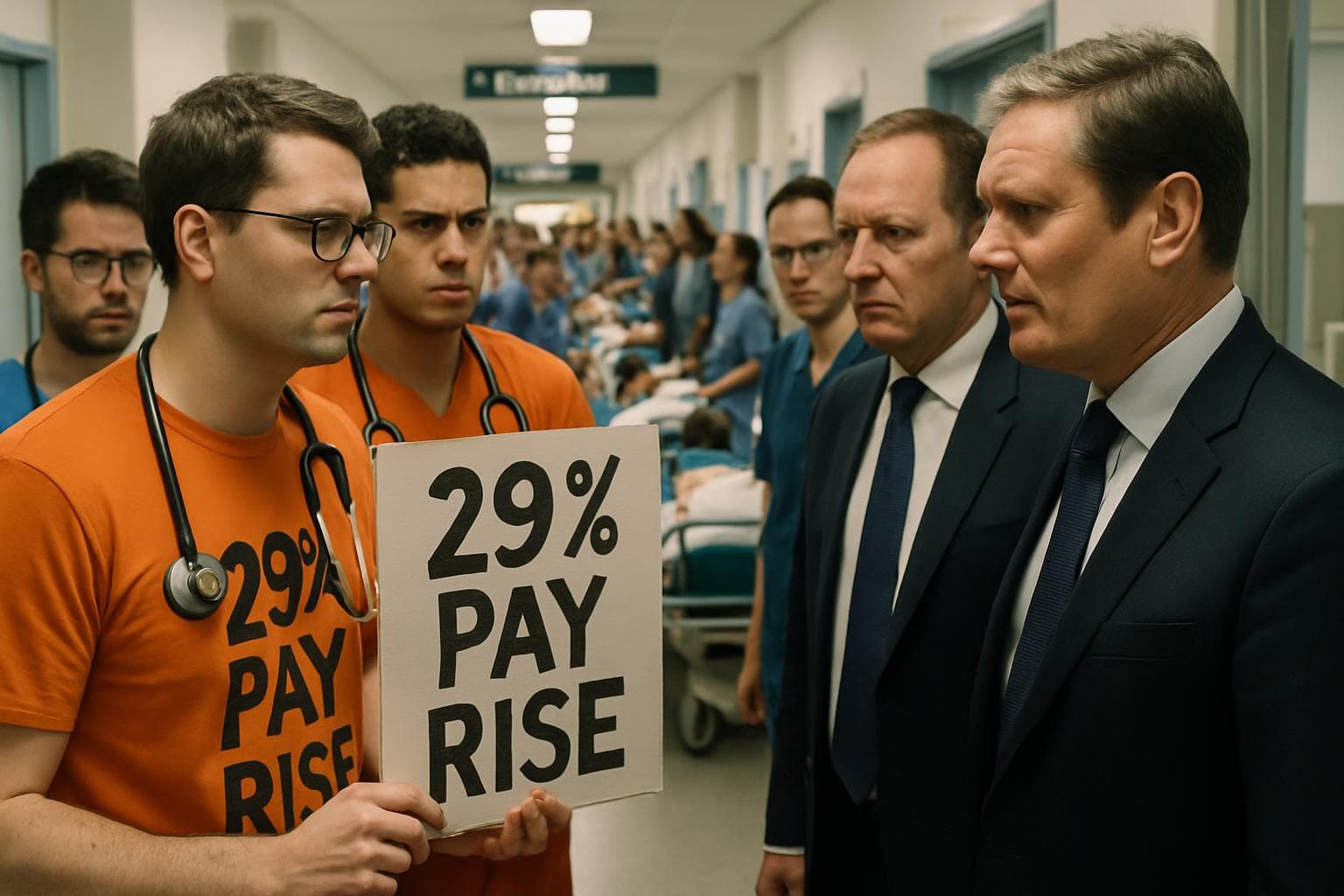
- Resident doctors in England are demanding a 29% pay increase, claiming it reflects real-term losses since 2008.
- The BMA has declared the 29% pay claim non-negotiable, while the government maintains a 5.4% increase is sufficient.
- Health Secretary Wes Streeting criticized the strike as "unnecessary and unreasonable," warning of its impact on the NHS.
- The BMA's stance could lead to prolonged strikes, potentially influencing other public sector pay disputes.
The ongoing pay dispute between resident doctors and the UK government has reached a new level of tension, marked by the resignation of Lord Robert Winston from the British Medical Association (BMA). The renowned IVF pioneer and TV doctor stepped down in protest against the planned five-day strike by resident doctors, previously known as junior doctors, scheduled from July 25 to July 30. Winston, who has been a BMA member since 1964, expressed concerns that the strike could erode public trust in the medical profession.
The Core of the Dispute
At the heart of the conflict is the BMA's demand for a 29% pay increase for resident doctors, which they argue is necessary to restore real-term earnings lost since 2008. Dr. Tom Dolphin, the new chair of the BMA council, emphasized that this figure is non-negotiable, stating, "If we picked a different number, that wouldn’t achieve the pay restoration." The BMA's firm stance is rooted in the principle of addressing long-standing pay disparities.
Government's Response and Concerns
Health Secretary Wes Streeting has labeled the strike as "unnecessary and unreasonable," arguing that the NHS is already under significant strain. The government has offered a 5.4% pay rise for the current financial year, following a 22% increase over the past two years. However, the BMA contends that this offer falls short of addressing the cumulative pay erosion experienced by doctors.
Potential Implications
The impasse between the BMA and the government could lead to prolonged industrial action, with Dr. Dolphin suggesting that strikes might continue for years if the 29% demand is not met. This situation raises concerns about potential ripple effects, as other NHS staff and public sector workers may be encouraged to pursue similar pay claims, further complicating the UK's healthcare landscape.
WHAT THIS MIGHT MEAN
The ongoing stalemate between the BMA and the government could have significant implications for the UK's healthcare system. If the strikes persist, they may exacerbate existing challenges within the NHS, such as long wait times and resource constraints. Additionally, the dispute could set a precedent for other public sector pay negotiations, potentially leading to widespread industrial action across various sectors. Experts suggest that a resolution may require a phased approach to the 29% pay increase, allowing for gradual adjustments over several years. As both parties remain entrenched in their positions, the coming months will be crucial in determining the future of the UK's healthcare workforce and its impact on patient care.
Related Articles

UK Government to Reform Asylum Seeker Support and Employment Policies
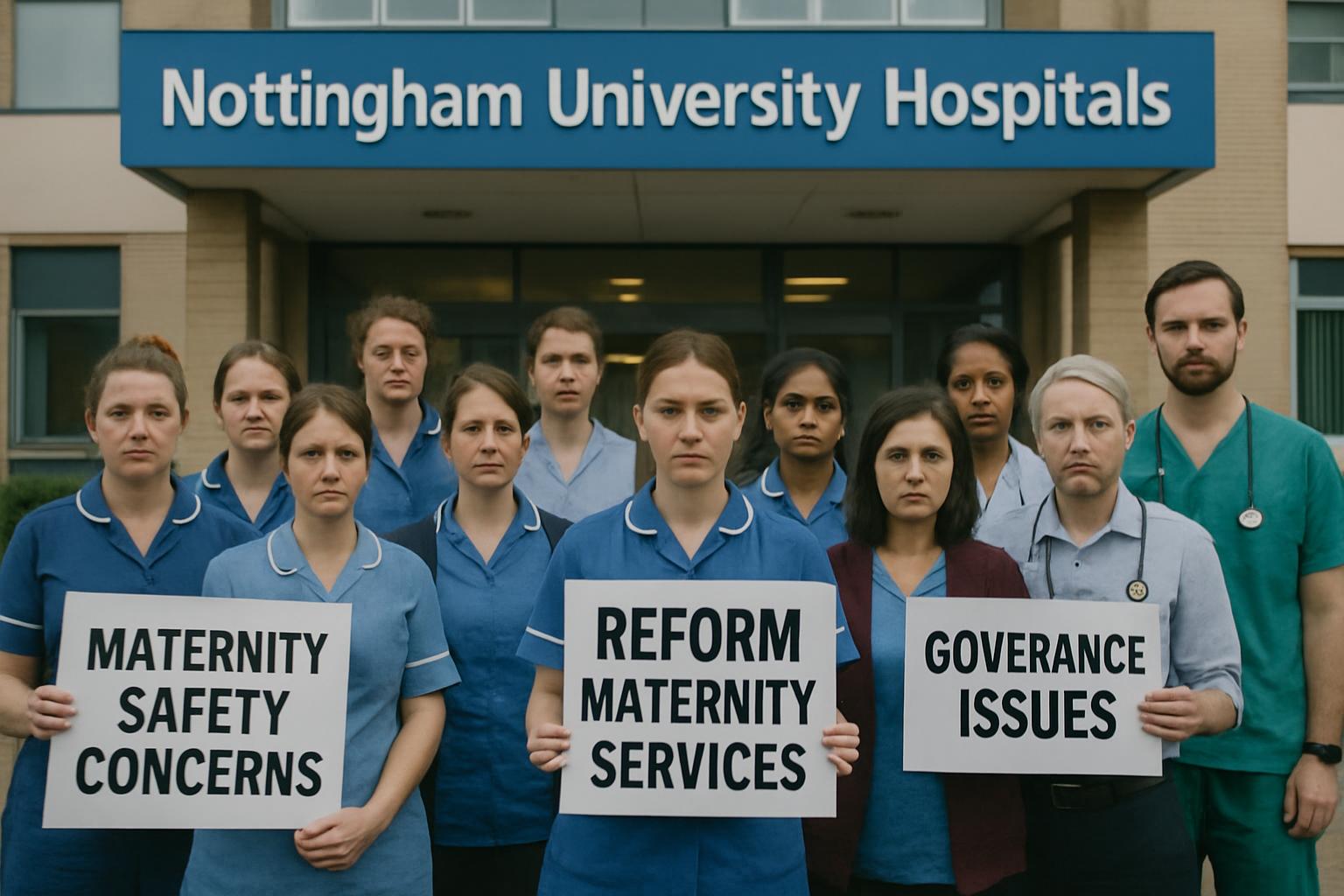
Persistent Safety Concerns in Nottingham Maternity Services Amidst Calls for Systemic Reform
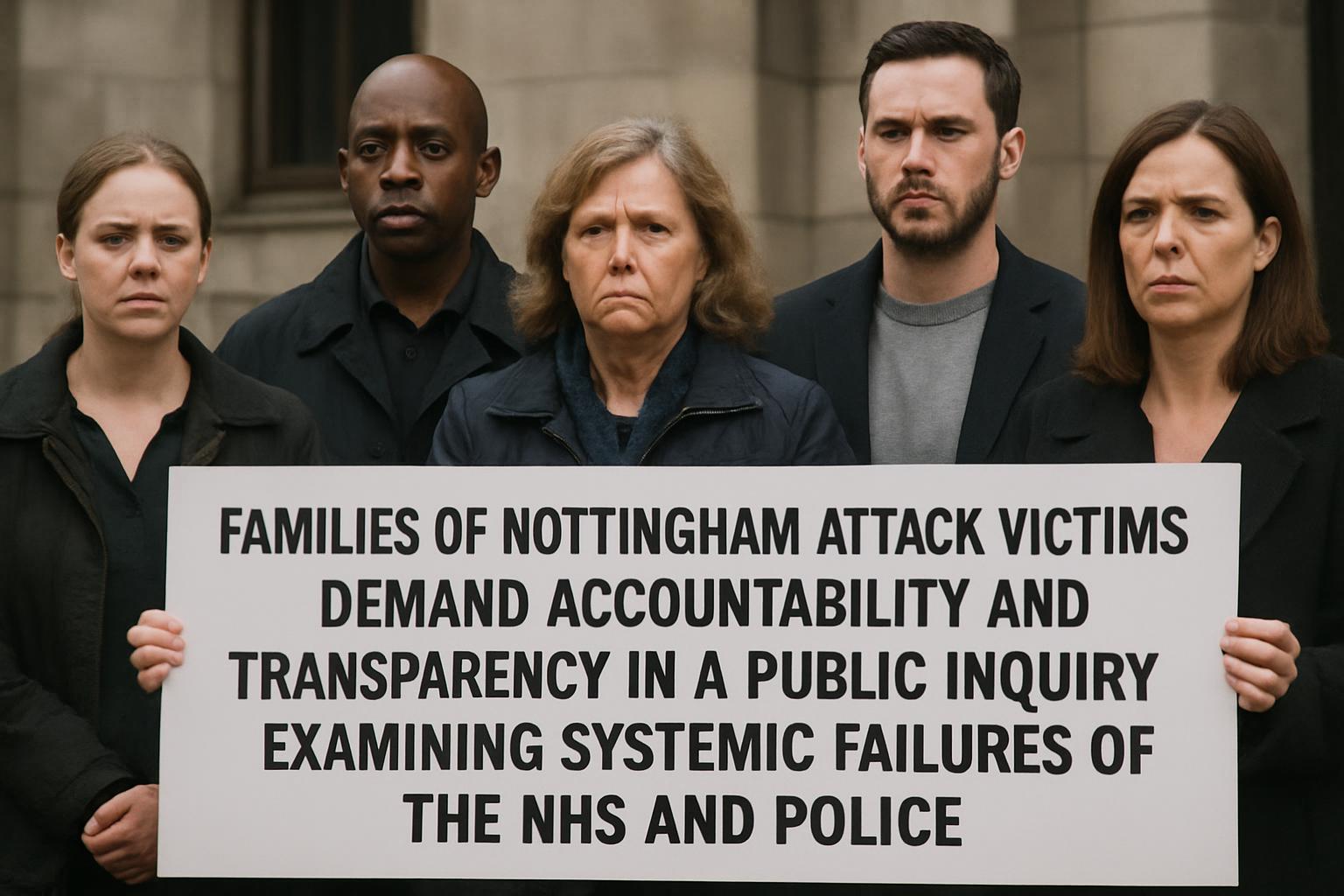
Nottingham Attacks Inquiry: Families Demand Accountability and Truth

Prince Andrew's Ties to Epstein Under Scrutiny Amid Calls for Inquiry

Birmingham's Proactive Approach to Measles Outbreak Offers Lessons for North London

Government Criticized for Mishandling Maccabi Tel Aviv Fan Ban
Resignation and Stalemate: The Growing Tensions in the UK Resident Doctors' Pay Dispute
In This Article
 Ethan Brooks| Published
 HIGHLIGHTS
- Lord Robert Winston resigned from the British Medical Association (BMA) over planned strikes by resident doctors, citing concerns about public trust.
- Resident doctors in England are demanding a 29% pay increase, claiming it reflects real-term losses since 2008.
- The BMA has declared the 29% pay claim non-negotiable, while the government maintains a 5.4% increase is sufficient.
- Health Secretary Wes Streeting criticized the strike as "unnecessary and unreasonable," warning of its impact on the NHS.
- The BMA's stance could lead to prolonged strikes, potentially influencing other public sector pay disputes.
The ongoing pay dispute between resident doctors and the UK government has reached a new level of tension, marked by the resignation of Lord Robert Winston from the British Medical Association (BMA). The renowned IVF pioneer and TV doctor stepped down in protest against the planned five-day strike by resident doctors, previously known as junior doctors, scheduled from July 25 to July 30. Winston, who has been a BMA member since 1964, expressed concerns that the strike could erode public trust in the medical profession.
The Core of the Dispute
At the heart of the conflict is the BMA's demand for a 29% pay increase for resident doctors, which they argue is necessary to restore real-term earnings lost since 2008. Dr. Tom Dolphin, the new chair of the BMA council, emphasized that this figure is non-negotiable, stating, "If we picked a different number, that wouldn’t achieve the pay restoration." The BMA's firm stance is rooted in the principle of addressing long-standing pay disparities.
Government's Response and Concerns
Health Secretary Wes Streeting has labeled the strike as "unnecessary and unreasonable," arguing that the NHS is already under significant strain. The government has offered a 5.4% pay rise for the current financial year, following a 22% increase over the past two years. However, the BMA contends that this offer falls short of addressing the cumulative pay erosion experienced by doctors.
Potential Implications
The impasse between the BMA and the government could lead to prolonged industrial action, with Dr. Dolphin suggesting that strikes might continue for years if the 29% demand is not met. This situation raises concerns about potential ripple effects, as other NHS staff and public sector workers may be encouraged to pursue similar pay claims, further complicating the UK's healthcare landscape.
WHAT THIS MIGHT MEAN
The ongoing stalemate between the BMA and the government could have significant implications for the UK's healthcare system. If the strikes persist, they may exacerbate existing challenges within the NHS, such as long wait times and resource constraints. Additionally, the dispute could set a precedent for other public sector pay negotiations, potentially leading to widespread industrial action across various sectors. Experts suggest that a resolution may require a phased approach to the 29% pay increase, allowing for gradual adjustments over several years. As both parties remain entrenched in their positions, the coming months will be crucial in determining the future of the UK's healthcare workforce and its impact on patient care.
Related Articles
UK Government to Reform Asylum Seeker Support and Employment Policies
Persistent Safety Concerns in Nottingham Maternity Services Amidst Calls for Systemic Reform
Nottingham Attacks Inquiry: Families Demand Accountability and Truth
Prince Andrew's Ties to Epstein Under Scrutiny Amid Calls for Inquiry
Birmingham's Proactive Approach to Measles Outbreak Offers Lessons for North London
Government Criticized for Mishandling Maccabi Tel Aviv Fan Ban