
UK Government Eases Biodiversity Rules to Expedite Housing Developments
In This Article
HIGHLIGHTS
- The UK government has revised the Biodiversity Net Gain (BNG) rules, exempting housing developments under 0.2 hectares from creating additional wildlife habitats.
- The changes aim to facilitate the construction of 1.5 million new homes by the end of the current Parliament, addressing the housing crisis.
- Environmental groups criticize the exemptions, arguing they undermine nature protection policies and risk stalling nature recovery efforts.
- The reforms include a "default yes" to planning applications near railway stations and potential exemptions from the building safety levy for smaller developers.
- Critics argue that the policy changes could deter private investment in habitat restoration, which has already generated £320 million.
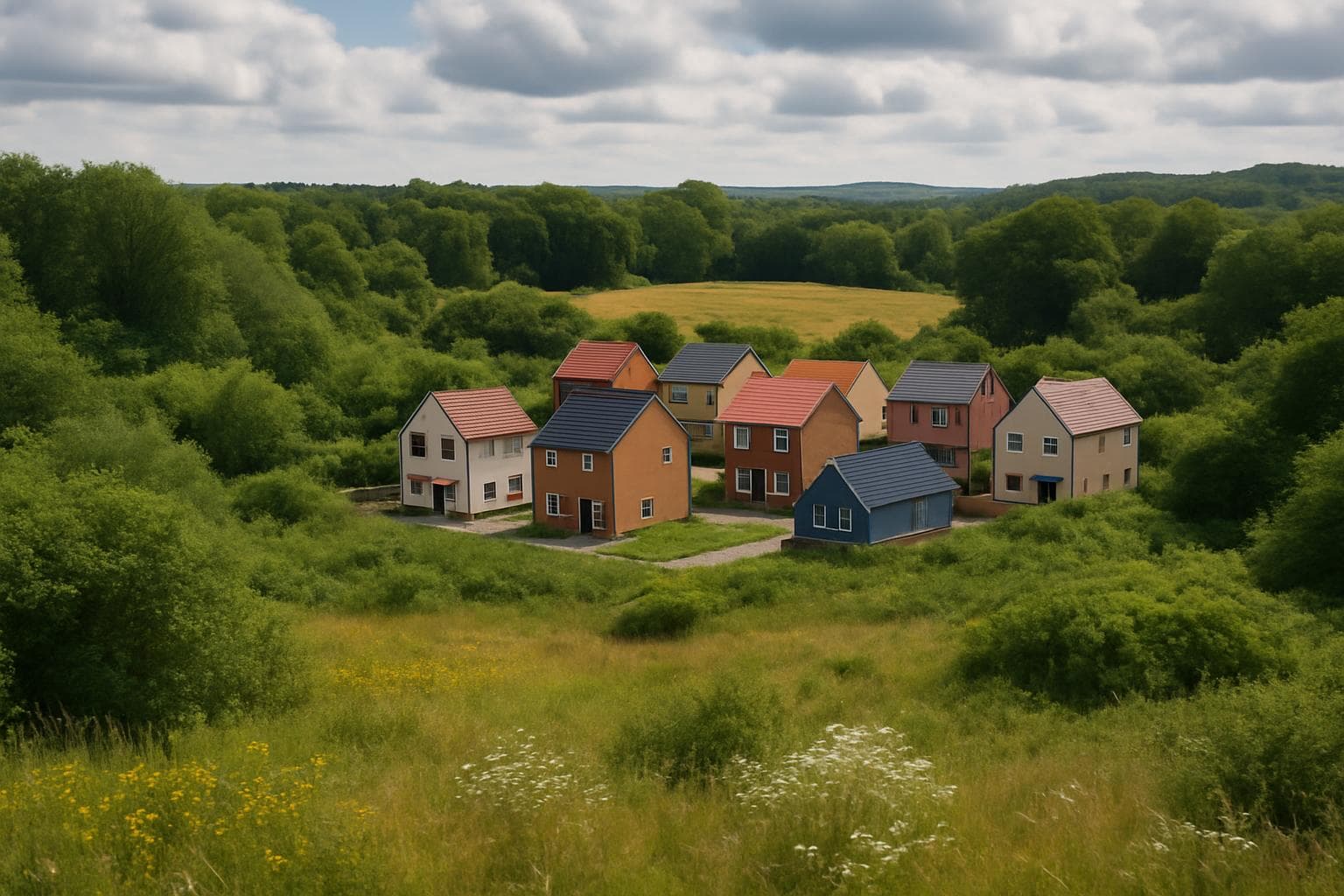
The UK government has announced significant changes to its Biodiversity Net Gain (BNG) policy, aiming to accelerate housing development amid a national housing crisis. The revisions, unveiled on Tuesday, exempt housing projects under 0.2 hectares from the requirement to enhance wildlife habitats by 10%, a move that has sparked criticism from environmental groups.
Policy Changes and Housing Goals
The revised BNG rules are part of a broader strategy to build 1.5 million homes by the end of the current Parliament. Housing Minister Matthew Pennycook emphasized the urgency of addressing the housing shortage, stating, "In the face of a housing crisis that has become a genuine emergency in parts of Britain, we will act where previous governments have failed." The reforms also propose a "default yes" for planning applications near railway stations and consider exemptions from the building safety levy for small and medium-sized developers.
Environmental Concerns and Criticism
Environmental organizations have voiced strong opposition to the policy changes, warning that they could undermine efforts to protect and restore natural habitats. Craig Bennett, CEO of the Wildlife Trusts, accused the government of breaking its promise to prioritize biodiversity. "The decision to exempt sites under 0.2 hectares from BNG flies in the face of the UK government’s promise to be ‘the most nature-positive government this nation has ever had’," he said.
Richard Benwell, CEO of Wildlife and Countryside Link, expressed concern that the exemptions could "hollow out one of the most important nature protection policies in a generation." Critics argue that the changes could deter private investment in habitat restoration, which has already generated £320 million since the BNG rules were implemented.
Balancing Development and Nature
The government maintains that the reforms are necessary to streamline the planning process and make housing more accessible. Housing Secretary Steve Reed highlighted the need for a more efficient system, stating, "Right now we see a planning system that still isn’t working well enough. A system saying ‘no’ more often than it says ‘yes’ and that favours obstructing instead of building."
The government is also consulting on how to support brownfield-first development and simplify rules for delivering biodiverse habitats offsite. These measures aim to balance the need for housing with environmental considerations.
WHAT THIS MIGHT MEAN
The recent policy changes could have significant implications for both housing development and environmental conservation in the UK. If successful, the reforms may expedite the construction of much-needed homes, potentially alleviating the housing crisis. However, the exemptions could also lead to a reduction in biodiversity, as smaller developments may no longer contribute to habitat restoration.
Environmental groups are likely to continue advocating for stronger nature protection policies, potentially influencing future legislative adjustments. The government's ability to balance housing needs with environmental sustainability will be crucial in determining the long-term impact of these reforms. As consultations proceed, the response from both developers and conservationists will shape the ongoing debate over the best path forward.
Images from the Web
Related Articles

UK Government Eases Deer Culling to Protect Woodlands and Farmland
Government U-turn Forces Local Elections in Lancashire and Essex Amid Reorganisation Plans

Middle East Conflict Drives UK Energy Prices to New Highs

Government Announces £4 Billion Overhaul of SEND Support in England

UK Government Announces Major Overhaul of SEND System with £3.4 Billion Investment

Prince Andrew's Ties to Epstein Under Scrutiny Amid Calls for Inquiry
UK Government Eases Biodiversity Rules to Expedite Housing Developments
In This Article
 Leila Hassan| Published
 HIGHLIGHTS
- The UK government has revised the Biodiversity Net Gain (BNG) rules, exempting housing developments under 0.2 hectares from creating additional wildlife habitats.
- The changes aim to facilitate the construction of 1.5 million new homes by the end of the current Parliament, addressing the housing crisis.
- Environmental groups criticize the exemptions, arguing they undermine nature protection policies and risk stalling nature recovery efforts.
- The reforms include a "default yes" to planning applications near railway stations and potential exemptions from the building safety levy for smaller developers.
- Critics argue that the policy changes could deter private investment in habitat restoration, which has already generated £320 million.
The UK government has announced significant changes to its Biodiversity Net Gain (BNG) policy, aiming to accelerate housing development amid a national housing crisis. The revisions, unveiled on Tuesday, exempt housing projects under 0.2 hectares from the requirement to enhance wildlife habitats by 10%, a move that has sparked criticism from environmental groups.
Policy Changes and Housing Goals
The revised BNG rules are part of a broader strategy to build 1.5 million homes by the end of the current Parliament. Housing Minister Matthew Pennycook emphasized the urgency of addressing the housing shortage, stating, "In the face of a housing crisis that has become a genuine emergency in parts of Britain, we will act where previous governments have failed." The reforms also propose a "default yes" for planning applications near railway stations and consider exemptions from the building safety levy for small and medium-sized developers.
Environmental Concerns and Criticism
Environmental organizations have voiced strong opposition to the policy changes, warning that they could undermine efforts to protect and restore natural habitats. Craig Bennett, CEO of the Wildlife Trusts, accused the government of breaking its promise to prioritize biodiversity. "The decision to exempt sites under 0.2 hectares from BNG flies in the face of the UK government’s promise to be ‘the most nature-positive government this nation has ever had’," he said.
Richard Benwell, CEO of Wildlife and Countryside Link, expressed concern that the exemptions could "hollow out one of the most important nature protection policies in a generation." Critics argue that the changes could deter private investment in habitat restoration, which has already generated £320 million since the BNG rules were implemented.
Balancing Development and Nature
The government maintains that the reforms are necessary to streamline the planning process and make housing more accessible. Housing Secretary Steve Reed highlighted the need for a more efficient system, stating, "Right now we see a planning system that still isn’t working well enough. A system saying ‘no’ more often than it says ‘yes’ and that favours obstructing instead of building."
The government is also consulting on how to support brownfield-first development and simplify rules for delivering biodiverse habitats offsite. These measures aim to balance the need for housing with environmental considerations.
WHAT THIS MIGHT MEAN
The recent policy changes could have significant implications for both housing development and environmental conservation in the UK. If successful, the reforms may expedite the construction of much-needed homes, potentially alleviating the housing crisis. However, the exemptions could also lead to a reduction in biodiversity, as smaller developments may no longer contribute to habitat restoration.
Environmental groups are likely to continue advocating for stronger nature protection policies, potentially influencing future legislative adjustments. The government's ability to balance housing needs with environmental sustainability will be crucial in determining the long-term impact of these reforms. As consultations proceed, the response from both developers and conservationists will shape the ongoing debate over the best path forward.
Images from the Web
Related Articles
UK Government Eases Deer Culling to Protect Woodlands and Farmland
Government U-turn Forces Local Elections in Lancashire and Essex Amid Reorganisation Plans
Middle East Conflict Drives UK Energy Prices to New Highs
Government Announces £4 Billion Overhaul of SEND Support in England
UK Government Announces Major Overhaul of SEND System with £3.4 Billion Investment
Prince Andrew's Ties to Epstein Under Scrutiny Amid Calls for Inquiry