
UK Energy Bills Drop Amidst Major Infrastructure Investment
In This Article
HIGHLIGHTS
- From Tuesday, energy bills for 21 million UK households will decrease by 7%, but uncertainty remains about future costs.
- Ofgem has approved a £24bn investment in energy infrastructure, which will increase household bills by £104 by 2031.
- Analysts predict a 1% drop in energy prices in October, but prices remain significantly above pre-pandemic levels.
- The investment aims to enhance the UK's energy resilience and reduce reliance on expensive gas plants.
- Households are encouraged to explore fixed-price deals for more predictable energy costs.
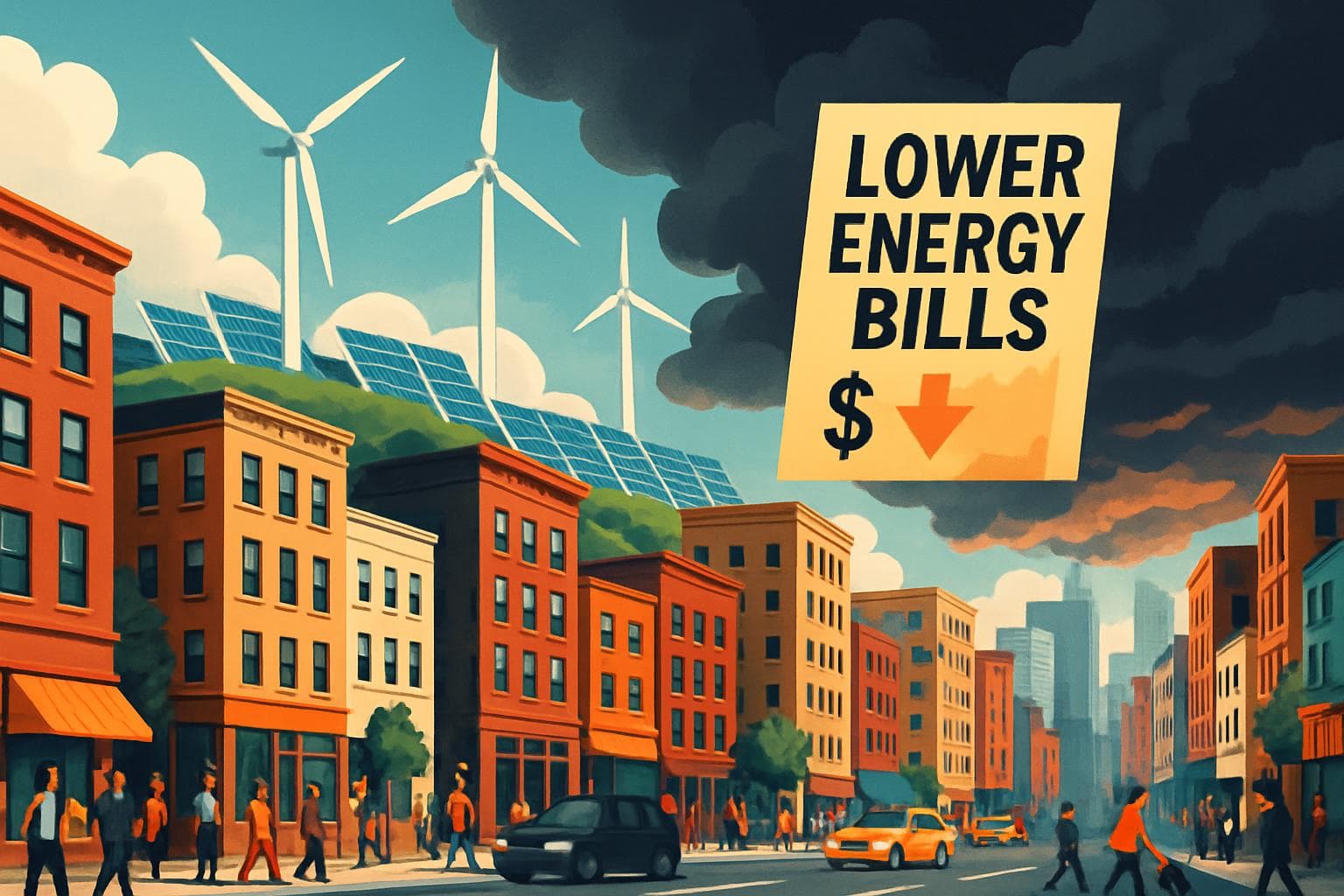
Energy bills for millions of households across England, Scotland, and Wales are set to decrease from Tuesday, thanks to a 7% reduction under Ofgem's latest price cap. This change will see the average household's gas and electricity bill drop by £11 a month. However, the future of energy costs remains uncertain, particularly as colder months approach.
Infrastructure Investment and Its Impact
In a significant move, Ofgem has given provisional approval for a £24 billion investment to upgrade the UK's energy infrastructure. This investment, the largest since the 1960s, includes £15 billion for gas transmission and distribution networks and £8.9 billion for the electricity grid. The aim is to bolster the UK's energy resilience and make better use of renewable energy sources. However, this will result in an increase in household bills by £104 by 2031.
Energy Price Forecasts and Market Uncertainty
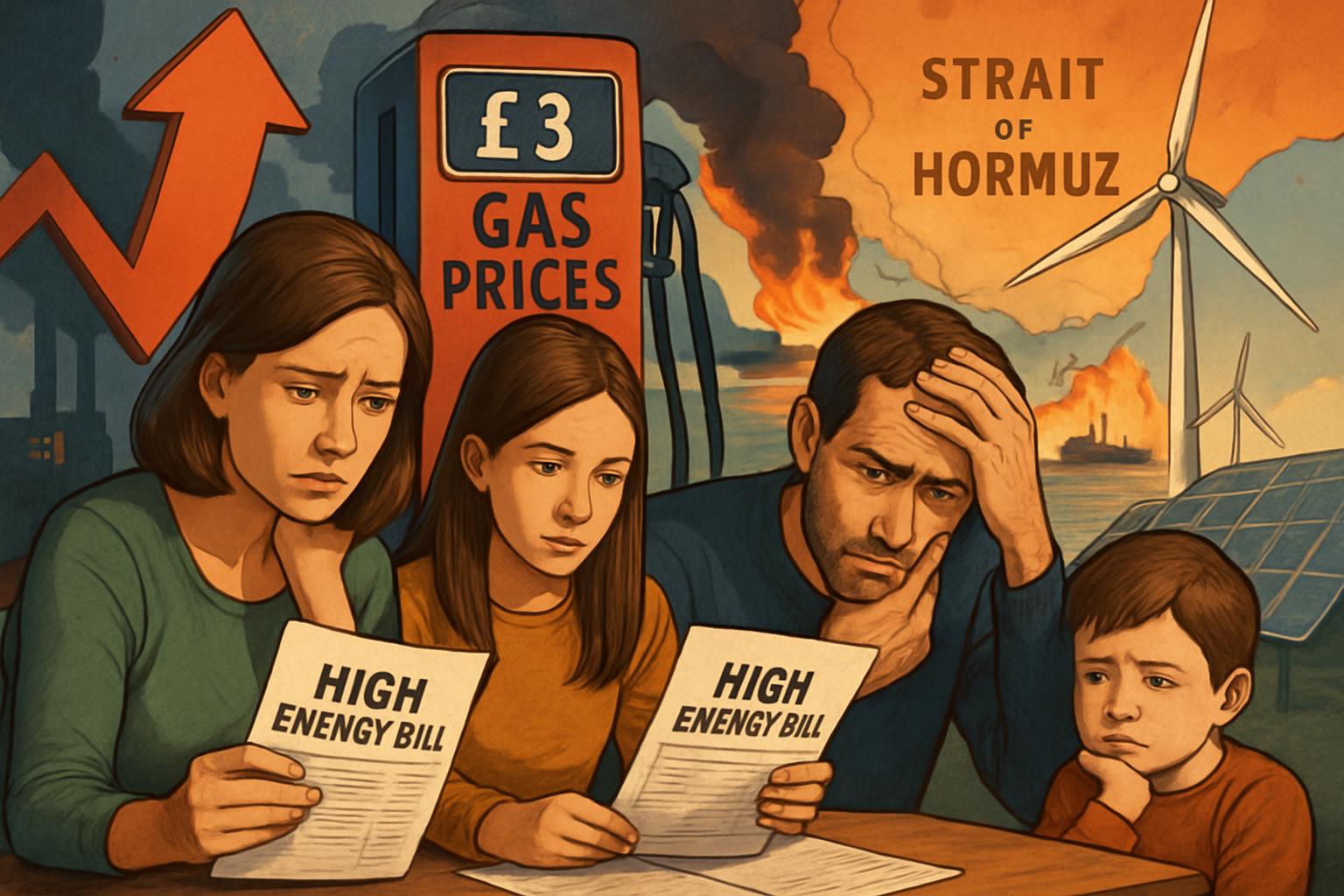
Despite the current reduction, energy prices remain hundreds of pounds above pre-pandemic levels. Analysts from Cornwall Insight forecast a further 1% drop in October, bringing the average annual bill to £1,697. However, they caution that geopolitical tensions, such as those in the Middle East, could impact future prices. Ofgem's chief executive, Jonathan Brearley, emphasized the need to move away from the volatility of international gas prices.
Household Strategies and Community Support
As energy costs remain a concern, households are encouraged to consider fixed-price deals for more predictable expenses. Community initiatives, like the one led by Stevenage Football Club Foundation, are helping families manage costs by teaching them how to cook healthy meals affordably. Nadina Hill, a mother of two, shared her experience of learning to budget and plan meals to cope with rising costs.
WHAT THIS MIGHT MEAN
The £24 billion investment in the UK's energy infrastructure is a strategic move to enhance energy security and transition towards renewable energy. However, the increase in household bills could face public scrutiny, especially if energy prices remain high. Experts suggest that while the investment may lead to long-term savings, the immediate impact on household budgets could be challenging. As the UK navigates these changes, the focus will likely remain on balancing infrastructure improvements with affordability for consumers.
Related Articles
Middle East Conflict Drives UK Energy Prices to New Highs

Saharan Dust to Illuminate UK Skies with Vivid Sunrises and Sunsets

Canada and Australia Forge Strategic Partnership Amid Global Uncertainty

UK Reinforces Military Presence in Cyprus Amid Middle East Tensions

Police Federation Chief Arrested Amid Fraud Investigation

UK-Iran Tensions: Starmer Defends Cautious Approach Amid Trump Criticism
UK Energy Bills Drop Amidst Major Infrastructure Investment
In This Article
 Daniel Rivera| Published
 HIGHLIGHTS
- From Tuesday, energy bills for 21 million UK households will decrease by 7%, but uncertainty remains about future costs.
- Ofgem has approved a £24bn investment in energy infrastructure, which will increase household bills by £104 by 2031.
- Analysts predict a 1% drop in energy prices in October, but prices remain significantly above pre-pandemic levels.
- The investment aims to enhance the UK's energy resilience and reduce reliance on expensive gas plants.
- Households are encouraged to explore fixed-price deals for more predictable energy costs.
Energy bills for millions of households across England, Scotland, and Wales are set to decrease from Tuesday, thanks to a 7% reduction under Ofgem's latest price cap. This change will see the average household's gas and electricity bill drop by £11 a month. However, the future of energy costs remains uncertain, particularly as colder months approach.
Infrastructure Investment and Its Impact
In a significant move, Ofgem has given provisional approval for a £24 billion investment to upgrade the UK's energy infrastructure. This investment, the largest since the 1960s, includes £15 billion for gas transmission and distribution networks and £8.9 billion for the electricity grid. The aim is to bolster the UK's energy resilience and make better use of renewable energy sources. However, this will result in an increase in household bills by £104 by 2031.
Energy Price Forecasts and Market Uncertainty
Despite the current reduction, energy prices remain hundreds of pounds above pre-pandemic levels. Analysts from Cornwall Insight forecast a further 1% drop in October, bringing the average annual bill to £1,697. However, they caution that geopolitical tensions, such as those in the Middle East, could impact future prices. Ofgem's chief executive, Jonathan Brearley, emphasized the need to move away from the volatility of international gas prices.
Household Strategies and Community Support
As energy costs remain a concern, households are encouraged to consider fixed-price deals for more predictable expenses. Community initiatives, like the one led by Stevenage Football Club Foundation, are helping families manage costs by teaching them how to cook healthy meals affordably. Nadina Hill, a mother of two, shared her experience of learning to budget and plan meals to cope with rising costs.
WHAT THIS MIGHT MEAN
The £24 billion investment in the UK's energy infrastructure is a strategic move to enhance energy security and transition towards renewable energy. However, the increase in household bills could face public scrutiny, especially if energy prices remain high. Experts suggest that while the investment may lead to long-term savings, the immediate impact on household budgets could be challenging. As the UK navigates these changes, the focus will likely remain on balancing infrastructure improvements with affordability for consumers.
Related Articles
Middle East Conflict Drives UK Energy Prices to New Highs
Saharan Dust to Illuminate UK Skies with Vivid Sunrises and Sunsets
Canada and Australia Forge Strategic Partnership Amid Global Uncertainty
UK Reinforces Military Presence in Cyprus Amid Middle East Tensions
Police Federation Chief Arrested Amid Fraud Investigation
UK-Iran Tensions: Starmer Defends Cautious Approach Amid Trump Criticism