
UK Energy Bills to Rise as Ofgem Increases Price Cap
In This Article
HIGHLIGHTS
- Ofgem has announced a 2% increase in the energy price cap, raising the typical annual bill to £1,755 starting in October.
- The rise is partly due to increased European gas prices and the expansion of the Warm Home Discount scheme.
- Approximately 20 million households in England, Scotland, and Wales will be affected by the new cap.
- Energy debts in the UK have reached a record high of £4.15 billion, highlighting ongoing affordability issues.
- The Labour party criticizes the government's energy policies, linking high bills to reliance on fossil fuels.
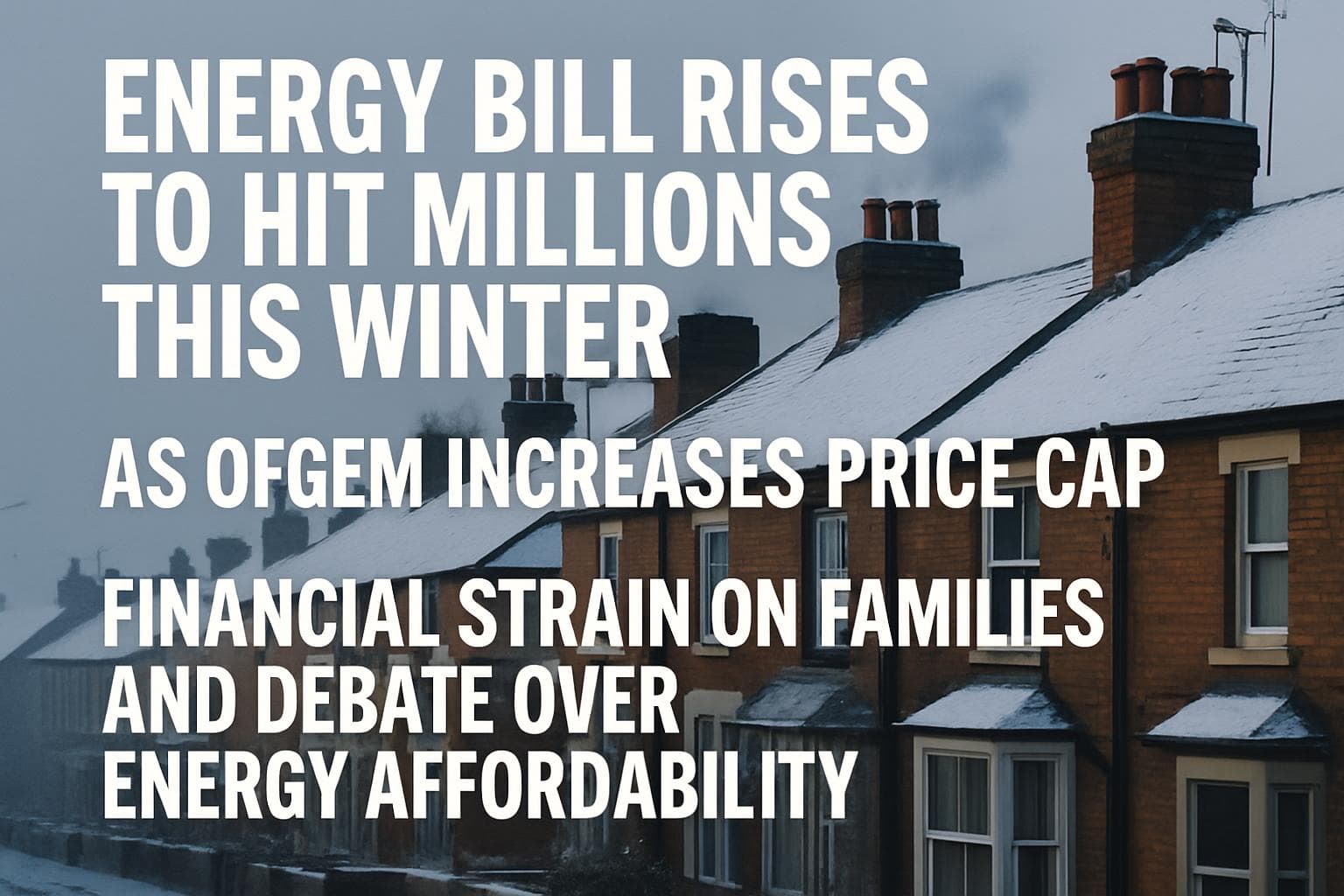
Millions of households across Great Britain are set to face higher energy bills this winter as the energy regulator, Ofgem, has announced a 2% increase in the price cap. This adjustment will see the typical annual dual-fuel bill rise to £1,755 from October, marking an increase of £35 from the current cap.
Impact of the Price Cap Increase
The new cap affects approximately 20 million households in England, Scotland, and Wales, who will see changes in their energy costs as the cap sets the maximum price per unit of gas and electricity. While the cap does not dictate the total bill, which depends on individual consumption, it does mean that households using a typical amount of energy will pay more. This increase comes after a brief period of relief over the summer when the cap fell by 7% due to lower market prices.
Factors Contributing to Rising Costs
The rise in energy bills is attributed to several factors, including increased European gas prices and the expansion of the government's Warm Home Discount scheme, which adds approximately £15 to a typical bill. The scheme aims to provide financial relief to those on means-tested benefits, who will automatically receive a £150 discount. However, all billpayers contribute to funding this support, which has sparked debate over energy affordability.
Political and Economic Reactions
The announcement has reignited discussions on the affordability of energy in the UK. Official figures indicate that household energy debts have reached a record high of £4.15 billion, underscoring the financial strain on many families. The Labour party has criticized the government's energy policies, blaming high bills on a reliance on fossil fuels and inadequate investment in renewable energy sources. "Energy bills soared under the Conservatives because they tied our country to the fossil fuel rollercoaster," a Labour spokesperson stated.
WHAT THIS MIGHT MEAN
Looking ahead, experts predict that the energy price cap may decrease slightly in January, contingent on weather conditions and geopolitical factors affecting market prices. However, the ongoing debate over energy affordability and the government's energy policies is likely to continue. As households brace for another winter of high energy costs, the pressure mounts on policymakers to find sustainable solutions that balance affordability with the need for investment in renewable energy infrastructure.
Related Articles

Saharan Dust to Illuminate UK Skies with Vivid Sunrises and Sunsets
Trump's New Tariff Strategy Sparks Global Trade Uncertainty
Middle East Conflict Drives UK Energy Prices to New Highs

Police Federation Chief Arrested Amid Fraud Investigation

Canada and Australia Forge Strategic Partnership Amid Global Uncertainty

UK Government to Reform Asylum Seeker Support and Employment Policies
UK Energy Bills to Rise as Ofgem Increases Price Cap
In This Article
 Daniel Rivera| Published
 HIGHLIGHTS
- Ofgem has announced a 2% increase in the energy price cap, raising the typical annual bill to £1,755 starting in October.
- The rise is partly due to increased European gas prices and the expansion of the Warm Home Discount scheme.
- Approximately 20 million households in England, Scotland, and Wales will be affected by the new cap.
- Energy debts in the UK have reached a record high of £4.15 billion, highlighting ongoing affordability issues.
- The Labour party criticizes the government's energy policies, linking high bills to reliance on fossil fuels.
Millions of households across Great Britain are set to face higher energy bills this winter as the energy regulator, Ofgem, has announced a 2% increase in the price cap. This adjustment will see the typical annual dual-fuel bill rise to £1,755 from October, marking an increase of £35 from the current cap.
Impact of the Price Cap Increase
The new cap affects approximately 20 million households in England, Scotland, and Wales, who will see changes in their energy costs as the cap sets the maximum price per unit of gas and electricity. While the cap does not dictate the total bill, which depends on individual consumption, it does mean that households using a typical amount of energy will pay more. This increase comes after a brief period of relief over the summer when the cap fell by 7% due to lower market prices.
Factors Contributing to Rising Costs
The rise in energy bills is attributed to several factors, including increased European gas prices and the expansion of the government's Warm Home Discount scheme, which adds approximately £15 to a typical bill. The scheme aims to provide financial relief to those on means-tested benefits, who will automatically receive a £150 discount. However, all billpayers contribute to funding this support, which has sparked debate over energy affordability.
Political and Economic Reactions
The announcement has reignited discussions on the affordability of energy in the UK. Official figures indicate that household energy debts have reached a record high of £4.15 billion, underscoring the financial strain on many families. The Labour party has criticized the government's energy policies, blaming high bills on a reliance on fossil fuels and inadequate investment in renewable energy sources. "Energy bills soared under the Conservatives because they tied our country to the fossil fuel rollercoaster," a Labour spokesperson stated.
WHAT THIS MIGHT MEAN
Looking ahead, experts predict that the energy price cap may decrease slightly in January, contingent on weather conditions and geopolitical factors affecting market prices. However, the ongoing debate over energy affordability and the government's energy policies is likely to continue. As households brace for another winter of high energy costs, the pressure mounts on policymakers to find sustainable solutions that balance affordability with the need for investment in renewable energy infrastructure.
Related Articles
Saharan Dust to Illuminate UK Skies with Vivid Sunrises and Sunsets
Trump's New Tariff Strategy Sparks Global Trade Uncertainty
Middle East Conflict Drives UK Energy Prices to New Highs
Police Federation Chief Arrested Amid Fraud Investigation
Canada and Australia Forge Strategic Partnership Amid Global Uncertainty
UK Government to Reform Asylum Seeker Support and Employment Policies