
Energy Price Cap Adjustments: What They Mean for UK Households
In This Article
HIGHLIGHTS
- Ofgem's energy price cap increased by 0.2% in January, raising typical annual bills by £3 to £1,758.
- A forecasted 8% drop in the energy price cap in April could save households £138 annually.
- The UK government aims to reduce household energy bills by £300 by 2030 through clean energy initiatives.
- Cold weather payments and the Warm Home Discount are available to support vulnerable households during winter.
- Energy market reforms include shifting policy costs to general taxation and promoting low-carbon technologies.
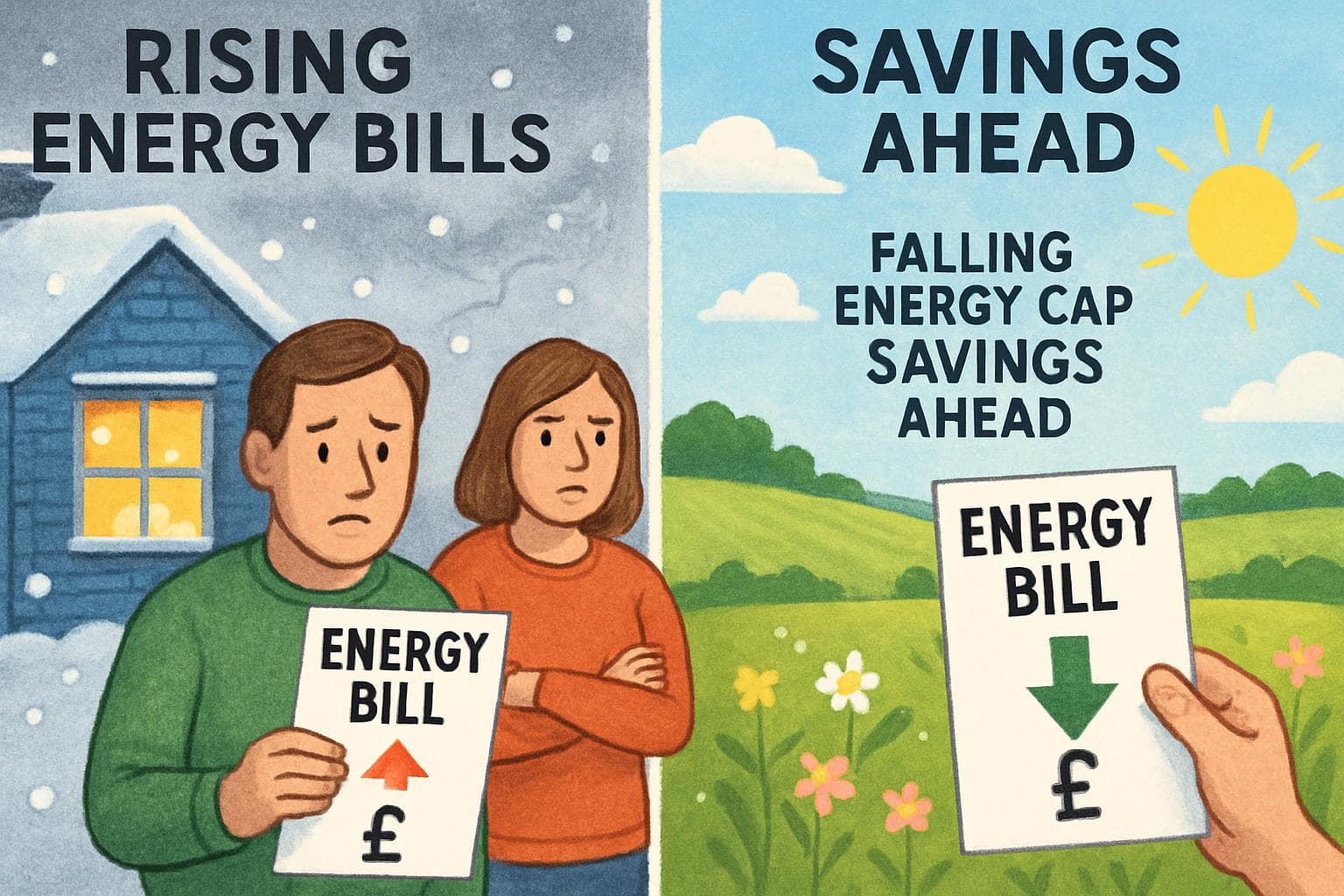
As the new year unfolds, millions of households across England, Scotland, and Wales are experiencing a slight rise in energy bills due to Ofgem's recent adjustment of the energy price cap. This 0.2% increase translates to an additional £3 annually for a typical household, bringing the average dual-fuel bill to £1,758. However, relief may be on the horizon with a forecasted 8% reduction in the price cap come April, potentially saving households £138 per year.
Current Energy Price Dynamics
The energy price cap, regulated by Ofgem, determines the maximum price per unit of gas and electricity for those on variable tariffs. While the cap has seen a minor increase, the overall impact on bills varies depending on individual energy consumption. Standing charges, which cover network maintenance and government levies, have also risen slightly, with electricity charges up by 2% and gas by 3%.
Emily Seymour, energy editor at consumer group Which?, advises consumers to explore fixed tariff deals that may offer savings below the current cap. "Look for deals cheaper than the current price cap, not longer than 12 months and without significant exit fees," she recommends.
Government Initiatives and Future Projections
The UK government is actively working to reduce household energy costs, with a target of cutting bills by £300 by 2030. This goal is supported by initiatives to increase clean power generation and shift policy costs into general taxation. The recent autumn budget has already laid the groundwork by ending certain energy-saving schemes and reducing contributions to renewable obligations.
Jack Richardson, head of policy at Octopus Energy, praised the budget's efforts to reduce energy taxes, stating, "These cuts will help the fuel poorest most. But there is still more to do."
Support for Vulnerable Households
As temperatures drop, vulnerable households can access cold weather payments and the Warm Home Discount. These measures provide financial assistance during periods of extreme cold, ensuring that lower-income families can afford to keep their homes warm.
WHAT THIS MIGHT MEAN
Looking ahead, the anticipated reduction in the energy price cap in April could provide significant financial relief for households, aligning with the government's broader strategy to lower energy costs. However, the shift of policy costs to general taxation may spark debate over the long-term sustainability of such measures. Experts suggest that continued investment in renewable energy and low-carbon technologies will be crucial in achieving the government's ambitious energy cost reduction targets. As the market evolves, consumers are encouraged to stay informed about tariff options and government incentives to optimize their energy expenses.
Related Articles

Saharan Dust to Illuminate UK Skies with Vivid Sunrises and Sunsets
US Supreme Court Ruling on Tariffs Sparks Uncertainty for UK and Global Trade
Middle East Conflict Drives UK Energy Prices to New Highs

Government Announces £4 Billion Overhaul of SEND Support in England

UK Government Announces Major Overhaul of SEND System with £3.4 Billion Investment

Government Unveils Ambitious Plan to Halve Attainment Gap in England's Schools
Energy Price Cap Adjustments: What They Mean for UK Households
In This Article
 Daniel Rivera| Published
 HIGHLIGHTS
- Ofgem's energy price cap increased by 0.2% in January, raising typical annual bills by £3 to £1,758.
- A forecasted 8% drop in the energy price cap in April could save households £138 annually.
- The UK government aims to reduce household energy bills by £300 by 2030 through clean energy initiatives.
- Cold weather payments and the Warm Home Discount are available to support vulnerable households during winter.
- Energy market reforms include shifting policy costs to general taxation and promoting low-carbon technologies.
As the new year unfolds, millions of households across England, Scotland, and Wales are experiencing a slight rise in energy bills due to Ofgem's recent adjustment of the energy price cap. This 0.2% increase translates to an additional £3 annually for a typical household, bringing the average dual-fuel bill to £1,758. However, relief may be on the horizon with a forecasted 8% reduction in the price cap come April, potentially saving households £138 per year.
Current Energy Price Dynamics
The energy price cap, regulated by Ofgem, determines the maximum price per unit of gas and electricity for those on variable tariffs. While the cap has seen a minor increase, the overall impact on bills varies depending on individual energy consumption. Standing charges, which cover network maintenance and government levies, have also risen slightly, with electricity charges up by 2% and gas by 3%.
Emily Seymour, energy editor at consumer group Which?, advises consumers to explore fixed tariff deals that may offer savings below the current cap. "Look for deals cheaper than the current price cap, not longer than 12 months and without significant exit fees," she recommends.
Government Initiatives and Future Projections
The UK government is actively working to reduce household energy costs, with a target of cutting bills by £300 by 2030. This goal is supported by initiatives to increase clean power generation and shift policy costs into general taxation. The recent autumn budget has already laid the groundwork by ending certain energy-saving schemes and reducing contributions to renewable obligations.
Jack Richardson, head of policy at Octopus Energy, praised the budget's efforts to reduce energy taxes, stating, "These cuts will help the fuel poorest most. But there is still more to do."
Support for Vulnerable Households
As temperatures drop, vulnerable households can access cold weather payments and the Warm Home Discount. These measures provide financial assistance during periods of extreme cold, ensuring that lower-income families can afford to keep their homes warm.
WHAT THIS MIGHT MEAN
Looking ahead, the anticipated reduction in the energy price cap in April could provide significant financial relief for households, aligning with the government's broader strategy to lower energy costs. However, the shift of policy costs to general taxation may spark debate over the long-term sustainability of such measures. Experts suggest that continued investment in renewable energy and low-carbon technologies will be crucial in achieving the government's ambitious energy cost reduction targets. As the market evolves, consumers are encouraged to stay informed about tariff options and government incentives to optimize their energy expenses.
Related Articles
Saharan Dust to Illuminate UK Skies with Vivid Sunrises and Sunsets
US Supreme Court Ruling on Tariffs Sparks Uncertainty for UK and Global Trade
Middle East Conflict Drives UK Energy Prices to New Highs
Government Announces £4 Billion Overhaul of SEND Support in England
UK Government Announces Major Overhaul of SEND System with £3.4 Billion Investment
Government Unveils Ambitious Plan to Halve Attainment Gap in England's Schools