
UK and EU Tighten Sanctions on Russia Amid Ongoing Ukraine Conflict
In This Article
HIGHLIGHTS
- The UK and EU have imposed new sanctions on Russian GRU officers and lowered the price cap on Russian oil to curb Kremlin's war efforts in Ukraine.
- UK Foreign Secretary David Lammy emphasized the sanctions as a response to Russia's destabilizing activities in Europe, linked to its support for Ukraine.
- The EU's latest sanctions package includes restrictions on Russian pipelines and tech exports, aiming to undermine Russia's military industry.
- Former Russian President Dmitry Medvedev claimed Russia's economy would withstand the sanctions, as it increases oil exports to China and India.
- The UK Foreign Office highlighted GRU's involvement in cyber activities and attacks on Ukrainian cities, including the Mariupol theatre strike.
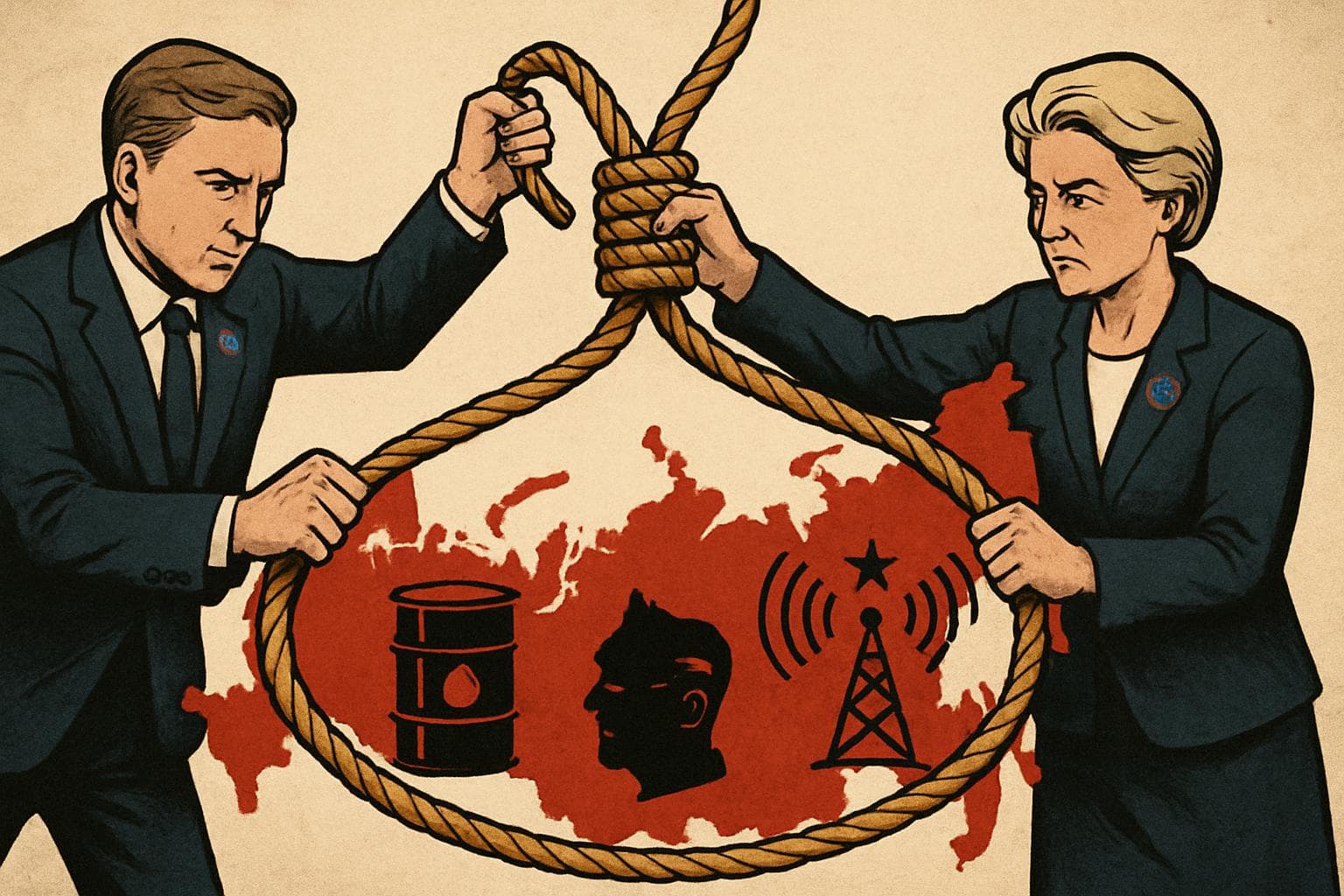
In a concerted effort to intensify pressure on Russia, the UK and the European Union have announced a new wave of sanctions targeting Russian military intelligence officers and reducing the price cap on Russian oil exports. This move is part of a broader strategy to undermine the Kremlin's ability to finance its ongoing war in Ukraine.
Sanctions Target Russian Espionage and Oil Revenues
The UK Foreign Office has sanctioned 18 officers from Russia's GRU military intelligence agency, accusing them of orchestrating a "sustained campaign of malicious cyber activity" across Europe. Foreign Secretary David Lammy linked these actions to Russia's attempts to destabilize the region, particularly in response to the UK's support for Ukraine. "Putin's hybrid threats and aggression will never break our resolve," Lammy stated.
Simultaneously, the EU has introduced its strongest sanctions yet, including a reduction in the price cap on Russian seaborne oil exports from $60 to $47.60 per barrel. This measure, effective from September 3, aims to cut off a significant revenue stream for Russia's military efforts. EU foreign policy chief Kaja Kallas described the sanctions as a decisive step in targeting Russia's military industry and preventing sanctions evasion.
Broader Economic and Strategic Implications
The sanctions package also includes restrictions on Russian pipelines and tech exports, further tightening the economic noose around Moscow. The UK has joined the EU in these efforts, with Chancellor Rachel Reeves emphasizing the importance of exploiting Russia's vulnerabilities while maintaining energy market stability. "We are turning the screw on the Kremlin's war chest," Reeves remarked.
Despite these measures, former Russian President Dmitry Medvedev expressed confidence in Russia's economic resilience, citing increased oil exports to China and India as a buffer against Western sanctions. However, the UK Foreign Office highlighted the GRU's involvement in significant cyber activities and attacks on Ukrainian cities, including the deadly strike on Mariupol's theatre.
Historical Context and Future Prospects
This latest round of sanctions marks the 18th such measure by the EU since Russia's full-scale invasion of Ukraine in 2022. It follows the UK's largest action against Russian spies since the Salisbury Novichok poisonings in 2018. The sanctions aim to disrupt Moscow's financial capabilities, though Russia continues to operate a shadow fleet of oil tankers globally.
WHAT THIS MIGHT MEAN
Looking ahead, the effectiveness of these sanctions in curbing Russia's military capabilities remains uncertain. While the West hopes to pressure Moscow into ending the conflict, Russia's strategic pivot towards Asian markets could mitigate some economic impacts. Experts suggest that continued diplomatic efforts and economic pressure will be crucial in shaping the future trajectory of the Ukraine conflict. As the situation evolves, the international community will need to balance sanctions with diplomatic channels to achieve a sustainable resolution.
Related Articles
Russian LNG Tanker Sinks in Mediterranean Amid Accusations of Ukrainian Drone Attack

UK Faces Dilemmas Amid Iran Conflict and China Spying Allegations

UK Government to Reform Asylum Seeker Support and Employment Policies
UK Reinforces Military Presence in Cyprus Amid Middle East Tensions

Labour MP's Husband Arrested in UK-China Espionage Probe

UK-Iran Tensions: Starmer Defends Cautious Approach Amid Trump Criticism
UK and EU Tighten Sanctions on Russia Amid Ongoing Ukraine Conflict
In This Article
 Ethan Brooks| Published
 HIGHLIGHTS
- The UK and EU have imposed new sanctions on Russian GRU officers and lowered the price cap on Russian oil to curb Kremlin's war efforts in Ukraine.
- UK Foreign Secretary David Lammy emphasized the sanctions as a response to Russia's destabilizing activities in Europe, linked to its support for Ukraine.
- The EU's latest sanctions package includes restrictions on Russian pipelines and tech exports, aiming to undermine Russia's military industry.
- Former Russian President Dmitry Medvedev claimed Russia's economy would withstand the sanctions, as it increases oil exports to China and India.
- The UK Foreign Office highlighted GRU's involvement in cyber activities and attacks on Ukrainian cities, including the Mariupol theatre strike.
In a concerted effort to intensify pressure on Russia, the UK and the European Union have announced a new wave of sanctions targeting Russian military intelligence officers and reducing the price cap on Russian oil exports. This move is part of a broader strategy to undermine the Kremlin's ability to finance its ongoing war in Ukraine.
Sanctions Target Russian Espionage and Oil Revenues
The UK Foreign Office has sanctioned 18 officers from Russia's GRU military intelligence agency, accusing them of orchestrating a "sustained campaign of malicious cyber activity" across Europe. Foreign Secretary David Lammy linked these actions to Russia's attempts to destabilize the region, particularly in response to the UK's support for Ukraine. "Putin's hybrid threats and aggression will never break our resolve," Lammy stated.
Simultaneously, the EU has introduced its strongest sanctions yet, including a reduction in the price cap on Russian seaborne oil exports from $60 to $47.60 per barrel. This measure, effective from September 3, aims to cut off a significant revenue stream for Russia's military efforts. EU foreign policy chief Kaja Kallas described the sanctions as a decisive step in targeting Russia's military industry and preventing sanctions evasion.
Broader Economic and Strategic Implications
The sanctions package also includes restrictions on Russian pipelines and tech exports, further tightening the economic noose around Moscow. The UK has joined the EU in these efforts, with Chancellor Rachel Reeves emphasizing the importance of exploiting Russia's vulnerabilities while maintaining energy market stability. "We are turning the screw on the Kremlin's war chest," Reeves remarked.
Despite these measures, former Russian President Dmitry Medvedev expressed confidence in Russia's economic resilience, citing increased oil exports to China and India as a buffer against Western sanctions. However, the UK Foreign Office highlighted the GRU's involvement in significant cyber activities and attacks on Ukrainian cities, including the deadly strike on Mariupol's theatre.
Historical Context and Future Prospects
This latest round of sanctions marks the 18th such measure by the EU since Russia's full-scale invasion of Ukraine in 2022. It follows the UK's largest action against Russian spies since the Salisbury Novichok poisonings in 2018. The sanctions aim to disrupt Moscow's financial capabilities, though Russia continues to operate a shadow fleet of oil tankers globally.
WHAT THIS MIGHT MEAN
Looking ahead, the effectiveness of these sanctions in curbing Russia's military capabilities remains uncertain. While the West hopes to pressure Moscow into ending the conflict, Russia's strategic pivot towards Asian markets could mitigate some economic impacts. Experts suggest that continued diplomatic efforts and economic pressure will be crucial in shaping the future trajectory of the Ukraine conflict. As the situation evolves, the international community will need to balance sanctions with diplomatic channels to achieve a sustainable resolution.
Related Articles
Russian LNG Tanker Sinks in Mediterranean Amid Accusations of Ukrainian Drone Attack
UK Faces Dilemmas Amid Iran Conflict and China Spying Allegations
UK Government to Reform Asylum Seeker Support and Employment Policies
UK Reinforces Military Presence in Cyprus Amid Middle East Tensions
Labour MP's Husband Arrested in UK-China Espionage Probe
UK-Iran Tensions: Starmer Defends Cautious Approach Amid Trump Criticism