
UK Boosts Electric Vehicle Adoption Amidst Rising Competition in Europe

In This Article
HIGHLIGHTS
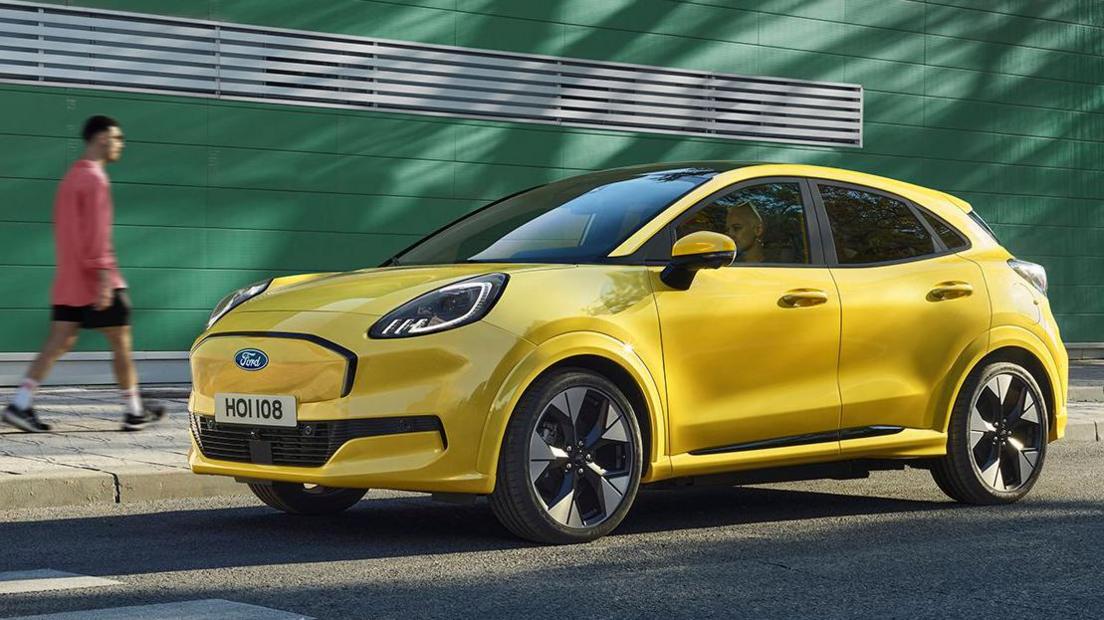
- The UK government announced a £3,750 discount for select electric vehicles, including Ford's Puma Gen-E, to promote EV adoption.
- Tesla's sales in Europe dropped by 40% in July, while Chinese competitor BYD's registrations more than tripled, capturing a 1.2% market share.
- The UK aims to ban new petrol and diesel car sales by 2030, but high EV costs and limited charging points remain barriers.
- The European Automobile Manufacturers’ Association reported 1.011 million new battery-electric cars registered in the EU in 2025, making up 15.6% of the market.
- Hybrid cars continue to gain popularity in Europe, with significant sales growth in major markets like France and Germany.
The UK government has unveiled a new grant scheme offering up to £3,750 in discounts on select electric vehicles (EVs) as part of its strategy to encourage a shift away from petrol and diesel cars. The initiative, announced by the Department for Transport, includes models like Ford's Puma Gen-E and e-Tourneo Courier, with the discount applicable to new car models priced up to £37,000. This move is part of a broader plan to phase out new petrol and diesel car sales by 2030.
Government Incentives and Market Dynamics
The grant scheme, funded through a £650 million initiative, aims to make EVs more affordable by automatically applying discounts at the point of sale. Transport Secretary Heidi Alexander emphasized the government's commitment to making EVs more accessible, stating, "We’re putting money back in people’s pockets and making it easier and cheaper for families to make the switch to electric."
Despite these efforts, challenges remain. The upfront cost of EVs is still higher than petrol cars, with an average price of £49,790 compared to £34,225 for petrol vehicles, according to Autotrader. Additionally, the UK currently has only around 82,000 public charging points for its 1.3 million electric cars, which some drivers argue is insufficient.
Tesla Faces Stiff Competition
Meanwhile, Tesla's dominance in the European EV market is being challenged. The company's sales in Europe fell by 40% in July compared to the previous year, with only 8,837 units sold. In contrast, Chinese automaker BYD saw its new car registrations more than triple to 13,503, capturing a 1.2% market share. This marks a significant shift in the competitive landscape, as BYD outsold Tesla in Europe for the first time this spring.
The Rise of Hybrid Vehicles
While battery-electric cars accounted for 15.6% of the EU market share in 2025, hybrid vehicles are gaining traction. The European Automobile Manufacturers’ Association reported 2.255 million hybrid-electric cars sold across the EU, driven by growth in major markets like France and Germany. Sigrid de Vries, director general of ACEA, highlighted the need for expanded public recharging infrastructure and coordinated purchase incentives to accelerate EV adoption.
WHAT THIS MIGHT MEAN
The UK's push for electric vehicles through financial incentives could significantly impact the automotive market, potentially accelerating the transition to greener transportation. However, the success of this initiative hinges on addressing existing barriers such as high costs and inadequate charging infrastructure. As competition intensifies, particularly from Chinese manufacturers like BYD, established players like Tesla may need to innovate and adapt to maintain their market position.
In the broader European context, the growing popularity of hybrid vehicles suggests a transitional phase as consumers weigh the benefits of different technologies. Policymakers will need to balance incentives and infrastructure development to support this evolving landscape, ensuring that the shift towards sustainable transportation is both feasible and attractive for consumers.
Images from the Web
Related Articles

US Supreme Court Ruling on Tariffs Sparks Uncertainty for UK and Global Trade

Trump's Board of Peace Pledges $7 Billion for Gaza Amidst International Skepticism
Elon Musk Defends Tweets in Twitter Takeover Trial
Middle East Conflict Drives UK Energy Prices to New Highs

Government Announces £4 Billion Overhaul of SEND Support in England

UK Government Announces Major Overhaul of SEND System with £3.4 Billion Investment
UK Boosts Electric Vehicle Adoption Amidst Rising Competition in Europe
In This Article
 Daniel Rivera| Published
 HIGHLIGHTS
- The UK government announced a £3,750 discount for select electric vehicles, including Ford's Puma Gen-E, to promote EV adoption.
- Tesla's sales in Europe dropped by 40% in July, while Chinese competitor BYD's registrations more than tripled, capturing a 1.2% market share.
- The UK aims to ban new petrol and diesel car sales by 2030, but high EV costs and limited charging points remain barriers.
- The European Automobile Manufacturers’ Association reported 1.011 million new battery-electric cars registered in the EU in 2025, making up 15.6% of the market.
- Hybrid cars continue to gain popularity in Europe, with significant sales growth in major markets like France and Germany.
The UK government has unveiled a new grant scheme offering up to £3,750 in discounts on select electric vehicles (EVs) as part of its strategy to encourage a shift away from petrol and diesel cars. The initiative, announced by the Department for Transport, includes models like Ford's Puma Gen-E and e-Tourneo Courier, with the discount applicable to new car models priced up to £37,000. This move is part of a broader plan to phase out new petrol and diesel car sales by 2030.
Government Incentives and Market Dynamics
The grant scheme, funded through a £650 million initiative, aims to make EVs more affordable by automatically applying discounts at the point of sale. Transport Secretary Heidi Alexander emphasized the government's commitment to making EVs more accessible, stating, "We’re putting money back in people’s pockets and making it easier and cheaper for families to make the switch to electric."
Despite these efforts, challenges remain. The upfront cost of EVs is still higher than petrol cars, with an average price of £49,790 compared to £34,225 for petrol vehicles, according to Autotrader. Additionally, the UK currently has only around 82,000 public charging points for its 1.3 million electric cars, which some drivers argue is insufficient.
Tesla Faces Stiff Competition
Meanwhile, Tesla's dominance in the European EV market is being challenged. The company's sales in Europe fell by 40% in July compared to the previous year, with only 8,837 units sold. In contrast, Chinese automaker BYD saw its new car registrations more than triple to 13,503, capturing a 1.2% market share. This marks a significant shift in the competitive landscape, as BYD outsold Tesla in Europe for the first time this spring.
The Rise of Hybrid Vehicles
While battery-electric cars accounted for 15.6% of the EU market share in 2025, hybrid vehicles are gaining traction. The European Automobile Manufacturers’ Association reported 2.255 million hybrid-electric cars sold across the EU, driven by growth in major markets like France and Germany. Sigrid de Vries, director general of ACEA, highlighted the need for expanded public recharging infrastructure and coordinated purchase incentives to accelerate EV adoption.
WHAT THIS MIGHT MEAN
The UK's push for electric vehicles through financial incentives could significantly impact the automotive market, potentially accelerating the transition to greener transportation. However, the success of this initiative hinges on addressing existing barriers such as high costs and inadequate charging infrastructure. As competition intensifies, particularly from Chinese manufacturers like BYD, established players like Tesla may need to innovate and adapt to maintain their market position.
In the broader European context, the growing popularity of hybrid vehicles suggests a transitional phase as consumers weigh the benefits of different technologies. Policymakers will need to balance incentives and infrastructure development to support this evolving landscape, ensuring that the shift towards sustainable transportation is both feasible and attractive for consumers.
Images from the Web
Related Articles
US Supreme Court Ruling on Tariffs Sparks Uncertainty for UK and Global Trade
Trump's Board of Peace Pledges $7 Billion for Gaza Amidst International Skepticism
Elon Musk Defends Tweets in Twitter Takeover Trial
Middle East Conflict Drives UK Energy Prices to New Highs
Government Announces £4 Billion Overhaul of SEND Support in England
UK Government Announces Major Overhaul of SEND System with £3.4 Billion Investment