
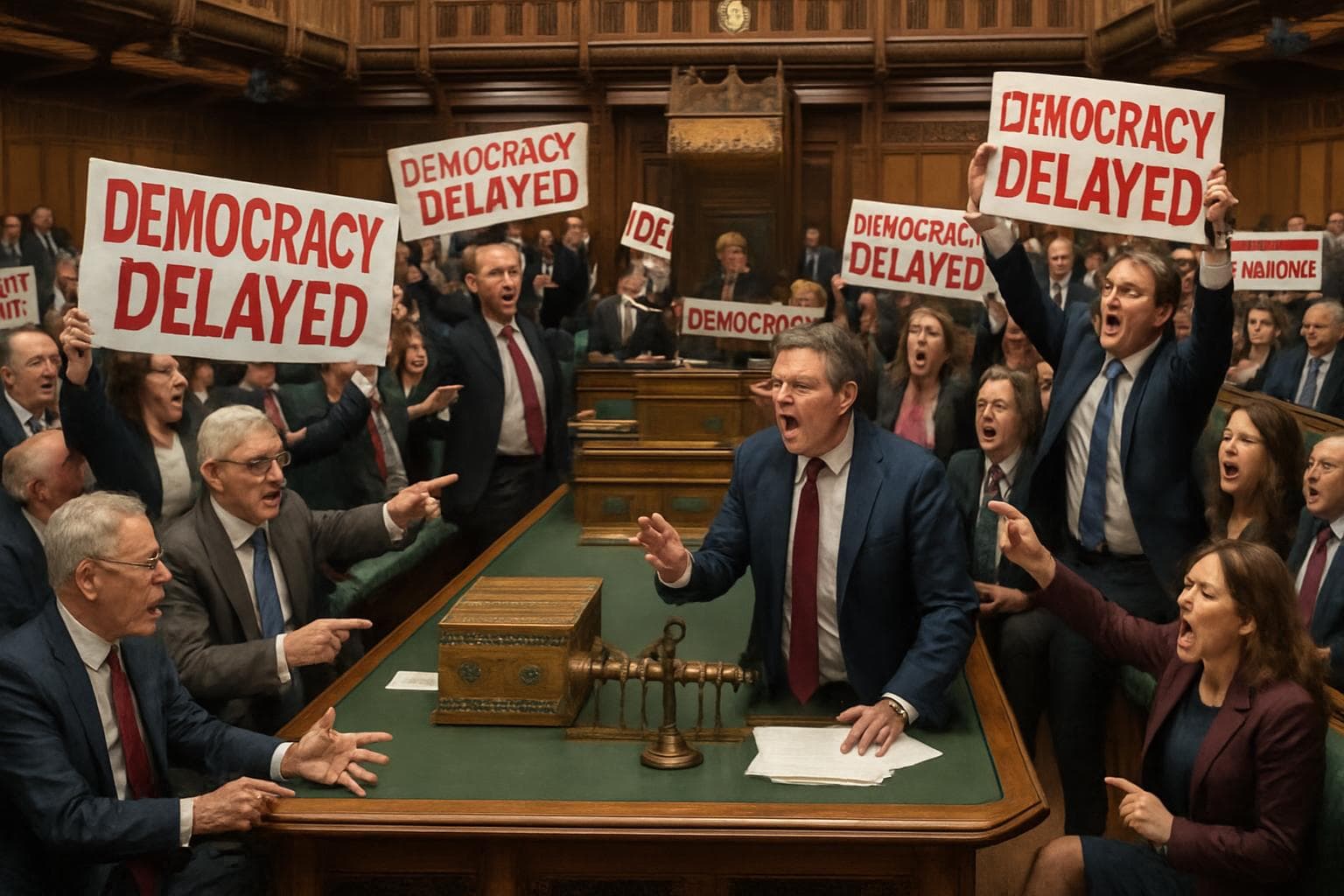
UK Government Faces Backlash Over Mayoral Election Delays in Four Regions
In This Article
HIGHLIGHTS
- The UK government has postponed mayoral elections in four regions until 2028, citing the need for local government reorganisation.
- The decision has sparked accusations from opposition parties of "cancelling democracy" and political maneuvering.
- Conservative candidates argue the delay deprives regions of leadership and investment, while Labour defends the need for proper reorganisation.
- The postponed elections affect Greater Essex, Norfolk and Suffolk, Hampshire and the Solent, and Sussex and Brighton.
- The government has announced £200m in funding for the affected regions to support the transition to new unitary authorities.
The UK government's decision to delay mayoral elections in four English regions until 2028 has ignited a political firestorm, with opposition parties accusing Downing Street of undermining democracy. The elections, initially scheduled for May next year, are postponed to allow more time for local government reorganisation, according to officials.
Political Controversy and Accusations
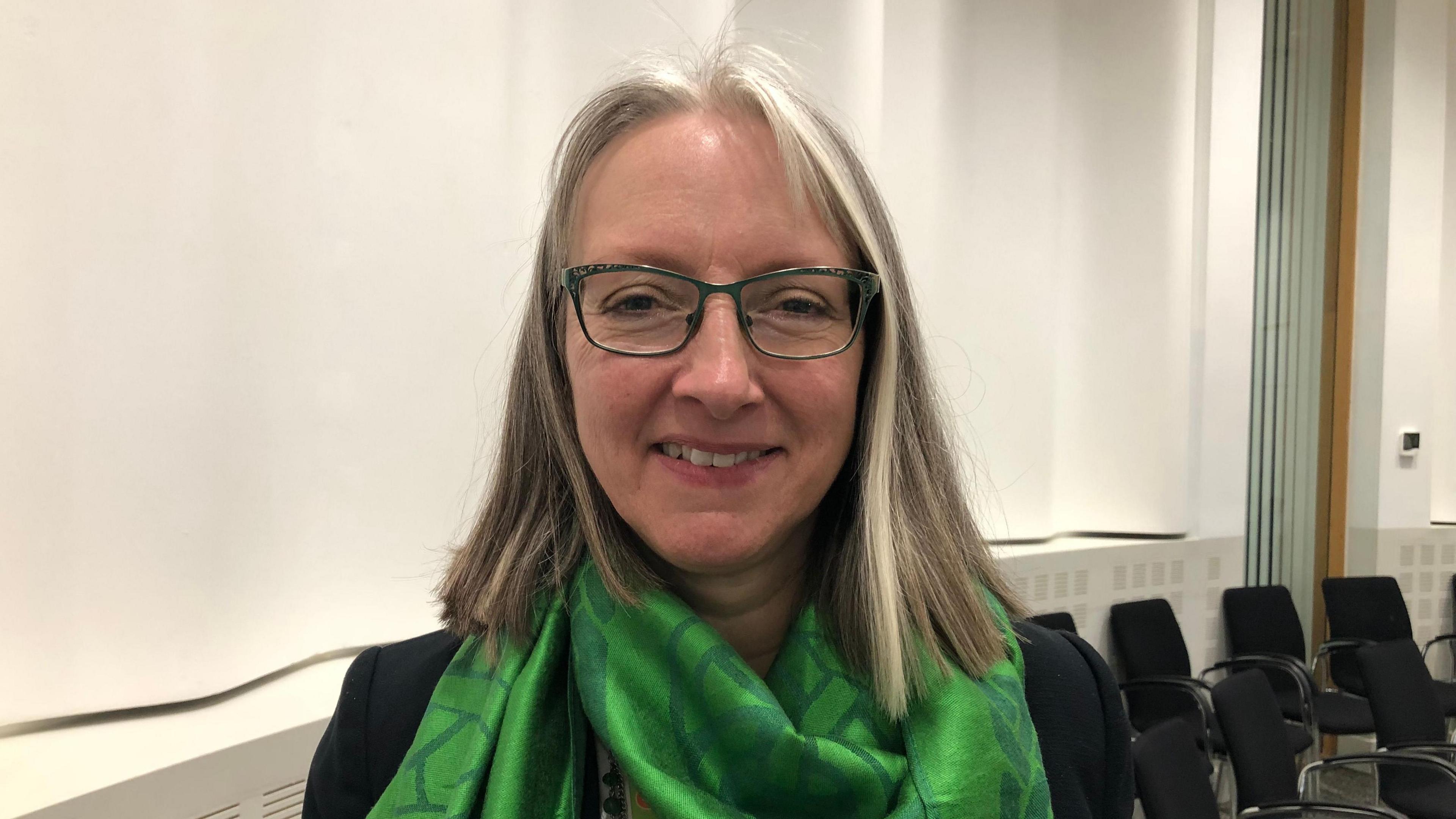
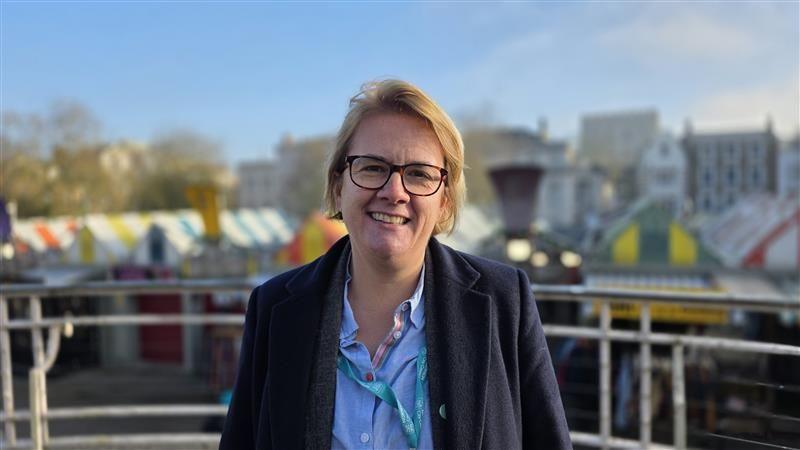
The affected regions—Greater Essex, Norfolk and Suffolk, Hampshire and the Solent, and Sussex and Brighton—were part of a devolution initiative aimed at simplifying local governance by merging district and county councils into unitary authorities. However, the delay has drawn sharp criticism from various political quarters. Conservative candidate Donna Jones, who was set to contest in Hampshire and the Solent, labeled the postponement "a disgrace and an affront to democracy," accusing Labour of avoiding electoral defeat. Similarly, Louise McKinlay, the Conservative candidate for Greater Essex, argued that the delay strips the region of much-needed leadership and investment.
Government's Defense and Funding Announcement
Defending the decision, Devolution Minister Miatta Fahnbulleh emphasized the importance of completing the reorganisation process before holding elections. She assured that the government remains committed to the devolution plans, highlighting the allocation of £200m in funding to support the transition. Greater Essex will receive £41.5m, Hampshire and the Solent £44.6m, Norfolk and Suffolk £37.4m, and Sussex and Brighton £38m.
Opposition's Response and Public Sentiment
Opposition parties, including the Liberal Democrats and Reform UK, have joined the chorus of criticism. Reform UK's deputy leader Richard Tice likened the delay to "a deliberate dictatorial cancelling of democracy," while Labour's Carli Harper rejected claims of political cowardice, asserting that the reorganisation was necessary for effective governance. The delay has also frustrated local candidates and campaigners who had already begun preparations for the elections.
WHAT THIS MIGHT MEAN
The postponement of mayoral elections could have significant implications for local governance and political dynamics in the affected regions. If the reorganisation process is not completed efficiently, it may lead to further delays and public dissatisfaction. Politically, the decision could fuel narratives of governmental incompetence and erode trust in the Labour administration. Conversely, if the reorganisation succeeds in creating streamlined and effective local authorities, it could bolster Labour's standing by demonstrating a commitment to long-term regional development. As the situation unfolds, the government will need to manage both logistical challenges and political perceptions to maintain public confidence.
Images from the Web
Related Articles
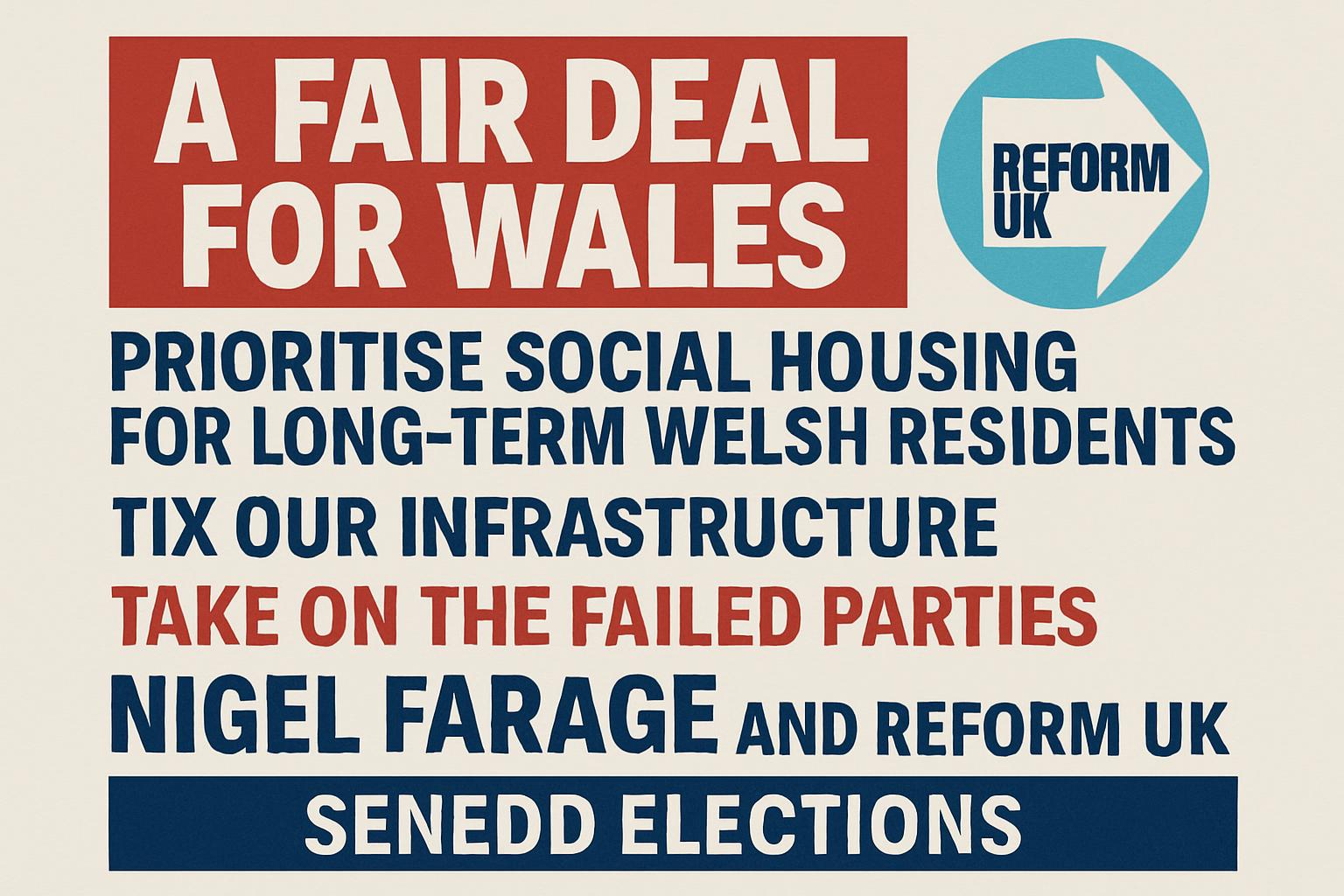
Reform UK Aims to Reshape Welsh Politics with New Manifesto
Middle East Conflict Drives UK Energy Prices to New Highs
Diplomatic Tensions Rise as Trump Criticizes Starmer's Iran Policy

Government Announces £4 Billion Overhaul of SEND Support in England

UK Government Announces Major Overhaul of SEND System with £3.4 Billion Investment

Prince Andrew's Ties to Epstein Under Scrutiny Amid Calls for Inquiry
UK Government Faces Backlash Over Mayoral Election Delays in Four Regions
In This Article
 Alex Carter| Published
 HIGHLIGHTS
- The UK government has postponed mayoral elections in four regions until 2028, citing the need for local government reorganisation.
- The decision has sparked accusations from opposition parties of "cancelling democracy" and political maneuvering.
- Conservative candidates argue the delay deprives regions of leadership and investment, while Labour defends the need for proper reorganisation.
- The postponed elections affect Greater Essex, Norfolk and Suffolk, Hampshire and the Solent, and Sussex and Brighton.
- The government has announced £200m in funding for the affected regions to support the transition to new unitary authorities.
The UK government's decision to delay mayoral elections in four English regions until 2028 has ignited a political firestorm, with opposition parties accusing Downing Street of undermining democracy. The elections, initially scheduled for May next year, are postponed to allow more time for local government reorganisation, according to officials.
Political Controversy and Accusations
The affected regions—Greater Essex, Norfolk and Suffolk, Hampshire and the Solent, and Sussex and Brighton—were part of a devolution initiative aimed at simplifying local governance by merging district and county councils into unitary authorities. However, the delay has drawn sharp criticism from various political quarters. Conservative candidate Donna Jones, who was set to contest in Hampshire and the Solent, labeled the postponement "a disgrace and an affront to democracy," accusing Labour of avoiding electoral defeat. Similarly, Louise McKinlay, the Conservative candidate for Greater Essex, argued that the delay strips the region of much-needed leadership and investment.
Government's Defense and Funding Announcement
Defending the decision, Devolution Minister Miatta Fahnbulleh emphasized the importance of completing the reorganisation process before holding elections. She assured that the government remains committed to the devolution plans, highlighting the allocation of £200m in funding to support the transition. Greater Essex will receive £41.5m, Hampshire and the Solent £44.6m, Norfolk and Suffolk £37.4m, and Sussex and Brighton £38m.
Opposition's Response and Public Sentiment
Opposition parties, including the Liberal Democrats and Reform UK, have joined the chorus of criticism. Reform UK's deputy leader Richard Tice likened the delay to "a deliberate dictatorial cancelling of democracy," while Labour's Carli Harper rejected claims of political cowardice, asserting that the reorganisation was necessary for effective governance. The delay has also frustrated local candidates and campaigners who had already begun preparations for the elections.
WHAT THIS MIGHT MEAN
The postponement of mayoral elections could have significant implications for local governance and political dynamics in the affected regions. If the reorganisation process is not completed efficiently, it may lead to further delays and public dissatisfaction. Politically, the decision could fuel narratives of governmental incompetence and erode trust in the Labour administration. Conversely, if the reorganisation succeeds in creating streamlined and effective local authorities, it could bolster Labour's standing by demonstrating a commitment to long-term regional development. As the situation unfolds, the government will need to manage both logistical challenges and political perceptions to maintain public confidence.
Images from the Web
Related Articles
Reform UK Aims to Reshape Welsh Politics with New Manifesto
Middle East Conflict Drives UK Energy Prices to New Highs
Diplomatic Tensions Rise as Trump Criticizes Starmer's Iran Policy
Government Announces £4 Billion Overhaul of SEND Support in England
UK Government Announces Major Overhaul of SEND System with £3.4 Billion Investment
Prince Andrew's Ties to Epstein Under Scrutiny Amid Calls for Inquiry