
UK Government Faces Labour Rebellion Over Proposed Disability Benefits Cuts
In This Article
HIGHLIGHTS
- Work and Pensions Secretary Liz Kendall has introduced a bill to cut disability benefits, sparking a potential rebellion among Labour MPs.
- The proposed welfare reforms aim to save nearly £5bn by 2030, affecting 950,000 people, including cuts to Personal Independence Payments (Pips).
- Prime Minister Keir Starmer supports the reforms, despite opposition from over 100 Labour MPs and criticism from other political parties.
- Deputy Prime Minister Angela Rayner has not ruled out disciplinary actions against Labour MPs who vote against the bill.
- The government argues the changes are necessary to prevent the collapse of the UK's £326bn social security system.
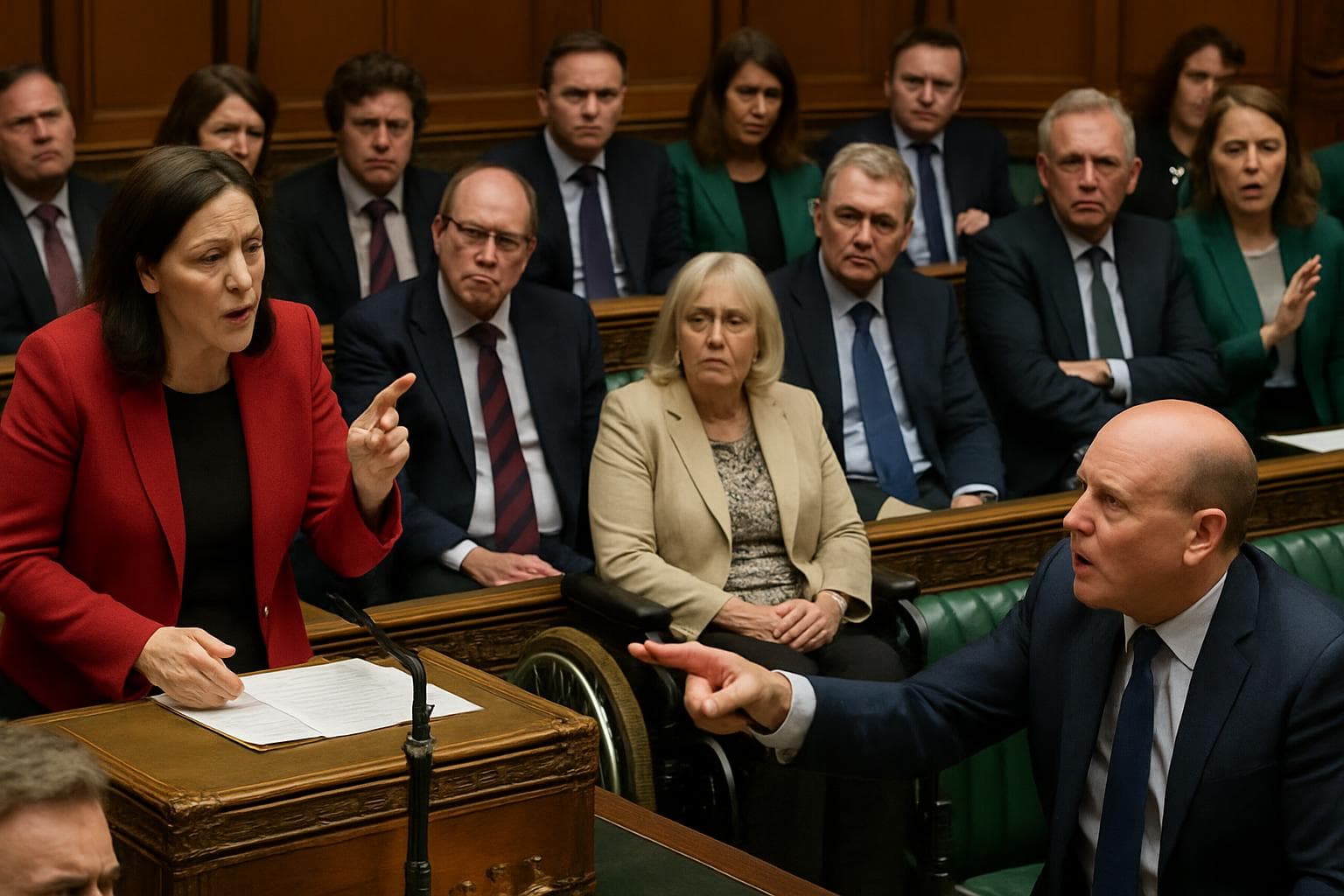
The UK government is facing significant opposition from within its own ranks as it moves forward with controversial plans to overhaul the welfare system. Work and Pensions Secretary Liz Kendall has introduced a bill that aims to cut disability benefits, a move that has prompted a potential rebellion among Labour MPs.
Proposed Reforms and Financial Implications
The welfare reform bill, unveiled by Kendall, seeks to address what she describes as an unsustainable social security system. The proposed changes include tightening the eligibility criteria for Personal Independence Payments (Pips) and reducing the sickness-related element of Universal Credit. These measures are projected to save nearly £5bn by 2030, affecting approximately 950,000 people. The government argues that without these cuts, the UK's £326bn social security net could face collapse.
Political Tensions and Party Discipline
Despite the government's insistence on the necessity of these reforms, the proposals have sparked significant backlash. Over 100 Labour MPs have expressed their intention to oppose the bill, citing concerns over the impact on disabled individuals and carers. Deputy Prime Minister Angela Rayner has not ruled out the possibility of disciplinary actions against MPs who defy the party line, highlighting the internal tensions within Labour.
Public and Political Reactions
The proposed cuts have drawn criticism from various political parties, with the Liberal Democrats warning of devastating effects on disabled people and the Green Party labeling the changes as "cruel." Prime Minister Keir Starmer, however, remains steadfast in his support for the reforms, emphasizing the need to pass the legislation to ensure the sustainability of the welfare system.
Impact on Claimants and Future Projections
The government's impact assessments suggest that while nine out of ten current Pip claimants will continue to receive payments by 2030, around 370,000 existing claimants could lose out, saving £1.7bn. Additionally, a predicted drop in future claimants could save a further £1.89bn. The reforms also have implications for carers, with potential savings of £500m in Carers' Allowance by 2029/30.
WHAT THIS MIGHT MEAN
As the UK government pushes forward with its welfare reform bill, the political landscape remains fraught with tension. If the bill passes, it could lead to significant changes in the benefits system, affecting hundreds of thousands of claimants. However, the potential rebellion among Labour MPs poses a substantial challenge to the government's plans. Should the rebellion succeed, it could mark a significant setback for Prime Minister Keir Starmer's leadership and his ability to unify the party.
Experts suggest that the outcome of this legislative battle could have broader implications for the UK's social security system and its financial sustainability. If the reforms are implemented, the government will need to carefully manage the transition to mitigate the impact on vulnerable populations. Conversely, failure to pass the bill could necessitate alternative measures to address the financial pressures facing the welfare system.
Related Articles

UK Government's SEND Reforms: A Critical Turning Point for Special Education
UK Government to Reform Asylum Seeker Support and Employment Policies

Middle East Conflict Drives UK Energy Prices to New Highs

UK Faces Dilemmas Amid Iran Conflict and China Spying Allegations

Labour MP's Husband Arrested in UK-China Espionage Probe

UK-Iran Tensions: Starmer Defends Cautious Approach Amid Trump Criticism
UK Government Faces Labour Rebellion Over Proposed Disability Benefits Cuts
In This Article
 Alex Carter| Published
 HIGHLIGHTS
- Work and Pensions Secretary Liz Kendall has introduced a bill to cut disability benefits, sparking a potential rebellion among Labour MPs.
- The proposed welfare reforms aim to save nearly £5bn by 2030, affecting 950,000 people, including cuts to Personal Independence Payments (Pips).
- Prime Minister Keir Starmer supports the reforms, despite opposition from over 100 Labour MPs and criticism from other political parties.
- Deputy Prime Minister Angela Rayner has not ruled out disciplinary actions against Labour MPs who vote against the bill.
- The government argues the changes are necessary to prevent the collapse of the UK's £326bn social security system.
The UK government is facing significant opposition from within its own ranks as it moves forward with controversial plans to overhaul the welfare system. Work and Pensions Secretary Liz Kendall has introduced a bill that aims to cut disability benefits, a move that has prompted a potential rebellion among Labour MPs.
Proposed Reforms and Financial Implications
The welfare reform bill, unveiled by Kendall, seeks to address what she describes as an unsustainable social security system. The proposed changes include tightening the eligibility criteria for Personal Independence Payments (Pips) and reducing the sickness-related element of Universal Credit. These measures are projected to save nearly £5bn by 2030, affecting approximately 950,000 people. The government argues that without these cuts, the UK's £326bn social security net could face collapse.
Political Tensions and Party Discipline
Despite the government's insistence on the necessity of these reforms, the proposals have sparked significant backlash. Over 100 Labour MPs have expressed their intention to oppose the bill, citing concerns over the impact on disabled individuals and carers. Deputy Prime Minister Angela Rayner has not ruled out the possibility of disciplinary actions against MPs who defy the party line, highlighting the internal tensions within Labour.
Public and Political Reactions
The proposed cuts have drawn criticism from various political parties, with the Liberal Democrats warning of devastating effects on disabled people and the Green Party labeling the changes as "cruel." Prime Minister Keir Starmer, however, remains steadfast in his support for the reforms, emphasizing the need to pass the legislation to ensure the sustainability of the welfare system.
Impact on Claimants and Future Projections
The government's impact assessments suggest that while nine out of ten current Pip claimants will continue to receive payments by 2030, around 370,000 existing claimants could lose out, saving £1.7bn. Additionally, a predicted drop in future claimants could save a further £1.89bn. The reforms also have implications for carers, with potential savings of £500m in Carers' Allowance by 2029/30.
WHAT THIS MIGHT MEAN
As the UK government pushes forward with its welfare reform bill, the political landscape remains fraught with tension. If the bill passes, it could lead to significant changes in the benefits system, affecting hundreds of thousands of claimants. However, the potential rebellion among Labour MPs poses a substantial challenge to the government's plans. Should the rebellion succeed, it could mark a significant setback for Prime Minister Keir Starmer's leadership and his ability to unify the party.
Experts suggest that the outcome of this legislative battle could have broader implications for the UK's social security system and its financial sustainability. If the reforms are implemented, the government will need to carefully manage the transition to mitigate the impact on vulnerable populations. Conversely, failure to pass the bill could necessitate alternative measures to address the financial pressures facing the welfare system.
Related Articles
UK Government's SEND Reforms: A Critical Turning Point for Special Education
UK Government to Reform Asylum Seeker Support and Employment Policies
Middle East Conflict Drives UK Energy Prices to New Highs
UK Faces Dilemmas Amid Iran Conflict and China Spying Allegations
Labour MP's Husband Arrested in UK-China Espionage Probe
UK-Iran Tensions: Starmer Defends Cautious Approach Amid Trump Criticism