
UK Farmers Struggle as Extreme Weather Threatens Crop Yields and Livelihoods
In This Article
HIGHLIGHTS
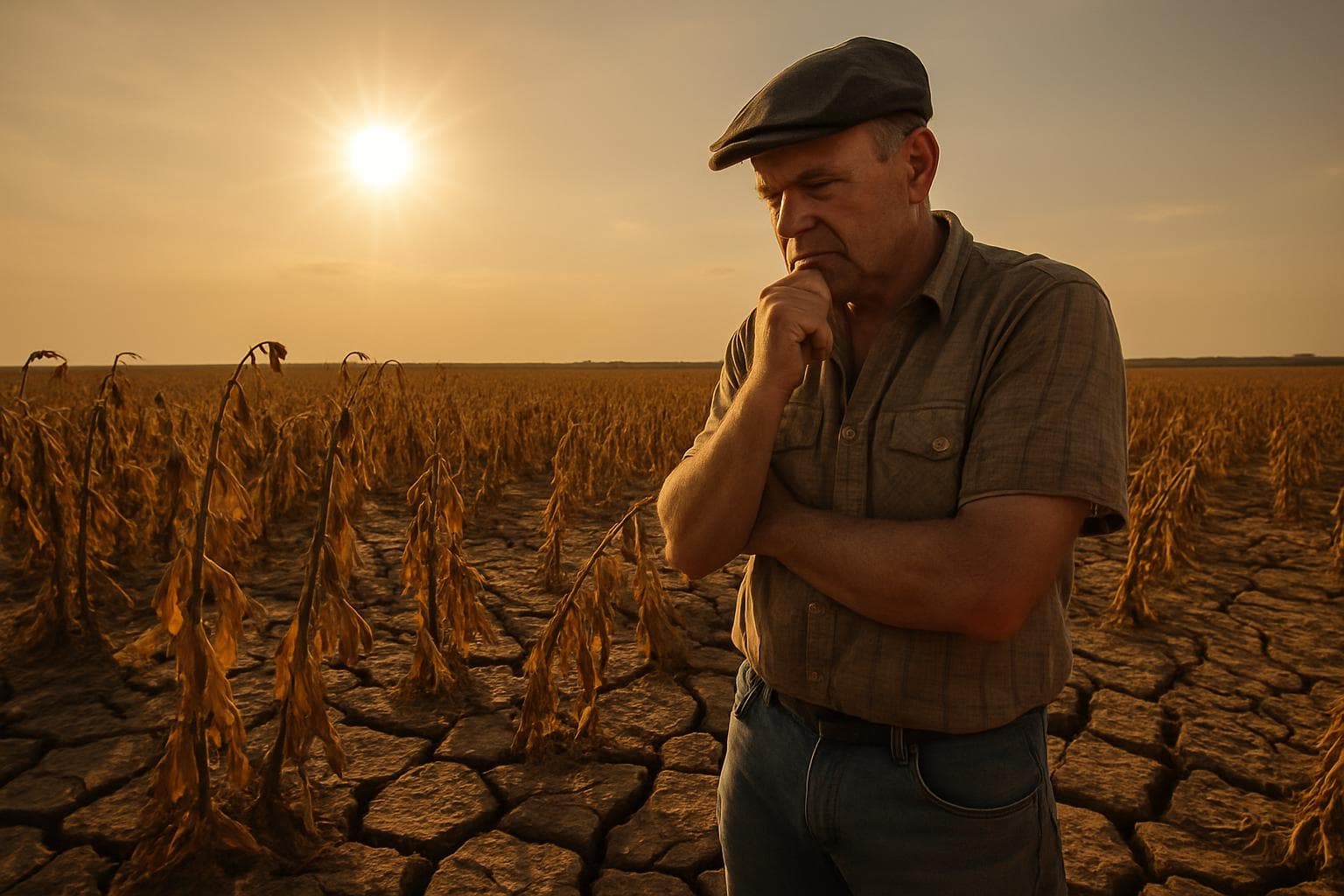
- Extreme weather, including drought and flooding, is severely impacting UK farmers, with crop yields down by a third in some areas.
- England is experiencing its driest spring in over a century, with rainfall significantly below average, affecting river flows and crop maturation.
- Farmers are exploring alternative income streams and sustainable practices, such as regenerative farming, to mitigate financial losses.
- The National Farmers' Union highlights the need for investment in climate adaptation and resilient crop varieties to ensure food security.
- Waitrose reports that drought conditions are causing harvests to occur two weeks earlier than usual, affecting the availability of certain produce.
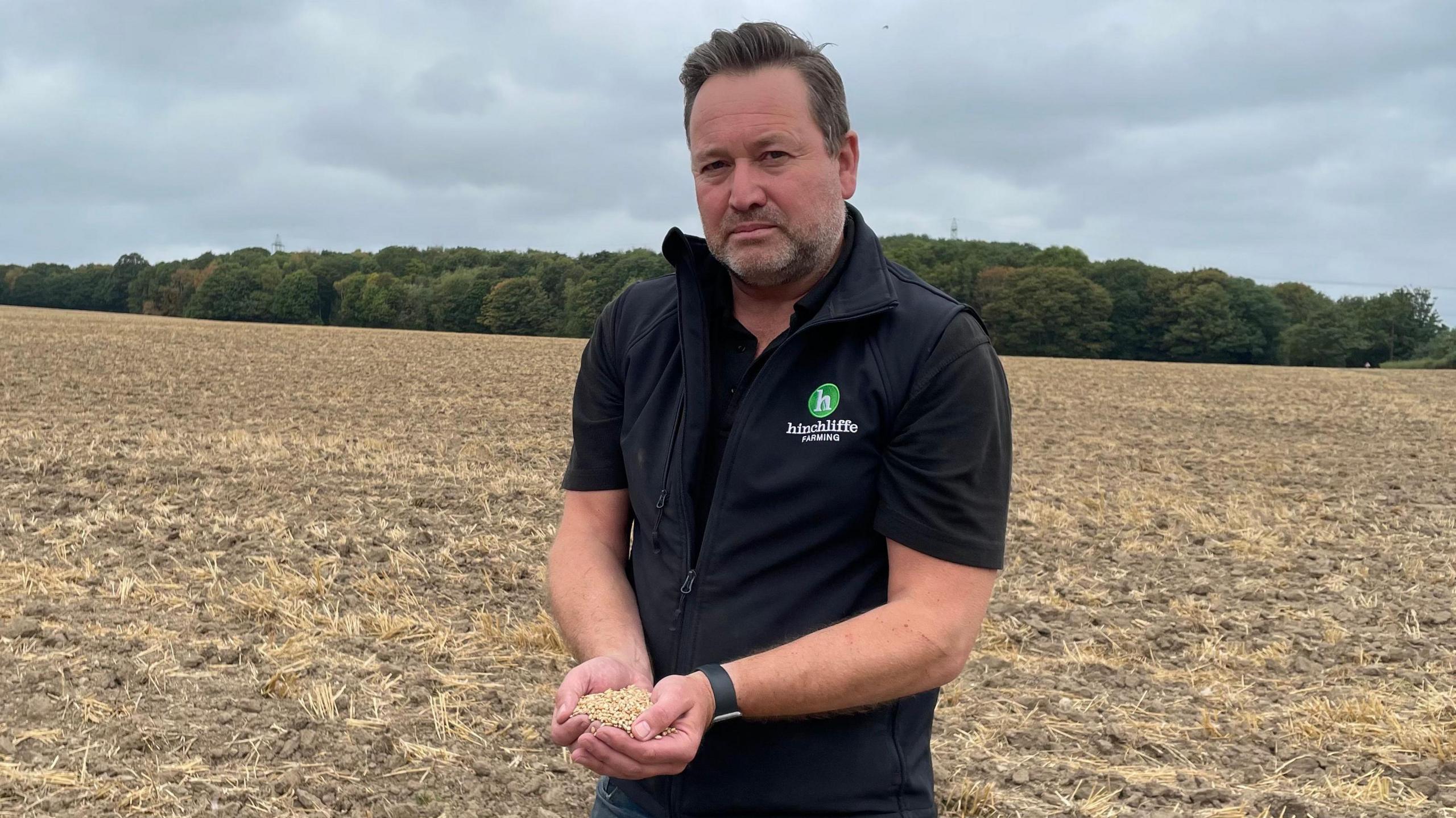
As extreme weather patterns continue to disrupt the agricultural landscape in the UK, farmers are grappling with significant challenges to their livelihoods. Simon Hinchcliffe, a farmer from Slade Hooton, Rotherham, reports that his family's farm has seen a one-third reduction in crop yields this year due to persistent dry conditions. The Met Office confirms that England is experiencing its driest spring in over a century, with Yorkshire officially declared in drought.
Impact of Drought on Crop Yields
The drought has accelerated the maturation of crops, forcing farmers to harvest wheat, oilseed rape, oats, and malting barley two weeks earlier than usual, according to Waitrose. The Environment Agency's recent data shows that 80% of England's river flows are below normal, exacerbating the water scarcity issue. Thomas Adami, farming operations manager at Leckford Farm, notes that regenerative farming practices have helped mitigate some drought effects by improving soil water retention.
Economic Strain and Adaptation Strategies
The economic implications of these weather extremes are profound. Hinchcliffe's farm, which also suffered from flooding last year, anticipates not making a profit for two out of every five years. To offset losses, the farm is diversifying income streams by hosting events and renting land. Despite the challenges, Hinchcliffe remains committed to farming, expressing pride in his son's desire to continue the family tradition.
Call for Climate Adaptation Investment
The National Farmers' Union underscores the urgent need for investment in climate adaptation measures and resilient crop varieties. Jamie Burrows, chair of the union's crops board, emphasizes the importance of developing infrastructure to capture and store water during periods of abundance. Rachel Hallos, vice-president of the union, warns that the increasing frequency of extreme weather events poses a significant threat to food production and farm businesses.
WHAT THIS MIGHT MEAN
Looking ahead, the agricultural sector faces mounting pressure to adapt to the realities of climate change. Without significant investment in sustainable practices and infrastructure, the ability to maintain stable food production is at risk. Experts suggest that enhancing soil health through regenerative farming and developing drought-resistant crop varieties could be crucial steps in building resilience. Politically, there may be increased calls for government support and policy changes to address the challenges posed by extreme weather, ensuring the long-term viability of the UK's farming industry.
Images from the Web
Related Articles

Saharan Dust to Illuminate UK Skies with Vivid Sunrises and Sunsets

Canada and Australia Forge Strategic Partnership Amid Global Uncertainty

UK Government to Reform Asylum Seeker Support and Employment Policies

Sisters Tragically Drown at Eryri National Park's Watkin Path
Middle East Conflict Drives UK Energy Prices to New Highs

UK Faces Dilemmas Amid Iran Conflict and China Spying Allegations
UK Farmers Struggle as Extreme Weather Threatens Crop Yields and Livelihoods
In This Article
 Leila Hassan| Published
 HIGHLIGHTS
- Extreme weather, including drought and flooding, is severely impacting UK farmers, with crop yields down by a third in some areas.
- England is experiencing its driest spring in over a century, with rainfall significantly below average, affecting river flows and crop maturation.
- Farmers are exploring alternative income streams and sustainable practices, such as regenerative farming, to mitigate financial losses.
- The National Farmers' Union highlights the need for investment in climate adaptation and resilient crop varieties to ensure food security.
- Waitrose reports that drought conditions are causing harvests to occur two weeks earlier than usual, affecting the availability of certain produce.
As extreme weather patterns continue to disrupt the agricultural landscape in the UK, farmers are grappling with significant challenges to their livelihoods. Simon Hinchcliffe, a farmer from Slade Hooton, Rotherham, reports that his family's farm has seen a one-third reduction in crop yields this year due to persistent dry conditions. The Met Office confirms that England is experiencing its driest spring in over a century, with Yorkshire officially declared in drought.
Impact of Drought on Crop Yields
The drought has accelerated the maturation of crops, forcing farmers to harvest wheat, oilseed rape, oats, and malting barley two weeks earlier than usual, according to Waitrose. The Environment Agency's recent data shows that 80% of England's river flows are below normal, exacerbating the water scarcity issue. Thomas Adami, farming operations manager at Leckford Farm, notes that regenerative farming practices have helped mitigate some drought effects by improving soil water retention.
Economic Strain and Adaptation Strategies
The economic implications of these weather extremes are profound. Hinchcliffe's farm, which also suffered from flooding last year, anticipates not making a profit for two out of every five years. To offset losses, the farm is diversifying income streams by hosting events and renting land. Despite the challenges, Hinchcliffe remains committed to farming, expressing pride in his son's desire to continue the family tradition.
Call for Climate Adaptation Investment
The National Farmers' Union underscores the urgent need for investment in climate adaptation measures and resilient crop varieties. Jamie Burrows, chair of the union's crops board, emphasizes the importance of developing infrastructure to capture and store water during periods of abundance. Rachel Hallos, vice-president of the union, warns that the increasing frequency of extreme weather events poses a significant threat to food production and farm businesses.
WHAT THIS MIGHT MEAN
Looking ahead, the agricultural sector faces mounting pressure to adapt to the realities of climate change. Without significant investment in sustainable practices and infrastructure, the ability to maintain stable food production is at risk. Experts suggest that enhancing soil health through regenerative farming and developing drought-resistant crop varieties could be crucial steps in building resilience. Politically, there may be increased calls for government support and policy changes to address the challenges posed by extreme weather, ensuring the long-term viability of the UK's farming industry.
Images from the Web
Related Articles
Saharan Dust to Illuminate UK Skies with Vivid Sunrises and Sunsets
Canada and Australia Forge Strategic Partnership Amid Global Uncertainty
UK Government to Reform Asylum Seeker Support and Employment Policies
Sisters Tragically Drown at Eryri National Park's Watkin Path
Middle East Conflict Drives UK Energy Prices to New Highs
UK Faces Dilemmas Amid Iran Conflict and China Spying Allegations