
Floating Wind Farms to Transform UK Energy Landscape
In This Article
HIGHLIGHTS
- New floating wind farms off the coasts of Wales and south-west England are set to power four million homes and create 5,300 jobs.
- The Crown Estate, in partnership with Equinor and Gwynt Glas, is investing £400 million in the UK's offshore wind supply chain.
- The turbines, some of the largest in the world, will be assembled in Port Talbot and Bristol, with operations expected by the early 2030s.
- The project promises significant economic growth and energy security, with a £1.4 billion boost to the UK economy.
- A focus on youth employment includes guarantees for apprenticeships and jobs for young people in the renewable energy sector.
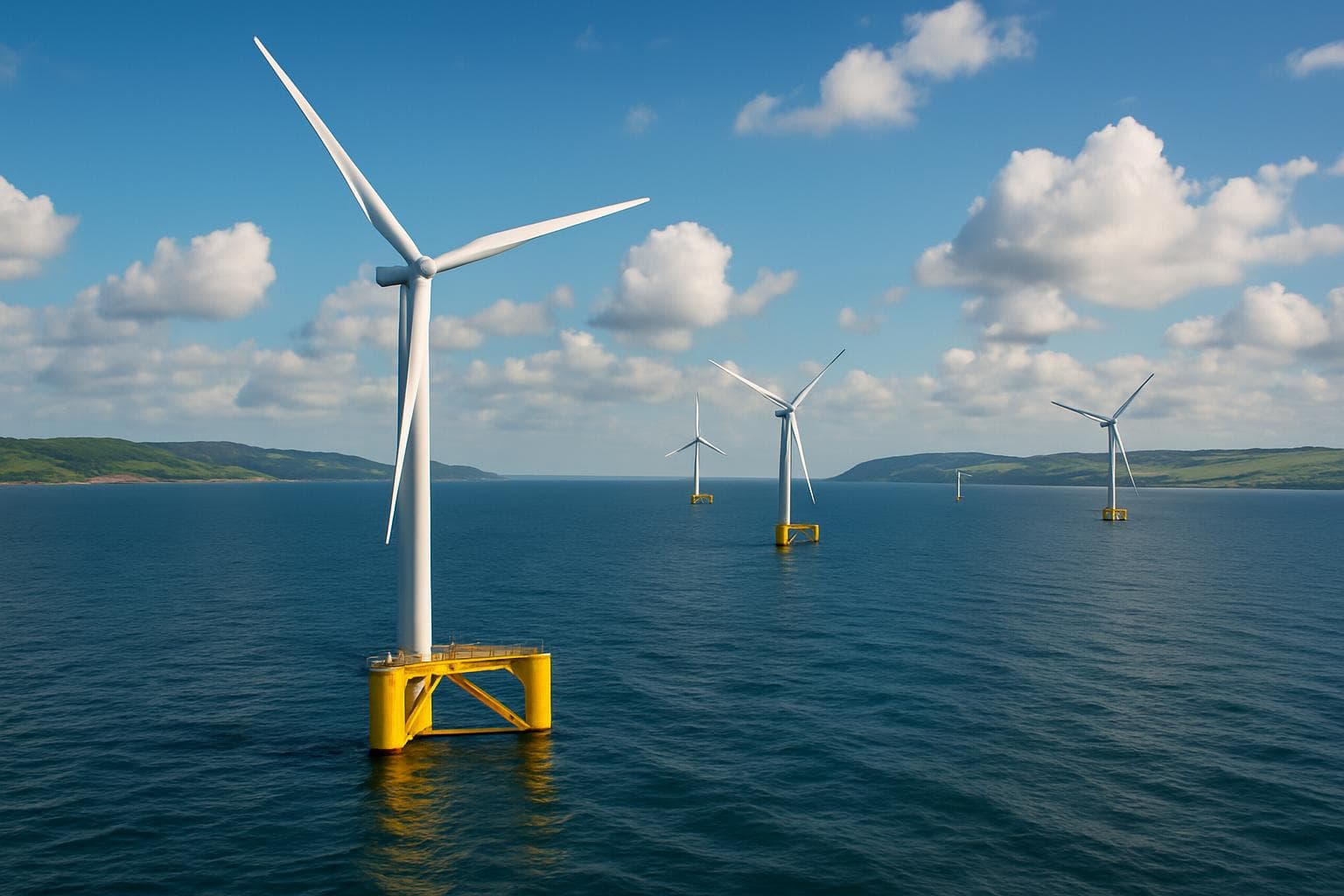
The UK is set to embark on a transformative journey in renewable energy with the development of new floating wind farms off the coasts of south Wales and south-west England. These ambitious projects, announced by the UK government, are expected to power four million homes and create thousands of jobs, marking a significant step towards energy security and economic growth.
Major Investment and Economic Impact
The Crown Estate, which manages the seabed around England, Wales, and Northern Ireland, is spearheading this initiative with a £400 million investment in the offshore wind supply chain. Partnering with Equinor and Gwynt Glas, a joint venture between EDF Renewables UK and ESB, the project is poised to deliver a £1.4 billion boost to the UK economy. The turbines, towering up to 300 meters, will be assembled in Port Talbot and Bristol, with operations anticipated by the early 2030s.
Job Creation and Youth Opportunities
The wind farms are expected to create 5,300 new jobs, with a particular emphasis on youth employment. The project includes commitments to ensure that a minimum of 10% of employees are young people not currently in education, employment, or training. Welsh Secretary Jo Stevens highlighted the project's potential to offer "jobs, lower energy bills, and energy security from a clean and renewable source."
A Vision for the Future
Energy Secretary Ed Miliband described the initiative as "transformative" for economic growth in Wales and the south-west, unlocking thousands of jobs and bolstering energy security. The Crown Estate's Rebecca Williams emphasized the long-term benefits, stating that the project would have a "positive impact for generations to come."
Community and Environmental Benefits
The wind farms, located far out to sea, are designed to minimize visual impact while maximizing environmental benefits. Sustainability consultant Andy Middleton hailed the project as "fantastic news for future generations," underscoring its potential to inspire young people to pursue careers in renewable energy.
WHAT THIS MIGHT MEAN
As the UK moves forward with these floating wind farms, the potential for economic revitalization in regions like Wales and south-west England is significant. The focus on renewable energy not only promises to reduce carbon emissions but also positions the UK as a leader in offshore wind technology. However, the success of these projects will depend on effective collaboration between government, industry, and local communities to ensure that the economic and environmental benefits are fully realized. As the world increasingly turns to clean energy solutions, the UK's commitment to offshore wind power could serve as a model for other nations seeking sustainable growth.
Related Articles

Saharan Dust to Illuminate UK Skies with Vivid Sunrises and Sunsets
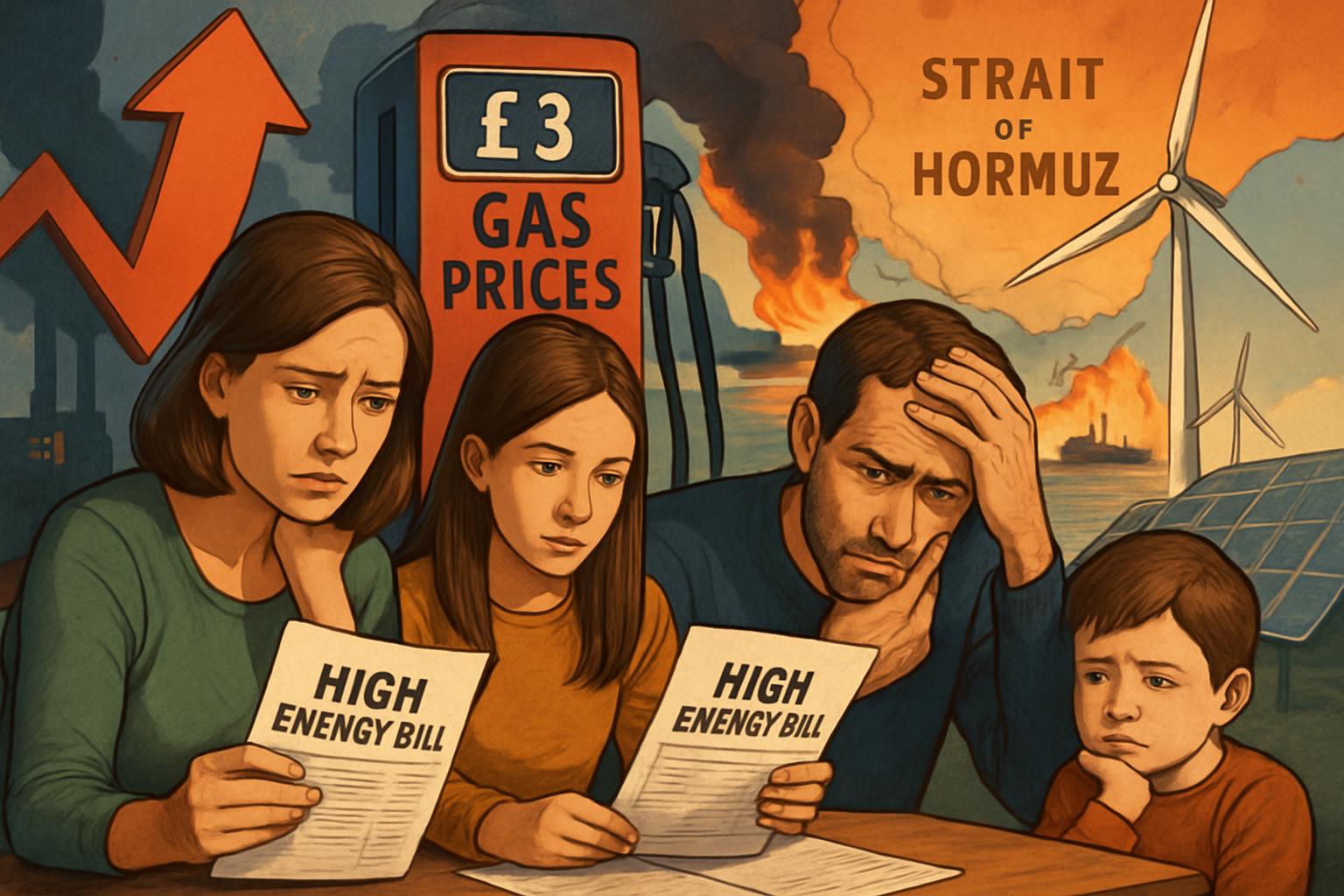
Middle East Conflict Drives UK Energy Prices to New Highs

Police Federation Chief Arrested Amid Fraud Investigation

Trump's New Tariff Strategy Sparks Global Trade Uncertainty

Government Announces £4 Billion Overhaul of SEND Support in England

Canada and Australia Forge Strategic Partnership Amid Global Uncertainty
Floating Wind Farms to Transform UK Energy Landscape
In This Article
 Daniel Rivera| Published
 HIGHLIGHTS
- New floating wind farms off the coasts of Wales and south-west England are set to power four million homes and create 5,300 jobs.
- The Crown Estate, in partnership with Equinor and Gwynt Glas, is investing £400 million in the UK's offshore wind supply chain.
- The turbines, some of the largest in the world, will be assembled in Port Talbot and Bristol, with operations expected by the early 2030s.
- The project promises significant economic growth and energy security, with a £1.4 billion boost to the UK economy.
- A focus on youth employment includes guarantees for apprenticeships and jobs for young people in the renewable energy sector.
The UK is set to embark on a transformative journey in renewable energy with the development of new floating wind farms off the coasts of south Wales and south-west England. These ambitious projects, announced by the UK government, are expected to power four million homes and create thousands of jobs, marking a significant step towards energy security and economic growth.
Major Investment and Economic Impact
The Crown Estate, which manages the seabed around England, Wales, and Northern Ireland, is spearheading this initiative with a £400 million investment in the offshore wind supply chain. Partnering with Equinor and Gwynt Glas, a joint venture between EDF Renewables UK and ESB, the project is poised to deliver a £1.4 billion boost to the UK economy. The turbines, towering up to 300 meters, will be assembled in Port Talbot and Bristol, with operations anticipated by the early 2030s.
Job Creation and Youth Opportunities
The wind farms are expected to create 5,300 new jobs, with a particular emphasis on youth employment. The project includes commitments to ensure that a minimum of 10% of employees are young people not currently in education, employment, or training. Welsh Secretary Jo Stevens highlighted the project's potential to offer "jobs, lower energy bills, and energy security from a clean and renewable source."
A Vision for the Future
Energy Secretary Ed Miliband described the initiative as "transformative" for economic growth in Wales and the south-west, unlocking thousands of jobs and bolstering energy security. The Crown Estate's Rebecca Williams emphasized the long-term benefits, stating that the project would have a "positive impact for generations to come."
Community and Environmental Benefits
The wind farms, located far out to sea, are designed to minimize visual impact while maximizing environmental benefits. Sustainability consultant Andy Middleton hailed the project as "fantastic news for future generations," underscoring its potential to inspire young people to pursue careers in renewable energy.
WHAT THIS MIGHT MEAN
As the UK moves forward with these floating wind farms, the potential for economic revitalization in regions like Wales and south-west England is significant. The focus on renewable energy not only promises to reduce carbon emissions but also positions the UK as a leader in offshore wind technology. However, the success of these projects will depend on effective collaboration between government, industry, and local communities to ensure that the economic and environmental benefits are fully realized. As the world increasingly turns to clean energy solutions, the UK's commitment to offshore wind power could serve as a model for other nations seeking sustainable growth.
Related Articles
Saharan Dust to Illuminate UK Skies with Vivid Sunrises and Sunsets
Middle East Conflict Drives UK Energy Prices to New Highs
Police Federation Chief Arrested Amid Fraud Investigation
Trump's New Tariff Strategy Sparks Global Trade Uncertainty
Government Announces £4 Billion Overhaul of SEND Support in England
Canada and Australia Forge Strategic Partnership Amid Global Uncertainty