
Calls for Higher Taxes on UK Gambling Firms Amid Rising Profits
In This Article
HIGHLIGHTS
- UK gambling firms earned an additional £1bn in the year to March, prompting calls for increased taxes on online gambling.
- Online casino games, deemed highly addictive, contributed significantly to the industry's £12.6bn revenue.
- Sinn Féin's Philip McGuigan and other campaigners urge higher taxes on harmful gambling forms to mitigate social harm.
- The Betting and Gaming Council warns that increased taxes could drive punters to unregulated markets and threaten jobs.
- The UK government is considering harmonizing online gambling taxes, with potential announcements in the upcoming Budget.
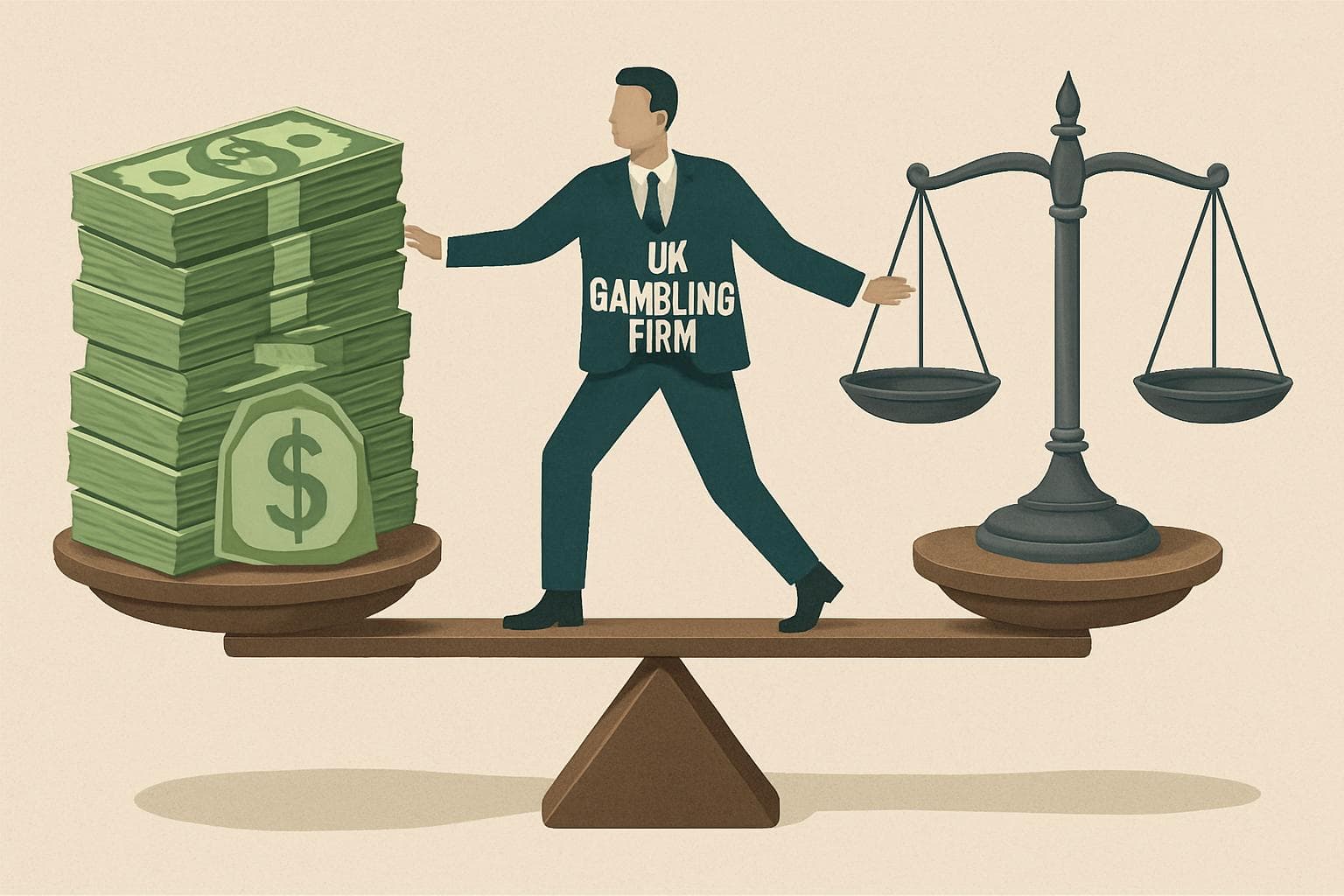
The UK gambling industry is under scrutiny as it reports a £1bn increase in profits, intensifying calls for higher taxes on online gambling. In the year leading up to March, gambling companies amassed £12.6bn, excluding lotteries, marking a 9.3% rise from the previous year, according to the Gambling Commission. This surge is largely attributed to a 15% increase in gross gambling yield from online casino players, now 55% higher than at the onset of the COVID-19 pandemic.
Calls for Tax Reform
Campaigners, including Sinn Féin assembly member Philip McGuigan, are urging the government to impose higher taxes on the most harmful forms of online gambling, such as slots and roulette. McGuigan, who has personally experienced the addictive nature of online gambling, argues that these games are designed to encourage relentless betting. "Every day is a day in recovery," he shared, highlighting the predatory tactics used by gambling sites to lure back self-excluded users.
Former Prime Minister Gordon Brown and Iain Duncan Smith, chair of a cross-parliamentary group on gambling harm, echo these sentiments. They advocate for increased taxes on addictive gambling products to address the social ills they cause, particularly in deprived communities.
Industry Concerns and Government Response
The Betting and Gaming Council, however, cautions that higher taxes could push punters towards unregulated markets and jeopardize jobs. Grainne Hurst, the council's chief executive, denied that gambling creates social harms and warned against potential tax hikes.
Despite industry lobbying, the UK government is considering harmonizing online gambling taxes, with potential announcements expected in the upcoming Budget. Chancellor Rachel Reeves hinted at this possibility, stating that gambling firms should pay their fair share of taxes.
Potential Impact on the Industry
Some gambling firms, like Betfred and William Hill, have threatened to close betting shops if taxes rise. Betfred's CEO, Joanne Whittaker, warned that even modest tax increases could have a "devastating impact" on the industry.
WHAT THIS MIGHT MEAN
As the UK government deliberates on potential tax reforms, the gambling industry faces significant uncertainty. Should the government proceed with higher taxes, it could lead to a reshaping of the sector, with possible closures of betting shops and a shift towards online platforms. Conversely, failing to address the calls for reform may perpetuate the social harms associated with addictive gambling. Experts suggest that a balanced approach, considering both economic and social factors, is crucial to achieving sustainable regulation. The upcoming Budget announcement will be pivotal in determining the future landscape of the UK's gambling industry.
Related Articles
Middle East Conflict Drives UK Energy Prices to New Highs
Canada and Australia Forge Strategic Partnership Amid Global Uncertainty
UK Government to Reform Asylum Seeker Support and Employment Policies

UK Faces Dilemmas Amid Iran Conflict and China Spying Allegations

UK Reinforces Military Presence in Cyprus Amid Middle East Tensions

Police Federation Chief Arrested Amid Fraud Investigation
Calls for Higher Taxes on UK Gambling Firms Amid Rising Profits
In This Article
 Marcus Blake| Published
 HIGHLIGHTS
- UK gambling firms earned an additional £1bn in the year to March, prompting calls for increased taxes on online gambling.
- Online casino games, deemed highly addictive, contributed significantly to the industry's £12.6bn revenue.
- Sinn Féin's Philip McGuigan and other campaigners urge higher taxes on harmful gambling forms to mitigate social harm.
- The Betting and Gaming Council warns that increased taxes could drive punters to unregulated markets and threaten jobs.
- The UK government is considering harmonizing online gambling taxes, with potential announcements in the upcoming Budget.
The UK gambling industry is under scrutiny as it reports a £1bn increase in profits, intensifying calls for higher taxes on online gambling. In the year leading up to March, gambling companies amassed £12.6bn, excluding lotteries, marking a 9.3% rise from the previous year, according to the Gambling Commission. This surge is largely attributed to a 15% increase in gross gambling yield from online casino players, now 55% higher than at the onset of the COVID-19 pandemic.
Calls for Tax Reform
Campaigners, including Sinn Féin assembly member Philip McGuigan, are urging the government to impose higher taxes on the most harmful forms of online gambling, such as slots and roulette. McGuigan, who has personally experienced the addictive nature of online gambling, argues that these games are designed to encourage relentless betting. "Every day is a day in recovery," he shared, highlighting the predatory tactics used by gambling sites to lure back self-excluded users.
Former Prime Minister Gordon Brown and Iain Duncan Smith, chair of a cross-parliamentary group on gambling harm, echo these sentiments. They advocate for increased taxes on addictive gambling products to address the social ills they cause, particularly in deprived communities.
Industry Concerns and Government Response
The Betting and Gaming Council, however, cautions that higher taxes could push punters towards unregulated markets and jeopardize jobs. Grainne Hurst, the council's chief executive, denied that gambling creates social harms and warned against potential tax hikes.
Despite industry lobbying, the UK government is considering harmonizing online gambling taxes, with potential announcements expected in the upcoming Budget. Chancellor Rachel Reeves hinted at this possibility, stating that gambling firms should pay their fair share of taxes.
Potential Impact on the Industry
Some gambling firms, like Betfred and William Hill, have threatened to close betting shops if taxes rise. Betfred's CEO, Joanne Whittaker, warned that even modest tax increases could have a "devastating impact" on the industry.
WHAT THIS MIGHT MEAN
As the UK government deliberates on potential tax reforms, the gambling industry faces significant uncertainty. Should the government proceed with higher taxes, it could lead to a reshaping of the sector, with possible closures of betting shops and a shift towards online platforms. Conversely, failing to address the calls for reform may perpetuate the social harms associated with addictive gambling. Experts suggest that a balanced approach, considering both economic and social factors, is crucial to achieving sustainable regulation. The upcoming Budget announcement will be pivotal in determining the future landscape of the UK's gambling industry.
Related Articles
Middle East Conflict Drives UK Energy Prices to New Highs
Canada and Australia Forge Strategic Partnership Amid Global Uncertainty
UK Government to Reform Asylum Seeker Support and Employment Policies
UK Faces Dilemmas Amid Iran Conflict and China Spying Allegations
UK Reinforces Military Presence in Cyprus Amid Middle East Tensions
Police Federation Chief Arrested Amid Fraud Investigation