
UK Government Reverses Mandatory Digital ID Plans Amid Criticism
In This Article
HIGHLIGHTS
- The UK government has reversed its decision to make digital IDs mandatory for proving the right to work, opting for a voluntary system instead.
- By 2029, digital right to work checks will be implemented, but registration for digital IDs will remain optional.
- The policy shift follows criticism and a petition signed by nearly three million people opposing mandatory digital IDs.
- The government plans to launch a public consultation to refine the digital ID system, emphasizing its benefits for public services.
- Opposition parties have criticized the move as another government U-turn, with calls to redirect funds to the NHS and policing.
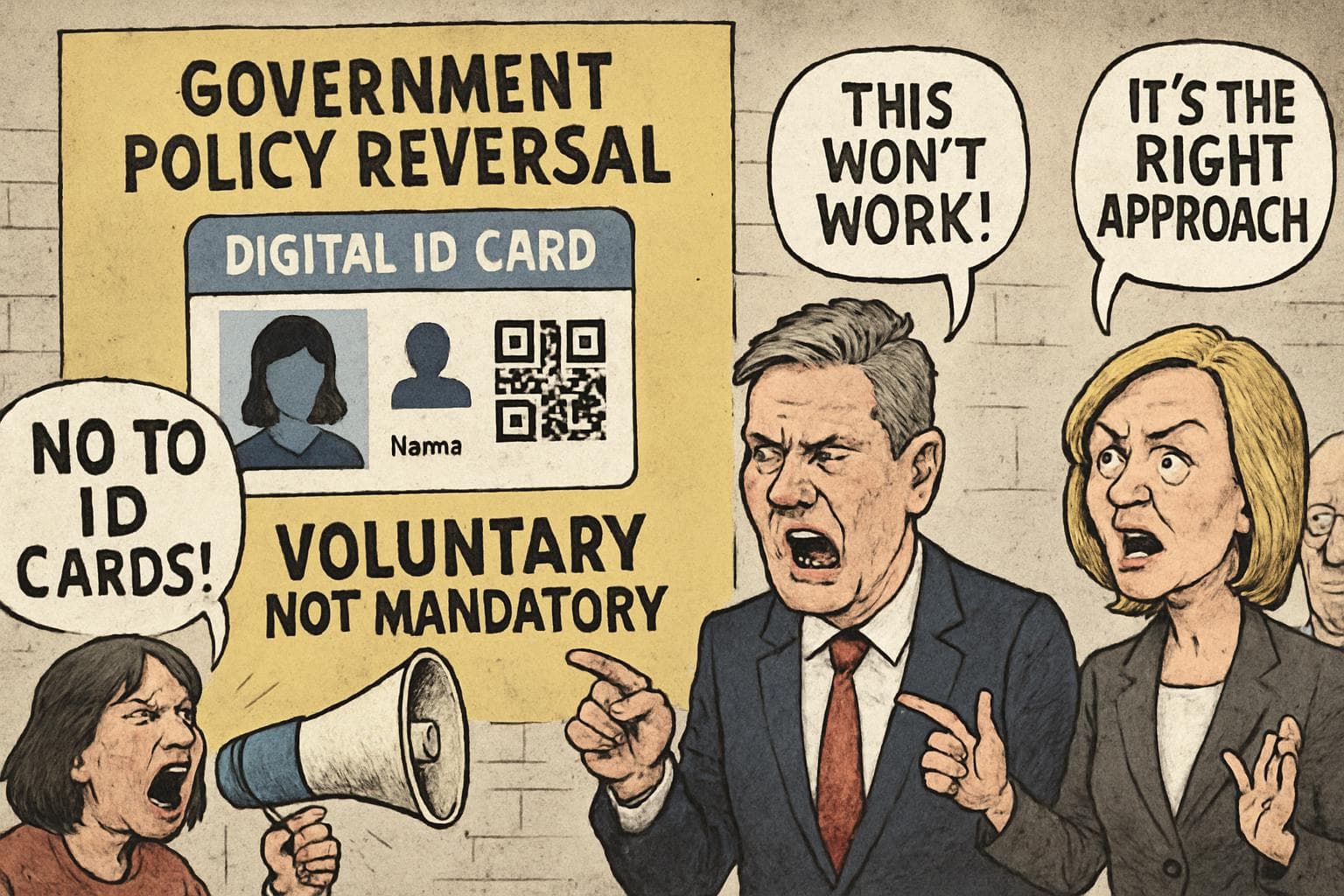
The UK government has announced a significant policy reversal, deciding against making digital IDs mandatory for workers to prove their right to work in the country. This decision marks a departure from earlier plans that would have required all workers to register for a digital ID by 2029. Instead, the government will implement digital right to work checks, allowing individuals to opt into the digital ID system voluntarily.
Policy Reversal and Public Response
The initial proposal, announced last year, faced widespread criticism and sparked a parliamentary petition signed by nearly three million people. Critics argued that mandatory digital IDs would infringe on individual liberties and could lead to increased state control. In response to these concerns, the government has shifted its focus, emphasizing the potential benefits of digital IDs for accessing public services rather than solely as a tool for immigration control.
Political Reactions and Criticism
The policy reversal has been met with mixed reactions from political leaders. Conservative leader Kemi Badenoch described the move as a "terrible policy" and welcomed its abandonment. Meanwhile, the Liberal Democrats and Reform UK have criticized the government for its frequent policy U-turns, with Reform UK leader Nigel Farage celebrating the decision as a victory for individual liberty. Labour MPs have also expressed concerns over the initial mandatory aspect of the proposal.
Future Plans and Consultation
Despite the policy shift, the government remains committed to implementing digital right to work checks by 2029. A public consultation is set to be launched to gather input on the digital ID system's design and functionality. Darren Jones, the minister responsible for the policy rollout, expressed confidence that public opinion on digital IDs would improve following the consultation. The government aims to demonstrate how digital IDs can enhance public services, making them more personal and effective.
WHAT THIS MIGHT MEAN
The government's decision to make digital IDs optional could lead to a more favorable public perception, potentially easing concerns about privacy and state control. However, the success of the digital ID system will largely depend on the outcomes of the upcoming public consultation and the government's ability to address the criticisms raised. Politically, this reversal may fuel further debate about the government's policy consistency and its impact on public trust. As the consultation progresses, stakeholders will be keen to see how the government balances the need for effective immigration control with the protection of individual freedoms.
Related Articles

UK Government Considers Removing Andrew Mountbatten-Windsor from Royal Succession Amid Arrest

Government U-turn on Local Election Delays Sparks Political Fallout

Starmer Condemns Reform UK's Plan to Repeal Equality Act as Un-British

Unlawful Ban on Palestine Action and Other UK Political Developments

Reform UK Aims to Reshape Welsh Politics with New Manifesto

UK-Iran Tensions: Starmer Defends Cautious Approach Amid Trump Criticism
UK Government Reverses Mandatory Digital ID Plans Amid Criticism
In This Article
 Ethan Brooks| Published
 HIGHLIGHTS
- The UK government has reversed its decision to make digital IDs mandatory for proving the right to work, opting for a voluntary system instead.
- By 2029, digital right to work checks will be implemented, but registration for digital IDs will remain optional.
- The policy shift follows criticism and a petition signed by nearly three million people opposing mandatory digital IDs.
- The government plans to launch a public consultation to refine the digital ID system, emphasizing its benefits for public services.
- Opposition parties have criticized the move as another government U-turn, with calls to redirect funds to the NHS and policing.
The UK government has announced a significant policy reversal, deciding against making digital IDs mandatory for workers to prove their right to work in the country. This decision marks a departure from earlier plans that would have required all workers to register for a digital ID by 2029. Instead, the government will implement digital right to work checks, allowing individuals to opt into the digital ID system voluntarily.
Policy Reversal and Public Response
The initial proposal, announced last year, faced widespread criticism and sparked a parliamentary petition signed by nearly three million people. Critics argued that mandatory digital IDs would infringe on individual liberties and could lead to increased state control. In response to these concerns, the government has shifted its focus, emphasizing the potential benefits of digital IDs for accessing public services rather than solely as a tool for immigration control.
Political Reactions and Criticism
The policy reversal has been met with mixed reactions from political leaders. Conservative leader Kemi Badenoch described the move as a "terrible policy" and welcomed its abandonment. Meanwhile, the Liberal Democrats and Reform UK have criticized the government for its frequent policy U-turns, with Reform UK leader Nigel Farage celebrating the decision as a victory for individual liberty. Labour MPs have also expressed concerns over the initial mandatory aspect of the proposal.
Future Plans and Consultation
Despite the policy shift, the government remains committed to implementing digital right to work checks by 2029. A public consultation is set to be launched to gather input on the digital ID system's design and functionality. Darren Jones, the minister responsible for the policy rollout, expressed confidence that public opinion on digital IDs would improve following the consultation. The government aims to demonstrate how digital IDs can enhance public services, making them more personal and effective.
WHAT THIS MIGHT MEAN
The government's decision to make digital IDs optional could lead to a more favorable public perception, potentially easing concerns about privacy and state control. However, the success of the digital ID system will largely depend on the outcomes of the upcoming public consultation and the government's ability to address the criticisms raised. Politically, this reversal may fuel further debate about the government's policy consistency and its impact on public trust. As the consultation progresses, stakeholders will be keen to see how the government balances the need for effective immigration control with the protection of individual freedoms.
Related Articles
UK Government Considers Removing Andrew Mountbatten-Windsor from Royal Succession Amid Arrest
Government U-turn on Local Election Delays Sparks Political Fallout
Starmer Condemns Reform UK's Plan to Repeal Equality Act as Un-British
Unlawful Ban on Palestine Action and Other UK Political Developments
Reform UK Aims to Reshape Welsh Politics with New Manifesto
UK-Iran Tensions: Starmer Defends Cautious Approach Amid Trump Criticism