
UK Faces Heatwave and Pollution Alerts Amid Rising Temperatures
In This Article
HIGHLIGHTS
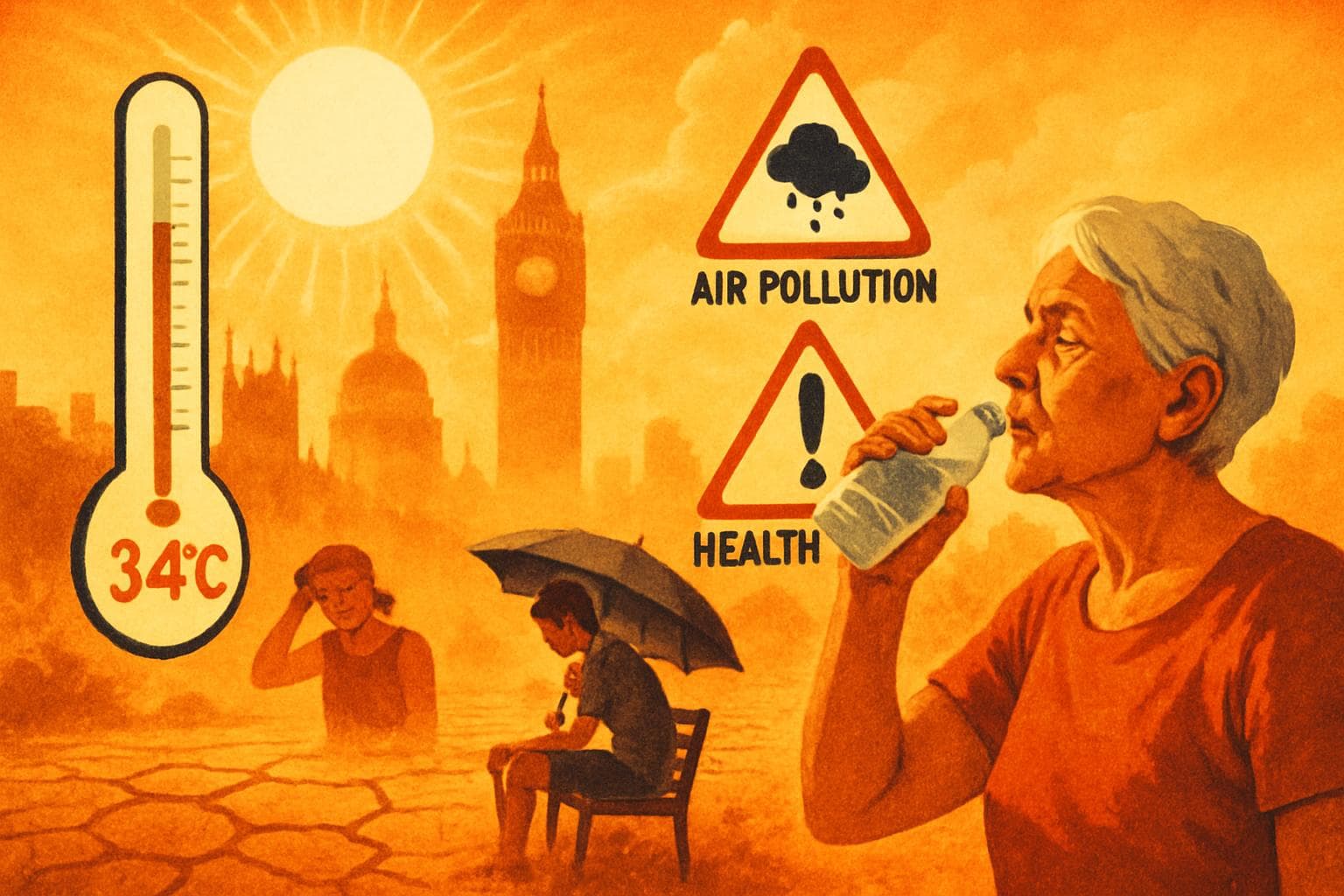
- London issued a high air pollution alert as temperatures are expected to exceed 30°C, exacerbating health risks.
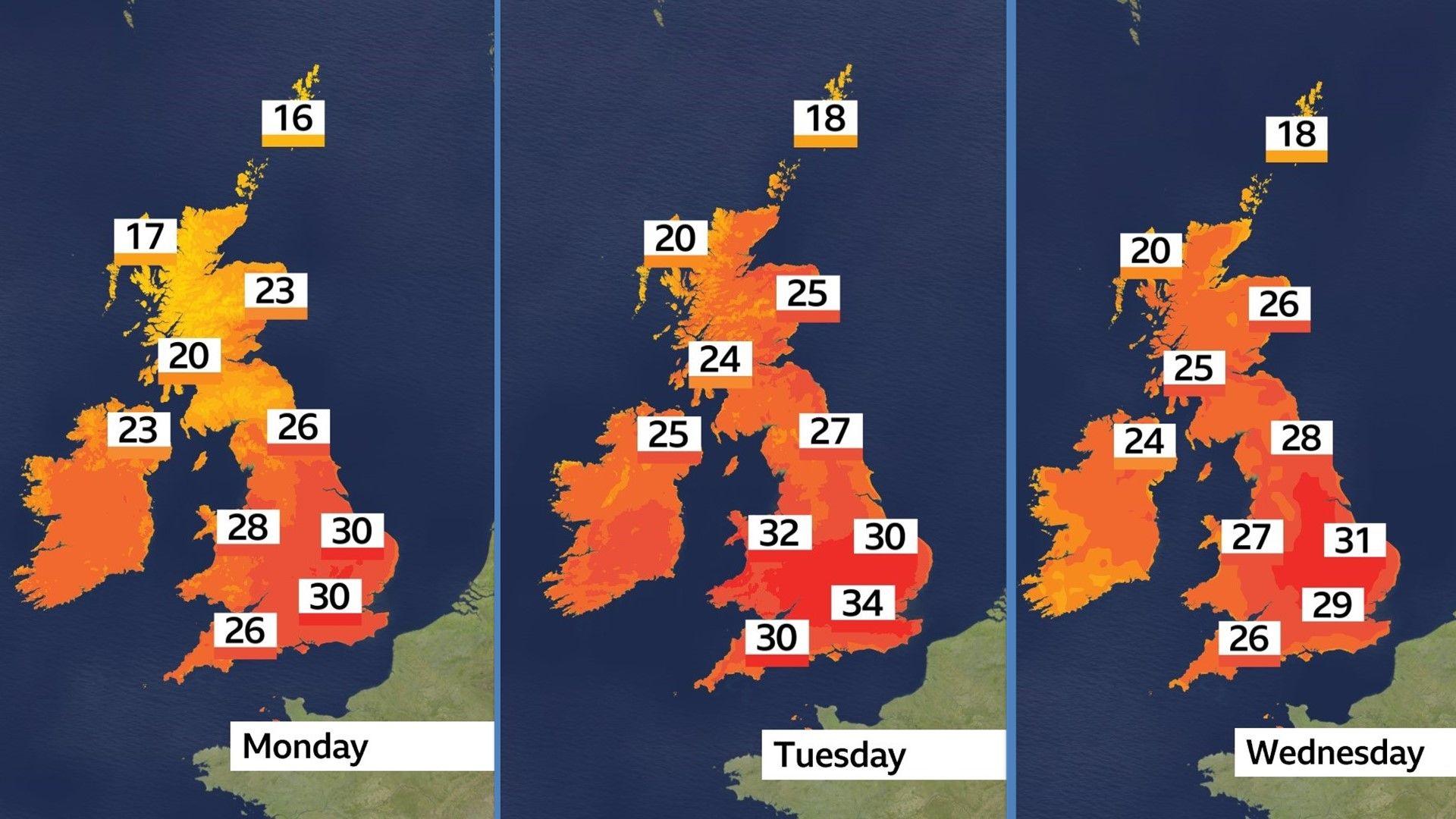
- The UK Health Security Agency has issued amber heat health warnings for parts of England, with temperatures potentially reaching 34°C.
- Hospitals report increased A&E visits due to the heatwave, with vulnerable groups at higher risk.
- The national drought group warns of significant water shortages impacting agriculture and wildlife across England.
- Experts highlight the role of climate change in intensifying extreme weather events, urging public precautions.
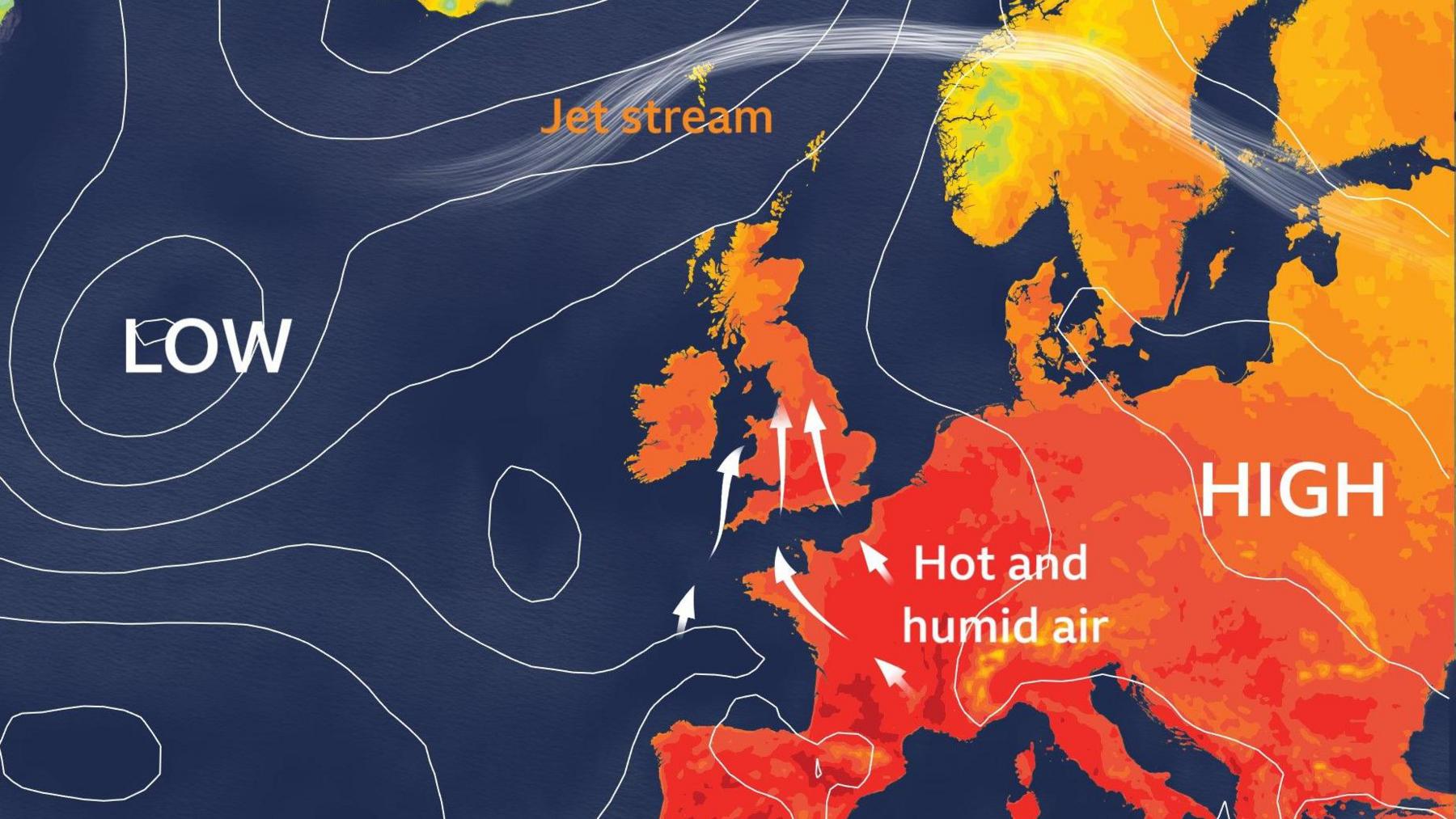
As the UK braces for soaring temperatures, authorities have issued a series of heat and pollution alerts across the country. London is under a high air pollution warning, with temperatures forecast to climb above 30°C. The alert, triggered by City Hall and based on predictions from Imperial College London, highlights the risk of increased ozone levels due to strong sunshine and airflow from mainland Europe. Deputy Mayor Mete Coban emphasized the link between London's "toxic air" and approximately 4,000 premature deaths annually, urging residents to minimize pollution by avoiding idling engines and burning waste.
Meanwhile, the UK Health Security Agency has issued amber heat health warnings for several regions, including London, the East Midlands, and the South East, as temperatures are expected to peak at 34°C. The agency warns of potential disruptions to travel and healthcare services, with vulnerable populations, such as the elderly and those with pre-existing conditions, at heightened risk.
Hospital emergency departments have reported a surge in visits due to heat-related illnesses. Dr. Sohail Abbas from the NHS West Yorkshire Integrated Care Board advises the public to stay hydrated, avoid the sun during peak hours, and check on vulnerable neighbors. Symptoms of heat exhaustion, such as dizziness and excessive sweating, should be addressed promptly to prevent escalation to heatstroke.
The national drought group has raised concerns over "nationally significant" water shortages affecting agriculture and wildlife. The ongoing heatwave, driven by high pressure from Europe, is exacerbating these conditions, with some areas experiencing their fourth heatwave of the summer.
Experts attribute the intensifying extreme weather to climate change, urging the public to take necessary precautions. Dr. Paul Coleman from the UKHSA stresses the importance of community awareness and support for vulnerable individuals during these challenging conditions.
WHAT THIS MIGHT MEAN
As the heatwave persists, the UK may face increased pressure on healthcare services and infrastructure. The ongoing drought could lead to further agricultural challenges, impacting food supply and prices. Policymakers may need to consider long-term strategies to mitigate the effects of climate change, such as improving housing insulation and water management systems. Public health campaigns will be crucial in educating the population on heat safety and pollution reduction measures. The situation underscores the urgent need for global cooperation in addressing climate change to prevent more frequent and severe weather events.
Images from the Web


Related Articles

Saharan Dust to Illuminate UK Skies with Vivid Sunrises and Sunsets

Canada and Australia Forge Strategic Partnership Amid Global Uncertainty

UK Government to Reform Asylum Seeker Support and Employment Policies

Middle East Conflict Drives UK Energy Prices to New Highs

UK Faces Dilemmas Amid Iran Conflict and China Spying Allegations

South West Water Faces Legal Repercussions Over Devon Parasite Outbreak
UK Faces Heatwave and Pollution Alerts Amid Rising Temperatures
In This Article
 Leila Hassan| Published
 HIGHLIGHTS
- London issued a high air pollution alert as temperatures are expected to exceed 30°C, exacerbating health risks.
- The UK Health Security Agency has issued amber heat health warnings for parts of England, with temperatures potentially reaching 34°C.
- Hospitals report increased A&E visits due to the heatwave, with vulnerable groups at higher risk.
- The national drought group warns of significant water shortages impacting agriculture and wildlife across England.
- Experts highlight the role of climate change in intensifying extreme weather events, urging public precautions.
As the UK braces for soaring temperatures, authorities have issued a series of heat and pollution alerts across the country. London is under a high air pollution warning, with temperatures forecast to climb above 30°C. The alert, triggered by City Hall and based on predictions from Imperial College London, highlights the risk of increased ozone levels due to strong sunshine and airflow from mainland Europe. Deputy Mayor Mete Coban emphasized the link between London's "toxic air" and approximately 4,000 premature deaths annually, urging residents to minimize pollution by avoiding idling engines and burning waste.
Meanwhile, the UK Health Security Agency has issued amber heat health warnings for several regions, including London, the East Midlands, and the South East, as temperatures are expected to peak at 34°C. The agency warns of potential disruptions to travel and healthcare services, with vulnerable populations, such as the elderly and those with pre-existing conditions, at heightened risk.
Hospital emergency departments have reported a surge in visits due to heat-related illnesses. Dr. Sohail Abbas from the NHS West Yorkshire Integrated Care Board advises the public to stay hydrated, avoid the sun during peak hours, and check on vulnerable neighbors. Symptoms of heat exhaustion, such as dizziness and excessive sweating, should be addressed promptly to prevent escalation to heatstroke.
The national drought group has raised concerns over "nationally significant" water shortages affecting agriculture and wildlife. The ongoing heatwave, driven by high pressure from Europe, is exacerbating these conditions, with some areas experiencing their fourth heatwave of the summer.
Experts attribute the intensifying extreme weather to climate change, urging the public to take necessary precautions. Dr. Paul Coleman from the UKHSA stresses the importance of community awareness and support for vulnerable individuals during these challenging conditions.
WHAT THIS MIGHT MEAN
As the heatwave persists, the UK may face increased pressure on healthcare services and infrastructure. The ongoing drought could lead to further agricultural challenges, impacting food supply and prices. Policymakers may need to consider long-term strategies to mitigate the effects of climate change, such as improving housing insulation and water management systems. Public health campaigns will be crucial in educating the population on heat safety and pollution reduction measures. The situation underscores the urgent need for global cooperation in addressing climate change to prevent more frequent and severe weather events.
Images from the Web
Related Articles
Saharan Dust to Illuminate UK Skies with Vivid Sunrises and Sunsets
Canada and Australia Forge Strategic Partnership Amid Global Uncertainty
UK Government to Reform Asylum Seeker Support and Employment Policies
Middle East Conflict Drives UK Energy Prices to New Highs
UK Faces Dilemmas Amid Iran Conflict and China Spying Allegations
South West Water Faces Legal Repercussions Over Devon Parasite Outbreak