
Historic UK-India Trade Deal Promises Economic Boost and Job Creation
In This Article
HIGHLIGHTS
- The UK and India have signed a landmark free trade agreement projected to boost the UK economy by £4.8 billion annually.
- The deal, finalized after three years of negotiations, will reduce tariffs on UK goods from 15% to 3%, benefiting industries like whisky and aerospace.
- Critics argue the agreement lacks sufficient protections for labor rights and environmental standards, raising concerns over India's human rights record.
- The agreement still requires ratification by both the UK and Indian parliaments, a process expected to take several months.
- The deal is anticipated to create over 2,200 jobs in the UK as Indian firms expand operations and British companies gain new market access.
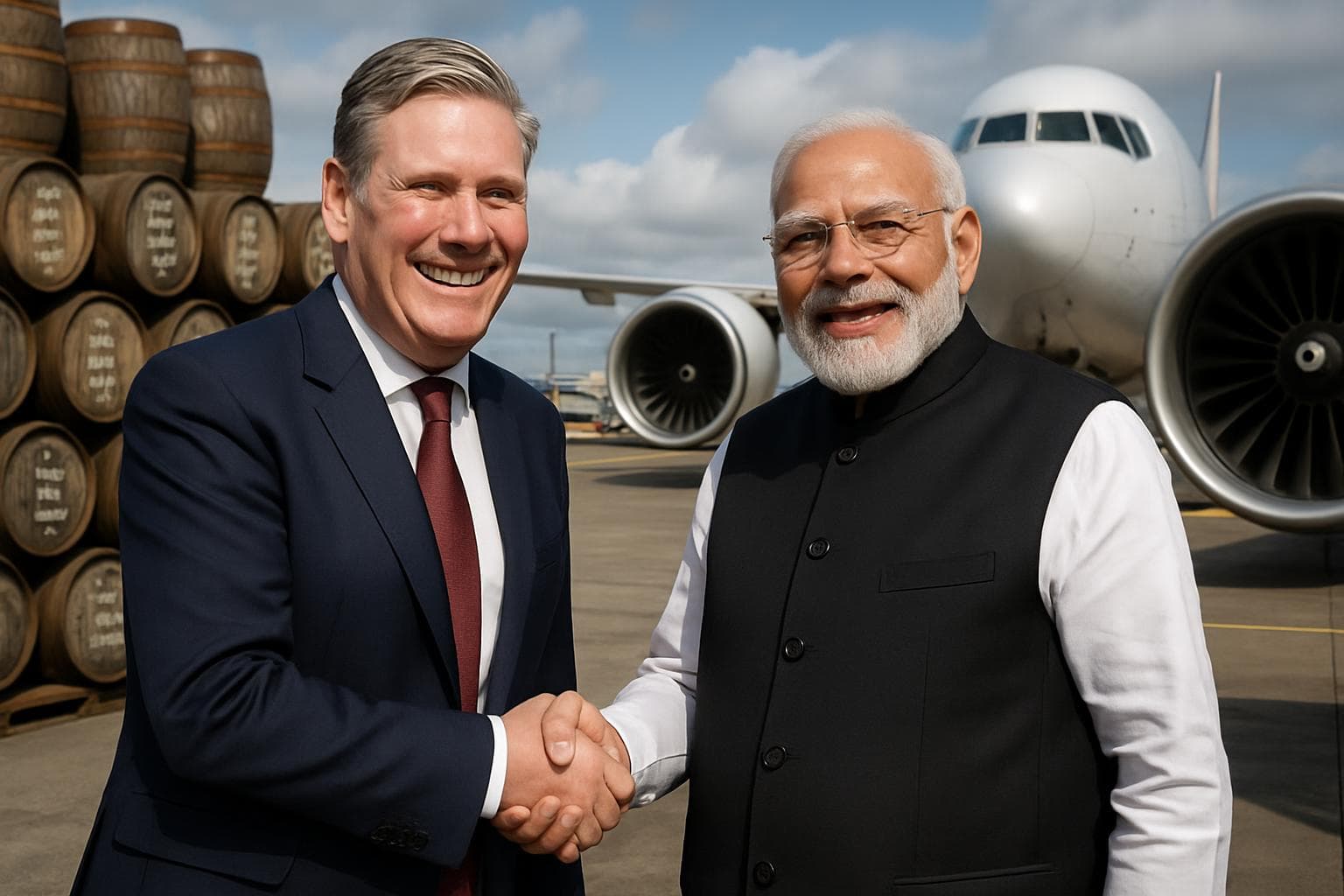
In a significant development for international trade, the United Kingdom and India have signed a free trade agreement projected to enhance the UK economy by £4.8 billion annually. The deal, hailed as a "historic day" by UK Prime Minister Keir Starmer and Indian Prime Minister Narendra Modi, marks a pivotal moment in the bilateral relations between the two nations.
Economic Impact and Tariff Reductions
The agreement, finalized after more than three years of negotiations, promises to reduce tariffs on UK goods from an average of 15% to just 3%. This reduction is expected to benefit key industries, including whisky and aerospace, by making exports more competitive in the Indian market. The UK government anticipates that the deal will create over 2,200 jobs across the country as Indian firms expand their operations in the UK and British companies secure new business opportunities in India.
Criticism and Concerns
Despite the optimistic projections, the trade deal has faced criticism for its perceived shortcomings. Critics, including the Trade Justice Movement, argue that the agreement lacks binding protections for labor rights and environmental standards. Concerns have also been raised about India's human rights record and the absence of robust climate safeguards, particularly regarding coal extraction.
Ratification and Future Prospects
The agreement, which still requires ratification by both the UK and Indian parliaments, is expected to take several months to come into effect. During this period, negotiations will continue over a bilateral investment treaty and the UK's proposed carbon border tax, which India opposes. The deal's successful implementation could pave the way for further collaboration between the two countries, strengthening their economic and cultural ties.
Diplomatic Engagements
During his visit to the UK, Prime Minister Modi met with King Charles at Sandringham and attended a business reception. Discussions with Prime Minister Starmer also covered a range of issues, including the ramifications of a recent Air India plane crash and the case of Jagtar Singh Johal, a Sikh activist detained in India since 2017.
WHAT THIS MIGHT MEAN
The UK-India trade deal represents a significant step forward in bilateral relations, with the potential to boost economic growth and job creation. However, the agreement's success will depend on its ratification and the resolution of outstanding issues, such as labor rights and environmental protections. If these challenges are addressed, the deal could serve as a model for future trade agreements, enhancing the UK's global trade network post-Brexit. Additionally, the ongoing negotiations over a bilateral investment treaty and carbon border tax will be crucial in shaping the future economic landscape between the two nations.
Related Articles
Trump's New Tariff Strategy Sparks Global Trade Uncertainty
Trump Raises Import Tariffs to 15% After Supreme Court Setback

US Supreme Court Ruling on Tariffs Sparks Uncertainty for UK and Global Trade
Canada Calls for De-escalation Amid US-Israel Strikes on Iran
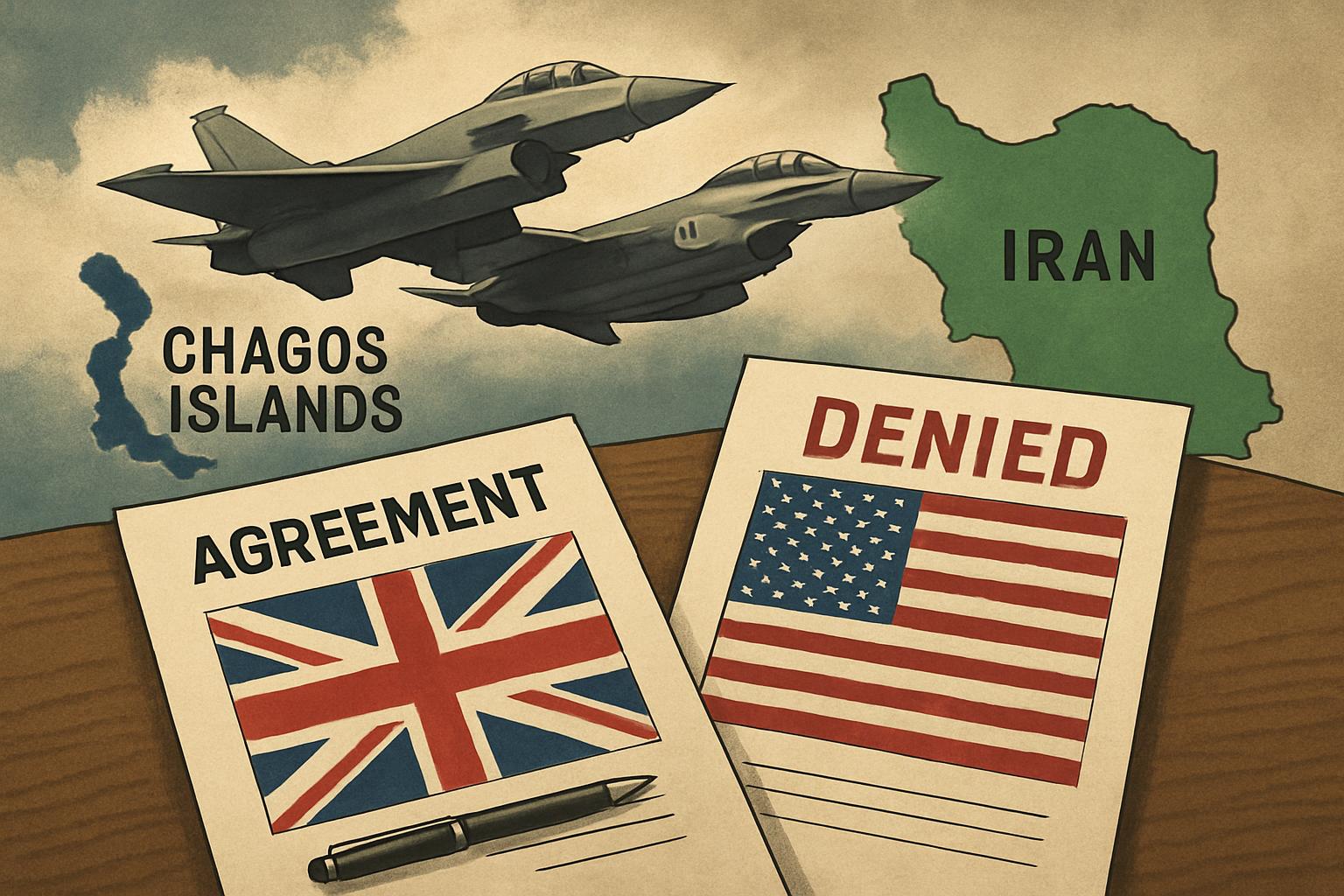
UK Denies US Use of Military Bases for Potential Iran Strikes Amid Chagos Islands Dispute

Breakthrough Drug Offers Hope for Children with Severe Epilepsy
Historic UK-India Trade Deal Promises Economic Boost and Job Creation
In This Article
 Daniel Rivera| Published
 HIGHLIGHTS
- The UK and India have signed a landmark free trade agreement projected to boost the UK economy by £4.8 billion annually.
- The deal, finalized after three years of negotiations, will reduce tariffs on UK goods from 15% to 3%, benefiting industries like whisky and aerospace.
- Critics argue the agreement lacks sufficient protections for labor rights and environmental standards, raising concerns over India's human rights record.
- The agreement still requires ratification by both the UK and Indian parliaments, a process expected to take several months.
- The deal is anticipated to create over 2,200 jobs in the UK as Indian firms expand operations and British companies gain new market access.
In a significant development for international trade, the United Kingdom and India have signed a free trade agreement projected to enhance the UK economy by £4.8 billion annually. The deal, hailed as a "historic day" by UK Prime Minister Keir Starmer and Indian Prime Minister Narendra Modi, marks a pivotal moment in the bilateral relations between the two nations.
Economic Impact and Tariff Reductions
The agreement, finalized after more than three years of negotiations, promises to reduce tariffs on UK goods from an average of 15% to just 3%. This reduction is expected to benefit key industries, including whisky and aerospace, by making exports more competitive in the Indian market. The UK government anticipates that the deal will create over 2,200 jobs across the country as Indian firms expand their operations in the UK and British companies secure new business opportunities in India.
Criticism and Concerns
Despite the optimistic projections, the trade deal has faced criticism for its perceived shortcomings. Critics, including the Trade Justice Movement, argue that the agreement lacks binding protections for labor rights and environmental standards. Concerns have also been raised about India's human rights record and the absence of robust climate safeguards, particularly regarding coal extraction.
Ratification and Future Prospects
The agreement, which still requires ratification by both the UK and Indian parliaments, is expected to take several months to come into effect. During this period, negotiations will continue over a bilateral investment treaty and the UK's proposed carbon border tax, which India opposes. The deal's successful implementation could pave the way for further collaboration between the two countries, strengthening their economic and cultural ties.
Diplomatic Engagements
During his visit to the UK, Prime Minister Modi met with King Charles at Sandringham and attended a business reception. Discussions with Prime Minister Starmer also covered a range of issues, including the ramifications of a recent Air India plane crash and the case of Jagtar Singh Johal, a Sikh activist detained in India since 2017.
WHAT THIS MIGHT MEAN
The UK-India trade deal represents a significant step forward in bilateral relations, with the potential to boost economic growth and job creation. However, the agreement's success will depend on its ratification and the resolution of outstanding issues, such as labor rights and environmental protections. If these challenges are addressed, the deal could serve as a model for future trade agreements, enhancing the UK's global trade network post-Brexit. Additionally, the ongoing negotiations over a bilateral investment treaty and carbon border tax will be crucial in shaping the future economic landscape between the two nations.
Related Articles
Trump's New Tariff Strategy Sparks Global Trade Uncertainty
Trump Raises Import Tariffs to 15% After Supreme Court Setback
US Supreme Court Ruling on Tariffs Sparks Uncertainty for UK and Global Trade
Canada Calls for De-escalation Amid US-Israel Strikes on Iran
UK Denies US Use of Military Bases for Potential Iran Strikes Amid Chagos Islands Dispute
Breakthrough Drug Offers Hope for Children with Severe Epilepsy