
UK Infants Affected by Contaminated Baby Formula: Health Agencies Investigate
In This Article
HIGHLIGHTS
- Thirty-six UK infants have shown symptoms of toxin poisoning linked to contaminated baby formula from Nestle and Danone.
- The UK Health Security Agency (UKHSA) and Food Standards Agency (FSA) are investigating the presence of cereulide toxin in recalled products.
- Affected batches include Nestle's SMA infant formulas and Danone's Aptamil, with specific codes listed on company websites.
- The toxin, cereulide, is linked to Bacillus cereus bacteria and causes rapid-onset symptoms like vomiting and diarrhoea.
- Parents are advised to stop using recalled formulas and consult healthcare providers if symptoms appear.
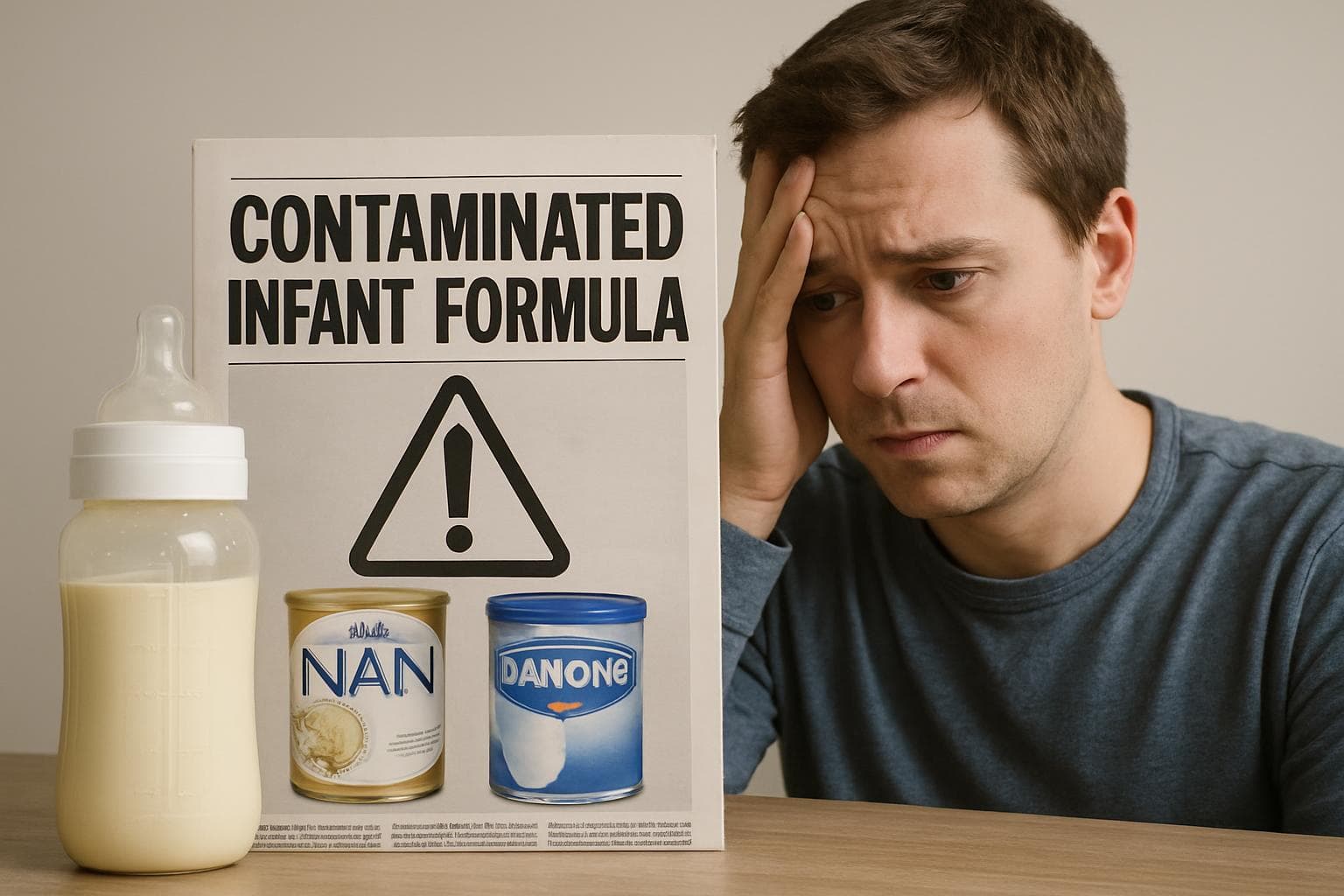
In a concerning development, thirty-six infants across the United Kingdom have exhibited symptoms consistent with toxin poisoning after consuming contaminated baby formula. The UK Health Security Agency (UKHSA) and the Food Standards Agency (FSA) have identified the presence of the cereulide toxin in specific batches of infant formula produced by Nestle and Danone.
Contaminated Batches and Symptoms
The affected products include Nestle's SMA infant and follow-on formulas, as well as Danone's Aptamil first infant formula. The contamination has been traced to arachidonic acid oil, a crucial ingredient in these formulas. Cereulide, a toxin produced by Bacillus cereus bacteria, is known for causing rapid-onset symptoms such as vomiting, stomach cramps, and diarrhoea. These symptoms typically appear within 15 minutes to six hours of ingestion and usually resolve within 24 hours if exposure ceases.
Health Agency Responses
Gauri Godbole, deputy director of gastrointestinal infections at UKHSA, noted that the reports were not unexpected due to the widespread availability of the affected products before the recall. "Current surveillance indicators do not show unusual increases in reports of vomiting in children under the age of one for this time of year," she stated, emphasizing ongoing monitoring and investigation.
The FSA has urged parents to check their homes for any remaining recalled products and to switch to alternative formulas. Parents are also advised to contact their GP or NHS 111 if their child has consumed the affected formula and is showing symptoms.
Global Recall and Investigation
This issue is not confined to the UK, as other countries have reported similar contamination cases. The FSA is collaborating with international partners to trace the supply chain and ensure all affected products are removed from sale. Rebecca Sudworth, FSA's director of policy, stated, "We need to know from manufacturers what went wrong and get assurances from the companies involved that it won't happen again."
WHAT THIS MIGHT MEAN
Moving forward, the UKHSA and FSA will continue to monitor the situation closely, providing updates as necessary. The investigation into the supply chain could lead to stricter regulations and oversight on the production of infant formulas. If further cases arise, there may be increased pressure on manufacturers to enhance quality control measures. The incident underscores the importance of vigilance in food safety, particularly for products intended for vulnerable populations like infants.
Related Articles

Breakthrough Drug Offers Hope for Children with Severe Epilepsy
UK Authorities Warn Against Dangerous Illegal Skin Lightening Products

South West Water Faces Legal Repercussions Over Devon Parasite Outbreak

Trump Raises Import Tariffs to 15% After Supreme Court Setback

Arrest of Andrew Mountbatten-Windsor Captured in Iconic Photograph

UK Denies US Use of Military Bases for Potential Iran Strikes Amid Chagos Islands Dispute
UK Infants Affected by Contaminated Baby Formula: Health Agencies Investigate
In This Article
 Maya Singh| Published
 HIGHLIGHTS
- Thirty-six UK infants have shown symptoms of toxin poisoning linked to contaminated baby formula from Nestle and Danone.
- The UK Health Security Agency (UKHSA) and Food Standards Agency (FSA) are investigating the presence of cereulide toxin in recalled products.
- Affected batches include Nestle's SMA infant formulas and Danone's Aptamil, with specific codes listed on company websites.
- The toxin, cereulide, is linked to Bacillus cereus bacteria and causes rapid-onset symptoms like vomiting and diarrhoea.
- Parents are advised to stop using recalled formulas and consult healthcare providers if symptoms appear.
In a concerning development, thirty-six infants across the United Kingdom have exhibited symptoms consistent with toxin poisoning after consuming contaminated baby formula. The UK Health Security Agency (UKHSA) and the Food Standards Agency (FSA) have identified the presence of the cereulide toxin in specific batches of infant formula produced by Nestle and Danone.
Contaminated Batches and Symptoms
The affected products include Nestle's SMA infant and follow-on formulas, as well as Danone's Aptamil first infant formula. The contamination has been traced to arachidonic acid oil, a crucial ingredient in these formulas. Cereulide, a toxin produced by Bacillus cereus bacteria, is known for causing rapid-onset symptoms such as vomiting, stomach cramps, and diarrhoea. These symptoms typically appear within 15 minutes to six hours of ingestion and usually resolve within 24 hours if exposure ceases.
Health Agency Responses
Gauri Godbole, deputy director of gastrointestinal infections at UKHSA, noted that the reports were not unexpected due to the widespread availability of the affected products before the recall. "Current surveillance indicators do not show unusual increases in reports of vomiting in children under the age of one for this time of year," she stated, emphasizing ongoing monitoring and investigation.
The FSA has urged parents to check their homes for any remaining recalled products and to switch to alternative formulas. Parents are also advised to contact their GP or NHS 111 if their child has consumed the affected formula and is showing symptoms.
Global Recall and Investigation
This issue is not confined to the UK, as other countries have reported similar contamination cases. The FSA is collaborating with international partners to trace the supply chain and ensure all affected products are removed from sale. Rebecca Sudworth, FSA's director of policy, stated, "We need to know from manufacturers what went wrong and get assurances from the companies involved that it won't happen again."
WHAT THIS MIGHT MEAN
Moving forward, the UKHSA and FSA will continue to monitor the situation closely, providing updates as necessary. The investigation into the supply chain could lead to stricter regulations and oversight on the production of infant formulas. If further cases arise, there may be increased pressure on manufacturers to enhance quality control measures. The incident underscores the importance of vigilance in food safety, particularly for products intended for vulnerable populations like infants.
Related Articles
Breakthrough Drug Offers Hope for Children with Severe Epilepsy
UK Authorities Warn Against Dangerous Illegal Skin Lightening Products
South West Water Faces Legal Repercussions Over Devon Parasite Outbreak
Trump Raises Import Tariffs to 15% After Supreme Court Setback
Arrest of Andrew Mountbatten-Windsor Captured in Iconic Photograph
UK Denies US Use of Military Bases for Potential Iran Strikes Amid Chagos Islands Dispute