
UK Inflation Surges to 3.8% Amid Rising Air Fares and Food Prices

In This Article
HIGHLIGHTS
- UK inflation rose to 3.8% in July, driven by increased air fares and food prices, surpassing the Bank of England's 2% target.
- The rise in air fares, the largest since 2001, coincided with the school summer holidays, significantly impacting inflation.
- Food and non-alcoholic beverage prices increased by 4.9% year-on-year, with droughts in Southern Europe contributing to higher costs.
- Rail fares in England are expected to rise by 5.8% next year, reflecting the latest inflation data.
- The Bank of England's interest rate cuts are likely delayed, with financial markets not anticipating changes until next spring.
Inflation in the United Kingdom has climbed to 3.8% in July, driven by a sharp increase in air fares and food prices, according to the latest data from the Office for National Statistics (ONS). This marks the highest inflation rate since January 2024 and remains well above the Bank of England's target of 2%.
Air Fares and Food Prices Fuel Inflation
The ONS reported that air fares experienced their largest jump since 2001, largely due to the timing of the school summer holidays. This year's data collection coincided with the start of the holidays, unlike the previous year, leading to a significant impact on inflation figures. Grant Fitzner, ONS Chief Economist, noted the "hefty" increase in air fares as a major contributor to the inflation spike.
Food and non-alcoholic beverage prices also saw a notable rise, increasing by 4.9% year-on-year. The price hikes were exacerbated by droughts in Spain, Italy, and Portugal, which have affected the supply of fresh produce to the UK.
Impact on Rail Fares and Interest Rates
The inflation surge has implications for rail fares in England, which are expected to rise by 5.8% next year. This increase is based on the retail prices index (RPI) inflation measure, which stood at 4.8% in July. Passenger groups have expressed concern over the potential fare hikes, warning that they could further strain consumers' budgets.
The Bank of England's plans for interest rate cuts are also likely to be delayed. Financial markets had anticipated a potential rate cut next spring, but the unexpected rise in inflation may push this timeline further. The Bank recently trimmed interest rates to 4%, aligning with projections of falling inflation over the next two years. However, the latest figures suggest that inflationary pressures remain strong.
Government and Union Responses
Chancellor Rachel Reeves acknowledged the ongoing challenges in easing the cost of living, emphasizing the government's efforts to stabilize public finances. "We have taken the decisions needed to stabilize the public finances, and we're a long way from the double-digit inflation we saw under the previous government, but there's more to do to ease the cost of living," she stated.
The Unite union has called for higher pay rises to help families cope with rising costs. General Secretary Sharon Graham highlighted the impact of soaring prices on basic essentials, urging for immediate action to alleviate financial pressures on households.
WHAT THIS MIGHT MEAN
The recent inflation data presents a challenging scenario for the Bank of England, which must balance the need to control inflation with the potential impact of delayed interest rate cuts on economic growth. If inflation remains above target, the Bank may be forced to maintain higher interest rates for longer, potentially slowing economic recovery.
The anticipated rise in rail fares could lead to increased public dissatisfaction, particularly as consumers face higher costs across various sectors. The government may need to consider additional measures to support households and mitigate the impact of inflation on living standards.
In the broader economic context, the UK's inflation rate, currently higher than that of the US and eurozone, could influence international trade dynamics and investor confidence. As the situation evolves, policymakers will need to closely monitor inflation trends and adjust their strategies accordingly.
Related Articles
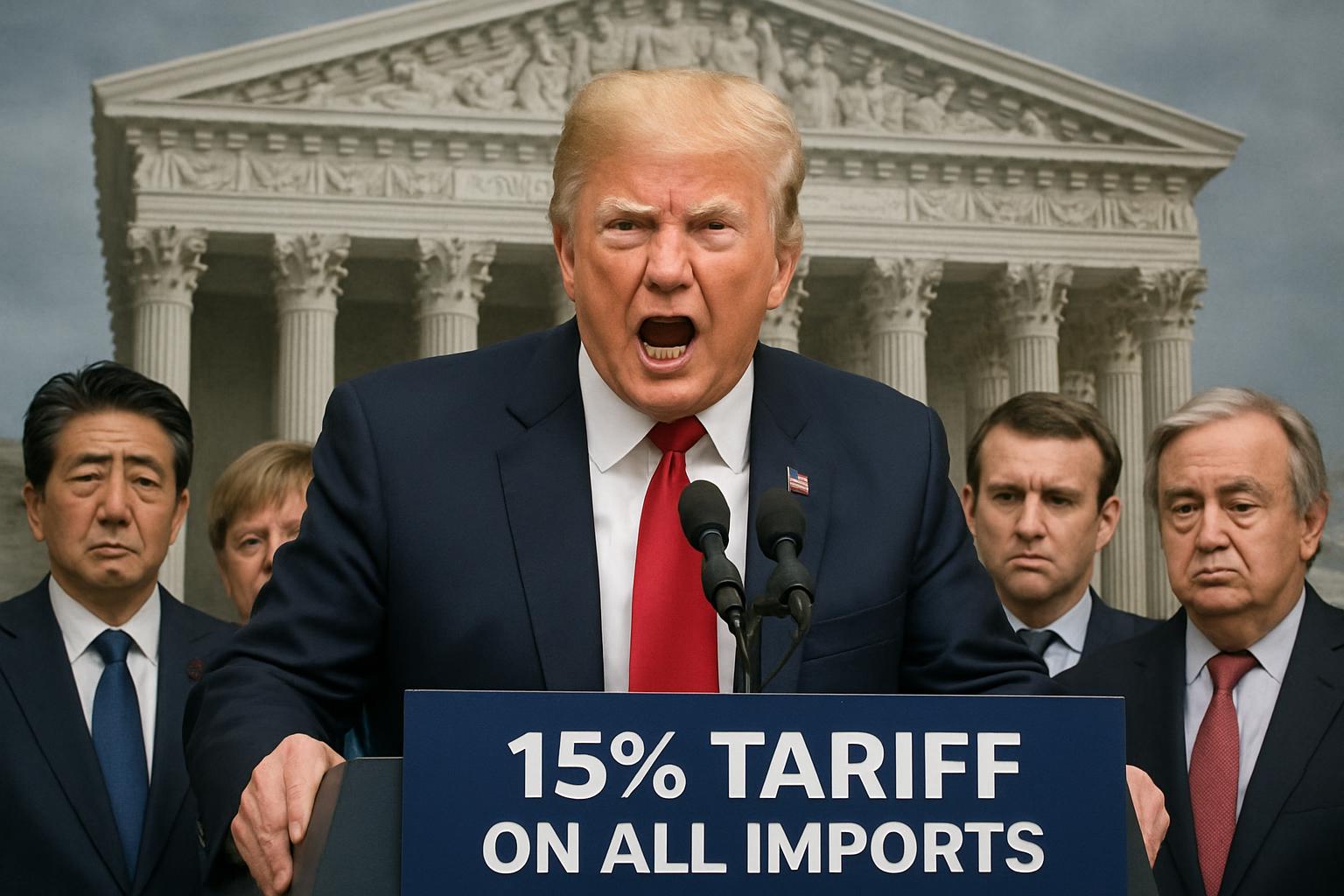
Trump Raises Import Tariffs to 15% After Supreme Court Setback

Breakthrough Drug Offers Hope for Children with Severe Epilepsy
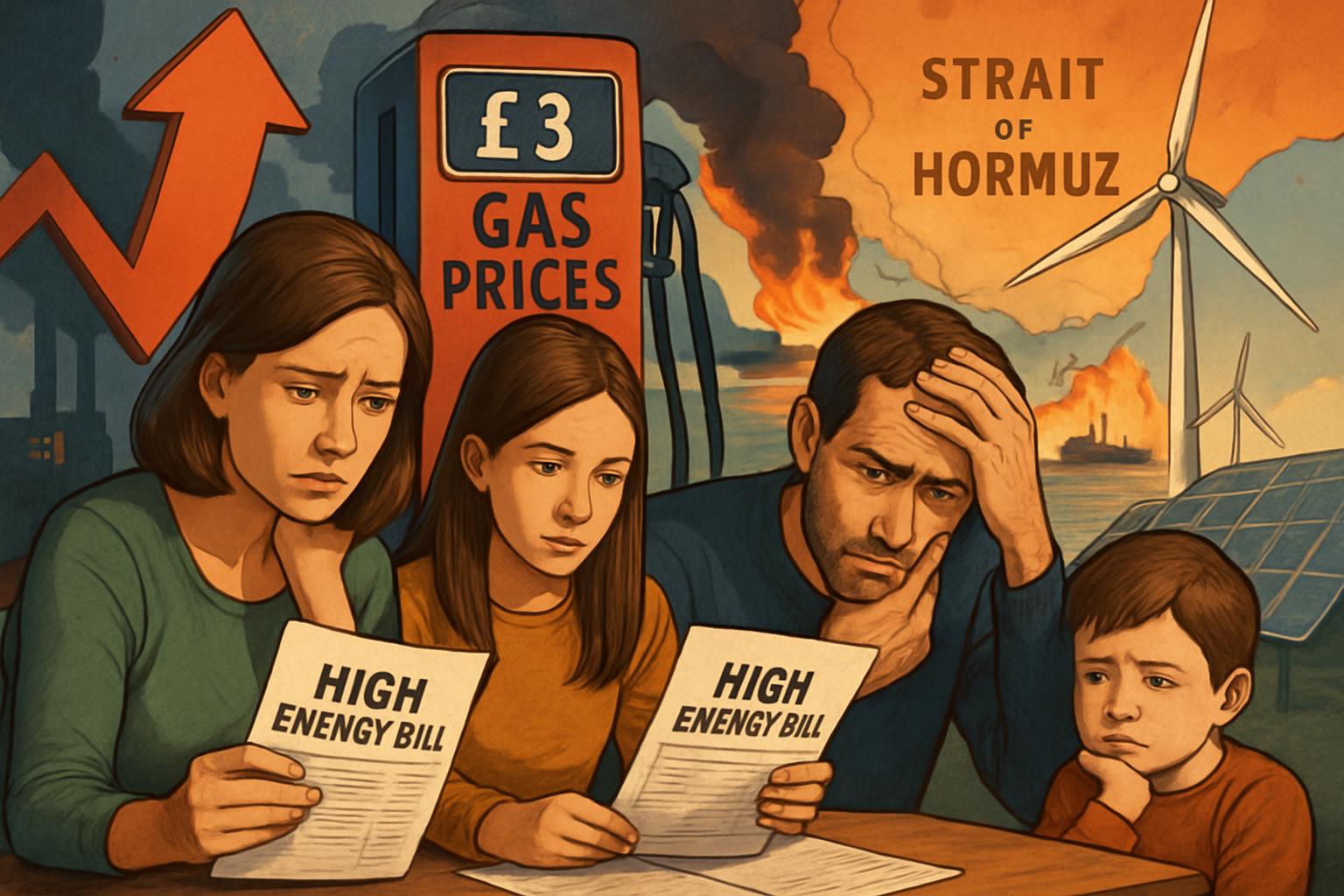
Middle East Conflict Drives UK Energy Prices to New Highs

Spain's Sánchez Stands Firm Against Trump's Trade Threat Over Iran Stance

Saharan Dust to Illuminate UK Skies with Vivid Sunrises and Sunsets

Government Announces £4 Billion Overhaul of SEND Support in England
UK Inflation Surges to 3.8% Amid Rising Air Fares and Food Prices
In This Article
 Daniel Rivera| Published
 HIGHLIGHTS
- UK inflation rose to 3.8% in July, driven by increased air fares and food prices, surpassing the Bank of England's 2% target.
- The rise in air fares, the largest since 2001, coincided with the school summer holidays, significantly impacting inflation.
- Food and non-alcoholic beverage prices increased by 4.9% year-on-year, with droughts in Southern Europe contributing to higher costs.
- Rail fares in England are expected to rise by 5.8% next year, reflecting the latest inflation data.
- The Bank of England's interest rate cuts are likely delayed, with financial markets not anticipating changes until next spring.
Inflation in the United Kingdom has climbed to 3.8% in July, driven by a sharp increase in air fares and food prices, according to the latest data from the Office for National Statistics (ONS). This marks the highest inflation rate since January 2024 and remains well above the Bank of England's target of 2%.
Air Fares and Food Prices Fuel Inflation
The ONS reported that air fares experienced their largest jump since 2001, largely due to the timing of the school summer holidays. This year's data collection coincided with the start of the holidays, unlike the previous year, leading to a significant impact on inflation figures. Grant Fitzner, ONS Chief Economist, noted the "hefty" increase in air fares as a major contributor to the inflation spike.
Food and non-alcoholic beverage prices also saw a notable rise, increasing by 4.9% year-on-year. The price hikes were exacerbated by droughts in Spain, Italy, and Portugal, which have affected the supply of fresh produce to the UK.
Impact on Rail Fares and Interest Rates
The inflation surge has implications for rail fares in England, which are expected to rise by 5.8% next year. This increase is based on the retail prices index (RPI) inflation measure, which stood at 4.8% in July. Passenger groups have expressed concern over the potential fare hikes, warning that they could further strain consumers' budgets.
The Bank of England's plans for interest rate cuts are also likely to be delayed. Financial markets had anticipated a potential rate cut next spring, but the unexpected rise in inflation may push this timeline further. The Bank recently trimmed interest rates to 4%, aligning with projections of falling inflation over the next two years. However, the latest figures suggest that inflationary pressures remain strong.
Government and Union Responses
Chancellor Rachel Reeves acknowledged the ongoing challenges in easing the cost of living, emphasizing the government's efforts to stabilize public finances. "We have taken the decisions needed to stabilize the public finances, and we're a long way from the double-digit inflation we saw under the previous government, but there's more to do to ease the cost of living," she stated.
The Unite union has called for higher pay rises to help families cope with rising costs. General Secretary Sharon Graham highlighted the impact of soaring prices on basic essentials, urging for immediate action to alleviate financial pressures on households.
WHAT THIS MIGHT MEAN
The recent inflation data presents a challenging scenario for the Bank of England, which must balance the need to control inflation with the potential impact of delayed interest rate cuts on economic growth. If inflation remains above target, the Bank may be forced to maintain higher interest rates for longer, potentially slowing economic recovery.
The anticipated rise in rail fares could lead to increased public dissatisfaction, particularly as consumers face higher costs across various sectors. The government may need to consider additional measures to support households and mitigate the impact of inflation on living standards.
In the broader economic context, the UK's inflation rate, currently higher than that of the US and eurozone, could influence international trade dynamics and investor confidence. As the situation evolves, policymakers will need to closely monitor inflation trends and adjust their strategies accordingly.
Related Articles
Trump Raises Import Tariffs to 15% After Supreme Court Setback
Breakthrough Drug Offers Hope for Children with Severe Epilepsy
Middle East Conflict Drives UK Energy Prices to New Highs
Spain's Sánchez Stands Firm Against Trump's Trade Threat Over Iran Stance
Saharan Dust to Illuminate UK Skies with Vivid Sunrises and Sunsets
Government Announces £4 Billion Overhaul of SEND Support in England